Do horned lizards drink water?
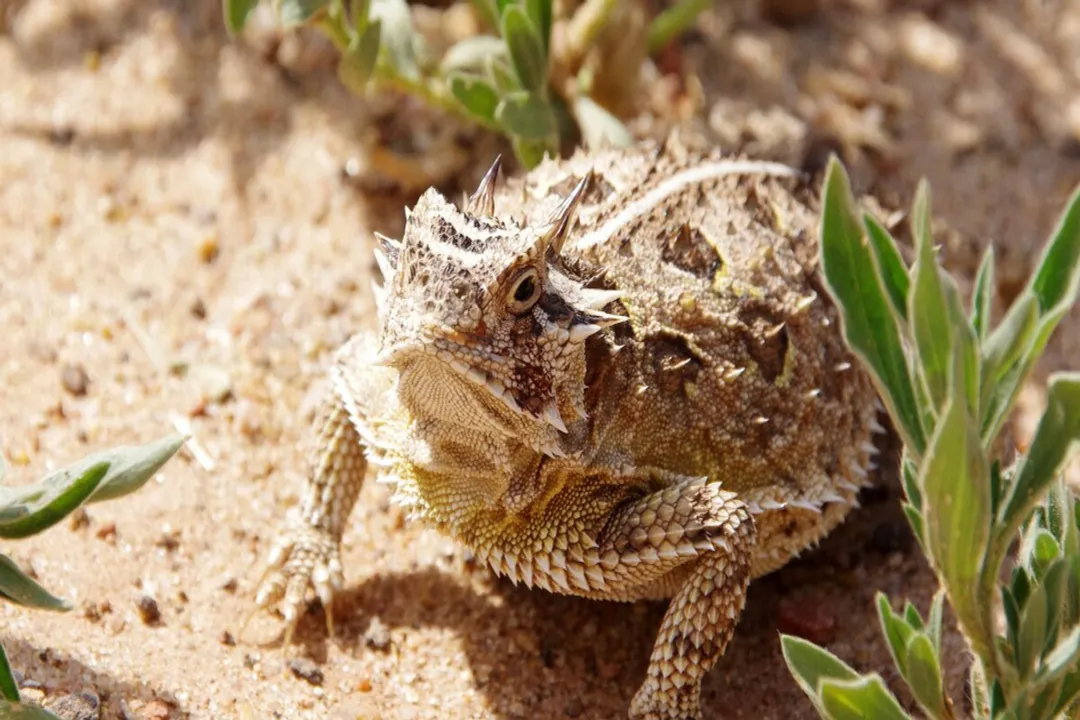
The methods by which desert reptiles secure necessary moisture often defy common expectations we hold about wildlife. When thinking about a lizard needing a drink, the image that springs to mind is usually one of lapping water from a surface or a bowl, much like a bird. However, creatures like the horned lizard species have evolved astonishingly specialized biological plumbing that allows them to bypass traditional drinking altogether, relying instead on clever physics to hydrate directly from their surroundings. [5][9] This adaptation is not merely a backup plan; it is a primary survival mechanism honed over millennia in some of the harshest, driest environments on Earth. [5]
# Desert Thirst
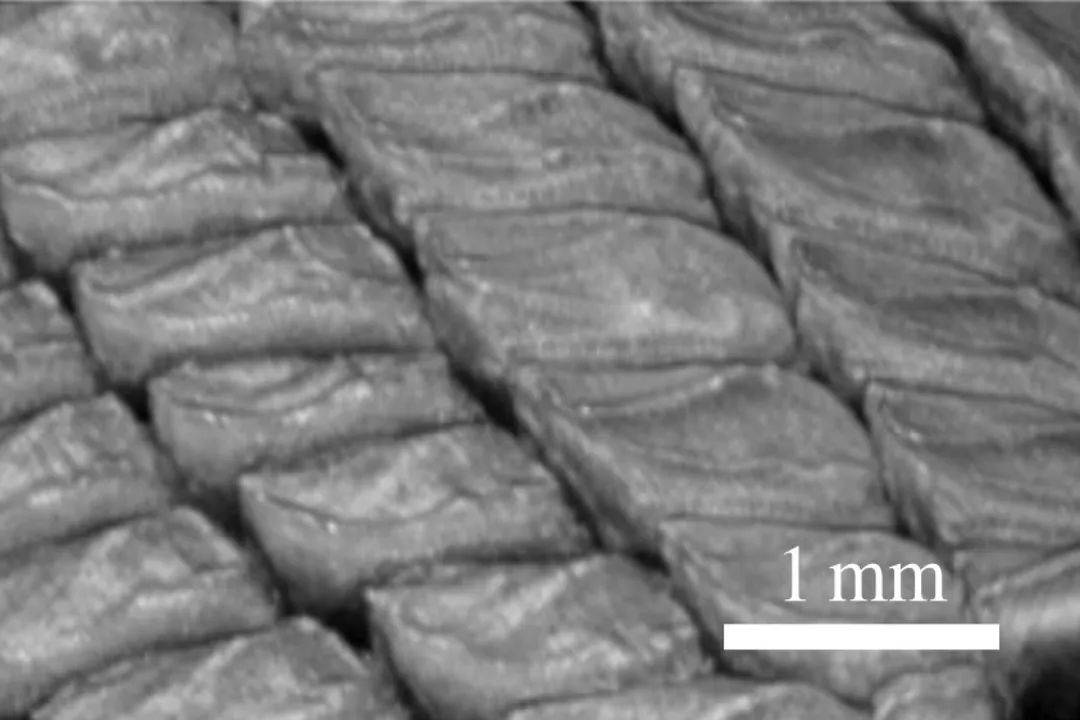
Horned lizards, including the well-known Texas Horned Lizard found in places like Big Bend National Park, exist in habitats where surface water is exceptionally scarce and often fleeting. [4][5] In these arid zones, an animal that spends too much time openly exposed, potentially drinking from a puddle, risks attracting predators or succumbing to rapid desiccation from the intense sun and heat. [5] This environmental pressure meant that relying on rain puddles or standing moisture was too risky and unreliable for long-term survival. Therefore, the evolutionary payoff favored developing ways to extract hydration passively or immediately when moisture was available, such as during a brief rain shower or from damp morning sand. [5][9]
# Capillary Flow
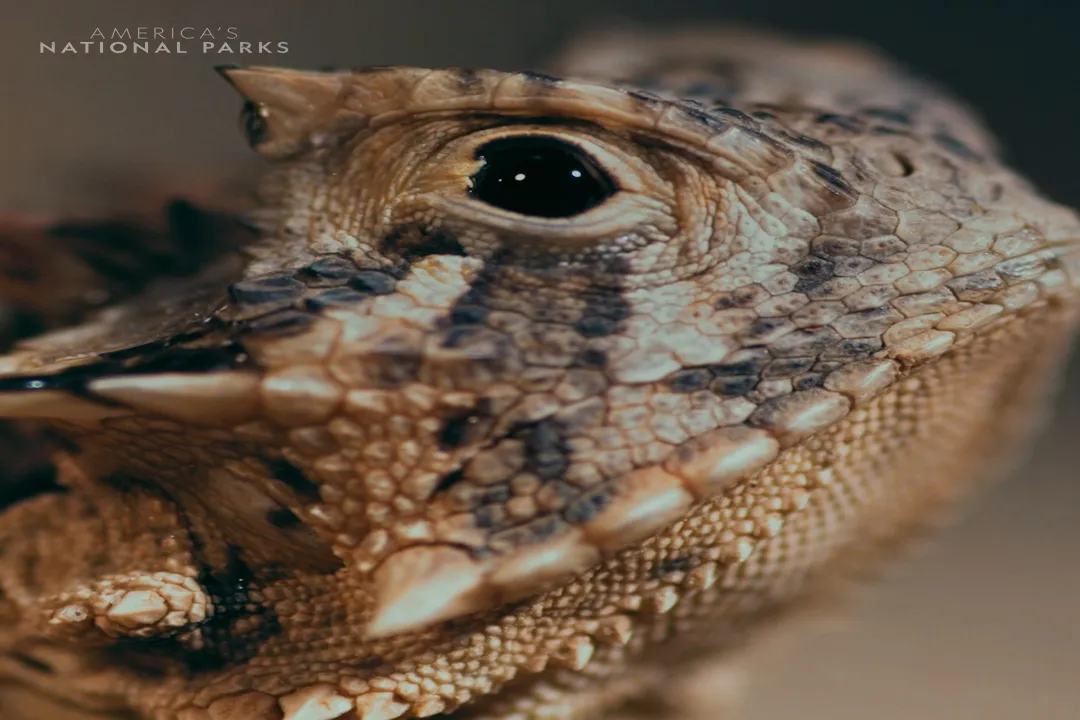
The secret to the horned lizard’s hydration mastery lies in microscopic engineering across its skin, a feature shared by its close relative, the thorny devil. [3][9] These lizards do not just have scales; they possess a complex network of tiny grooves or channels etched between their scales. [9] These channels function as micro-pipelines that exploit a principle known as capillary action. [3][9]
Capillary action is the ability of a liquid to flow in narrow spaces without the assistance of, or even in opposition to, external forces like gravity. For the lizard, this means that when its specialized skin—particularly the skin on its belly, feet, and legs—comes into contact with a source of moisture, the water is actively drawn up into these microscopic grooves. [3] The water then wicks its way along these channels, moving toward the lizard’s mouth and other tissues. [9]
This process is incredibly efficient. A lizard can literally "sip" water from damp substrate, such as sand or soil, just by sitting on it, or absorb dew directly from the ground or its own body surfaces. [3][9] While some sources suggest these lizards can drink conventionally, [6] the primary, textbook method for maintaining hydration in dry conditions centers on this wicking behavior. [5][9] It is a demonstration of biological architecture that rivals human-made filtration systems.
When observing this process, especially in species like the thorny devil, the water appears to travel up the lizard’s body, often appearing to soak into the skin itself, moving from the periphery inward toward the mouth or throat area. [3][7] This is not actually the skin tissues absorbing the water like a sponge; rather, the water is being physically pulled along the grooves created by the scale structure. [9] This distinction is important; the structure directs the flow, turning any damp surface into a readily accessible water source without the lizard needing to expend energy moving to find a pool.
# Species Differences
While the concept of water absorption through the skin is famously associated with the Australian thorny devil (Moloch horridus), the concept applies similarly to North American species, like the Texas Horned Lizard (Phrynosoma cornutum). [4][5][6]
The Thorny Devil is often the centerpiece of studies regarding this adaptation because its entire body, covered in spines, is utilized in this process, making the water flow visible as it moves from the tips of its spikes toward its mouth. [3][9] The Texas Horned Lizard employs a similar strategy, using its scales and body surfaces to capture and channel available moisture. [5][7] Although the specific topographical arrangement of scales might vary slightly between these desert-dwelling genera, the underlying physical principle remains the same: using surface tension and capillary force to move water across the body surface. [9] The fact that two widely separated reptile lineages developed this almost identical solution speaks volumes about the intense selective pressure exerted by arid climates. [5]
This comparison highlights an interesting evolutionary convergence. You have two geographically isolated groups adapting to similar water scarcity problems with a nearly identical mechanical solution, which is a fascinating parallel in evolutionary biology that occurs when environmental constraints are this severe.
# Water Delivery
For those keeping these fascinating reptiles as pets, understanding this natural hydration method suggests a slight shift in approach compared to a standard lizard terrarium setup. Simply placing a heavy water dish in the enclosure might satisfy basic fluid requirements, but it doesn't replicate the natural method that is key to their long-term health and behavior. [5]
A practical consideration for husbandry, derived from understanding this biology, is to ensure that the substrate itself has the potential to hold moisture, even if the lizard is not actively sitting in a puddle. If a keeper were to mist the substrate lightly, allowing the sand or soil to become damp but not saturated, the lizard could naturally engage its wicking system throughout the day, especially during cooler periods or early mornings when dew condensation might occur in the wild. [5] This mimics the environment where the channels are most effective. It’s far more effective than just waiting for the animal to drink directly, as the capillary action allows for slow, steady hydration throughout the day rather than large, risky gulps. Furthermore, because the water is channeled directly to the mouth area, this system may also offer a physiological advantage by bypassing potential contamination risks associated with drinking from standing water on the ground, which can harbor bacteria or parasites. [5] The lizard is essentially filtering its surface moisture through its specialized skin network on its way to ingestion.
This natural design shows an incredible efficiency: the lizard is not merely tolerating the desert; it has engineered a way to exploit the rare moments of humidity or damp soil that occur, turning a threat (dryness) into a solvable engineering problem solved by its own specialized skin architecture. [9]
#Videos
Fluid transport, lizard-style | Tomorrow Today - YouTube
Related Questions
#Citations
This Lizard Drink Water Through His Feet - YouTube
Thorny Devil Lizards: Unique Water Drinking Method - TikTok
The fascinating way Thorny Devils drink water : r/NatureIsFuckingLit
Not that kind of “scales,” buddy The Texas horned lizard of Big Bend ...
How the Texas Horned Lizard Stays Hydrated in the State's ...
Which lizards absorb water rather than drinking it | Chameleon Forums
Desert lizard can sip water from sand through its feet and back