Are northern water snakes harmless?
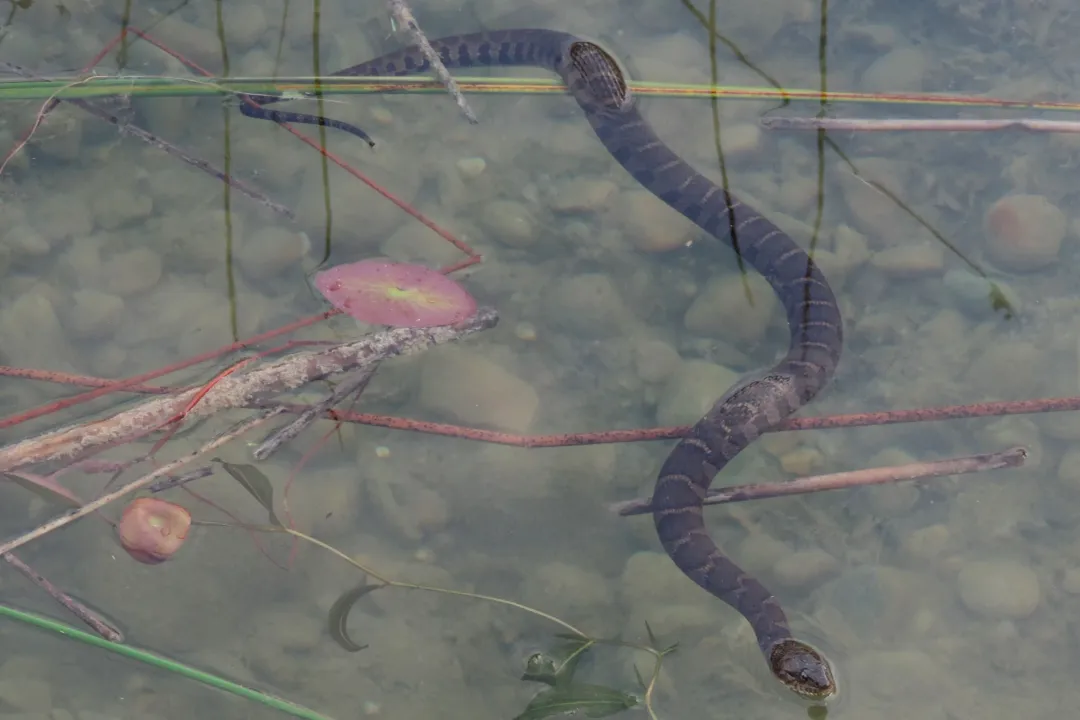
The central question surrounding the Northern Water Snake—Nerodia sipedon—is whether they pose a threat to people near the water's edge. While these snakes are definitively non-venomous, [1][5] labeling them entirely "harmless" overlooks their robust and often dramatic defensive repertoire when cornered or harassed. [6] These are large, capable snakes common throughout many eastern and midwestern regions, frequently found near lakes, streams, and ponds. [1][8] Their tendency to inhabit areas popular for recreation often leads to tense, misunderstood encounters. [7]
# Venom Status
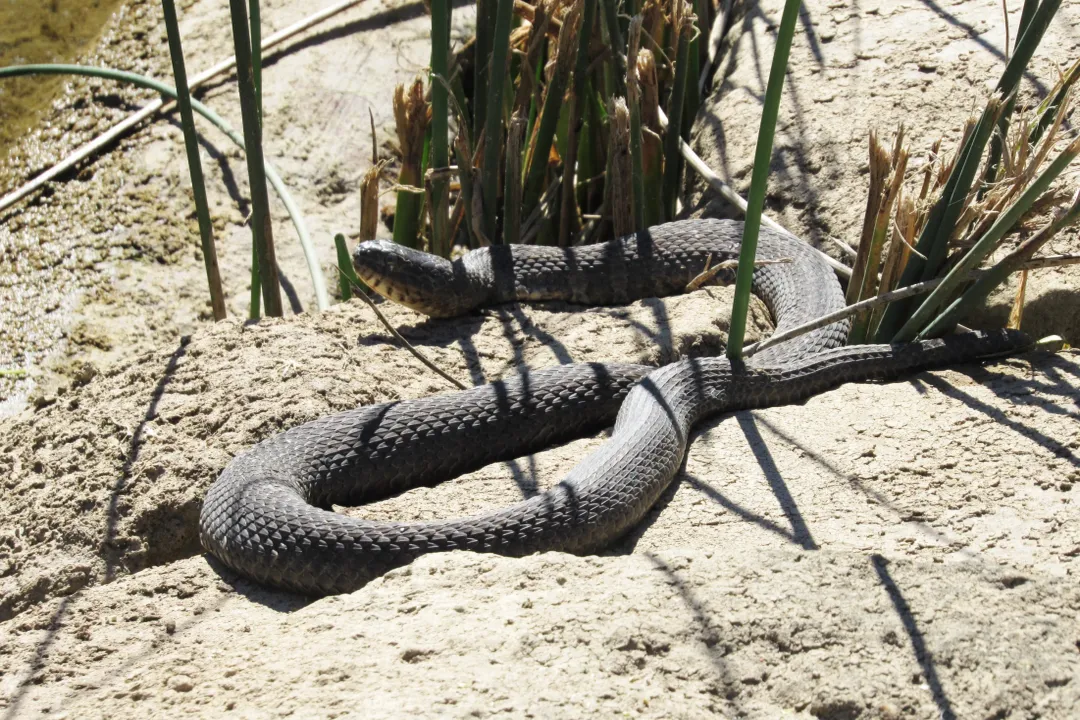
The most crucial piece of information for anyone encountering this reptile is its lack of venom. Northern Water Snakes are part of the family Colubridae, which contains the vast majority of North American snakes, almost all of which are harmless to humans. [3] They lack the specialized fangs and venom glands necessary to inject toxins like the deadly pit vipers they are often confused with. [6]
However, this non-venomous status does not equate to passivity. When handled or threatened, the Northern Water Snake will aggressively defend itself. [3] They are known to bite repeatedly if an individual attempts to restrain or harass them. [5] While their teeth are small compared to those of a rattlesnake, a bite from a large specimen can still break the skin and potentially introduce bacteria, necessitating proper wound care, though the injury is not medically significant in terms of venom toxicity. [5]
# Look Alike
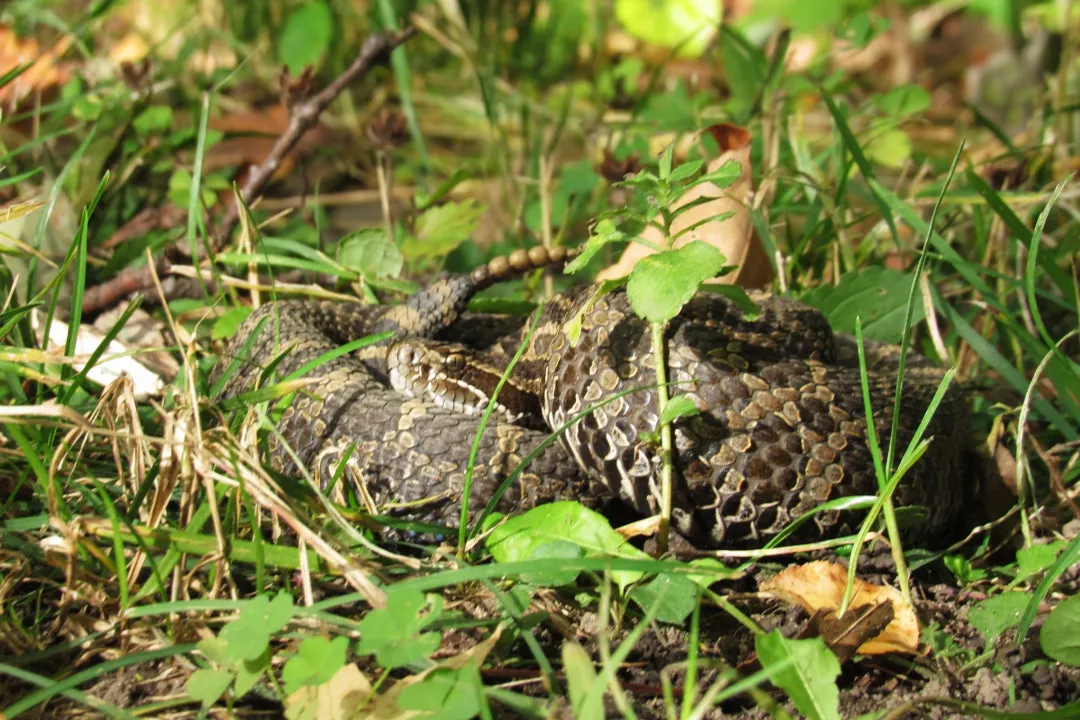
Much of the negative perception of the Northern Water Snake stems directly from their frequent misidentification as the venomous Cottonmouth, or Water Moccasin (Agkistrodon piscivorus). [6] While their ranges overlap in some southern areas, key identification markers exist, though they require a close approach that is often discouraged for safety. [2]
Cottonmouths typically possess a broad, blocky head shape, a vertical (elliptical) pupil, and, when exhibiting defensive posturing, they often display the bright white interior of their mouth—hence the name. [6] Conversely, the Northern Water Snake has a more slender head, round pupils, and generally dark, blotched markings that can sometimes fade as the snake matures. [2][6] In the southern parts of their range, such as the Florida peninsula, it is especially easy to confuse them with the venomous Agkistrodon species. [2] Furthermore, a threatened Northern Water Snake will often flatten its head into a triangular shape to bluff a potential predator, mimicking the head shape of a pit viper. [6]
A particularly telling behavioral difference lies in their response to being cornered. The Water Snake will often engage in a bluff charge, rattle its tail rapidly in leaf litter (mimicking a rattlesnake), or emit a foul-smelling musk from its scent glands. [3][6] If these efforts fail, they bite. Cottonmouths, while sometimes performing similar displays, are more inclined to hold their ground or retreat slowly, revealing the mouth only as a final threat. [6]
| Feature | Northern Water Snake (N. sipedon) | Cottonmouth (A. piscivorus) |
|---|---|---|
| Head Shape | Slender, less distinct from neck | Broad, blocky, distinct neck |
| Pupils | Round | Vertical (Elliptical) [6] |
| Mouth Display | Often exhibits dark mouth interior [6] | Displays bright white mouth interior [6] |
| Venom | None [1] | Venomous [6] |
# Defensive Display
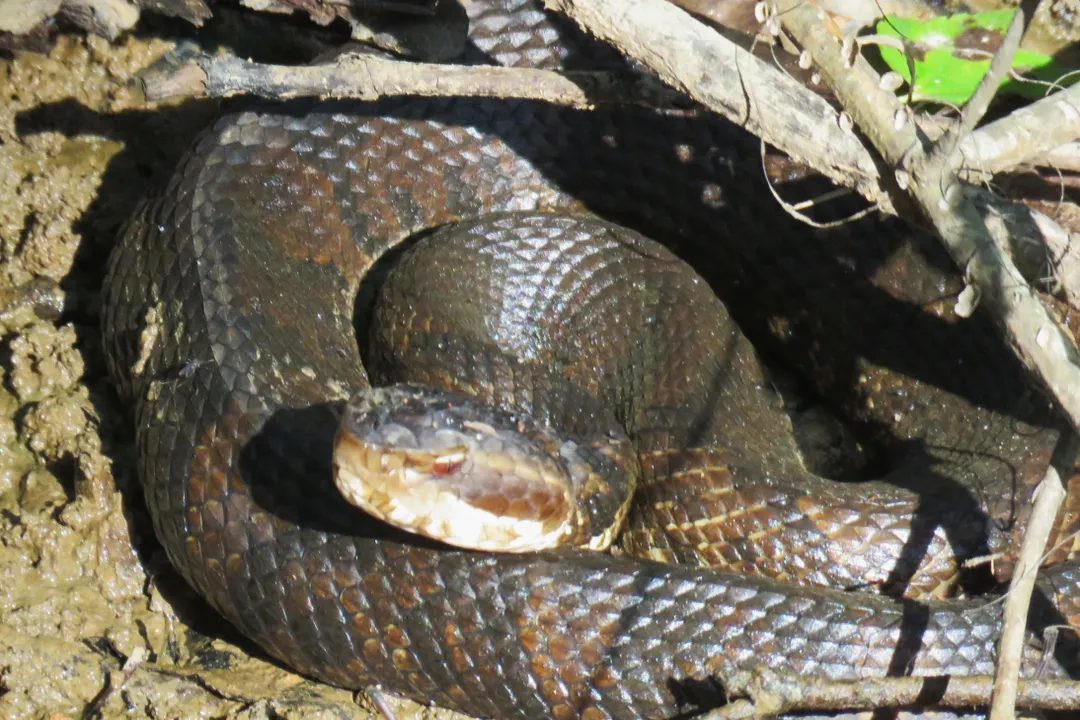
The size these snakes achieve contributes to their intimidating presence. Some individuals caught can approach or exceed three feet in length, with reports suggesting they can become one of the larger non-venomous species encountered locally. [4] It is this size, combined with their willingness to defend themselves, that fuels the perception of danger. [7]
When they do bite defensively, the resulting wound is usually a series of shallow punctures caused by multiple small teeth grasping and shaking, rather than a deep, venomous injection. [5] If you find yourself too close to one sunning itself on a log or swimming near the bank, the snake's primary goal is escape. If escape is blocked, its behavior escalates: it may flatten its head, strike repeatedly, and excrete musk. [3] This intense defense mechanism is a survival strategy, designed to convince a predator—be it a raccoon, heron, or curious human—that the snake is too much trouble. [7]
One helpful observation for readers when encountering them near the water is how they typically seek cover. If you spot one basking, watch its immediate escape route. If it dives and swims away rapidly, leaving a V-shaped wake, that is typical water snake behavior. If it floats sluggishly or swims with most of its body above the water line, this can sometimes indicate a Cottonmouth, although behavioral identification should never replace visual confirmation of head shape or pupils if one is close enough to observe those features safely. [2] In situations where visibility is poor or you are unsure, the safest course is to assume caution and retreat slowly, allowing the snake an unimpeded path to the water. [5]
# Life Near Water
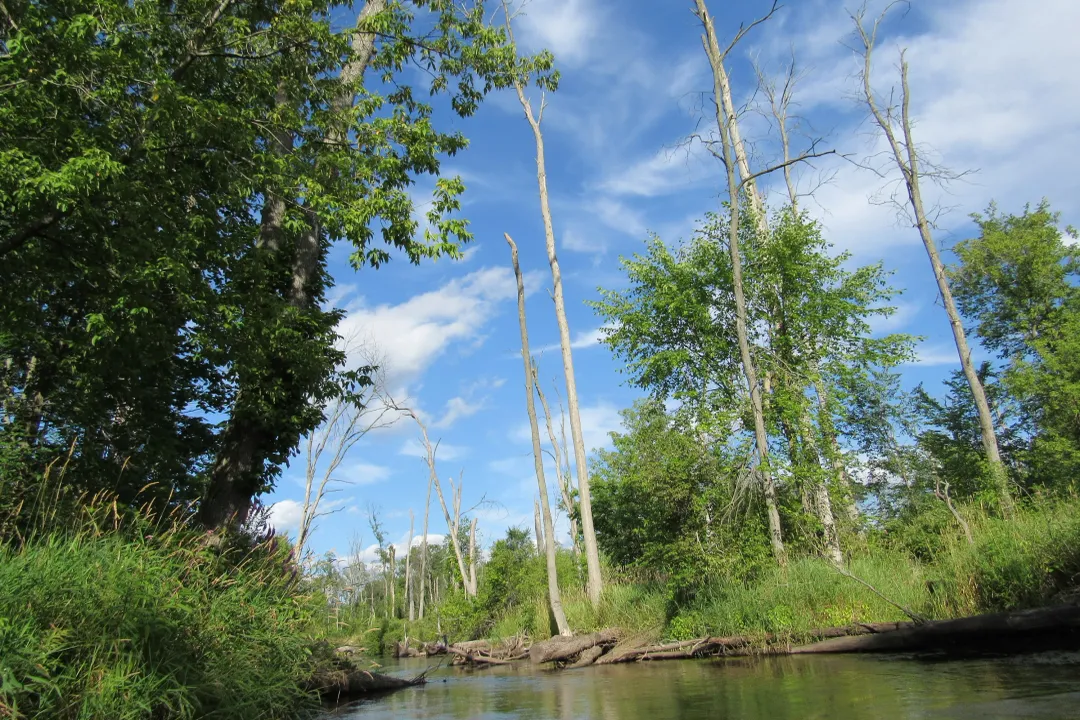
Northern Water Snakes are intrinsically tied to aquatic environments, as their diet consists primarily of fish, amphibians, and sometimes crayfish. [1] They are excellent swimmers, capable of maneuvering quickly to secure prey or evade threats. [8] Their prevalence in populated areas that contain water bodies, such as urban retention ponds or inner harbor areas, means that interactions are quite common. [8]
Their presence is actually a sign of a relatively balanced local ecosystem. They help control populations of slower-moving fish and amphibians. [1] An ecosystem with a healthy population of water snakes suggests there is sufficient food supply and, likely, that the top-level predators capable of eating snakes (like large raptors or otters) are present or the area isn't overly disturbed by human activity.
If you notice an area where snakes are frequently seen basking on warm surfaces near the water—like rocks, low branches, or even docks—it suggests the immediate area offers reliable thermal regulation and proximity to hunting grounds. [1] They are cold-blooded, meaning they rely on external heat sources to become active enough to hunt effectively.

# Responsible Interaction
Understanding the snake's natural motivations allows for a much calmer response during an encounter. The most common scenario leading to a defensive bite involves someone trying to capture, move, or harm the snake. [5]
Here is a simple assessment to guide your next encounter:
- Distance Check: Are you within 4 feet of the snake? If yes, pause.
- Escape Route Check: Is the snake positioned between you and the water/cover? If yes, slowly backtrack away from that line.
- Behavioral Observation: Is the snake simply looking at you, or is it hissing, striking air, or flattening its head? If it is displaying aggressively, it perceives an immediate threat.
When you observe the flattening or striking display, resisting the urge to poke, throw something, or try to scare it further is the best action you can take. [7] A good management tip is to give them space equivalent to three times their perceived length; for a three-foot snake, that means putting at least nine feet between you. If you must pass by, do so slowly and quietly, maintaining the distance. This respectful distance acknowledges their need to survive without escalating their natural fear response into a bite scenario. [5]
The underlying reality is that Northern Water Snakes occupy a niche where they are both predator and prey. Their aggressive defense is a well-honed survival mechanism developed over millennia to deter larger animals. The fact that they look similar to venomous species has unfortunately caused them to be killed unnecessarily out of fear, when a simple retreat would suffice for both parties. [7] They are not malicious; they are simply creatures trying to soak up the sun or digest a meal without becoming lunch themselves.
Related Questions
#Citations
Northern Water Snake | National Wildlife Federation
Harmless Watersnake or Venomous Water Moccasin? - UF Wildlife
Northern Water Snake: Nonvenomous and Ecologically Essential
Northern water snake. One of the biggest I caught. He bite me a few ...
Northern Water Snake | Chester County, PA - Official Website
Cottonmouths and Similar Looking Harmless Species
Northern Water Snakes – Facts, Fiction and Phobias!
In the Inner Harbor: Northern Water Snakes - National Aquarium
Northern Water Snakes Are Awesome (And Totally Harmless!)