Are black-headed pythons good pets?
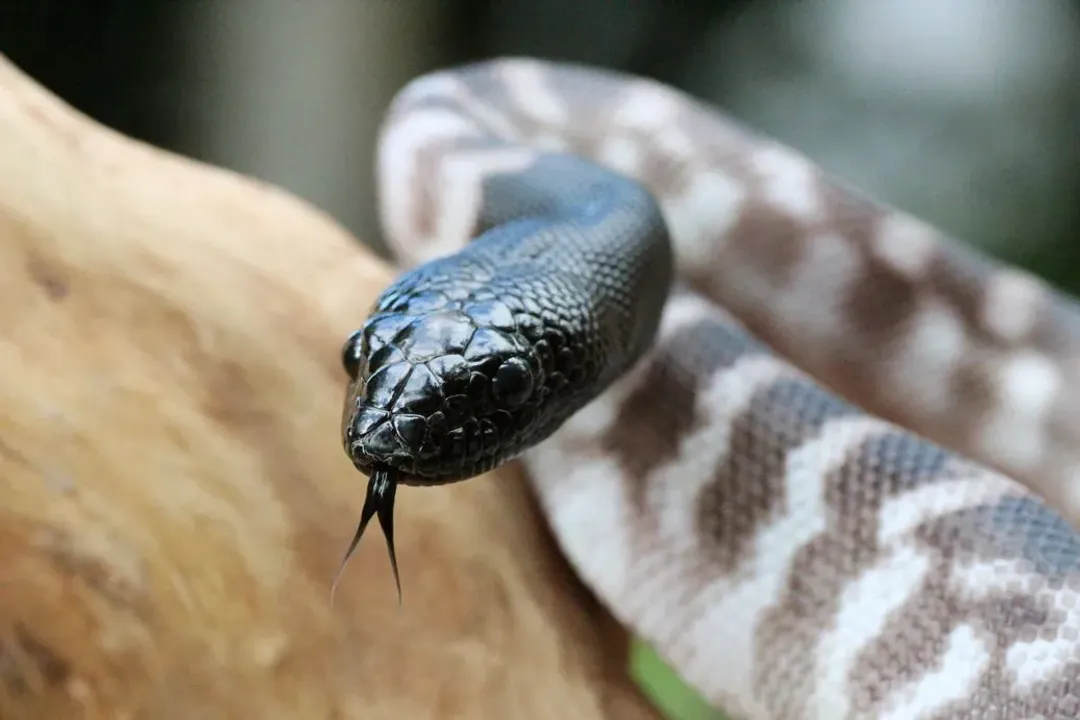
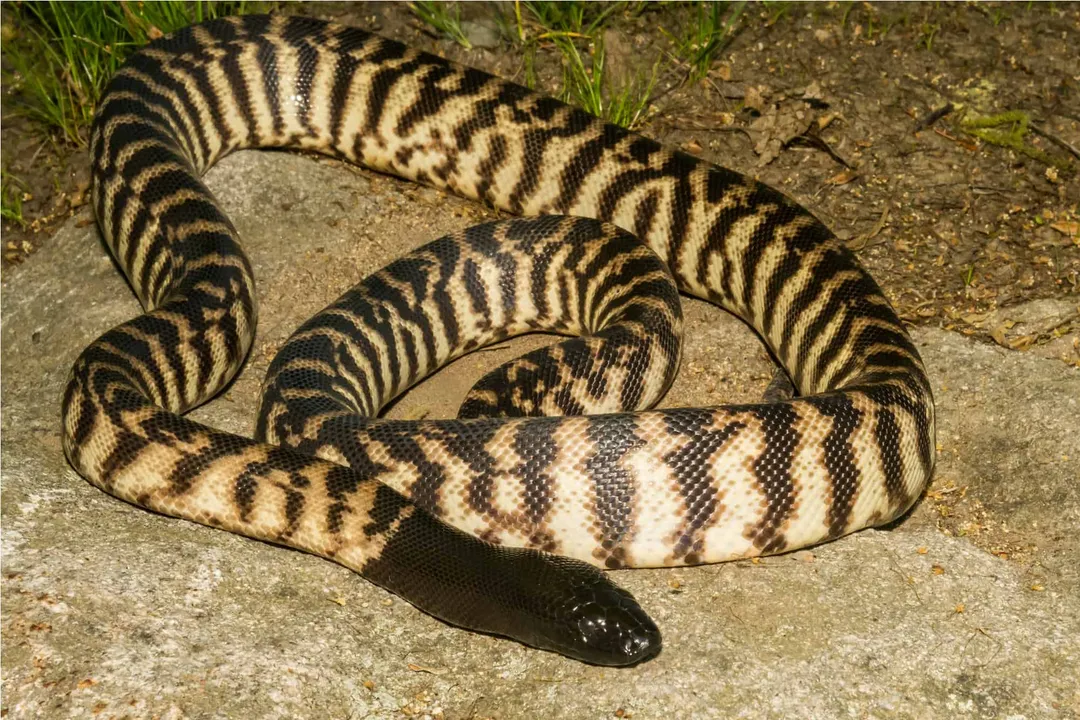
The Black-Headed Python, Aspidites melanocephalus, presents an intriguing option for reptile enthusiasts looking beyond the more common carpet or ball pythons. Native to Australia, this species belongs to the genus Aspidites, alongside its close relative, the Woma Python. [8] They are terrestrial snakes found in the tropical and subtropical regions of Northern Australia, often inhabiting areas ranging from woodlands and grasslands to rocky outcrops. [7][8] Adult males typically reach lengths between 1.5 to 2 meters (about 5 to 6.5 feet), with females often being slightly larger. [2] A key identifying feature, as the name suggests, is the striking black head that contrasts sharply with the typically glossy brown or olive-brown body. [7] They possess strong bodies and are known for being relatively inquisitive. [8]
# Species Background
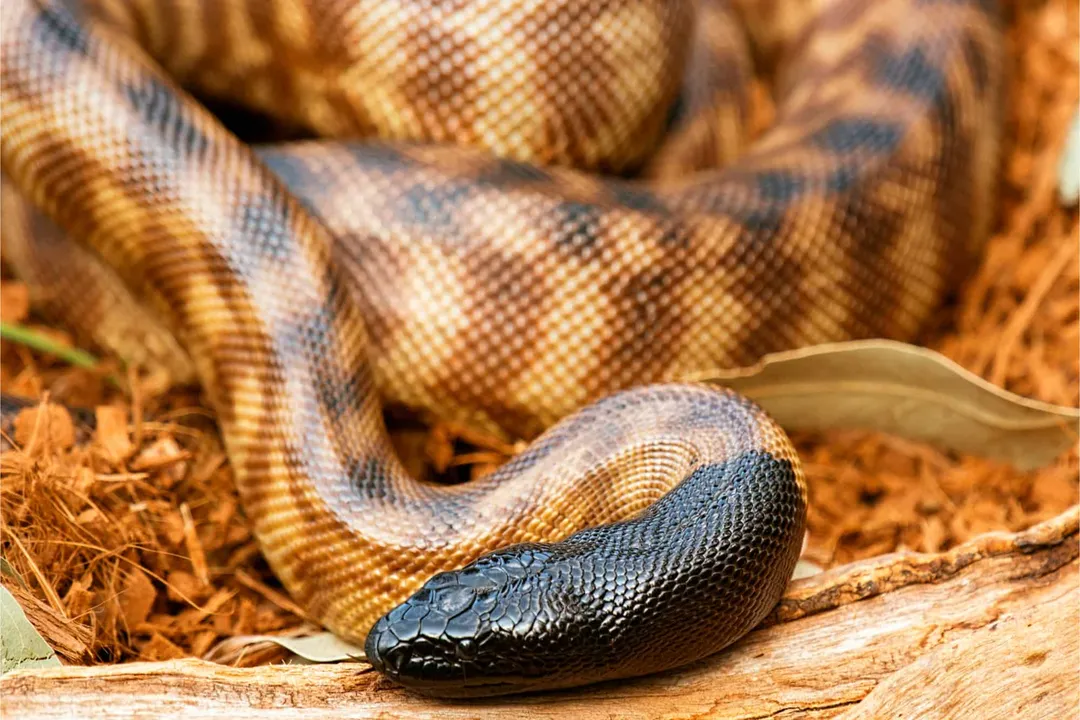
Understanding the natural history of the Black-Headed Python helps set expectations for their care in captivity. In the wild, they are nocturnal hunters, utilizing their keen sense of smell to track prey through leaf litter and undergrowth. [7] Their diet primarily consists of small mammals and birds. [7] Unlike some arboreal species, these pythons spend most of their time on the ground, though they are certainly capable climbers if the situation calls for it. [8] They are known to occupy burrows or shelters made by other animals, which informs their need for secure hiding places as pets. [7] Their distribution generally covers the northern parts of Western Australia, the Northern Territory, and Queensland. [8] When considering a species like this, which is naturally adapted to a climate that is often warm and relatively humid, replicating those conditions accurately becomes the first significant husbandry challenge. [2]
# Temperament Ratings
The question of temperament often sparks considerable discussion among keepers, and the Black-Headed Python elicits varied, though generally positive, feedback when handled regularly. [4][5] Many owners describe them as generally placid snakes that are not overly defensive, especially once they are accustomed to regular human interaction. [4] Some keepers report that these pythons are quite curious and readily explore their environment when out of the enclosure. [6]
However, their temperament can be somewhat dependent on individual personality and early socialization. One perspective shared online suggests that while they can become quite docile, they might start their lives with a bit more spunk than a classic Ball Python. [1] The consensus leans toward them being good pets for someone with some prior snake experience, perhaps moving beyond a complete novice level, mainly due to their size and the initial confidence required when handling a potentially flighty juvenile. [5][6]
A comparison of owner descriptions reveals an interesting spectrum. Some report that a well-handled Black-Headed Python is "bombproof," meaning it remains calm even with handling mistakes or minor disturbances. [4] Others mention that juveniles can be quick to musk or strike if startled, aligning with the more cautious approach that keepers often advise: treat all snakes with respect, especially when feeding or cleaning. [1] If a keeper is committed to consistent, gentle handling from a young age, the resulting snake is likely to be very manageable. [4] It is important to note that being a terrestrial snake, they might react differently to being picked up compared to a species that spends more time climbing. [8]
# Housing Essentials
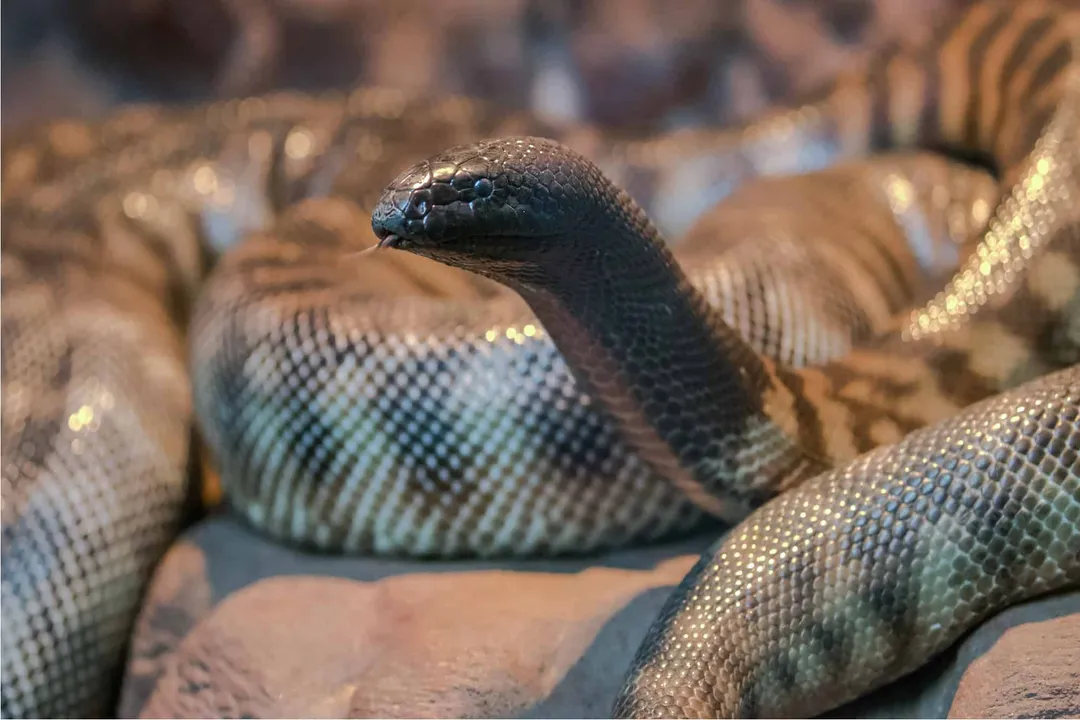
Setting up the proper environment is critical for the Black-Headed Python's long-term health. While they are terrestrial, they still require space to stretch out and move naturally. [2] For an adult, a minimum enclosure size of 6 feet long by 2 feet deep by 2 feet high is often recommended, though larger is always better to allow for more complex visual barriers and temperature gradients. [2] Security is paramount; these pythons are surprisingly strong and can exploit even small gaps, so secure locking mechanisms are a necessity. [9]
Temperature control requires specific attention to the thermal gradient. The hot spot, achieved through overhead heating elements like ceramic heat emitters or basking lamps, should be maintained around (). [2][9] Ambient temperatures on the cool side should generally range from (). [2] Nighttime temperatures can safely drop a few degrees, but keepers must ensure the cool end does not dip below about (). [9]
Humidity management is another key variable. The David Vella care sheet suggests a moderate humidity level, often cited around 50-60%. [9] However, it’s worth comparing this with general husbandry advice for Australian terrestrial pythons; while they are not tropical swamp dwellers, they do benefit from humidity spikes during shedding, which can be achieved by providing a larger water dish or by slightly increasing misting frequency, ensuring the substrate dries out between these increases to prevent stagnant conditions. [2][9] Offering several secure hiding spots, one on the warm side and one on the cool side, allows the snake to thermoregulate and feel secure simultaneously. [9] Aspen or a cypress mulch mixture are often mentioned as suitable substrates, providing some depth for potential burrowing behavior. [9]
A valuable consideration when budgeting for an enclosure is the quality of the heating and lighting fixtures. Relying solely on under-tank heating mats (UTHs) often fails to provide the necessary overhead basking warmth that terrestrial species naturally seek, leading to improper digestion and thermal regulation. If you are setting up a dedicated display rack system, the ambient heat management is simpler, but for a spacious vivarium, investing in a good thermostat to regulate basking elements is non-negotiable for safety and efficacy. [2][9]
# Feeding Protocol
Black-Headed Pythons in captivity thrive on a diet primarily consisting of appropriately sized rodents. [2][9] The prey item's diameter should generally not exceed the widest part of the snake's body, though some keepers advocate for slightly smaller prey for very young or nervous eaters. [9] The frequency of feeding often changes as the snake grows. Juveniles might take smaller meals every 5 to 7 days, while adults can often be fed appropriately sized adult mice or rats every 10 to 14 days. [2]
A common piece of advice across various owner accounts is to maintain consistency regarding the prey type and size once a reliable feeder is established. [9] If a keeper decides to transition from mice to rats, or vice versa, this should be done slowly and intentionally, usually by presenting the new prey item slightly scented if necessary. [2] It is vital to ensure prey is thoroughly thawed if using frozen/thawed (F/T) food, as snakes are sensitive to temperature discrepancies during feeding. [9] Feeding live prey introduces unnecessary risks of injury to the snake, making F/T the preferred and safer method for responsible pet ownership. [2]
# Breeding Notes
For those interested in the reproductive side of keeping this species, it is helpful to know that Black-Headed Pythons are oviparous (egg-laying). [9] Females typically lay clutches ranging from 5 to 15 eggs, depending on her size and health. [9] Successfully inducing breeding requires a simulated winter cooling period, often referred to as "brumation," though the term "cooling" is sometimes preferred for pythons as it may not involve true hibernation. [9] This period usually involves gradually dropping temperatures for several weeks before returning to normal ambient levels. [9] Successful breeding demands careful monitoring of the female's condition before and after laying, as she will cease eating while incubating the eggs. [9]
# Owner Experience
Delving into community experiences helps paint a complete picture of ownership. On forums and social media groups dedicated to reptiles, the Black-Headed Python is generally regarded as a visually stunning species that rewards attentive husbandry. [1][3] One key takeaway from owner discussions is the importance of patience in the initial acclimation phase. [4] A newly acquired snake, especially a juvenile, may refuse food for several weeks while it settles into its new environment, and pressing the issue with repeated feeding attempts can be counterproductive. [9]
Another practical insight emerges when discussing clean-up. Due to their robust feeding schedule and tendency to inhabit the cooler side of the enclosure when resting, some owners note that their enclosures can sometimes benefit from slightly more frequent spot-cleaning than a perpetually arid setup, particularly around water sources. [1] Furthermore, when comparing them to Morelia species (like Carpet Pythons), some keepers feel the Aspidites genus is generally less flighty once they reach a certain size, making the final adult handling experience potentially less demanding, provided the earlier stages were managed well. [5] If a snake shows signs of stress, such as head-bobbing or excessive tongue-flicking outside of exploratory behavior, providing deeper hides or reducing visual disturbances in their immediate environment is the recommended first step. [4]
# Final Assessment
Determining if a Black-Headed Python is a "good pet" depends heavily on the keeper's goals, experience level, and ability to meet specific husbandry requirements. They are not typically recommended for absolute first-time snake owners due to their potential for reaching significant size and the need for precise temperature and humidity management, which requires a higher degree of husbandry diligence than some hardier species. [2]
However, for an intermediate keeper looking for a visually striking, often curious, and generally handleable snake that is less prone to coiling up and refusing food than a Ball Python might be, the Black-Headed Python is a strong candidate. [4][5] Their care revolves around providing space, correct thermal gradients, secure enclosures, and consistent feeding schedules. [2][9] The payoff for this commitment is owning a magnificent Australian native reptile that, with proper socialization, can become a calm and engaging display animal. [7] A keeper willing to research the specific needs of Aspidites melanocephalus rather than applying generic python care rules will find this species rewarding. [9]
Related Questions
#Citations
Black Headed Pythons : Why or Why Not? : r/snakes - Reddit
Black-headed Python Care Sheet - Reptiles Magazine
Black headed python What are their temperament like? Should I get ...
black headed python temperament - Aussie Pythons & Snakes Forum
Black Headed Pythons - FAQs - Real Aussie Reptiles
Black Headed Python | Aquarium and Reptile Store | Amazing Amazon
Black-headed python - National Zoo
Black-headed python - Aspidites melanocephalus - A-Z Animals
[PDF] woma & black-headed python care