Can you have a fire salamander as a pet?
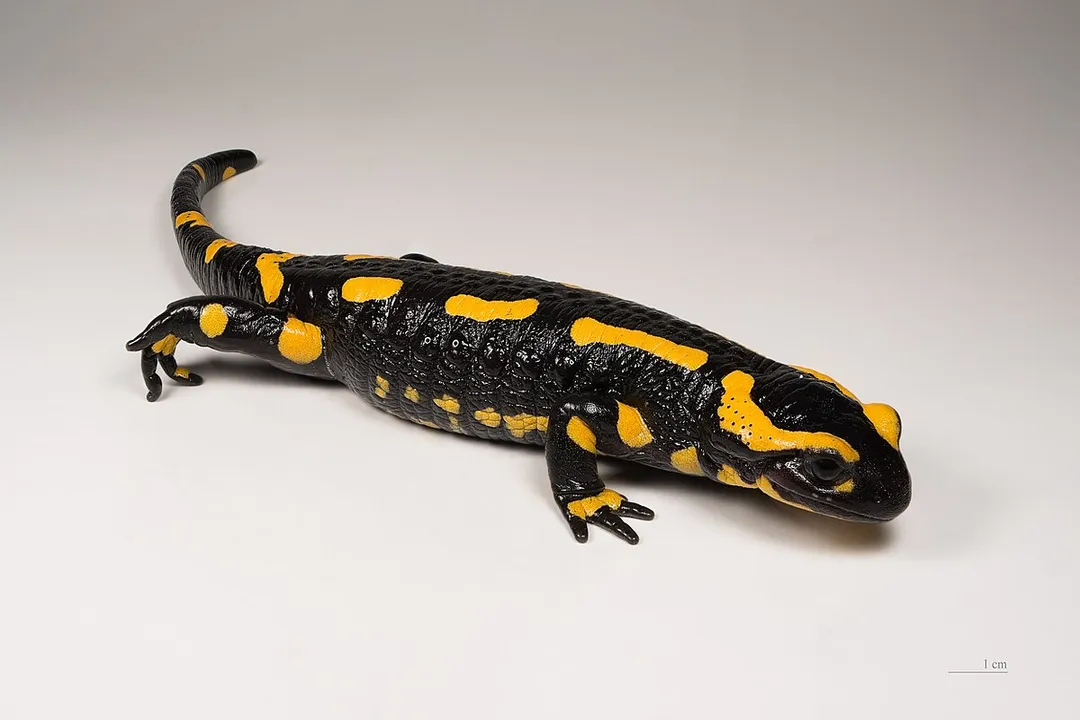
The glossy, deep black skin punctuated by vivid yellow or orange markings makes the fire salamander (Salamandra salamandra) one of the most visually striking amphibians a hobbyist might consider keeping. Their dramatic appearance, often evoking images of fantasy creatures, understandably draws attention. However, bringing one of these terrestrial salamanders into a home requires a significant commitment to replicating a very specific, cool, and damp woodland environment, making them better suited for experienced keepers rather than absolute beginners. Before even considering setup, checking local wildlife and exotic pet regulations is essential, as the legal status of keeping native or imported salamander species can vary widely by region.
# Legal Status

While fire salamanders are found across much of Europe, the legality of owning them is not universal. Some regions may prohibit keeping native species altogether, regardless of whether they are wild-caught or captive-bred. Understanding this prerequisite is the first critical step, as the legality dictates whether any further care planning is even permissible where you live.
# Setup Requirements
Creating a suitable home for an adult fire salamander revolves around mimicking the cool, shaded forest floor they inhabit naturally. They are primarily terrestrial, though they do require access to water, often preferring a shallow dish for soaking rather than a deep pool.
# Enclosure Size
The size of the enclosure needs to allow for adequate substrate depth and space for movement, though they are not particularly active climbers. While some sources might suggest minimum tank volumes, a common recommendation leans toward a 10-gallon tank being acceptable for a single adult, though larger is always better for stability. Larger enclosures offer greater temperature and humidity buffering, which is extremely helpful in maintaining the stable conditions they require.
# Substrate Depth
Substrate is paramount because these creatures spend much of their time burrowing or hiding beneath leaf litter. A deep layer of material is necessary to allow for this natural behavior. A mix that retains moisture well, such as peat moss, coco fiber, or organic topsoil, is frequently recommended.
An important consideration often missed is the establishment period for the substrate. Rather than simply setting up the tank and adding the salamander immediately, it is far better practice to allow a bioactive substrate mix—if you choose that route—to cycle or stabilize for several weeks beforehand. This ensures the moisture gradient and microbial balance are set before introducing the amphibian, preventing initial shock or exposure to harmful molds or anaerobic pockets caused by immediate saturation.
# Hides and Furnishings
Fire salamanders are secretive and nocturnal, meaning visual barriers are necessary for their well-being. Providing multiple hides is crucial. These can be bark pieces, overturned flowerpots, or commercially available resin hides. The key is offering diverse options so the salamander can choose its preferred level of darkness and dampness. Cork bark flats laid on the substrate work exceptionally well for creating cool, moist pockets they can utilize during the day.
# Environmental Control
Maintaining the correct temperature and humidity profile is where many keepers encounter difficulty, as these animals require conditions significantly cooler and damper than many tropical reptile species.
# Temperature Needs
Fire salamanders prefer temperatures that are on the cooler side of what many exotic pets tolerate. Daytime temperatures should ideally remain in the range of to ( to ). It is critical to avoid high temperatures; exposure to temperatures above () can quickly become stressful or fatal. They generally do not require supplemental heating if the ambient room temperature is controlled, but in warmer climates, cooling methods like chillers or fans directed over the enclosure might be necessary.
# Humidity Levels
High humidity is non-negotiable for these amphibians to prevent their skin from drying out. Relative humidity should consistently be maintained between $70%$ and $90%$. Achieving this requires daily misting or maintaining a consistently damp substrate layer. The water dish should always be clean and fresh, offering them a place to soak if needed, though they primarily absorb moisture through their skin and substrate.
A subtle indicator of incorrect humidity is often overlooked: the salamander’s posture. If an adult frequently sits entirely out of the substrate with its limbs splayed, particularly in a corner far from the water dish, it may be exhibiting signs of needing more moisture or a cooler spot. While they are terrestrial, they should not be constantly sitting on top of the substrate like a lizard; they should be utilizing the damp layer beneath.
# Diet and Feeding
Fire salamanders are carnivores that readily accept a variety of invertebrate prey. Their diet in the wild typically consists of slugs, snails, worms, and insects.
In captivity, the staple diet should consist of earthworms, crickets, and perhaps occasional waxworms or mealworms as treats due to their higher fat content. It is highly recommended that all feeder insects be "gut-loaded"—fed nutritious foods 24 hours before being offered to the salamander—to pass those nutrients along. Supplementation with calcium powder, ideally dusted onto the food items a few times a week, is vital for bone health and preventing metabolic issues.
Feeding frequency varies slightly by source, but generally, adults do not need daily meals. Offering food every two to three days is common for adults. If keeping the larval (aquatic) stage, feeding needs will be more frequent, often involving brine shrimp or crushed flakes appropriate for aquatic larvae.

# Handling and Toxins
A major consideration for potential owners is that the fire salamander is decidedly a display animal, not a tactile pet. They secrete mild toxins through their skin, particularly from specialized glands located behind the eyes (parotoid glands). While these toxins are rarely dangerous to humans unless ingested or if they enter open cuts, they can cause significant irritation to mucous membranes, eyes, or skin if contact is made and then touched to the face.
For this reason, handling should be kept to an absolute minimum—only when necessary for tank maintenance or health checks. If handling is required, wearing powder-free nitrile gloves and washing hands thoroughly afterward is the standard procedure. A well-maintained adult fire salamander can potentially live for 20 years or more in captivity, underscoring the seriousness of the long-term commitment required.
# Life Stages
It is important to recognize that the fire salamander undergoes metamorphosis, which affects care requirements significantly across its lifespan.
# Larval Stage
When breeding occurs, the female lays aquatic eggs, which hatch into larvae that are fully aquatic. These aquatic juveniles require a separate, properly filtered, and oxygenated aquatic setup. The water parameters—temperature, pH, and cleanliness—must be strictly managed for the larvae to thrive and undergo successful metamorphosis into the terrestrial form. This dual-habitat requirement—one aquatic for larvae and one terrestrial for adults—is an often-underestimated complexity for newcomers researching pet options.
# Recognizing Health Issues
A healthy fire salamander should be alert when active, display clear skin (free of excessive mucus or fungal spots), and move without difficulty. Since they are sensitive to water quality and temperature fluctuations, rapid changes can cause stress or illness. Signs of distress might include lethargy, refusal to eat, or spending excessive time out of the substrate during the day when they should be hiding. If a salamander is constantly trying to leave the tank, it is usually an indication that at least one environmental parameter—often temperature or humidity—is incorrect.
# Species Variation
While Salamandra salamandra is the most commonly encountered species, the name "fire salamander" can sometimes be loosely applied to related species, such as the Iberian fire salamander (Salamandra salamandra gallaica) or Corsican fire salamander (Salamandra corsica). When purchasing, confirming the exact species is helpful because their environmental tolerances might have slight variations. For instance, some subspecies might tolerate slightly warmer conditions or prefer a slightly wetter enclosure than the common European variety.
# Responsible Acquisition
Sourcing your salamander ethically is crucial for conservation and health. Captive-bred individuals are always preferred over wild-caught animals. Captive-bred stock is generally healthier, acclimated to captive conditions, and avoids depleting wild populations. Reputable breeders or established reptile dealers are the best points of contact, rather than private sellers whose source history might be unclear. A reliable breeder can also often provide specific care notes pertaining to the exact lineage or subspecies they are selling.
#Videos
Fire salamander care and advice #salamandra ... - YouTube
Related Questions
#Citations
Fire Salamander Care Sheet - Reptiles Magazine
Fire Salamander help? - Reddit
Fire salamander care and advice #salamandra ... - YouTube
Choosing a Fire Salamander | PetPlace.com
Fire Salamander Care: Diet & Habitat Guide - Reptile Centre
Fire Salamander Care Sheet - The Amphibian.co.uk
Salamanders - Animal Care Clinic of Concord
Fire salamander - Wikipedia
Fire Salamander - ReptiChip