Can lorikeets eat dried fruit?
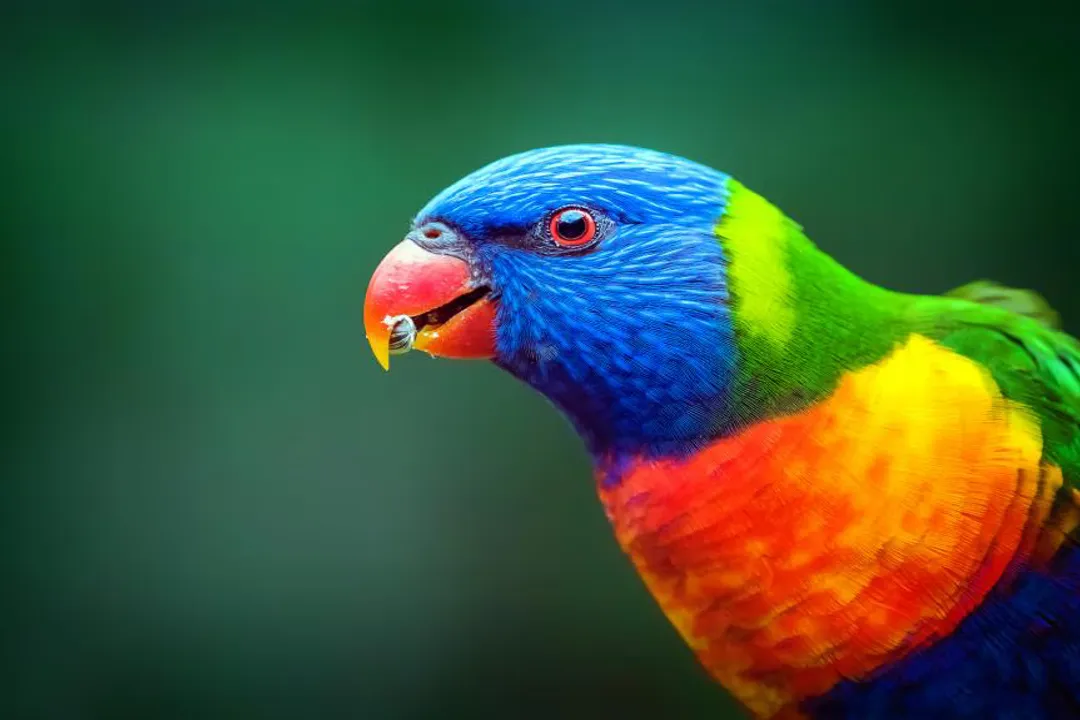
The unique nutritional profile of lorikeets sets them apart from most pet parrots, demanding a diet centered on nectar and pollen substitutes rather than the seed mixes common for other hookbills. This specialization means that when considering supplementary foods like dried fruit, we must look closely at how such processed items fit—or clash—with their delicate digestive needs. While some parrot owners may casually offer dried fruit as a treat, for a nectarivore like the lorikeet, this decision requires careful consideration of sugar content and nutrient density.
# Specialized Digestion
Lorikeets possess a specialized anatomy, often referred to as brush-tongued parrots, whose tongues are perfectly adapted to lap up nectar and pollen from flowers in the wild. [2][3] Unlike seed-eating parrots, their digestive tracts are relatively short. [3] This anatomical feature dictates that food moves through their system quickly. [3] This rapid transit time requires a diet that is naturally high in moisture. [3] When owners feed dry foods instead of the customary wet nectar mixes or fresh produce, the bird may compensate by drinking excessive amounts of water, potentially leading to either constipation or the passing of very watery droppings, neither of which reflects healthy, normal function. [4] This high-moisture requirement is a critical factor when evaluating any processed food item.
# Dried Fruit Adequacy
The direct question of feeding dried fruit is best answered by examining the processing itself. According to guidance from veterinary sources, freeze-dried or dehydrated fruits are not considered nutritionally adequate for birds like lorikeets. [3] The primary reason cited is that the process of drying results in the loss of most of the original vitamin content. [3] Since a balanced diet relies on a full spectrum of vitamins and minerals—especially given the potential for vitamin deficiencies that can alter feather color—losing these components in a treat makes the item nutritionally deficient for them. [1][3]
# Sugar Concentration Risk
Lorikeets thrive on diets that mimic the high sugar content of natural nectar, but this sweetness must come packaged with appropriate fiber and moisture levels, often through formulated liquid mixes or fresh fruit purees. [1][3] Dried fruit inherently concentrates the sugars present in its fresh counterpart. For example, consider a small raisin; it holds the equivalent concentrated sugar profile of several fresh grapes, dramatically altering the intended nutrient balance of a single treat serving meant to be offered alongside a balanced nectar base. [1] While commercial nectar substitutes are high in sugar, they are formulated with necessary vitamins and are meant to be replaced frequently—sometimes within just a couple of hours of mixing—to prevent dangerous bacterial or yeast growth. [2][3] A piece of dried fruit, while not inherently spoiling immediately like a wet mix, contributes a dense hit of readily available energy that can imbalance the bird's overall caloric intake if given regularly.
# Iron Storage Concern
A significant health consideration unique to lories and lorikeets is their predisposition to hemochromatosis, or iron storage disease. [2][3] This condition involves iron depositing in the liver and heart muscle, leading to severe complications. [2] Because of this sensitivity, owners are specifically warned to avoid or offer only small quantities of fruits and vegetables that are naturally high in iron. [2][3]
Fresh examples of fruits to approach with caution include strawberries and grapes. [2][3] When these fruits are dried, their sugar content intensifies, and while the iron content might not increase proportionally to the sugar, the overall impact on a diet already designed to be low in iron becomes more pronounced. If one were to offer a dried version of a higher-iron fruit, it would be prudent for the owner to meticulously calculate how that small, dense item fits into the strict low-iron guidelines they must already follow for their bird's main fresh food offerings. [1][3] It is much simpler and safer to stick to the veterinarian-recommended, low-iron fresh produce options like carrots, sweet potato, or melon. [1][2]
# Establishing a Base Diet
Understanding why dried fruit is discouraged is easier when one understands the foundation of a healthy lorikeet diet. The core of their nutrition should be a high-quality, commercially available nectar or pollen substitute mixed with water, or a specialized, low-iron pelleted diet. [2][3] The wet mix should be prepared fresh daily and removed promptly to avoid spoilage. [3]
Fresh food serves as a supplement, not the primary source of nutrition. [1] Excellent additions include orange vegetables such as carrots, pumpkin, and sweet potato, alongside items like apples, broccoli, celery, mango, and pears. [1] These fresh items should also be discarded after a few hours if uneaten, as they spoil quickly and can introduce harmful bacteria or yeast. [1][3] It’s important that fruits and vegetables do not become the major component of the diet, as wild fruit has a higher concentration of protein and fiber, which helps slow food transit time and aids in the protein uptake that lorikeets struggle with otherwise. [1]
# Safe Treat Alternatives
If an owner wishes to provide a treat or use food items for training, there are better, safer options than dried fruit. The primary aim should be to reinforce the natural, high-moisture diet.
- Fresh, Prepared Treats: Offer small, bite-sized pieces of safe, low-iron fresh fruit or vegetables. [2] You can even use a tiny portion of a fresh fruit puree mixed into their wet nectar substitute as a special reward. [3]
- Using Pellets as Training Aids: While a pelleted diet should complement the nectar base (not replace it), some dry lorikeet pellets can be useful as training treats when offered in very small quantities alongside a proper diet. [4] This allows for positive reinforcement without introducing the sugar/moisture imbalance associated with dried fruit.
- Native Foraging: If possible and appropriate for the bird's environment, offering native, flowering branches like eucalyptus or bottle brush provides enrichment and a connection to their natural foraging habits. [1]
In summary, while dried fruit is not explicitly listed among the toxic items like seeds, chocolate, caffeine, or alcohol, the consensus points away from its use. [2][3] The loss of vitamins during dehydration makes them nutritionally inadequate, and the concentration of sugar presents an unnecessary dietary challenge to a species already adapted to a highly specific, moist food source. [3][4] For the well-being of your lorikeet, prioritize fresh, low-iron produce and commercially prepared, species-specific nectar or pellets.
Related Questions
#Citations
Feeding Lories and Lorikeets - VCA Animal Hospitals
The Lorikeet Diet - BirdTricks
[PDF] Feeding your lorikeet | Inner South Vet
Lory and Lorikeet Care Sheet - PetMD