Can Cockapoo be left alone?

The prospect of leaving a Cockapoo home alone can cause a flutter of worry for any owner. These intelligent, affectionate companions, known for inheriting the best traits from their Poodle and Cocker Spaniel heritage, thrive on interaction and connection. Their desire to be near their people means that simply asking "Can they be left alone?" needs a nuanced answer that considers the dog's age, individual temperament, and the steps taken to prepare them for solitude. Simply put, while a well-adjusted adult can manage several hours, leaving any dog alone is dependent on careful management and training, not just breed tolerance.
# Age Considerations
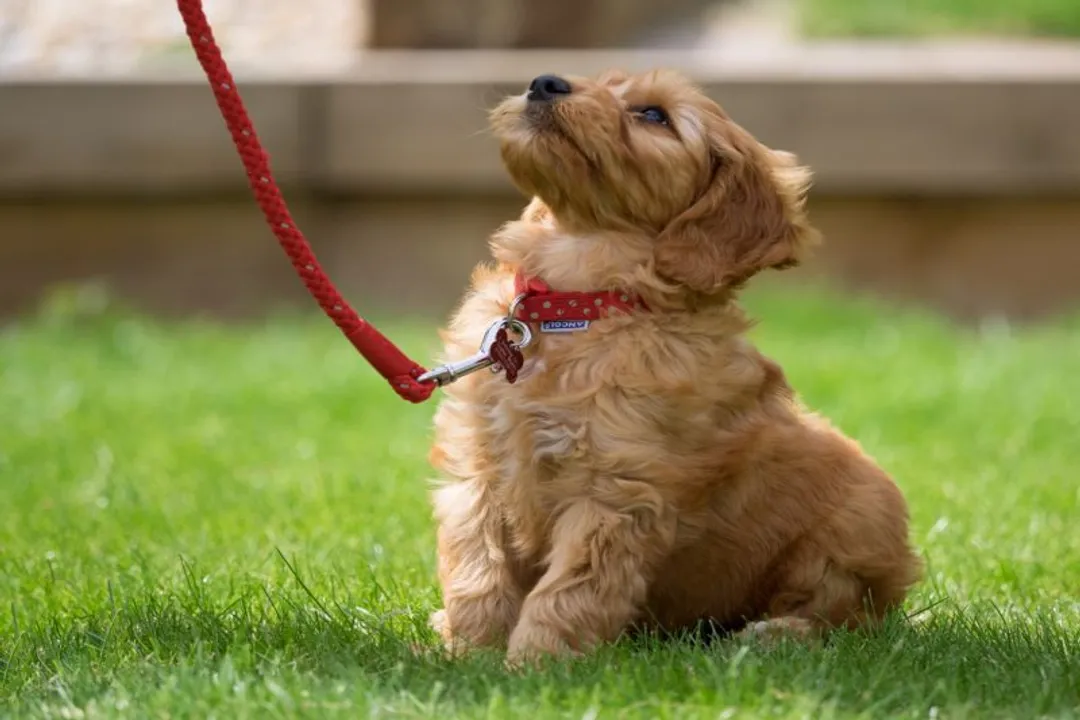
The age of your Cockapoo significantly impacts how long they can comfortably and safely be left by themselves. Puppies, by nature, require much more frequent attention, not only for house-training but also for crucial socialization and managing their inherent need for stimulation.
# Puppy Requirements
For very young Cockapoos, the primary concern is often physical. A puppy cannot physically hold its bladder for extended periods. While specific bladder control timelines vary, the general rule of thumb suggests a puppy can typically hold it for their age in months, plus one, up to a maximum of about five or six hours. Beyond the need to eliminate, young dogs are extremely susceptible to developing negative associations with being left alone, which can quickly spiral into genuine separation anxiety if not handled gently. They require frequent check-ins, play, and reassurance during these formative weeks.
# Adult Tolerance
Once a Cockapoo matures, their physical needs stabilize, but their emotional need for companionship remains high. Many owners report their adult Cockapoos managing well for standard workdays, though this is often cited as the upper limit. For an adult, anything approaching eight hours straight might be pushing their comfort level, leading to stress or destructive behavior, particularly if they lack sufficient exercise beforehand. A realistic window for an unaltered adult dog, assuming they are well-exercised and settled, is generally considered to be up to four or five hours before a break becomes necessary or highly advisable.
| Dog Age Group | Primary Concern | Recommended Maximum Time (Without Break) |
|---|---|---|
| Puppy (Under 6 Months) | Bladder control, socialization | 2–4 Hours |
| Adolescent (6–18 Months) | Building routine, establishing independence | 4–6 Hours |
| Adult (18+ Months) | Emotional well-being, exercise requirements | 4–8 Hours (Lower is better) |
# Recognizing Distress Signals
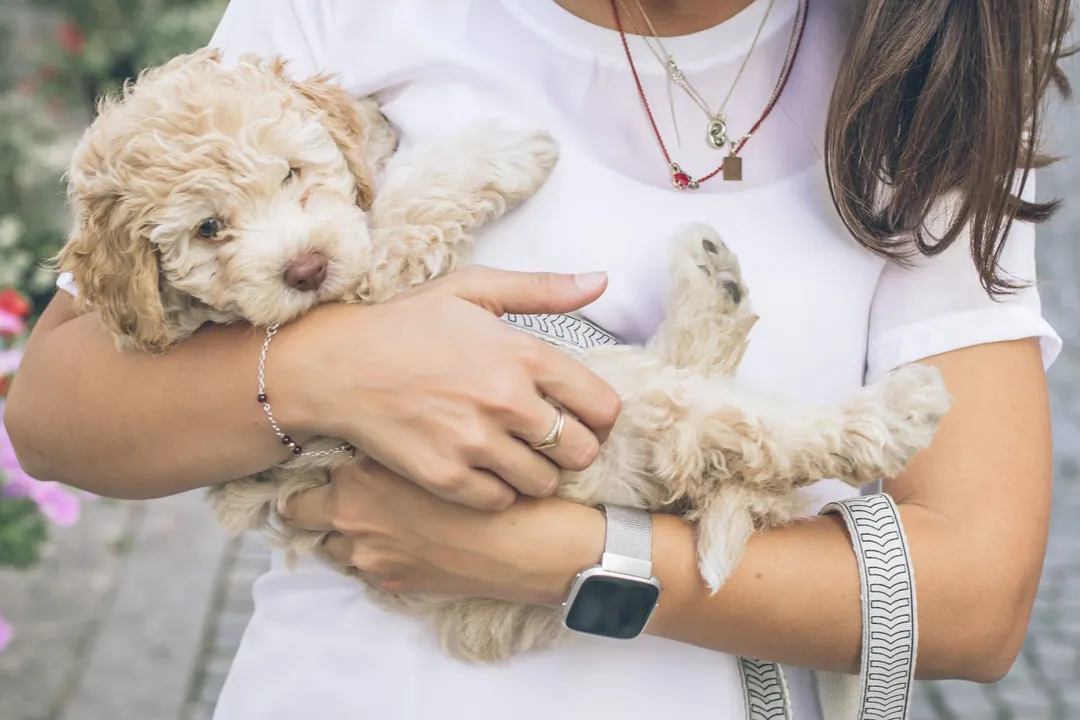
Cockapoos are often described as Velcro dogs, eager to please and highly attached to their families. If the period of being left alone exceeds their emotional capacity, they will show signs of distress, which can range from mild boredom to clinical separation anxiety. Recognizing these subtle cues is essential for knowing when you are pushing their limits.
Signs often include destructive chewing, particularly around exit points like doors or windows, excessive vocalization such as persistent barking or howling, and, frequently, house soiling even if the dog is otherwise reliably house-trained. A dog that paces excessively or refuses to settle in their crate or designated safe space upon your departure is also signaling unhappiness, not just restlessness. It is crucial to differentiate between simple boredom—which might be solved with a puzzle toy—and true anxiety, where the dog exhibits panic behaviors even when given adequate enrichment.
If you notice any of these behaviors spiking only in the window after you leave and before you return, this strongly suggests isolation distress is occurring.
# Acclimation Training Methods
Successfully leaving a Cockapoo alone relies heavily on proactive training that teaches them that solitude is normal and safe, rather than scary or unexpected. This desensitization process must be gradual and positive.
# Low-Key Departures
One of the most effective strategies involves managing your departure and arrival cues. If your dog gets agitated the moment you pick up your keys or put on your coat, these actions have become predictors of separation. To combat this, owners should perform departure rituals randomly throughout the day when they are not leaving. Pick up the keys, put them down, and sit back on the couch. Put on your jacket, walk to the door, open it slightly, close it, and remove the jacket. This breaks the association between the cue and the isolation.
When you do leave, keep the departure itself as boring as possible—no lengthy, emotional goodbyes, as this reinforces the idea that leaving is a significant, sad event.
# Building Independence
Introducing short periods of separation while you are still present is the foundation of this training. Start with just a minute or two, stepping into another room and closing the door, returning before the dog starts to panic. Gradually increase this time, always returning while the dog is calm. Use a safe, comfortable den—like a crate, if properly introduced and never used for punishment—or a dog-proofed room as their dedicated calm space.
When planning your routine, consider structuring your time away to align with what the dog can realistically manage psychologically. If you have a dog that panics after 30 minutes, a 6-hour workday is impossible without intervention. For instance, if your typical workday is eight hours, but your dog can only handle four hours, planning for a mid-day dog walker or a neighbor to provide a toilet and play break becomes a necessity, rather than a luxury, to prevent severe stress.
# Enrichment Strategies
A Cockapoo left alone needs more than just quiet time; they need engagement to occupy their active minds. Simply leaving them with a favorite chew toy often isn't enough if they are already prone to anxiety, but it is a baseline requirement for healthy solitude.
# Mental Engagement Tools
Think about tools that require sustained focus. Frozen food-stuffed KONGs, LickiMats smeared with dog-safe yogurt or peanut butter, or puzzle toys that dispense kibble slowly are excellent for redirecting chewing energy and occupying mental space. The goal is to create a positive association with your exit—the moment you leave, the amazing treat appears. The treat should only be available during these alone times to maintain its high value.
# Environmental Setup
Ensure the environment is safe, comfortable, and stimulating. If the dog is crate trained, the crate should feel like a secure den, stocked with safe comfort items. If they have free roam of a secure area, provide visual interest—perhaps a window perch to watch safe, non-stressful outdoor activity, or soft, calming music playing quietly. Avoid leaving on the television, as unpredictable sounds can sometimes increase anxiety rather than soothe it.
If you are preparing for longer absences, consider investing in a pet camera. Being able to watch your Cockapoo allows you to verify if they settle down after you leave or if they engage in persistent stress behaviors. This firsthand data is invaluable in tailoring your training schedule, offering concrete evidence of their tolerance level that general guidelines cannot provide.
# Managing Extended Absences
When life requires you to be away for a standard workday or longer, a blanket policy of leaving the Cockapoo alone is detrimental to their well-being and your relationship with them. These dogs are bred to be companions, and consistent, long stretches of isolation are difficult for the breed standard.
# Midday Interventions
For workdays exceeding five or six hours, a break is critical. This can be achieved through several avenues:
- Dog Walker: Hiring a professional to come for a 30-minute walk, potty break, and quick play session breaks up the day, relieves physical pressure, and provides necessary social interaction.
- Trusted Friend/Neighbor: If you have someone reliable nearby, arranging for them to pop in for a quick potty break and a cuddle can be a lifesaver.
- Doggy Daycare: For dogs who thrive in social settings, one or two days a week at a reputable daycare can meet their high social needs, leaving them content and tired for the days they stay home.
When scheduling these breaks, be aware that the time spent with the visitor should not coincide with your return. If the walker comes at 1 PM and you get home at 5 PM, the dog should ideally have a second brief check-in or, at minimum, a high-value enrichment activity waiting for the latter half of the day to manage the transition back to solitude.
# The Routine Check
Before you leave for a long stretch, ensure the dog's physical needs are completely met. A tired dog is a calmer dog. This means a vigorous walk or a solid play session before you put on your coat. A good pre-departure routine might look like this: thirty minutes of intense fetch or a long sniffy walk, five minutes of quiet puzzle feeding, followed by a brief, calm farewell before leaving. If the dog is physically satisfied, they are much more likely to settle into a nap or their enrichment activity rather than looking for trouble.
Related Questions
#Citations
How long can a Cockapoo realistically be left alone for? - Reddit
How long can an adult cockapoo stay alone?
Evening everyone! We are seriously considering buying a cockapoo
Cockapoo Separation Anxiety: Prevention & Management Tips
Helping Your Cockapoo With Separation Anxiety
Cockapoo Separation Anxiety: Prevention & Management Tips
Leaving dogs whilst at work – Chat Forum
I am wondering if a cockapoo can stay home alone. I recently spoke ...
Cockapoo Dog Breed Guide: Care and Training | BorrowMyDoggy