Is Keeshond high maintenance?
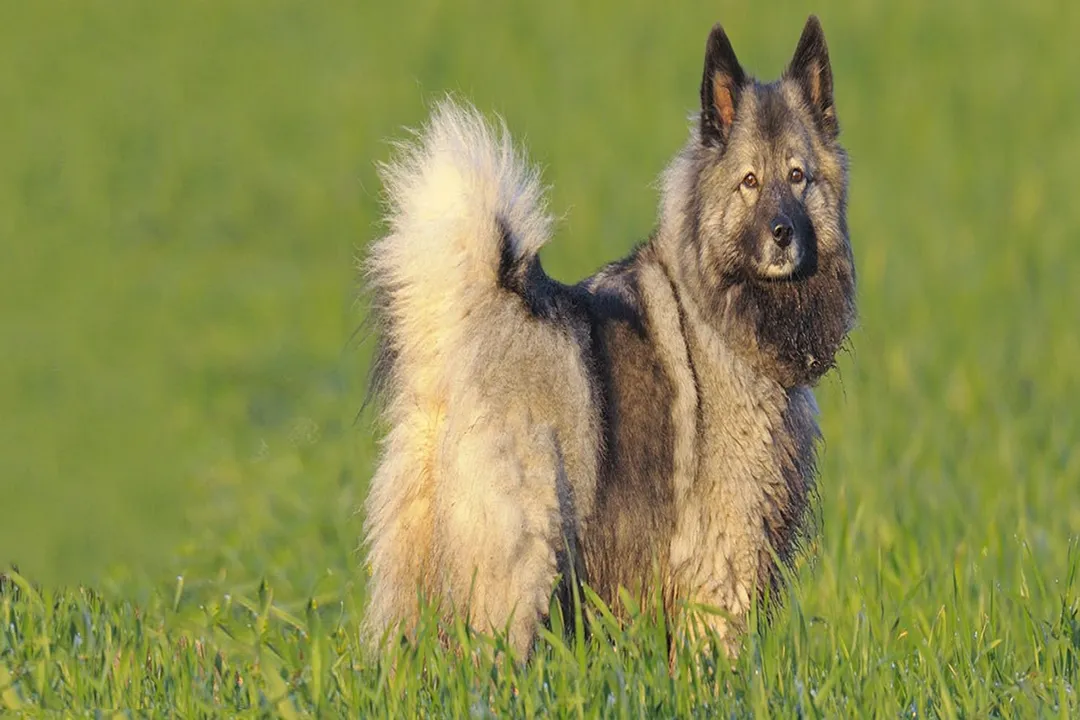
The Keeshond, often recognized by its magnificent, thick coat and perpetual "smiling" expression, presents a complex answer when trying to determine if it qualifies as a high-maintenance breed. The reality is that their maintenance commitment isn't spread evenly; instead, it tends to cluster intensely in one specific area while remaining relatively moderate in others. If your primary concern is weekly dedicated grooming time, the answer leans toward yes. However, if you are looking for a companion that doesn't require hours of intense daily exercise, they might surprise you.
# Coat Care
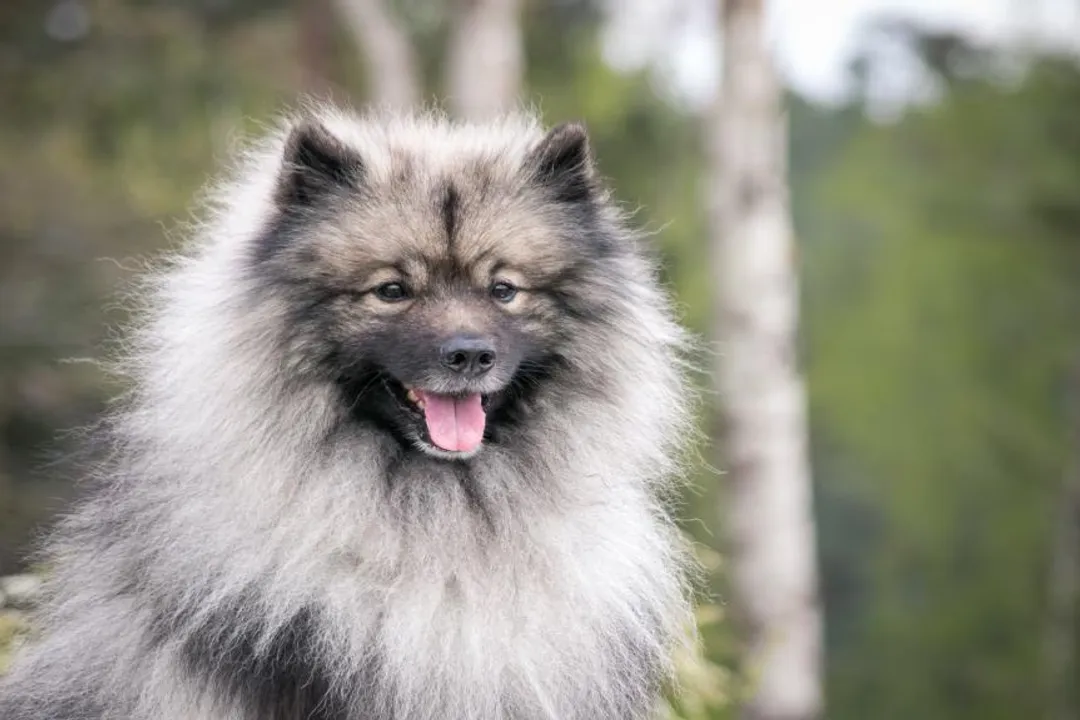
The most significant factor dictating the maintenance level of the Keeshond is undoubtedly their abundant double coat. This plush exterior is designed to protect them from harsh weather, stemming from their history as companions and watchdogs on Dutch vessels. The coat consists of a soft, woolly undercoat and a long, straight outer coat.
Grooming requirements are substantial due to this heavy layering. Owners need to commit to brushing the dog several times a week to prevent matting, which can become painful and lead to skin issues. For many breeds with long hair, brushing a couple of times a week might suffice for moderate shedding, but the Keeshond's dense structure demands more consistent attention, perhaps requiring three to four focused sessions weekly to keep the undercoat manageable. While many owners find that a thorough brushing session every other day keeps tangles at bay, those accustomed to short-haired breeds, such as a Beagle or a Boxer, will find this commitment significantly higher.
Shedding patterns also impact maintenance. Keeshonden are notorious seasonal "blowers," meaning they shed heavily twice a year when they drop their entire undercoat. During these periods, daily brushing becomes almost mandatory to keep the loose fur out of the house and prevent the dog from overheating or developing hot spots. Some owners find that investing in a quality de-shedding tool, used frequently during these seasonal changes, is essential for managing the sheer volume of hair released. You might find yourself vacuuming more frequently than you would with a non-shedding breed, though their shedding is generally seasonal rather than constant, mild shedding throughout the year. They rarely require professional clipping; keeping the coat natural and maintaining its structure through diligent brushing is key.
# Temperament Needs
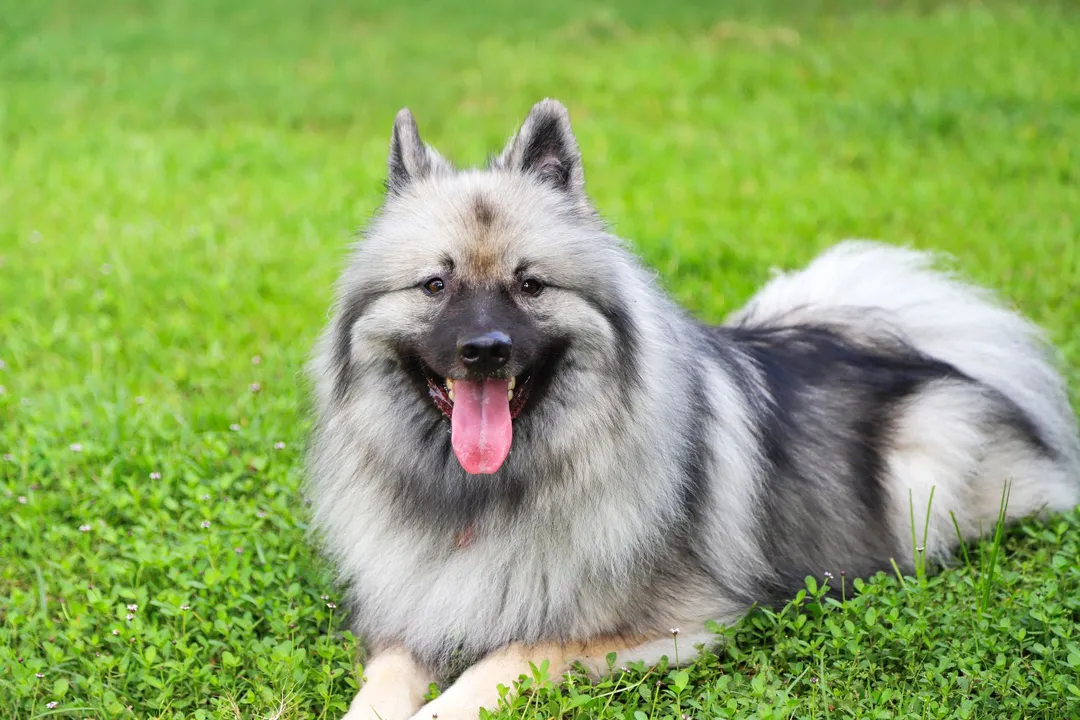
When assessing maintenance, we must also consider the mental and social upkeep required. Fortunately, the Keeshond is widely described as an amiable, friendly, and intelligent breed. This intelligence means they are relatively easy to train when positive reinforcement methods are used. They excel as companions and generally integrate well into family life.
However, their strong desire for companionship can create a maintenance challenge if their social needs are ignored. They form deep bonds with their families and can develop separation anxiety if left alone for long stretches. This isn't just about destructive behavior; it's about the emotional cost to the dog. An owner who works long hours away from home must plan for dog walkers, doggy daycare, or ensure another pet or family member is present frequently to prevent chronic stress in the Keeshond. Unlike some independent breeds that are content to nap the day away solo, the Keeshond thrives on interaction.
Another behavioral aspect to consider is their tendency to be vocal. Originating as watchdogs on barges and ships, they developed a tendency to bark to alert their owners to unusual sights or sounds. While this trait makes them excellent, if slightly overzealous, alarms, it requires consistent training from puppyhood to ensure the barking doesn't become a neighborhood issue. Managing the barking threshold is a maintenance task that requires patience and consistency, sometimes more so than managing a breed naturally inclined to be quiet.

# Exercise Requirements
Compared to some of the more demanding sporting or herding breeds, the Keeshond requires only moderate exercise. They are not the type of dog that must have an hour-long run every single day to remain content, though they certainly enjoy the opportunity. A couple of decent-length walks daily, perhaps one in the morning and one in the late afternoon, usually suffice for their physical needs.
Mental stimulation, however, pairs closely with their moderate physical needs. Because they are smart and were historically alert dogs, they enjoy having a job to do, even if that job is simple puzzle-solving. A typical exercise commitment might look like this: fifteen minutes of brisk walking in the morning, followed by twenty minutes of obedience work or playing fetch in the yard in the evening. If you are someone who loves long, strenuous hikes every weekend, this breed will happily join you, but they won't deteriorate mentally or physically if your weekend involves more relaxing activities instead. Knowing this balance—moderate physical, necessary mental engagement—means their maintenance commitment in this area is flexible, suiting many different lifestyles.
# Health and Longevity
The average lifespan for a Keeshond is between 12 and 15 years. While they are generally a healthy breed, being aware of potential issues is part of responsible, high-quality care. Some genetic conditions noted in the breed include patellar luxation (a slipping kneecap), hip dysplasia, and various eye conditions like progressive retinal atrophy.
Furthermore, due to their thick coat, skin issues are something prospective owners should monitor. Maintaining proper grooming is not just cosmetic; it prevents moisture from getting trapped near the skin, which can lead to dermatitis or secondary infections. Regular veterinary check-ups and vigilance regarding any skin redness or irritation under the dense fur are necessary maintenance steps unique to heavily coated breeds like the Keeshond.
# Final Assessment
To circle back to the initial question, whether a Keeshond is high maintenance depends entirely on what you consider "high."
If maintenance is defined by the time spent on physical upkeep: Yes, high maintenance. The coat demands dedicated attention multiple times a week, year-round, with intense seasonal work. If you skip brushing for a week, you will pay for it later.
If maintenance is defined by exercise needs and basic training: No, moderate maintenance. Their exercise demands are manageable for the average active person, and their intelligence aids in training.
If maintenance includes social and emotional demands: Moderate to high. They are prone to separation anxiety and require consistent involvement in family life, unlike very independent breeds.
Ultimately, prospective owners need to honestly assess their capacity for daily coat care. A Keeshond is a wonderful companion for someone who enjoys grooming as a bonding activity and can provide consistent companionship, rather than for someone seeking a low-fuss, easily ignored house pet. The trade-off for the luxurious coat is a regular commitment to brushing, making the coat the defining factor in their maintenance profile.
Related Questions
#Citations
Newbie Questions : r/Keeshond - Reddit
Keeshond Dog Breed Health and Care - PetMD
Keeshond: Dog Breed Characteristics & Care - The Spruce Pets
Keeshond Dog Breed Information - American Kennel Club
The amiable Keeshond is a medium-sized dog with an ample coat ...
Keeshond | VCA Animal Hospitals
Learn About Keeshond Breed - WeRescue
Keeshond Grooming Tips | How to Maintain Their Luxurious Coat
Keeshond | Dog Breed Facts and Information - Wag! Dog Walking