Are minke whales friendly?
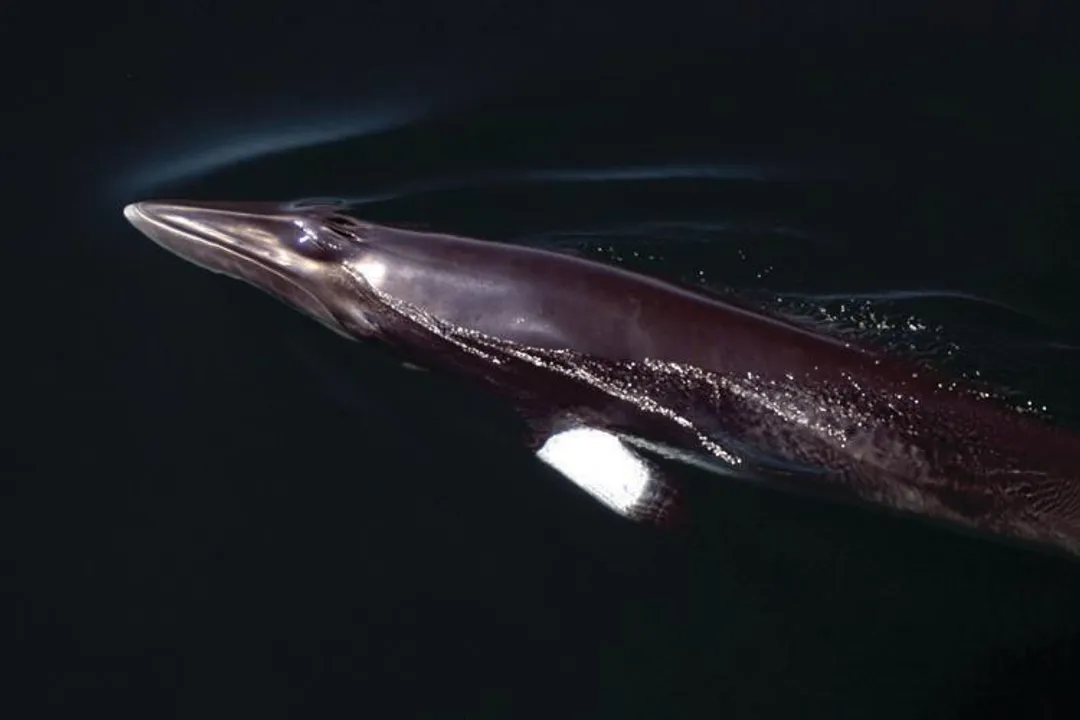
The reputation of minke whales in the marine world often revolves around an engaging, almost playful inquisitiveness, leading many people to wonder about their temperament. While attributing human emotions like "friendliness" to wild animals is complex, the evidence from close encounters suggests that minke whales possess a remarkable comfort level and curiosity around human observers, particularly in certain regions. They are not domesticated, but their behavior often invites closer inspection than many other large cetaceans.
# Whale Size
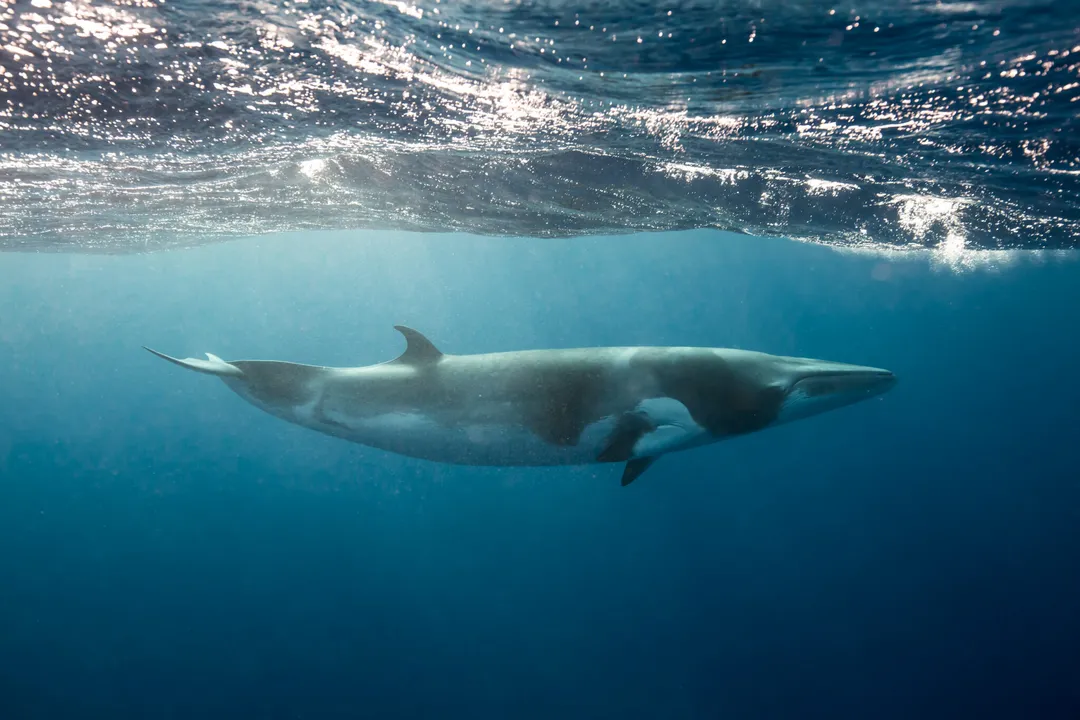
Minke whales represent a significant presence in the ocean, yet they are relatively modest compared to their baleen relatives. They are considered one of the smaller baleen whales globally, second only to the pygmy right whale in that classification. On average, an adult minke whale measures between 23 and 30 feet in length. To put that into perspective, this is roughly the length of a standard large SUV or a small school bus. They typically weigh around 10 tons. This smaller stature likely contributes to their agility and perhaps their bold approach to vessels, as they are less intimidating than giants like the blue or fin whales.
# Global Presence
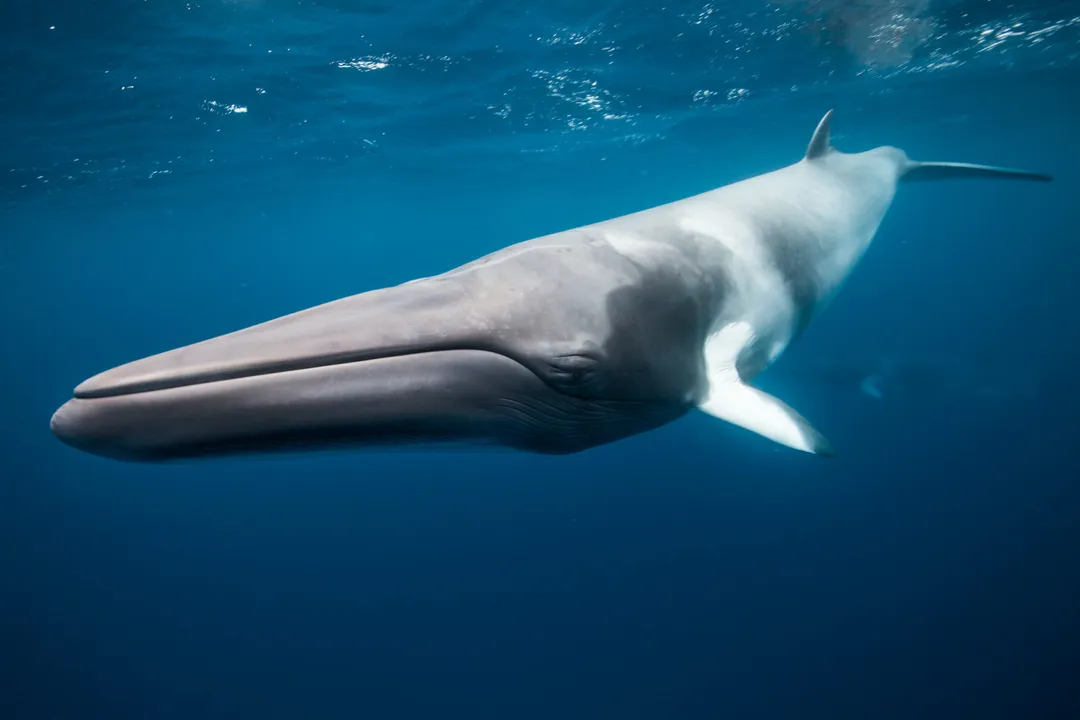
Minke whales boast a cosmopolitan distribution, meaning they are found across the world's oceans. You can locate them in both temperate and polar waters, making them a frequent, if sometimes fleeting, sight for mariners and researchers globally. This wide range indicates several subspecies or distinct populations exist across the planet. Their abundance is high; in fact, they are counted among the most abundant baleen whales worldwide. Despite their wide distribution, specific, highly interactive aggregations are localized events, which is where most of the compelling anecdotal evidence about their demeanor originates.
# Inquisitive Nature
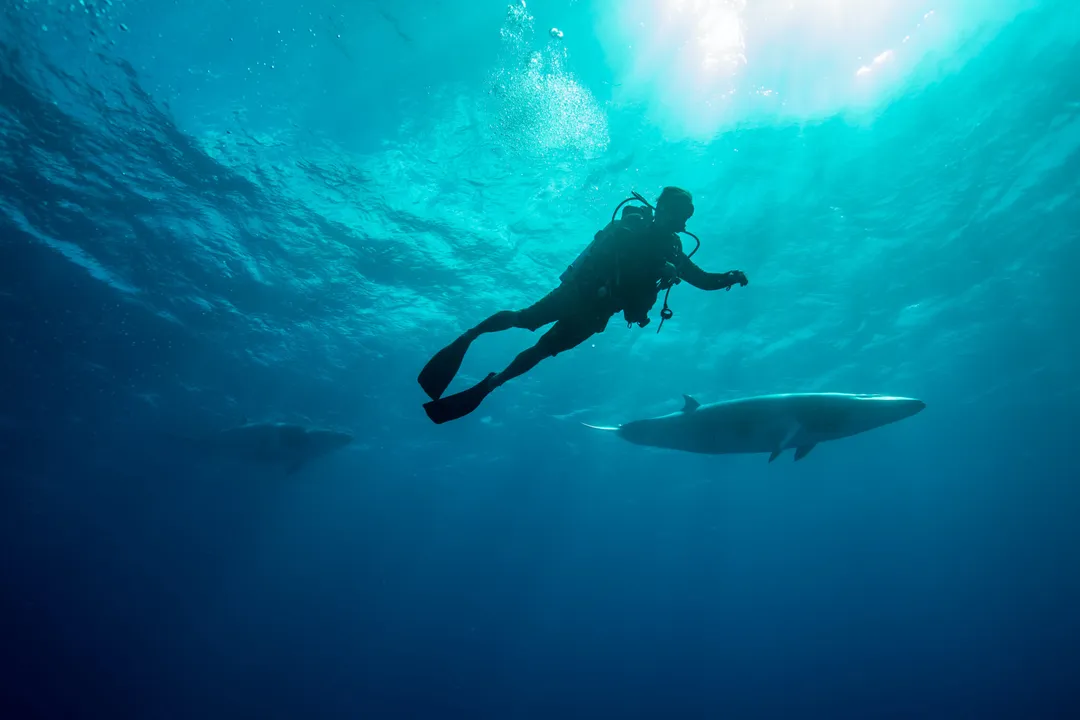
The general consensus among those who observe them, whether from a distance or in the water, is that minke whales exhibit a strong sense of curiosity. This trait manifests as a tendency to approach boats and even divers. Unlike shy species that flee from human activity, minkes frequently investigate the source of underwater noise or visual novelty. Encounters are often described as intimate and awe-inspiring experiences, suggesting the whale dictates the terms of the closeness. A diver recounting an experience noted a whale coming close and lingering, demonstrating a level of comfort that suggested more than simple passing interest. This direct investigation is the primary reason the question of their friendliness arises so often—they seem to engage rather than ignore.
# Dwarf Subspecies
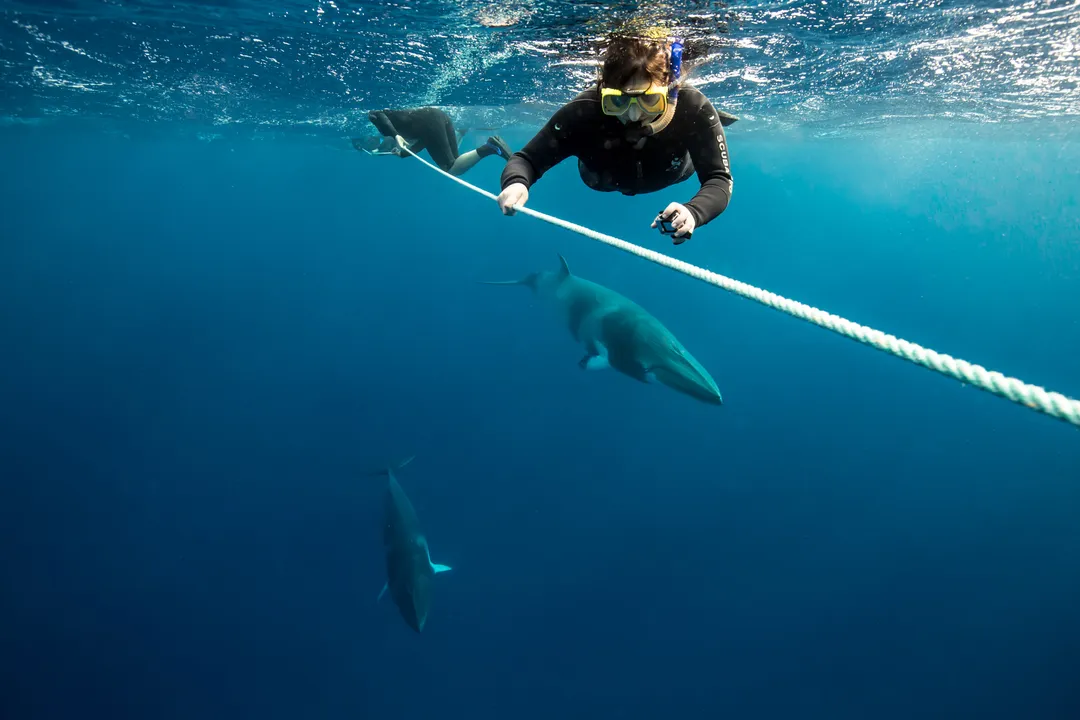
The most extraordinary examples of this inquisitive nature come from a specific population: the Dwarf Minke Whale (DMW). This group is recognized as a distinct subspecies. The aggregation point for DMWs is famously off the coast of Far Northern Queensland, specifically around the Ribbon Reefs, during the winter months, typically June and July.
What sets the DMWs apart is the reliability and intensity of their interactions. While regular minkes may approach a vessel, DMWs in this specific area have a reputation for being highly comfortable with swimmers and snorkelers, often swimming directly up to people. The tourism built around these interactions is unique because of this established, relatively predictable behavior pattern. When considering the difference between a typical minke encounter and a DMW encounter, the latter is far more characterized by active, close-range investigation of humans.
# Calm Approaches
The quality of these interactions is generally reported as calm and non-aggressive. One firsthand account detailed a minke whale approaching a boat, swimming underneath it, and seemingly observing the occupants before moving away. The witness described the interaction as very gentle and calm. This suggests that when minke whales choose to interact, their movements are deliberate and controlled, lacking the frantic energy one might associate with distress or aggression. When observing these animals in their natural habitat, especially during the specialized DMW season, the dynamic seems to be one where the whale initiates and maintains the closeness, observing the stationary or slow-moving humans from a safe, curious distance.
If you ever find yourself in the water with a curious whale, remember that the responsibility for maintaining a respectful distance rests with the human observer, regardless of the whale's approach. Because the DMWs exhibit such comfort, human operators must adhere to strict guidelines—often requiring snorkelers to remain relatively still in the water while the whale makes the decision to approach or withdraw. A helpful technique for human observers in these unique settings is to adopt a passive posture, minimizing movement and direct staring, which can be interpreted as a challenge by some wild animals. Treating their curiosity as an opportunity for scientific observation rather than personal gratification helps preserve this unique situation for future generations.
It is interesting to compare the implied risk factor: A smaller, curious whale approaching you in a controlled environment like the GBR, where protocols are established, feels vastly different from a potentially stressed, larger minke whale encountering a random boat in open ocean feeding grounds. The context of the encounter heavily shapes the perception of "friendliness".
# Legal Standing
Despite their often gentle and curious nature, minke whales are wild animals protected by law in many jurisdictions. In the United States, for instance, they fall under the protection of the Marine Mammal Protection Act (MMPA). This legal framework emphasizes that while we might feel a bond during an encounter, human interaction must be managed to prevent harassment or harm to the animals. Globally, the IUCN lists the species as Least Concern, acknowledging their high numbers, but specific populations still face serious threats, including entanglement in fishing gear and collisions with ships. Understanding their protected status is vital context for any interaction; their inquisitiveness does not equate to domestication or a lack of wildness.
# Interaction Comparison
To better understand the species' temperament, differentiating between the general Balaenoptera acutorostrata (Common Minke Whale) and the Dwarf Minke Whale subspecies is useful for potential observers.
| Feature | Common Minke Whale | Dwarf Minke Whale (DMW) |
|---|---|---|
| Distribution | Global, temperate to polar waters | Primarily associated with specific feeding/mating aggregations, e.g., Great Barrier Reef |
| Interaction Level | Known to be curious, often approach boats | Exhibits highly inquisitive and interactive behavior with swimmers/snorkelers |
| Size | Averages 23–30 feet | Generally smaller (implied by name and context) |
This comparison highlights that the degree of interaction observed varies significantly by subspecies and location. The DMW phenomenon represents an outlier in whale behavior—a recognized, seasonal aggregation where close interaction is almost expected, making them seem significantly more "friendly" than their more widely dispersed cousins who may only passively observe a passing vessel. However, even for the DMWs, the interaction is always on their terms, making a predictable experience possible only through strict adherence to wildlife tourism guidelines. The ultimate takeaway is that while they display strong curiosity, that curiosity is best met with respectful distance and passive observation, acknowledging their status as powerful wild creatures.
Related Questions
#Citations
Minke Whale Encounter : r/scuba - Reddit
How to Swim with Minke Whales in Australia
Minke Whale: Conservation & Management - NOAA Fisheries
Wildlife Guide: Minke Whale Facts - Quark Expeditions
Minke Whale Facts: The Little Giants of the Ocean
Minke Whales: The World's Best Places for Watching and Swimming
Minke Whales - 7 Seas Whale Watch
16 facts about dwarf minke whales that you didn't know - Queensland
Minke whales in Cape Cod Bay, MA - Facebook