Do minke whales have predators?
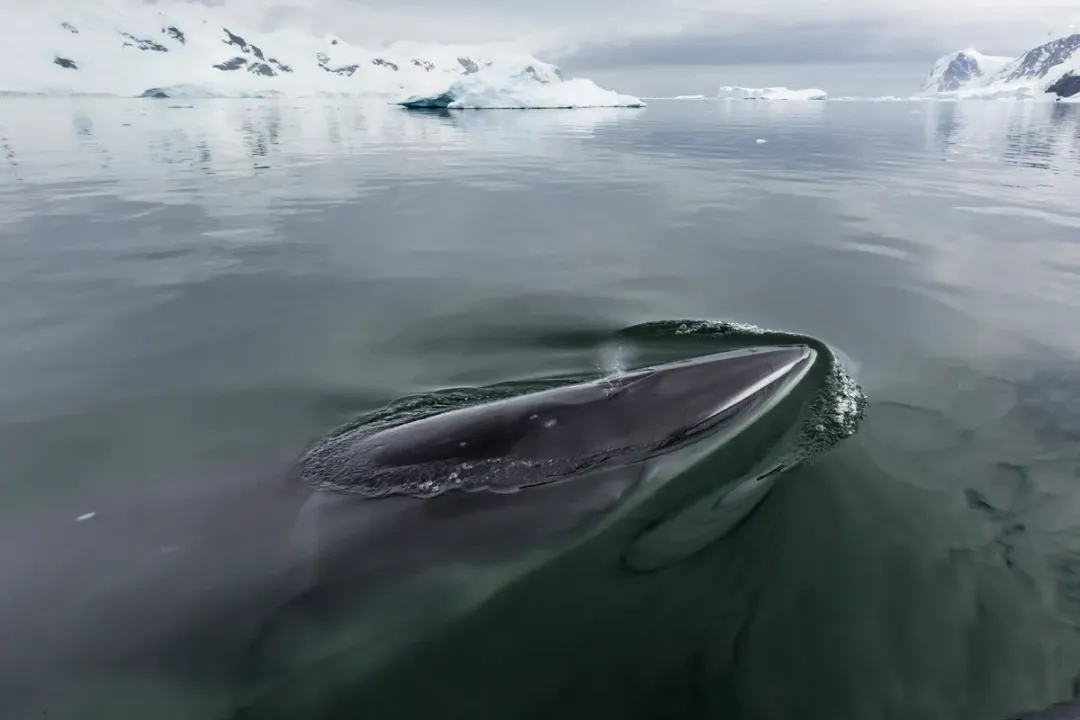
The question of what creatures might challenge the relatively small minke whale in the vastness of the ocean quickly leads to a clear answer: its most formidable adversary is another celebrated resident of the marine world—the killer whale, or orca. As the smallest of the baleen whales, the minke possesses a certain vulnerability that larger cetaceans might avoid, making it a known target for these powerful apex predators.
# Apex Hunter
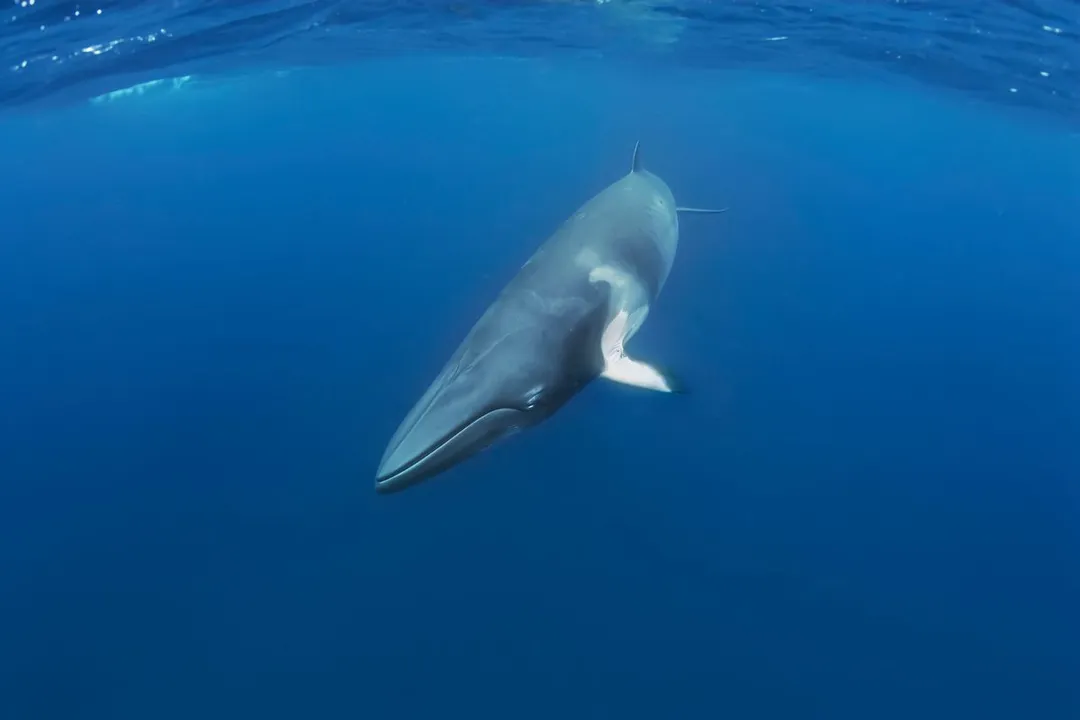
The documentation confirming killer whales as the primary natural predator of minke whales is extensive and crosses geographical boundaries, applying to both the northern Common Minke Whale and its southern counterpart, the Antarctic Minke Whale. Research dating back to the mid-1970s provided stark evidence; a study of 49 killer whale stomachs revealed that a staggering 84% contained evidence of minke whale consumption. This indicates a regular and significant dietary component for some orca populations.
In the Antarctic, where the Southern minke whale is found, orcas are known to hunt in packs, coordinating attacks that can bring down both juveniles and, on occasion, mature adults. When an attack is successful, forensic examination of the carcasses reveals a specific preference: killer whales have been noted to target the minke’s tongue and lower jaw. This specific focus suggests a calculated approach to securing the most calorie-dense or easiest-to-access parts of the prey, rather than random feeding.
It is interesting to note that while the Antarctic minke whale population is classified by the IUCN as Near Threatened, largely due to historical whaling pressure, the Common Minke Whale is listed as Least Concern globally. This difference in status hints at local ecological pressures; while human activity has been a massive factor historically, the constant threat from orcas remains a baseline ecological pressure that keeps minkes naturally vigilant.
# Evasion Tactics
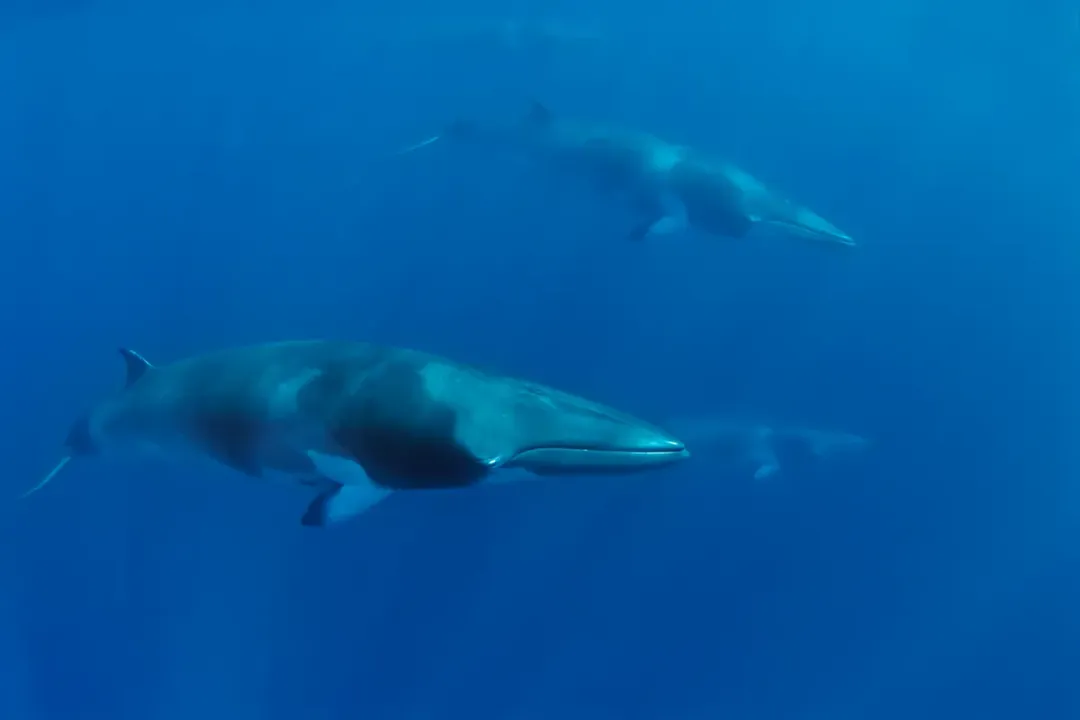
Faced with such a specialized and coordinated threat, the minke whale has evolved a singular primary defense strategy: pure escape. They rely almost entirely on their speed and maneuverability, as physical retaliation against a coordinated pod of orcas is simply not an observed or effective countermeasure.
Minke whales are renowned for being the fastest swimmers among the baleen whales. They can achieve bursts of speed up to 20 knots (37 km/h; 23 mph), maintaining these high rates for extended periods. While killer whales are capable of tremendous initial speed, the minke's endurance can allow it to outdistance its pursuers over longer chases. Furthermore, some research suggests a fascinating potential acoustic advantage. Minke whales appear to hear best in a frequency range around 32 kHz, which overlaps with the very frequencies killer whales use for echolocation when hunting. This auditory overlap might provide the minke with an early warning system, alerting them to the hunter’s presence just as they begin their evasion.
Considering this dynamic, the success of an escape often becomes a finely tuned race against time and distance. If the chase leads into open ocean, the minke has room to employ its speed advantage. However, in situations where the chase inadvertently forces the whale into shallow or confined coastal waters, their options narrow significantly. There are documented, though unsuccessful, instances of minkes attempting to hide beneath the hull of a ship to end a high-speed pursuit—a desperate maneuver that highlights the effectiveness of the orca's pursuit when escape routes are limited.
When considering the hunting tactics of orcas, it’s worth reflecting that the type of orca matters immensely. In regions like the Salish Sea, for instance, the presence of transient (or Bigg's) killer whales—ecotypes known for preying on marine mammals—places local minke populations under much higher scrutiny than in areas where resident orcas, which primarily consume fish, dominate. This local context shapes the day-to-day risk profile for a minke whale more than a simple species-to-species threat assessment might suggest.
# Speed vs. Endurance
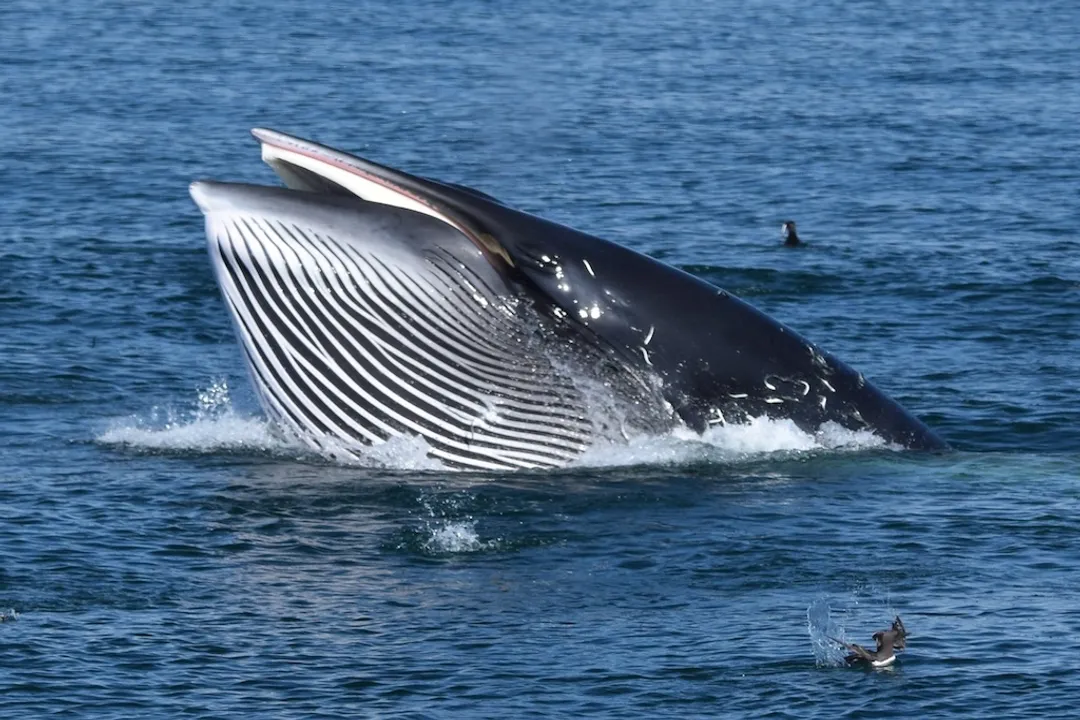
The reliance on speed leads to an interesting point of comparison in the pursuit of marine prey. While the blue whale is orders of magnitude larger and slower to accelerate, the minke whale’s defense is tailored for its specific size class. A minke is generally about 8 to 9 meters long and weighs around 8 to 9 tonnes. This smaller stature, relative to the largest baleen whales, makes sustained high-speed swimming a feasible primary tactic. If we look at the energy expenditure, the minke's ability to maintain high speeds for periods exceeding 15 to 20 minutes—the estimated maximum dive time when evading a predator—suggests an efficient anaerobic capacity tailored for life on the edge. This capacity for endurance, rather than sheer power, is the defining characteristic of their anti-predator arsenal against the orca.
# Threats Beyond Fangs
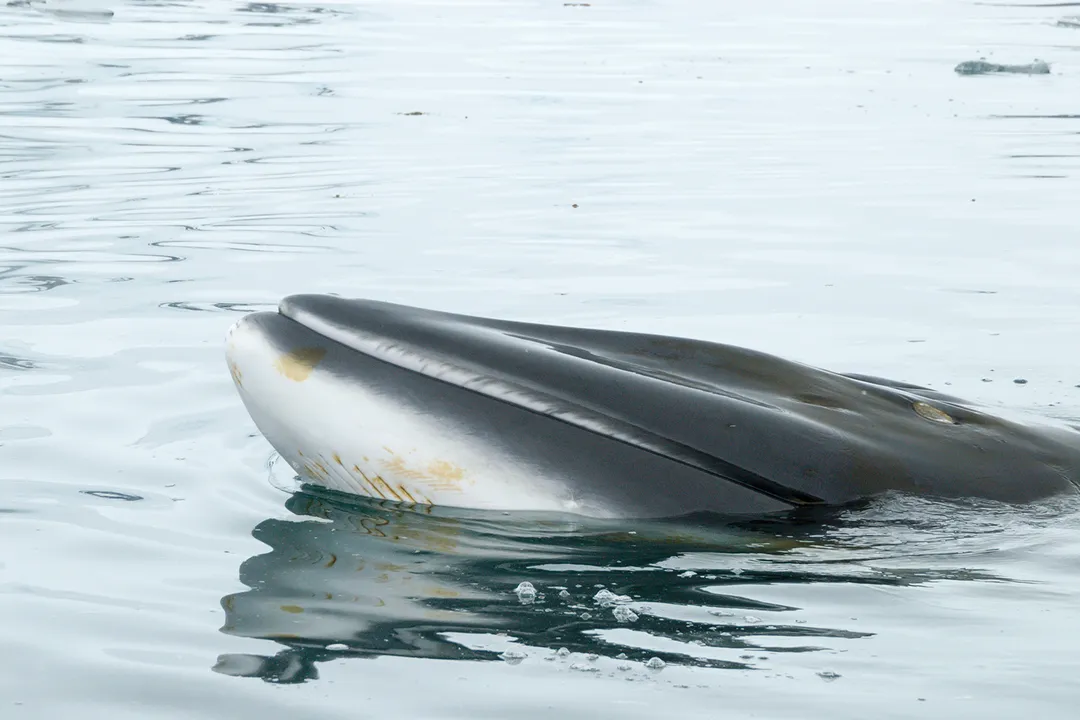
While the killer whale holds the title for the only natural predator mentioned in current literature, the reality for modern minke whales is that human activities present a pervasive and significant array of hazards that frequently result in injury or death. These anthropogenic factors demand equal attention when assessing the species' overall survival outlook.
One of the most historically devastating threats has been commercial and so-called "research" whaling. Although the 1986 moratorium drastically reduced large-scale hunting, specific nations have continued to target minkes for meat, sometimes under scientific permits that critics argue mask commercial intent. For example, Japan's historical activities in the Antarctic, and continued whaling in the North Pacific, have resulted in significant losses, with Southern minke whales being a particular focus for whalers when larger species were depleted. This targeted hunting, even if reduced, represents a systematic, organized predation pressure far exceeding what is exerted by natural predators.
In the coastal feeding grounds frequented by common minkes, the environment is increasingly complicated by human infrastructure and activity. Vessel strikes have become a notable cause of death in areas like the Salish Sea off the U.S. West Coast. In fact, recent stranding reports in that region include two documented fatalities from ship strikes in just two years (2022 and 2024). Because carcasses often sink and cannot be examined, these recorded incidents are considered only a fraction of the true mortality rate. Compounding this is the danger posed by entanglement in fishing gear, which can cause severe injury or death.
Finally, there is the growing concern over noise pollution. As minkes rely on sound for communication—producing distinct vocalizations like "boings" and "grunts"—the constant underwater din from commercial shipping and sonar may interfere with their ability to coordinate, locate food, and perhaps even detect predators like echolocating orcas. While less immediately visible than a physical attack, this sensory disruption can stress the animals and hinder vital survival behaviors.
In summary, while the majestic killer whale remains the minke’s sole biological antagonist, the minke whale navigates a modern ocean filled with threats that are arguably more consistent and widespread, ranging from targeted hunting to collateral damage from vessel traffic and escalating underwater noise. Their survival success, evidenced by the healthy global status of the common species, is a testament to their speed and evasiveness, but it is a continuous effort against both natural and human-made dangers.
Related Questions
#Citations
Minke whale - Wikipedia
Minke whales in the Salish Sea | Encyclopedia of Puget Sound
Discover the ocean creature that slices through our waters at 35 km/h
Minke Whale | Antarctica Wildlife - SA Vacations
Antarctic minke whale - Whale & Dolphin Conservation USA
[PDF] Minke Whale - Alaska Department of Fish and Game
Wildlife Guide: Minke Whale Facts - Quark Expeditions
Northern (or common) minke whale - WWF