Are Eurasian bullfinches friendly?
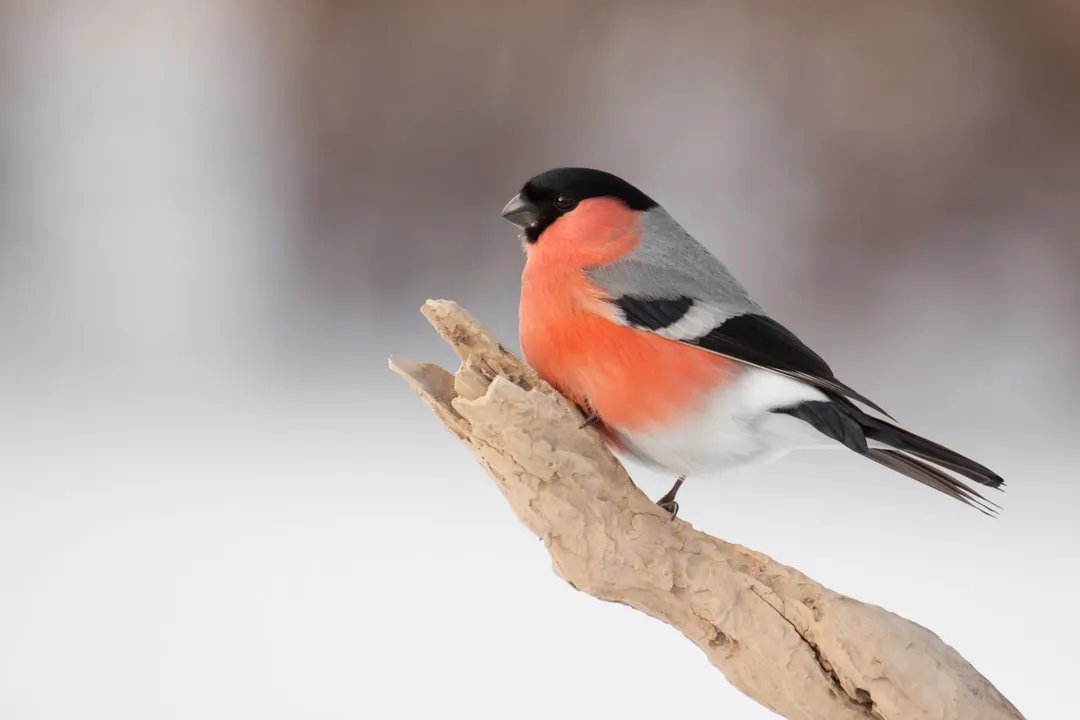
The Eurasian bullfinch, with its striking colouration, often prompts wonder and curiosity from garden visitors and birdwatchers alike. The initial reaction when spotting a male—with that unmistakable rosy-red chest and dark cap—is usually one of delight, quickly followed by the practical question: Are these birds friendly? The answer is layered, reflecting a natural wild caution balanced against learned dependency and individual temperament. They are not a species known for immediate approachability in the way some smaller tits or robins might be, but neither are they entirely avoidant. [1][7]
# Distinctive Look
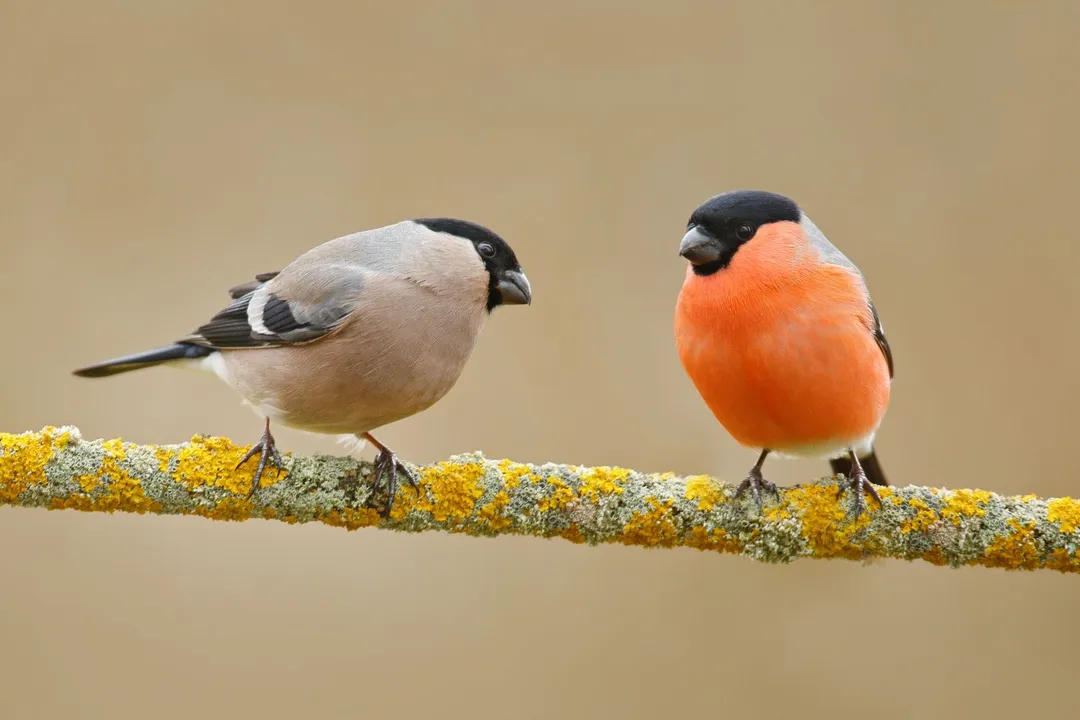
To understand their behaviour, recognizing the species is key. The male bullfinch is instantly identifiable by its bright pink or reddish underparts, contrasting sharply with a black cap and grey back. [1][5][6] Females are more subdued, displaying buff or brownish-grey underparts instead of the vibrant red. [1][5] They possess a very stocky build for a finch, characterized by a notably thick, powerful bill—a specialized tool perfectly suited for their primary diet: eating seeds and, famously, fruit buds. [1][5] This heavy-duty bill sets them apart visually and hints at their powerful foraging style. [6]
# Wild Disposition
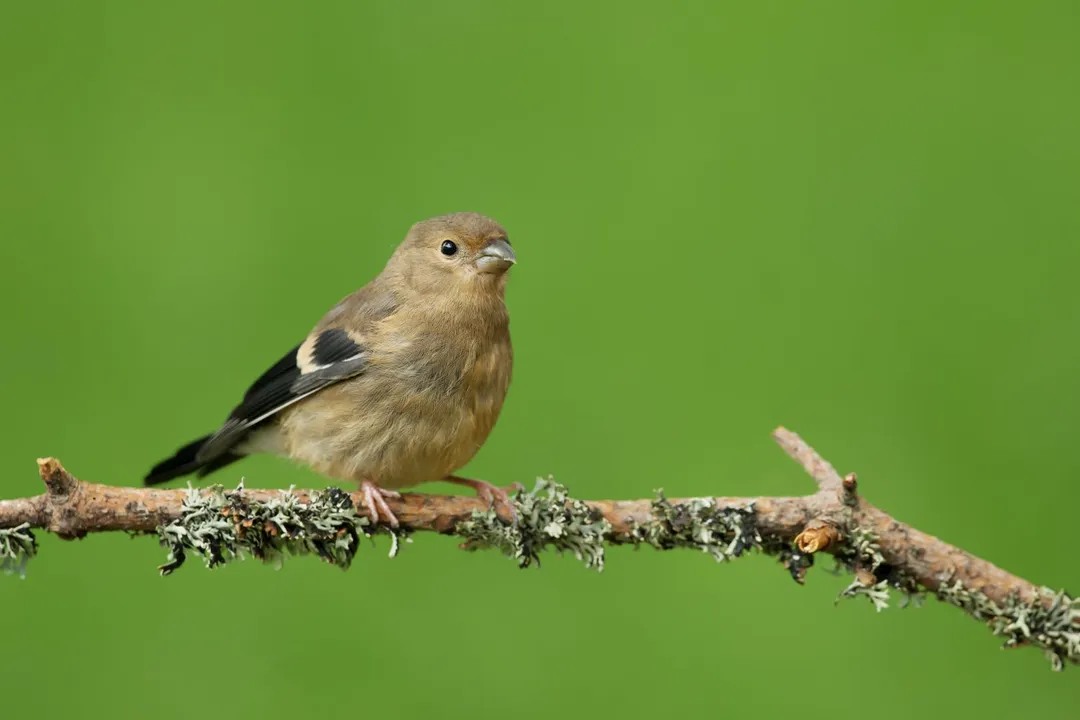
In their typical, undisturbed state across their range in Europe and temperate Asia, Eurasian bullfinches are generally considered rather shy birds. [1][7] They inhabit woodland edges, thickets, parks, and gardens, preferring areas that offer dense cover where they can forage somewhat secretly. [5][6] While they may travel in small, loose flocks or pairs outside the breeding season, they are not typically loud or gregarious feeders that demand attention. [7] Their behaviour often involves quietly stripping seeds or pulling buds from branches, sometimes remaining still for long periods, making them easy to overlook despite their bright colours. [7] This inherent wariness suggests a strong survival instinct guiding their interactions with potential threats, including humans. [1]

# Feeding Patterns
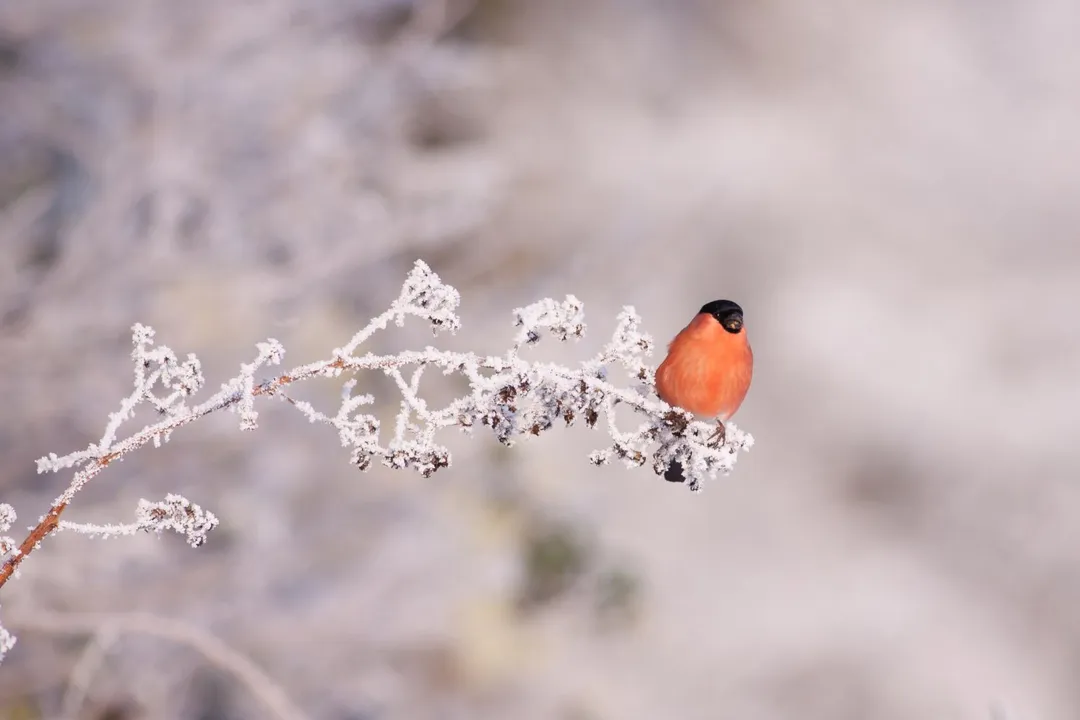
The most significant factor influencing how "friendly" a bullfinch appears to a human observer is almost always the availability of food. [6] While they consume seeds, berries, and small insects, they are well-known for feeding heavily on the buds of trees and shrubs, particularly during winter and early spring. [5] This reliance on buds means that when natural supplies are scarce, they become much more frequent visitors to garden bird feeders offering sunflower seeds or suet. [1][6]
If you are hoping for a close encounter, understanding their seasonal feeding pressure is key; during harsh winters or early spring when natural buds are just forming, their presence at feeders becomes more consistent, indicating a temporary dependence that increases approachability, unlike mid-summer when natural food is abundant and they scatter more readily. This transactional relationship means their boldness is often conditional on the reliability of the human-provided buffet. [6]
# Human Proximity
Despite their general shyness, documented interactions suggest that bullfinches are perfectly capable of overcoming their wild caution, often resulting in surprisingly close encounters. [2][4] These instances are usually anecdotal, shared through local birding groups or social media, and often involve habituation over time or specific environmental circumstances.
For example, reports surface occasionally of bullfinches showing extreme tameness, sometimes sitting on a person’s hand or window ledge, suggesting they have learned to associate the human figure with a positive outcome—food. [2] One observation noted a bird that had clearly collided with a window, requiring temporary care; even in that stressed state, the bird was documented as being hand-fed before being released back into the wild. [4] These individual cases demonstrate that the species can become tame, even if the average wild bird will not immediately trust a human approaching it. [7] They do not exhibit the instant, fearless boldness of certain captive-bred birds, but rather a slow, calculated assessment of risk versus reward before closing the distance. [1]
# Understanding Interaction
When observing a wild bullfinch, you are seeing a bird that likely weighs the risk of approaching a feeder against the energy cost of finding natural forage. They are generally less gregarious at feeders than species like chaffinches or tits, often feeding quickly and retreating back to cover. [1]
To increase the chances of friendly interaction, focus on creating a reliable, safe feeding station away from high-traffic human activity initially. Providing food rich in fat and seeds during the colder months is the best approach. Unlike birds that feed in large, noisy flocks, bullfinches often appear singly or in quiet pairs. Observing where they perch before feeding—often a nearby, slightly concealed branch—allows you to gauge their comfort level before they commit to the feeder itself. This subtle surveillance behaviour precedes a bold move towards the food source, providing a clear indication of their current level of trust.
# Regional Visibility
The visibility and apparent tameness of the bullfinch can also vary geographically. In areas where garden feeding is less common or where natural habitats are extremely dense and undisturbed, encounters may be rarer and the birds inherently more reserved. [5] Conversely, in well-established suburban gardens across the UK and continental Europe that maintain consistent feeding stations year-round, individuals that regularly use these resources are more likely to become habituated to human movement nearby. [5][6] Their presence is closely linked to the availability of the specific food items they seek, meaning a gardener who prioritizes fruit trees and suitable seed mixes will likely see them more often than someone who only puts out peanuts. [1]
Ultimately, if "friendly" means instantly tame and accepting of close proximity without conditioning, the Eurasian bullfinch is not it. If "friendly" means a species whose natural wariness can be overcome through consistent, positive association, then yes, they can certainly become accustomed visitors to your space. [7] Patience remains the most vital tool for any admirer hoping to move beyond a distant glimpse to a close, quiet observation.
Related Questions
#Citations
Eurasian Bullfinch Bird Facts - A-Z Animals
Eurasian bullfinch bird description and characteristics - Facebook
What type of bird is this? It was on my front porch and i have never ...
Eurasian bullfinch - Wikipedia
Bullfinch: female, song, nest & more - Garden birds - Plantura Magazin
Bullfinch - Nature-watching Diaries
Living with Birds 21 Facts on Bullfinch Tweetapedia