Are doxiepoos rare?

The notion of a dog breed being truly "rare" is complex, especially when discussing intentional designer crosses like the Doxiepoo. A Doxiepoo, the affectionate mix of a Dachshund and a Poodle (typically Miniature or Toy), certainly holds a special status distinct from established purebreds. While they are highly sought after for their charming looks and spirited temperaments, whether they qualify as rare depends heavily on how one measures canine populations: by historical lineage, official recognition, or current market availability. They are a modern phenomenon, which immediately sets them apart from breeds that have existed for centuries, but their increasing presence in popular culture and rescue settings complicates a simple "yes" or "no" answer to their scarcity.
# Breed Genesis
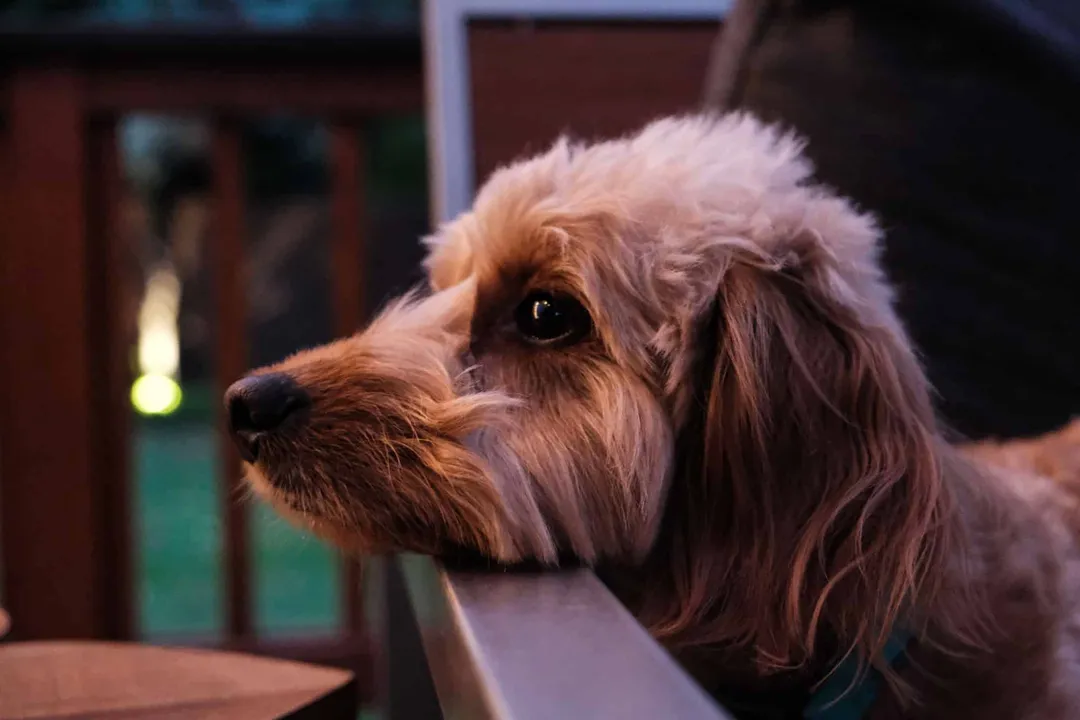
The Doxiepoo’s existence is intrinsically linked to the broader "doodle" craze, which took off in earnest after the introduction of the Labradoodle, often traced back to the 1980s, with Poodle mixes becoming widely popular in the 1990s. The Doxiepoo is one of the newer additions to this hybridization trend, generally appearing on the designer dog scene around the early 2000s. This recent origin is a primary factor in why they are not commonplace. Unlike a Golden Retriever or a German Shepherd, which have decades, if not centuries, of established breeding history and standardized populations, the Doxiepoo is barely a quarter-century old as an intentionally bred cross.
This recency means that the breed has not had time to establish a large, globally recognized population or set breeding standards through major kennel clubs, as they remain a hybrid. Therefore, in the historical sense of established purebreds, the Doxiepoo is rare simply because it is new.
# Hybrid Status Rarity
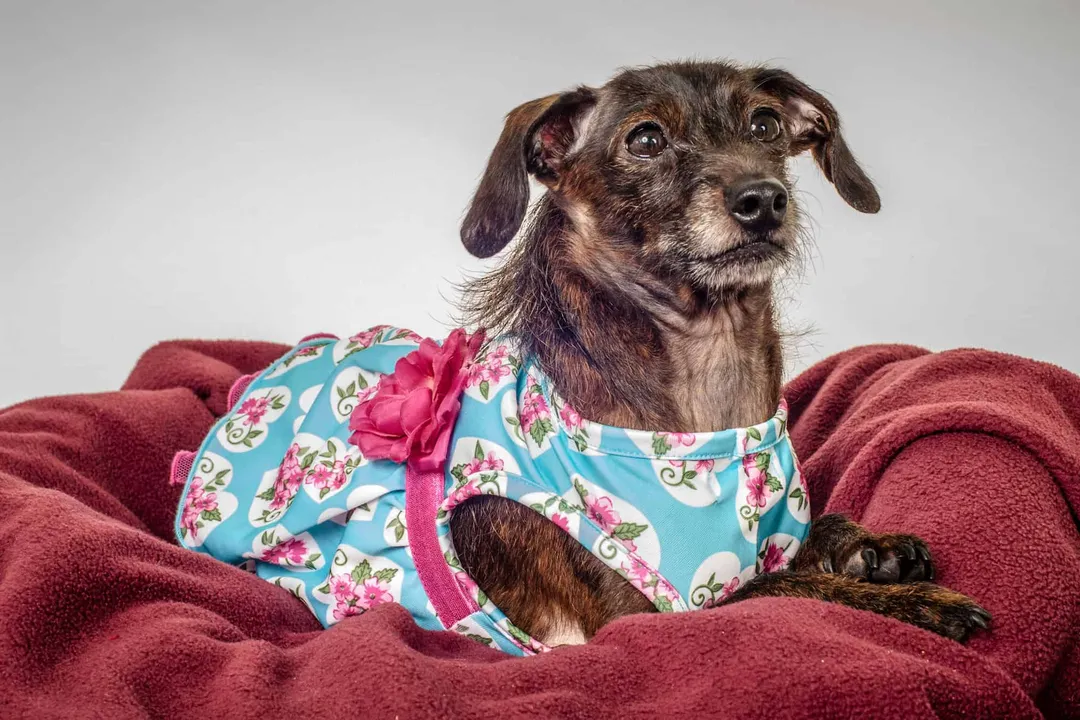
The very nature of the Doxiepoo contributes to a unique kind of rarity stemming from unpredictability. Most Doxiepoos encountered today are first-generation (F1) crosses, meaning they are a direct pairing of a purebred Dachshund and a purebred Poodle. Attempts to cross two Doxiepoos together to create a second generation (F2) or subsequent generations are far less common.
This F1 status is key to their variability. Because the parent breeds—the long, low Dachshund and the curly-coated, intelligent Poodle—have very different body structures and coat types, the resulting puppies show a wide spectrum of physical traits. A Doxiepoo might inherit the elongated torso and shorter legs of the Dachshund or lean toward the more balanced, petite build of the Poodle. Similarly, the coat can be curly, wavy, or even relatively straight, impacting everything from grooming needs to hypoallergenic qualities.
This genetic lottery means there is no standard look or size. While some hybrids aim to fix or standardize traits, the Doxiepoo often remains defined by its variety. In this sense, they are rare compared to standardized purebreds because every individual Doxiepoo is somewhat unique, making "the Doxiepoo" less of a fixed entity and more of a genetic possibility. One source indicates a wide weight range, for example, spanning from as little as 5 pounds up to 30 pounds, depending on the parents used. This wide variance is something owners must prepare for.

# Market Presence Availability
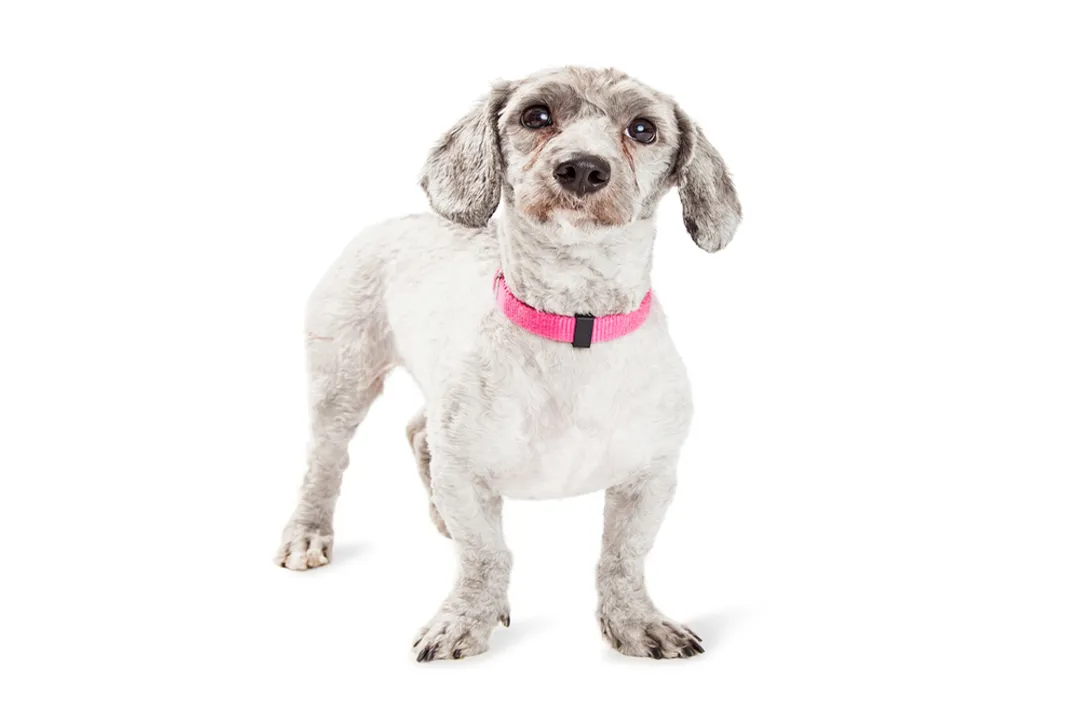
When assessing market presence, the Doxiepoo sits in an interesting middle ground. While one account labels them "one of the rarest hybrids you can find on the market," suggesting scarcity for the dedicated seeker, others note that they are quite popular and can be found periodically through breeders specializing in Dachshund mixes or even through rescue organizations.
The issue of pricing offers a telling glimpse into their market maturity. While one source suggests an average price around 250, which might imply a relatively common or easy-to-produce dog, another source places the average price between \1,000 and \1,400. This massive discrepancy in expected cost speaks volumes about the current state of Doxiepoo breeding. A price point near \250 often suggests backyard breeding or a highly saturated local market, whereas prices closer to $1,000 usually indicate breeders who invest in health screening and early socialization—or those capitalizing on the "designer" label. Genuine rarity often correlates with consistently high, stable pricing set by established practices, which has yet to fully solidify for the Doxiepoo.
The fact that they appear in rescues suggests that, despite being a newer cross, they have been produced in sufficient numbers that the market has met, or perhaps slightly exceeded, the demand from some owners. This availability in rehoming situations contrasts sharply with the rarity associated with a genuinely scarce or almost-extinct purebred line.
# The Rarity Paradox
The perception of rarity in a designer dog often hinges more on marketing and association than actual population size or heritage. The Doxiepoo is marketed as an adorable, intelligent, low-shedding companion, inheriting desirable traits from the Poodle. Because they are touted as a "rare designer dog," this designation may encourage more breeders to produce them, thereby reducing their actual scarcity over time.
Consider the sheer volume of Poodle mixes available. The Doxiepoo competes in a crowded field, sharing popularity markers with dogs like the Maltipoo, Schnoodle, and Cavapoo. While they may be less common than the widely advertised Goldendoodle, they are not so unique that finding one requires years of searching. The paradox here is that the desire for something perceived as novel drives its production, simultaneously making it less rare.
If we view rarity through the lens of breed dedication, the Doxiepoo is arguably less "rarely bred" than a true preservation breed. The breeding community conversation surrounding doodles often highlights that many breeders cross Poodles with other breeds simply because the resulting "doodle" sells, without the goal of establishing a fixed, predictable standard. A dedicated preservation breeder works to protect an ancient or endangered purebred line, which is a different endeavor than creating a new, continually variable crossbreed. The Doxiepoo's primary goal is companionship, not adhering to a strict standard, which keeps it in a different category than breeds truly facing extinction.
# Comparison Context
To understand the Doxiepoo's status, it helps to look at its peers in the Poodle-mix universe. Sources mention several other Poodle crosses, such as the Havapoo, Maltipoo, and Schnoodle. While the Doxiepoo possesses the low-shedding potential from the Poodle, the Dachshund influence introduces physical traits—like the elongated back—that are less common in mixes involving breeds with more proportional builds. The need to manage the Dachshund’s propensity for Intervertebral Disc Disease (IVDD) adds a layer of care distinct from, say, a mix with a Labrador or Golden Retriever parent. This specific combination of a hunting scent hound and a water retriever/companion creates a unique package that, while increasingly popular, is still less frequently encountered than the major "doodle" lines.
# Health Implications Breeding
The question of rarity is also silently addressed by ethical considerations in breeding. The potential health risks, particularly spinal issues inherited from the Dachshund, are a major point of discussion among serious dog enthusiasts. Responsible breeding involves extensive health testing on parent stock for conditions like IVDD, patellar luxation, and eye problems.
When breeders, even those transitioning from other lines, express interest in the Doxiepoo, the response from established breeding communities often centers on the potential for unethical practices, noting that reputable Poodle breeders may discourage using their dogs for doodle crosses. If reputable, health-testing breeders choose not to pursue the Doxiepoo due to the inherent structural conflict (long back + Poodle genetics), then the ethically produced, healthy Doxiepoo remains rarer than the general population of mixes that might lack comprehensive screening. This self-regulation or avoidance by top-tier breeders indirectly keeps the number of high-quality Doxiepoos from exploding, maintaining a sense of exclusivity for those who seek properly vetted pups.
# Final Status
Ultimately, the Doxiepoo is not rare in the way a nearly extinct native landrace or ancient breed is. They are readily available through hybrid breeders and increasingly via rescue networks. However, they are rare in the context of being an unstandardized, relatively new cross whose genetic variability means their predictable traits are scarce. An owner seeking a Doxiepoo that perfectly balances the Poodle's coat with the Dachshund's personality, while also being guaranteed to have passed rigorous health clearances for both parent lines, is seeking something much harder to find than a simple mixed-breed puppy advertised cheaply. Their standing is best described as newly popular rather than historically rare, but the guarantee of quality in this young hybrid line is what remains the truly scarce commodity.
Related Questions
#Citations
Doxiepoo | Dog Breed Facts and Information - Wag! Dog Walking
Doxiepoo - TOP 10 Interesting Facts - rocadog
Doxiepoo? : r/DogBreeding - Reddit
Doxiepoo Dog Breed Information and Characteristics - Daily Paws
Doxiepoo Dog Breed Complete Guide - A-Z Animals
Doxiepoo Dogs Breed - Information, Temperament, Size & Price
Doxie Poo (Dachshund & Poodle Mix): Info, Pictures, Care & More