Yorkiepoo Evolution
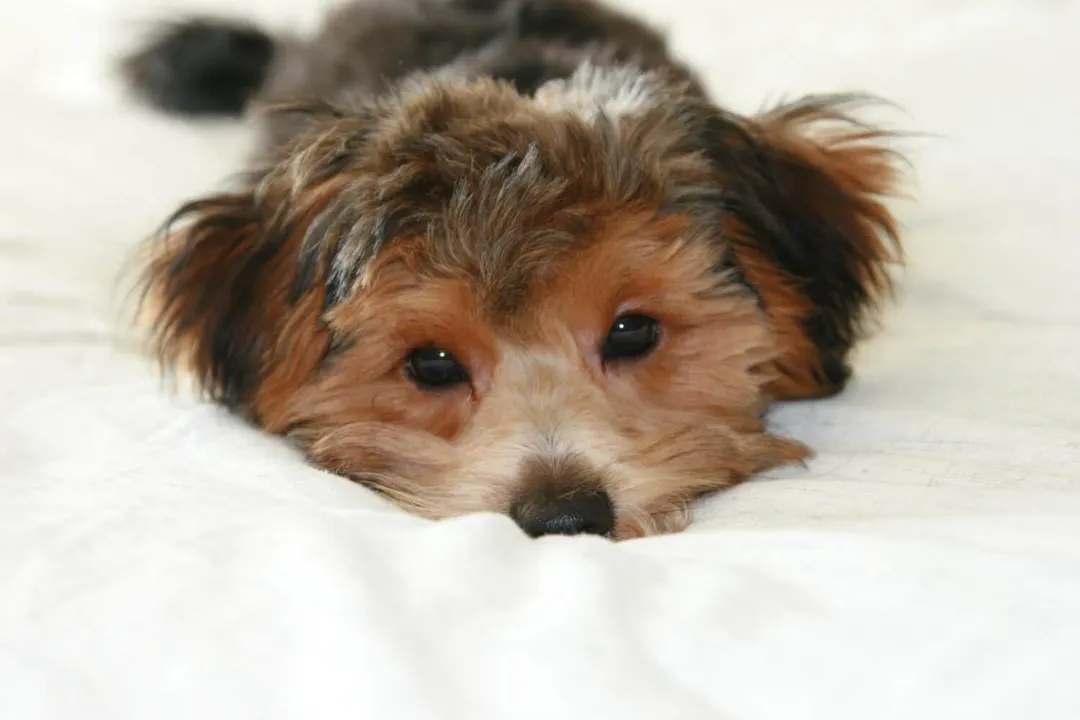
The Yorkiepoo, a charming crossbreed blending the spirited Yorkshire Terrier and the intelligent Poodle, represents a relatively recent chapter in the story of designer dogs. This mix emerged from the popular trend of pairing small breeds with Poodles to achieve a low-shedding coat, often resulting in a compact companion dog well-suited for apartment living. Understanding the Yorkiepoo's evolution means tracing how the distinct traits of its parent breeds have combined and what owners can expect from this intentional pairing over the dog's lifetime.
# Hybrid Origins
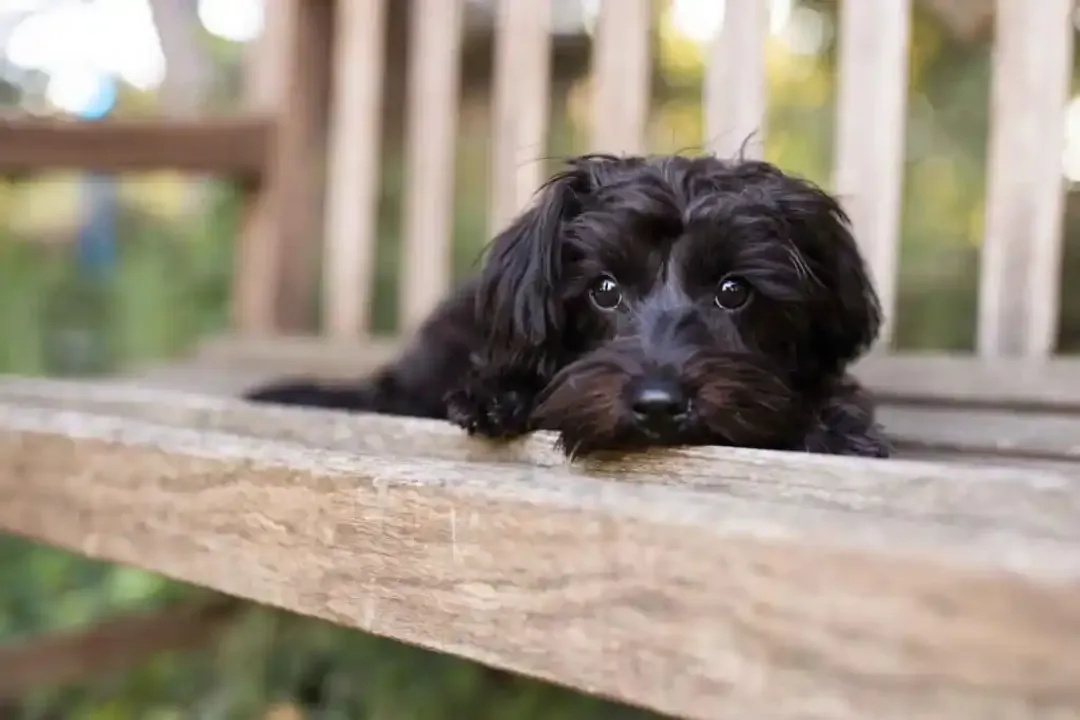
The genesis of the Yorkiepoo is rooted in the desire for a hypoallergenic companion with a big personality packed into a small frame. The Yorkshire Terrier brings a history as a feisty, confident terrier, originally bred to catch rats in mills and mines in Victorian England. This tenacious spirit is often softened by the infusion of Poodle genetics, which usually lend a higher degree of trainability and a gentler demeanor. The Poodle side, tracing its roots back to Germany as a water retriever, contributes superior intelligence and often a non-shedding coat.
When breeders combine these two, the resulting characteristics are a game of genetic chance. A Yorkiepoo may lean more heavily toward the bold, independent streak of the Yorkie or the eager-to-please, sensitive nature of the Poodle. This variability in temperament is a key aspect of the breed's development; it isn't a standardized breed with predictable traits but rather a mix where the blend is often unique to each litter and individual dog. For prospective owners, this means that understanding the parent pair's individual personalities is often more informative than generalized breed descriptions.
One key observation for new owners looking at these mixes is that because both parent breeds are small, the resulting size variation in the offspring tends to be less dramatic than in mixes involving larger breeds. While predictions are never guaranteed, the adult weight is generally confined to a smaller range, making early estimation of care needs, like crate size or food portions, somewhat more reliable than with, say, a Goldendoodle.
# Growth Milestones
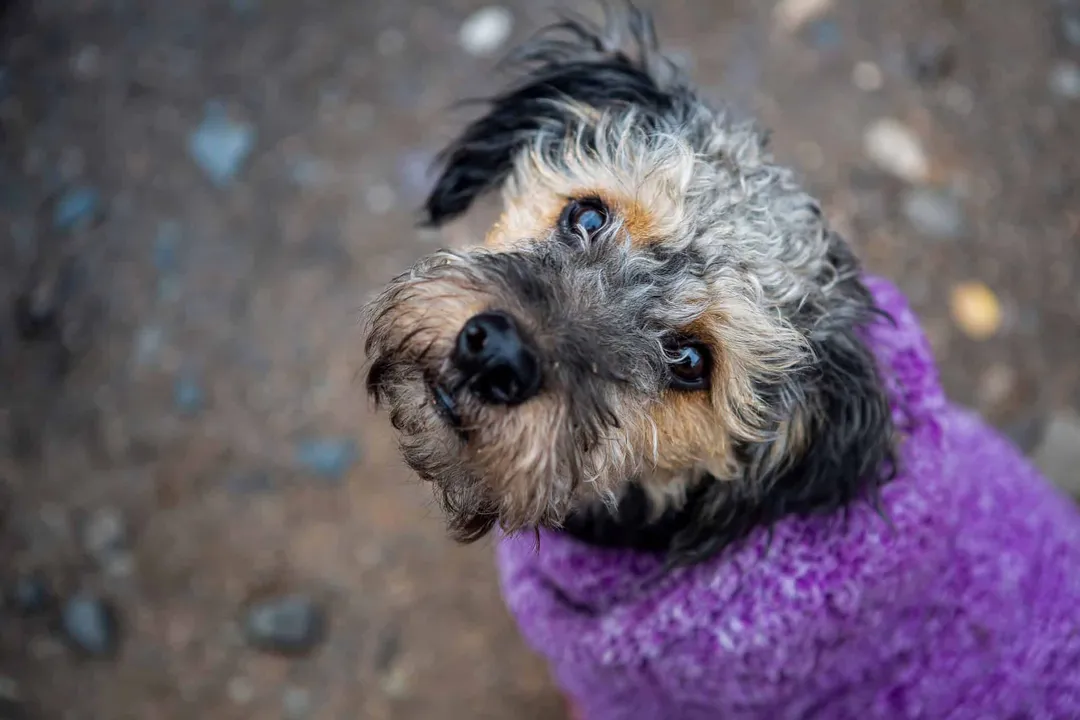
The size of a Yorkiepoo is one of its most defining features, heavily influenced by whether the Poodle parent was a Miniature or a Toy variety. Generally, these dogs are categorized as small. Adult weights typically fall between 4 to 7 pounds, with some individuals reaching up to 10 pounds depending on the exact genetic contribution. Height often ranges from 7 to 10 inches tall at the shoulder.
The growth phase for a Yorkiepoo is relatively quick compared to larger breeds. Most of their growth, in terms of height and bone structure, is completed within the first 6 to 9 months.
| Age Milestone | Approximate Weight Range (lbs) | Developmental Note |
|---|---|---|
| 8 Weeks | 1.5 – 2.5 | Weaning complete, ready for new home |
| 4 Months | 3 – 5 | Rapid physical development continues |
| 8 Months | 4 – 7 | Approaching adult height |
| 12 Months | 4 – 7+ | Typically reached full size/maturity |
Owners should monitor early growth closely. If a puppy seems significantly larger or smaller than the average range early on, it can be an indicator of which parent's size genes are taking precedence. For example, a Yorkiepoo that is already pushing 5 pounds reliably by four months might trend toward the higher end of the 7-10 pound spectrum by a year old.
# Temperament Blending
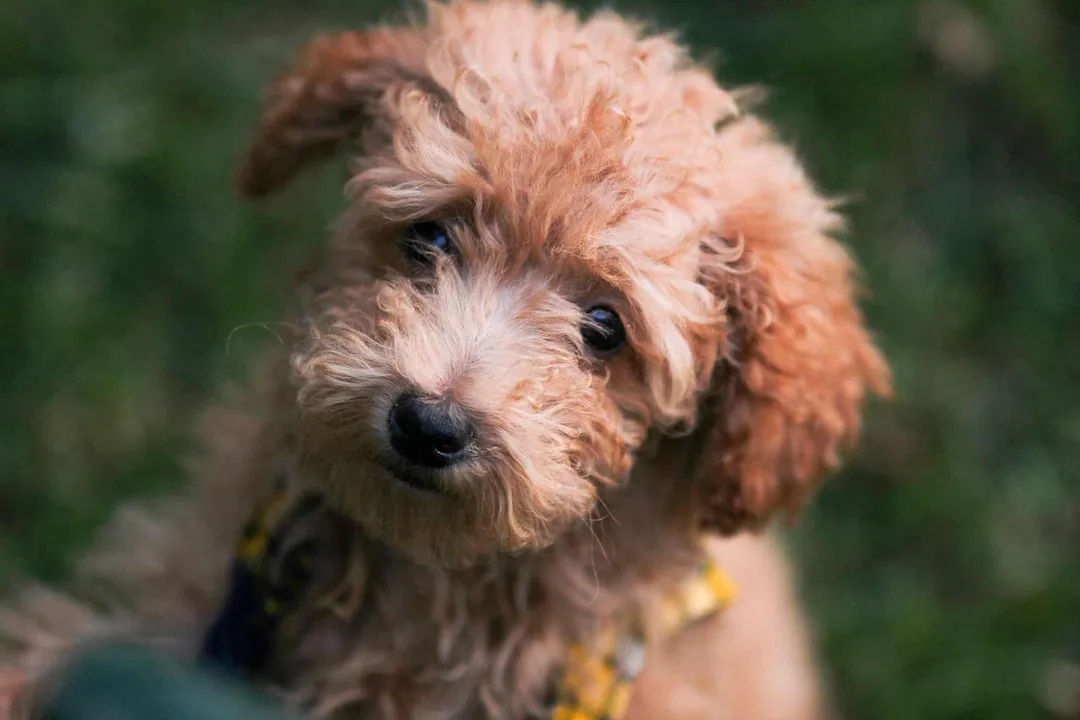
The personality profile of the Yorkiepoo is a compelling amalgamation of terrier spirit and Poodle cleverness. They inherit the Poodle’s high intelligence, which makes them quite trainable, often picking up commands quickly. However, they also carry the Yorkshire Terrier's sometimes stubborn, assertive streak. This combination means they respond best to consistent, positive reinforcement training starting early. They are known to be quite affectionate and form strong bonds with their primary caregivers.
Personal accounts from owners often highlight this dual nature. Some describe them as surprisingly bold watchdogs, quick to alert to unusual sounds, a trait likely inherited from the terrier ancestry. Others note their sensitivity, sometimes becoming overly attached or prone to separation anxiety if left alone for long periods, a common trait in many toy breeds. The Poodle influence often tempers the Yorkie’s more high-strung tendencies, leading to a dog that enjoys being a lap companion but also possesses the energy for play. Successfully managing their "evolution" in the home environment requires recognizing and honoring both the playful, clever side and the slightly more demanding, terrier side.
# Coat Management
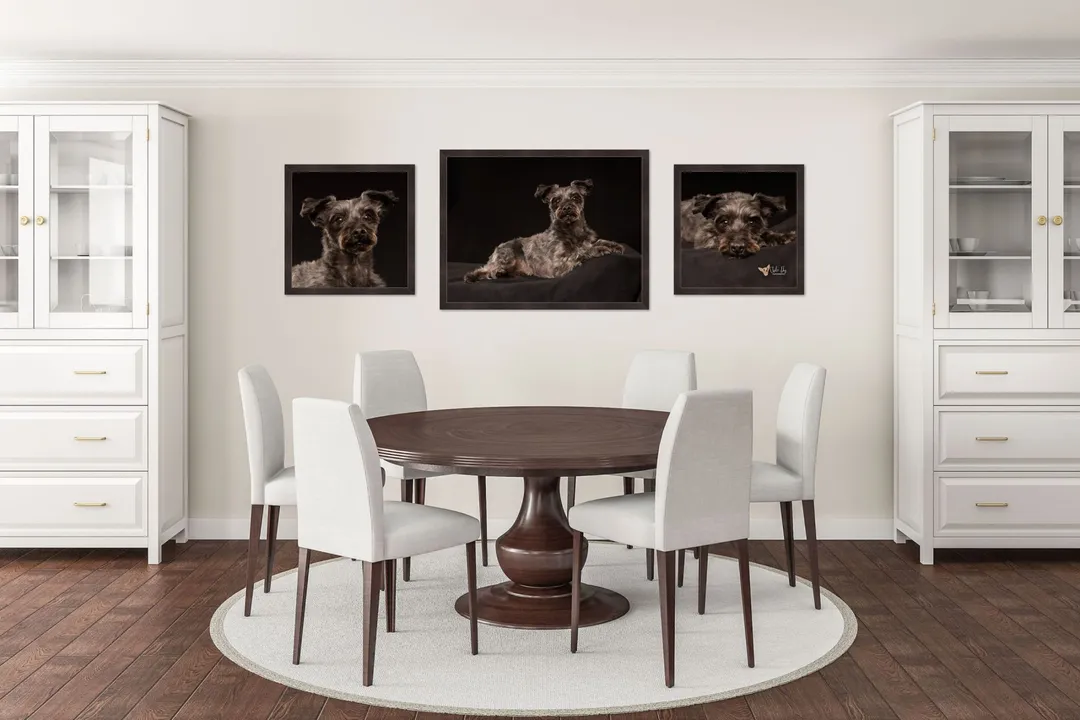
Perhaps the most significant driver for the creation of the Yorkiepoo was the promise of a low-shedding coat, thanks to the Poodle heritage. The resulting coats can vary widely, leading to different grooming needs:
- Straight or Wavy: Coats resembling the Yorkie may be silkier but still prone to tangles and may shed minimally.
- Curly: Coats strongly influenced by the Poodle tend to shed very little but matting becomes a significant concern.
Regardless of the texture, these dogs require diligent grooming. Unlike breeds that shed seasonally, the Yorkiepoo's coat grows continuously. Professional grooming appointments every 4 to 8 weeks are often necessary for curly-coated individuals to prevent painful matting. Even shorter, low-maintenance trims require daily or near-daily brushing to keep the fine hair from knotting, especially around the ears and legs. This high grooming commitment is a non-negotiable part of owning the breed, an aspect of their "evolution" in the domestic setting that requires significant time investment from the owner.

# Lifespan Factors
Small breeds generally boast longer lifespans than their larger counterparts, and the Yorkiepoo is no exception to this trend. The typical expected lifespan for a healthy Yorkiepoo ranges from 10 to 15 years. This longevity is a positive characteristic inherited from both parent breeds, as both Yorkshire Terriers and Poodles are known for living well into their teens.
To put this long life into perspective, owners can look at the human age equivalency charts developed for purebreds. For instance, a Yorkshire Terrier ages quite rapidly in its first year, reaching the equivalent of about 15 human years by the end of its first 12 months. While specific Yorkiepoo conversion charts are less common, extrapolating from the parent breeds suggests that the initial rapid aging phase is likely similar. An owner caring well for their 5-year-old Yorkiepoo might find that dog equivalent to a person in their mid-thirties, emphasizing the need for good preventative veterinary care throughout the dog’s extended middle-age years. Maintaining a healthy weight, as detailed in the growth section, is critical to maximizing this natural lifespan potential.
# Contemporary Companionship
The modern Yorkiepoo has established itself firmly as a quintessential companion dog. They thrive on human interaction and do not generally do well when relegated to a backyard existence; they truly evolve alongside their family unit. Their small size makes them adaptable to many living situations, from houses with yards to small city apartments, provided their exercise needs are met.
Exercise requirements are moderate. While they possess the terrier energy, their small stature means they can often satisfy their needs with indoor play sessions and several short walks daily. A common pitfall for owners, based on anecdotal evidence, is underestimating their need for mental stimulation. Because they are so intelligent, a bored Yorkiepoo can quickly turn to nuisance behaviors like excessive barking or chewing. Integrating puzzle toys or short training sessions into their daily routine acts as a vital mental workout, shaping a calmer adult temperament.
When considering adding a Yorkiepoo to the family, it is important to look past the cute photos and focus on the commitment required for their grooming and social needs. Their evolution from a designer concept to a beloved pet hinges entirely on the owner's willingness to meet these specific demands for grooming, training, and companionship. In essence, the Yorkiepoo’s success is measured by how well its inherent terrier spunk and Poodle intelligence are channeled into a well-adjusted companion through consistent, loving attention.
Related Questions
#Citations
Yorkipoo Dog Breed Information & Characteristics - DogTime
Looking for personal anecdotes about yorkipoo lifespan - Reddit
Yorkiepoo Dogs: Fun Facts, History and How To Get One - Rover.com
Romeo the Adopted Yorkipoo: A Special Photo Session -
Yorkie Age Equivalency and Maturity Rate
Yorkie-Poo Dog Breed Health, Temperament, Training ... - PetGuide
What Is the Average Yorkie Poo Lifespan? - HubPages
How Big Do Yorkipoos Get? Size Chart and Growth Milestones
The In-Depth Yorkipoo Dog Breed Guide - Coops and Cages