Yoranian Evolution
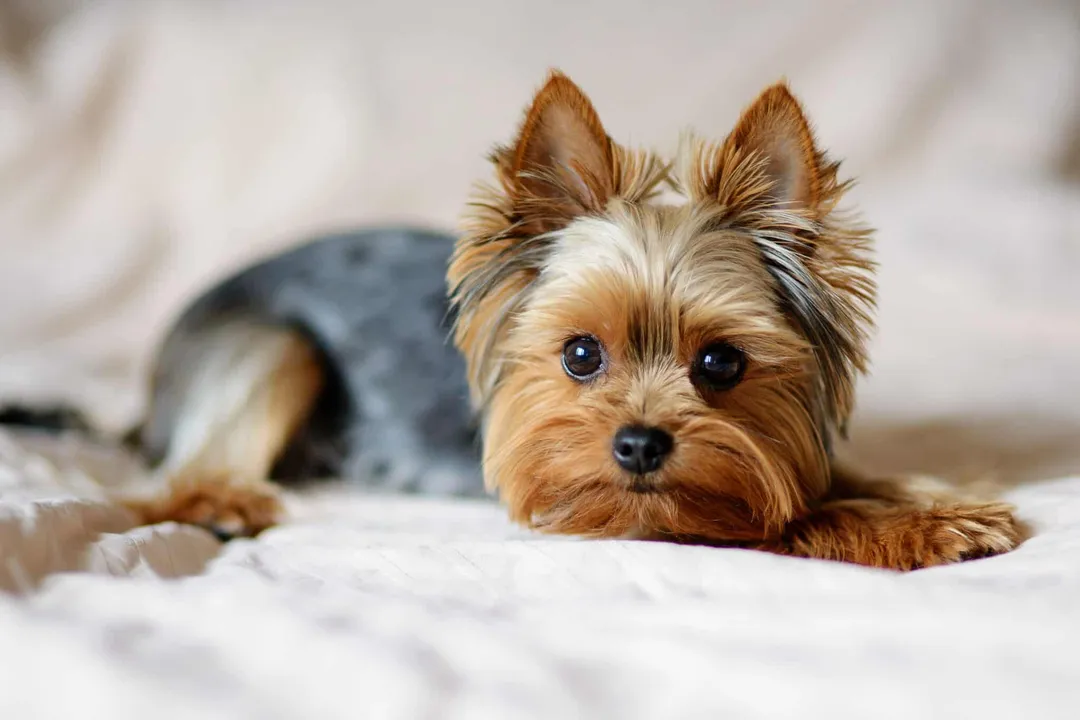
The Yoranian represents a fascinating convergence in the world of companion dogs, arising from the deliberate pairing of two immensely popular purebreds: the Yorkshire Terrier and the Pomeranian. [1][2][4] This hybrid, sometimes referred to as a Pom Yorkie or Yorkie Pom mix, did not emerge through natural selection over millennia but rather through recent, intentional human design, placing it firmly in the category of a modern "designer dog". [2][4] To understand the Yoranian "evolution," one must examine the established characteristics of its ancestral lines and observe how these traits blend, sometimes predictably, sometimes surprisingly, in the resulting offspring. [3]
# Ancestral Roots
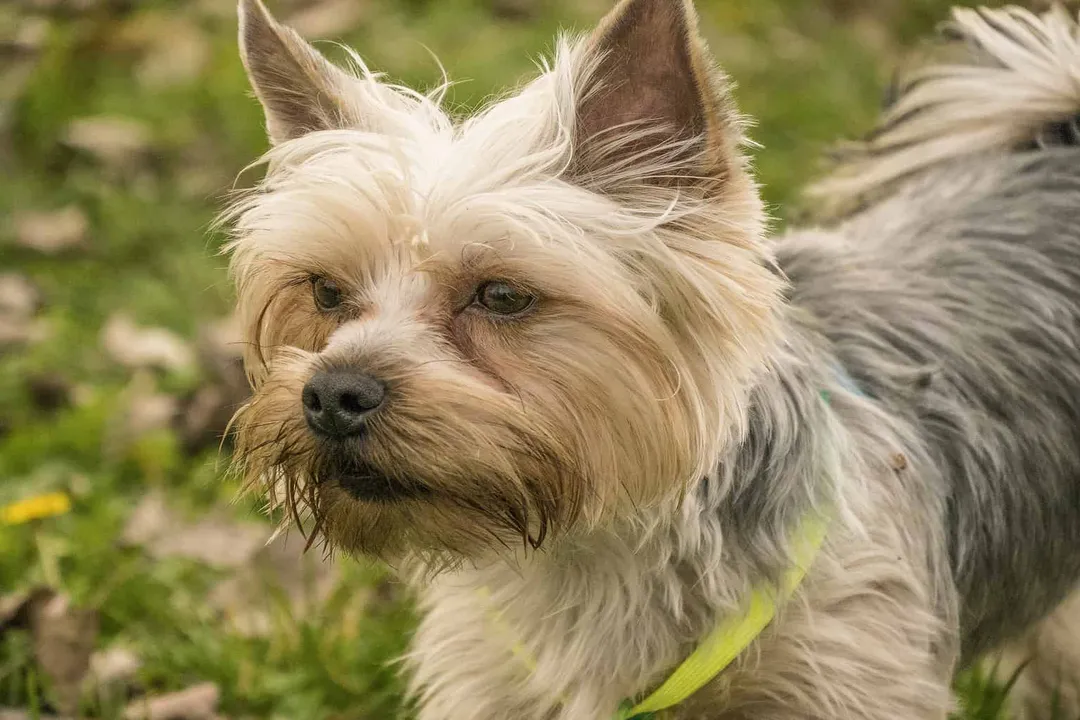
The story of the Yoranian begins by looking at the distinct histories of its parents. The Yorkshire Terrier, originating in 19th-century England, was originally bred for a practical purpose: ratting in clothing mills. [5] This history contributes to the Yorkie’s tenacity and spirited nature, though today they are beloved lap dogs. [1] Their coat, fine and silky, was historically kept long. [5]
The Pomeranian, by contrast, traces its lineage back to the larger Spitz-type dogs of the Arctic regions, later refined in Pomerania (now parts of Germany and Poland) to become the toy breed known today. [7] The Pom brings a very different element: a dense, fluffy double coat, a bold and curious disposition, and often a slightly more independent streak. [1][7]
When these two breeds—the spirited, silky-coated terrier and the fluffy, robust toy companion—are mixed, the resulting Yoranian inherits a genetic lottery that defines its adult appearance and demeanor. [3] The hybrid is typically a very small dog, fitting neatly into the toy category, often weighing between 3 to 7 pounds and standing less than 9 inches tall. [1]
# Appearance Blending
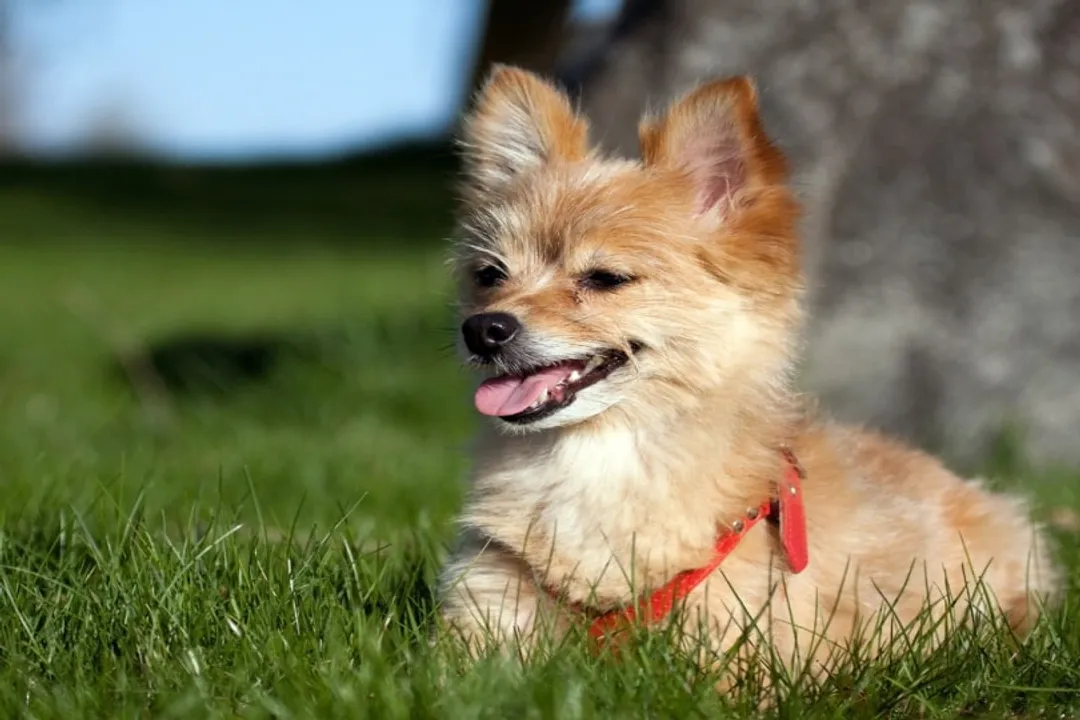
The visual presentation of a Yoranian is perhaps the most variable aspect of this crossbreed, directly reflecting the dominance of genes inherited from either the Pomeranian or the Yorkie parent. [3] While they are consistently small, the texture and length of their coat are where the divergence occurs. Some Yoranians may exhibit a fluffier, thicker coat reminiscent of the Pomeranian, while others might possess a longer, smoother, more flowing coat similar to the Yorkshire Terrier. [1][5]
Coat colors themselves can also vary widely. Common colors or combinations include black, tan, brown, cream, red, or combinations of these shades. [1] A significant consideration for new owners is the grooming commitment dictated by the coat type they receive. If the dog inherits the dense double coat of the Pom, shedding management and mat prevention require diligence. Conversely, if the coat leans toward the Yorkie's single, silky layer, it may require less intense brushing to prevent tangles but still needs regular attention to maintain shine and length. [5]
One interesting point of observation for owners is the transition from puppy fluff to adult coat. While one puppy might look like a fluffy cotton ball at eight weeks old, another might look lankier, suggesting a more Yorkie-influenced coat texture. [6] This early visual difference often points toward the adult maintenance routine required, which is crucial for a small dog whose skin is easily exposed if the coat becomes neglected. The unpredictability means that prospective owners must commit to a grooming routine versatile enough to handle either extreme of the parental spectrum until the adult coat fully settles in. [1]
# Temperament Traits
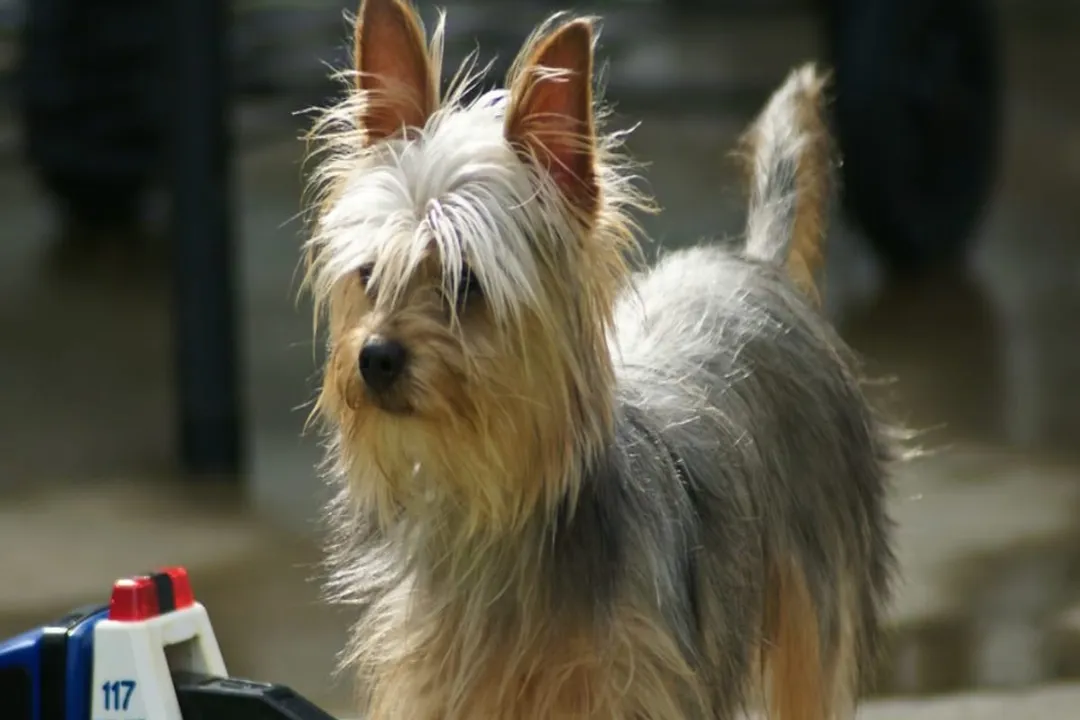
The Yoranian's personality is often described as a delightful mix of affection, intelligence, and a touch of terrier spunk. [1][5] They are generally known for being playful and highly devoted to their families, often bonding closely with one person. [5][7] Their small size belies a brave and sometimes bossy nature inherited from the tenacious terrier side. [1]
Intelligence is a shared trait, as both parent breeds are considered relatively bright. [1] However, that intelligence is paired with a potential for stubbornness, particularly when training is not engaging or consistent. [1] Owners must be prepared for this duality: they can learn commands quickly, but they may choose when to execute them based on their own preference if boundaries are not firmly, yet kindly, established early on. [3]
Socialization plays an especially critical role for this mix. Because they are small and can easily be sheltered from the world, they might develop small-dog syndrome or become overly reserved or yappy if not introduced gently to various people, sights, and sounds during their formative weeks. [5][7] Early, positive exposure helps ensure they develop into well-adjusted companions rather than overly protective or timid lapdogs. [1]
# Health and Longevity
As a crossbreed, the Yoranian benefits from what is often termed "hybrid vigor," meaning they may inherit a broader gene pool that can sometimes reduce the incidence of specific hereditary diseases found in purebred lines. [7] However, they remain susceptible to health issues common to both Pomeranians and Yorkshire Terriers. [1]
Two significant areas requiring owner attention are dental health and patellar luxation. Toy breeds, in general, are prone to dental crowding, which can lead to tartar buildup and periodontal disease, making daily teeth brushing highly recommended for the Yoranian. [7] Additionally, patellar luxation—where the kneecap temporarily slips out of place—is a condition that both parent breeds are predisposed to, meaning careful monitoring of their gait and avoiding excessive high-impact jumping is prudent. [1]
Other potential concerns drawn from the parent stock include tracheal collapse and hypoglycemia in very small specimens, as well as issues related to the eyes and skin. [7]
| Health Concern | Parent Breed Influence | Management Focus |
|---|---|---|
| Dental Disease | Both | Daily brushing/Professional cleanings |
| Patellar Luxation | Both | Controlled exercise, weight management |
| Tracheal Collapse | Pom | Avoiding neck strain (harness use) |
| Hypoglycemia | Both (esp. small size) | Consistent feeding schedule |
| Skin Issues | Yorkie (Coat type) | Regular coat inspection/Moisturizing shampoos |
| [1][7] |
While many small dogs enjoy long lifespans, the Yoranian frequently falls into the 12 to 15-year range. [1] However, given that this is a relatively new pairing, owners who commit to high-quality nutrition, appropriate preventative veterinary care, and maintaining a healthy weight might find their companion exceeding these average estimates. Small dogs often benefit from routine senior care starting around the age of 8 or 9, making early investment in their health habits particularly rewarding in terms of extending their vibrant years. [7]
# Training Demands
Working with a Yoranian requires an appreciation for their inherent intelligence paired with a strategy for their potential stubborn streak. [1] They thrive on positive reinforcement methods; harsh corrections are counterproductive and can easily damage the strong bond they form with their owners. [3] Because they are eager to please their chosen person, small food rewards and praise work wonders in shaping their behavior.
Given their background as ratters (Yorkie) and alert watchdogs (Pom), they can be prone to excessive barking if not trained early to recognize when a warning bark is sufficient. [1][7] Training sessions should be kept short, fun, and frequent to match their short attention spans. Furthermore, their small size makes them excellent candidates for activities like advanced trick training or even the lower-impact versions of dog sports, which keep their bright minds engaged. [5]
# Activity and Environment
The Yoranian does not demand the extensive exercise regimen of a working breed, but they are certainly not sedentary dogs. [1] They are energetic and benefit from at least one solid walk daily, supplemented by indoor play sessions. [5] Because they are so small, a brisk 20-to-30-minute walk is often sufficient to meet their physical needs, making them adaptable to apartment living. [1]
Their high attachment to their people means they do not generally fare well when left alone for long periods. [7] Isolation can trigger separation anxiety, which often manifests as destructive chewing or excessive vocalization. [1] They function best in homes where someone is present for a good portion of the day, or where their loneliness can be mitigated by puzzle toys and safe enrichment activities. [5] This need for companionship confirms their status as true companion animals, valuing proximity to their family above all else.
#Videos
Yorkie Pomeranian Mix: Everything You Need To Know About The ...
Top Dog Facts about the YORANIAN - YouTube
Related Questions
#Citations
Yoranian | Dog Breed Facts and Information - Wag! Dog Walking
Yoranian Dog Breed Complete Guide - A-Z Animals
All About The Yorkie Pomeranian Mix (Yoranian) With Pictures
Yoranian Dog Breed Information and Pictures
Yorkie Pomeranian Mix: Everything You Need To Know About The ...
or Bitey might look like this when he grows up! (Yoranian) - Pinterest
Yoranian (Yorkie & Pomeranian Mix): Info, Pictures, Care & More
Pomchi and Pomeranian dog breeds comparison and owner ...