Yeti Crab Diet
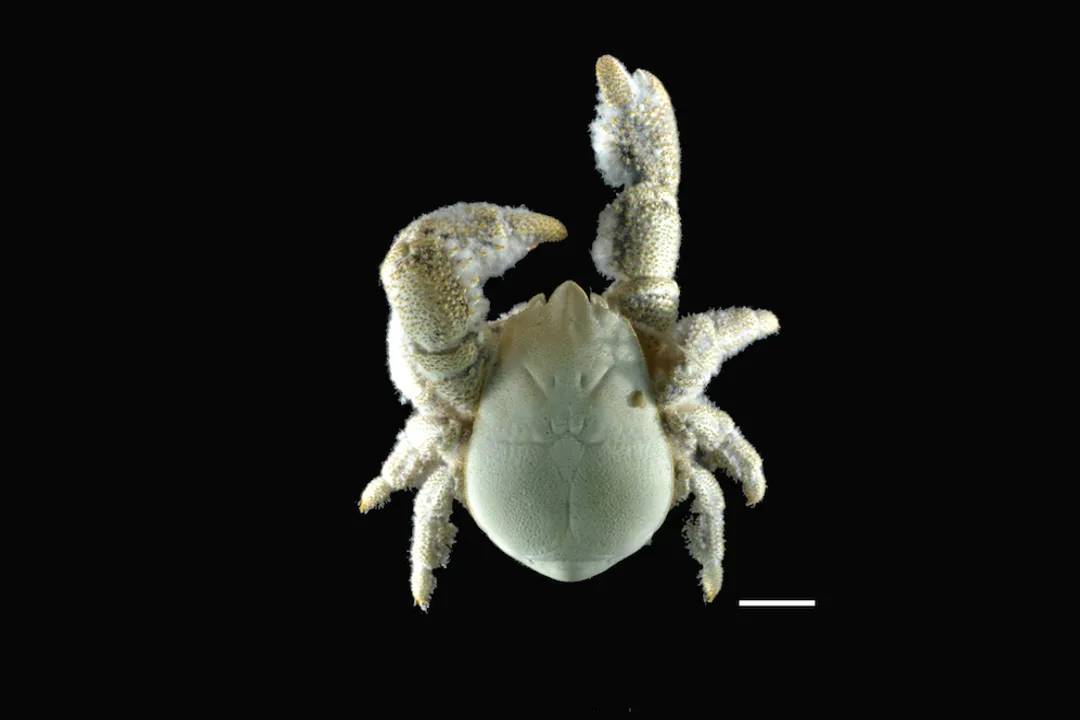
The Yeti Crab, scientifically classified under the genus Kiwa, presents one of the ocean's most fascinating dietary adaptations, a creature thriving in perpetual darkness miles beneath the waves. [3][5] When this animal was first discovered, its feeding habits were immediately scrutinized because it lives where sunlight, the basis for almost all life on Earth's surface, cannot penetrate. [1][10] This inherent challenge necessitates a food source derived entirely from the chemical energy bubbling up from Earth’s interior, marking its diet as a prime example of deep-sea survival. [1][9]
# Deep Dweller
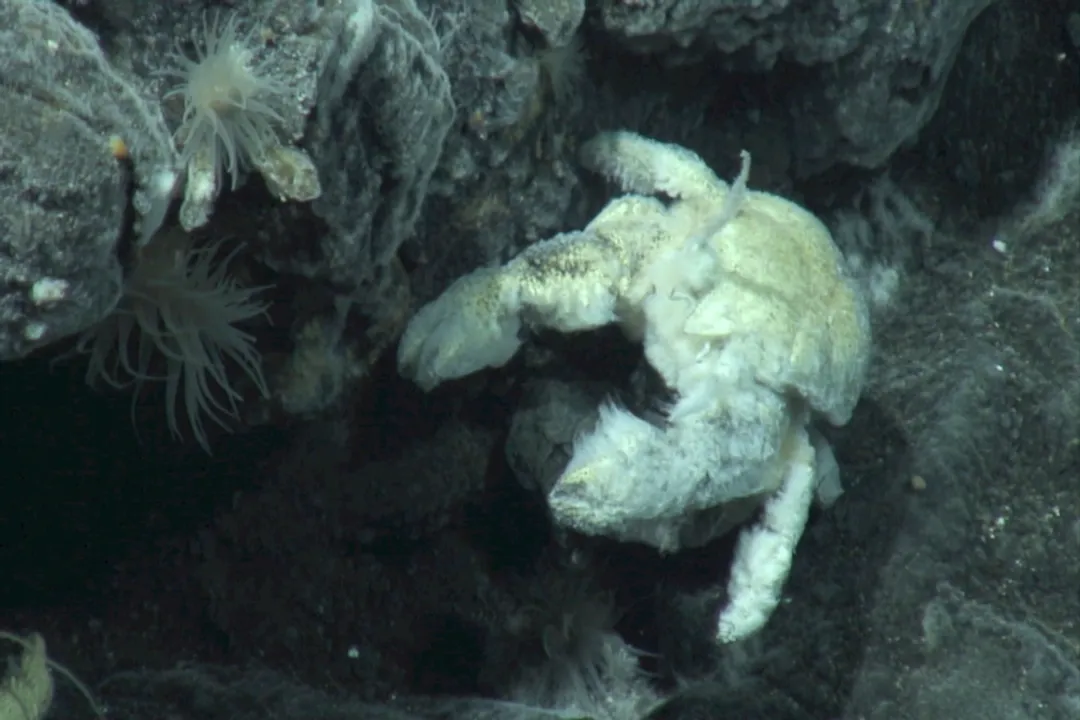
These bizarre-looking crustaceans inhabit the crushing pressures and superheated waters surrounding hydrothermal vents scattered across the seafloor. [5][10] One particularly well-studied species, Kiwa tyleri, has been observed congregating in dense clusters, sometimes numbering in the thousands, near these volcanic fissures along the East Pacific Rise. [5][7][9] Unlike coastal crabs that scavenge or graze on algae, the Yeti Crab's survival is tethered directly to the geothermal activity beneath the ocean floor. [1] The environment is characterized by extremely hot, mineral-rich water venting from the seafloor, creating an oasis of chemical activity where standard food webs cannot take hold. [1] The animal itself is sometimes described as having a yellowish-white, hairy appearance, which gives rise to its evocative common name. [1][5]
# Bristly Arms
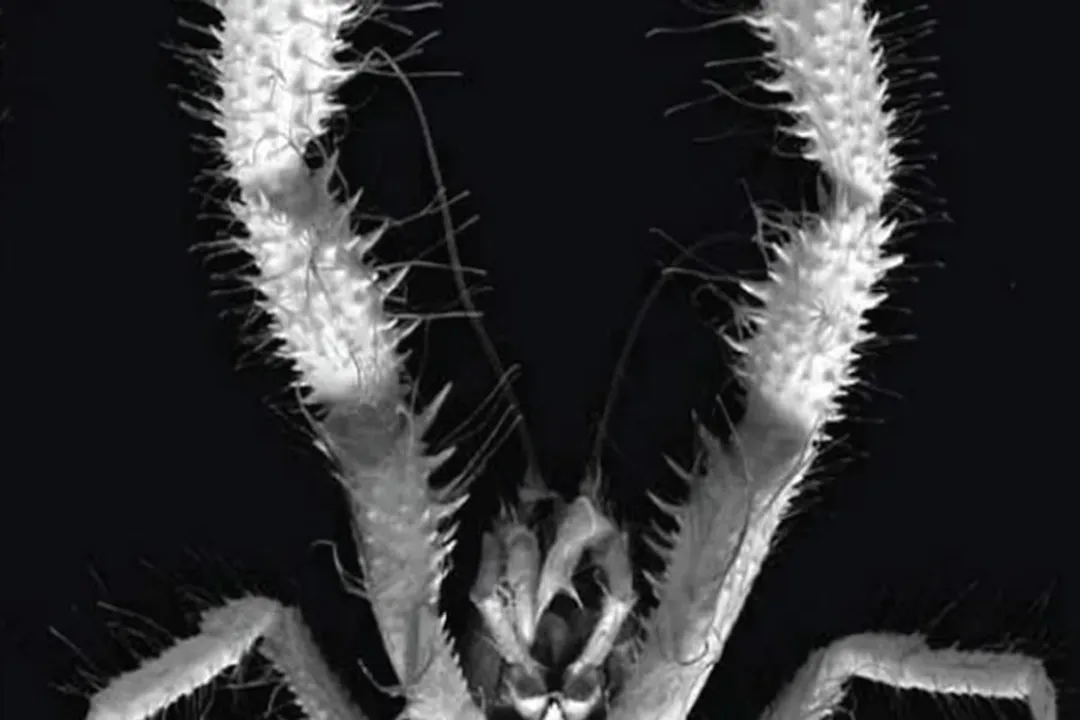
The key to the Yeti Crab’s sustenance lies in its physical structure, specifically the dense covering of long, fuzzy bristles, or setae, that adorn its arms and claws. [1][5][9] These are not simple hairs for insulation; they are specialized structures cultivated to support a vast, vibrant ecosystem of microorganisms. [1] These mats of microbes are the actual food source, transforming the crab from a simple consumer into a living farm. [1] The relationship is a clear example of mutualism, where the crab provides the substrate and access to raw materials, and the microbes provide the edible product. [10] The texture and color of these bristles often appear yellowish-white due to the sheer density of the bacterial film coating them. [5]
# Chemical Energy
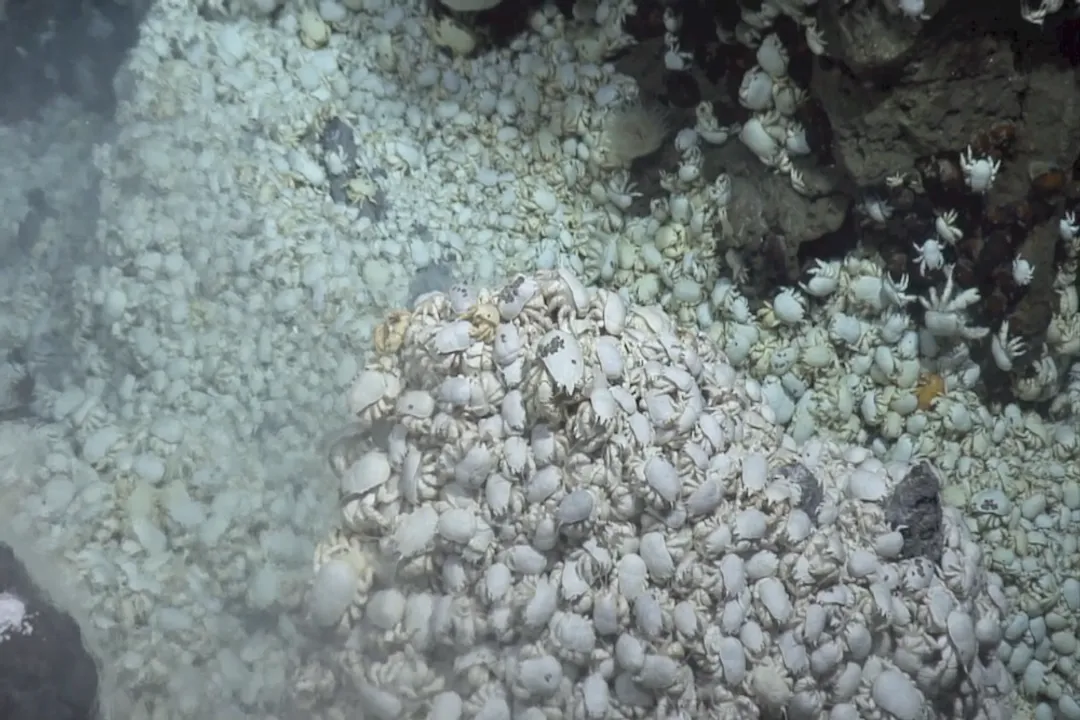
The bacteria hosted on the crab’s setae do not rely on photosynthesis; instead, they perform chemosynthesis. [1] This process harnesses the energy stored in inorganic chemicals erupting from the vents, most notably hydrogen sulfide, to create organic matter. [1] Essentially, these microbes act as the primary producers in this dark ecosystem, functioning as deep-sea equivalents of the phytoplankton found near the surface. [1][10] The availability of hydrogen sulfide dictates where these crabs can establish their feeding grounds, as it is the fuel for their microbial workforce. [1] The fact that the crab thrives in this environment demonstrates a complete decoupling from solar energy, relying instead on subterranean geology. [10]
For an organism living thousands of meters down, maximizing the output of this chemical energy source is paramount. Consider the energy conversion: converting toxic hydrogen sulfide into edible biomass is highly efficient under the right conditions, but it requires a constant, fresh supply of the chemical. [1] This necessity explains why Yeti Crabs cluster so tightly around the vent openings; they are positioning themselves in the optimal zone where the toxic vent fluid is diluted enough to be non-lethal but concentrated enough to feed the bacterial farm efficiently. If the vent activity shifts or cools, the crab’s food source vanishes, forcing migration or starvation. [9]
# Scraping Food
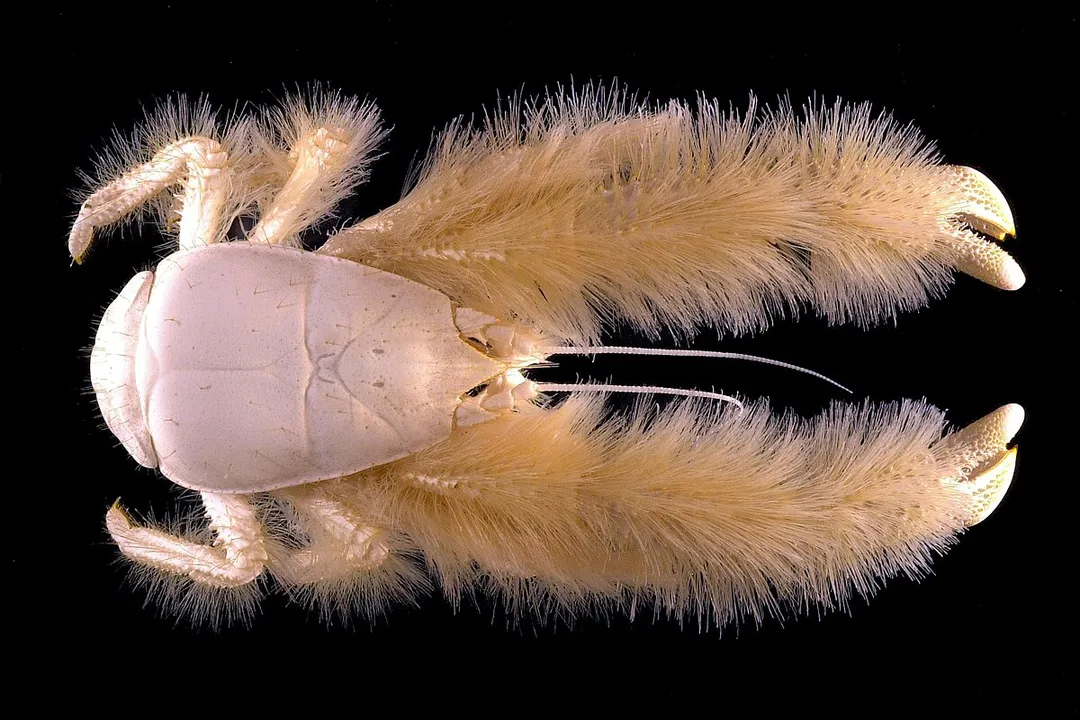
The mechanism by which the crab harvests its own microbial garden is remarkably specialized. It does not simply wait for bacteria to fall off; it actively collects them. [1] The Yeti Crab possesses specialized structures near its mouthparts designed specifically for this task. [10] The crab uses these appendages to methodically brush or scrape the bacterial mats directly off its own hairy arms. [1][5] This behavior ensures a continuous, fresh supply of nutrition, much like a farmer tending a field. [1] This dedicated method of consumption—eating off its own body—is a significant departure from the typical claw-and-catch feeding methods seen in many other crustaceans. [10]
# Symbiotic Contract
The reliance on chemosynthetic bacteria makes the Yeti Crab diet a textbook case of obligate symbiosis. [1] This isn't a casual association; the crab needs the bacteria to survive in its specialized habitat, and the bacteria, in turn, need the crab's specialized habitat to access the vent chemicals. [10] There is some evidence suggesting that the crab may even assist in cultivating its bacterial crop, potentially by actively moving to different areas of the vent plume to ensure optimal chemical exposure for the microbes—a kind of localized environmental management. [1]
A point of discussion among researchers relates to whether the crab only consumes the bacteria it farms or if it supplements its diet. While the primary, established food source is the bacterial mat, the environment near the vents is rich in organic fallout from organisms living higher up in the water column, which sometimes settles near the vent mouths. [9] However, the crab’s anatomy strongly favors the primary strategy. If one were to analyze the stomach contents of a Kiwa specimen, one would predominantly find remnants of its own microbial coat, suggesting a highly self-sufficient, closed-loop diet centered on the chemosynthetic process. [1][10] This makes the Yeti Crab's dietary strategy an evolutionary masterpiece, perfectly tailored to an energy source completely independent of the sun. The absolute reliance on the bacteria also suggests that the reproductive success of the Yeti Crab population is intrinsically linked to the health and density of these microbial mats across the entire vent field, making the entire community sensitive to geological shifts. [5]
#Videos
Yeti crab eating bacteria from its claws - YouTube
Related Questions
#Citations
"Yeti" Crabs Farm Food on Own Arms—A First - National Geographic
Yeti crab grows its own food - Nature
Kiwa (crustacean) - Wikipedia
Yeti Crab | What's in a Name? - Harvard University
Another deep sea creature, the Yeti Crab! This bad boy ... - Reddit
Yeti crab eating bacteria from its claws - YouTube
Deep-sea yeti crab discovery in south pacific - Facebook
The Curious Yeti Crab - Ocean Conservancy
'Yeti' Crab Grows Its Own Food, Lives in Antarctic Spa | Live Science
Flexi answers - What do Yeti crabs eat? | CK-12 Foundation