Xoloitzcuintli Diet
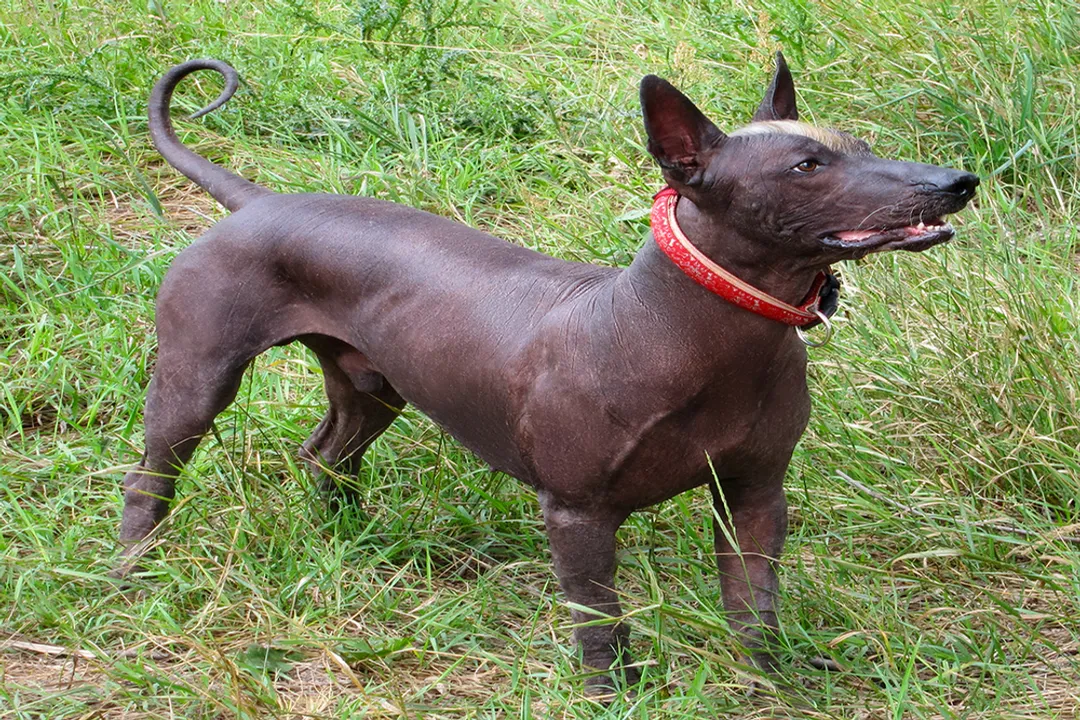
The Xoloitzcuintli, or Mexican Hairless Dog, possesses a rich history stretching back thousands of years, and its unique physiology, particularly the hairless variety, often necessitates a thoughtful approach to nutrition. [6][7] While they share fundamental dietary requirements with other dogs, their reputation for sensitivity—often concerning the skin and the digestive tract—means owners pay closer attention to what goes into the bowl. [1][10] Understanding the best feeding strategy involves balancing high-quality ingredients with the specific needs of this ancient breed. [7]
# Breed Sensitivities
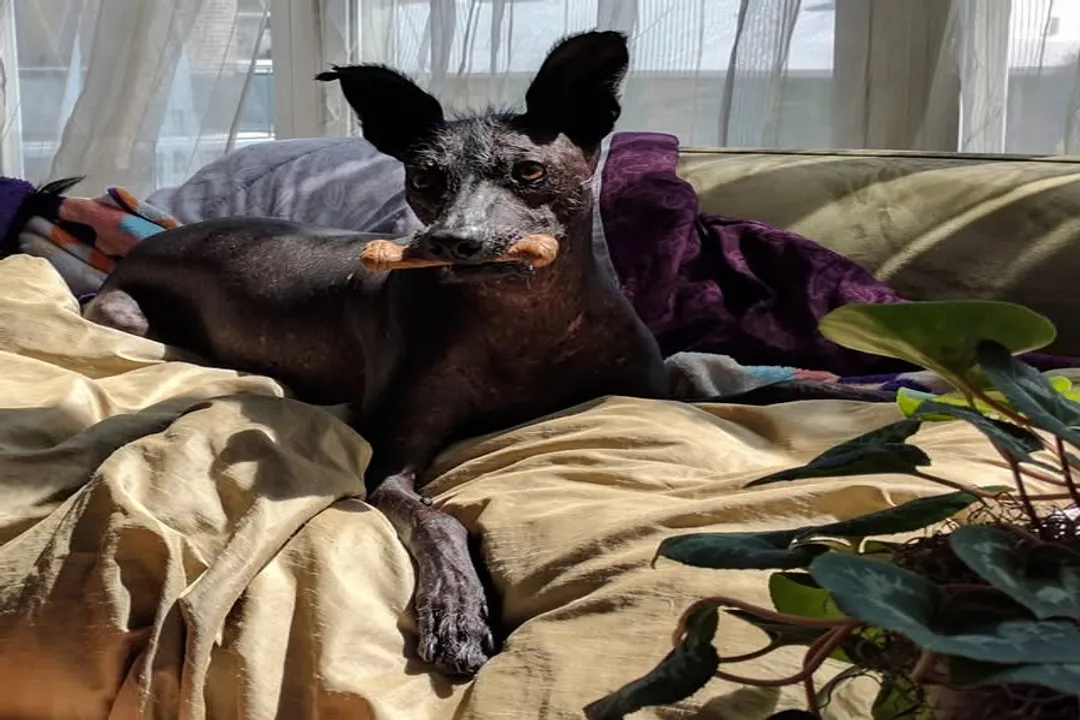
Xolos are generally described as healthy, ancient dogs, but they are frequently noted for having sensitive stomachs and sometimes sensitive skin. [1][9] This means that introducing new foods, or feeding low-quality ingredients, can sometimes lead to digestive upset or flare-ups in skin condition. [10] Because they lack a full coat, the skin is more exposed, and some dietary choices may directly impact its resilience. [9] It is common for owners to seek out formulas that avoid common irritants when looking for the right food for their Xolo puppy or adult. [10]
# Food Options
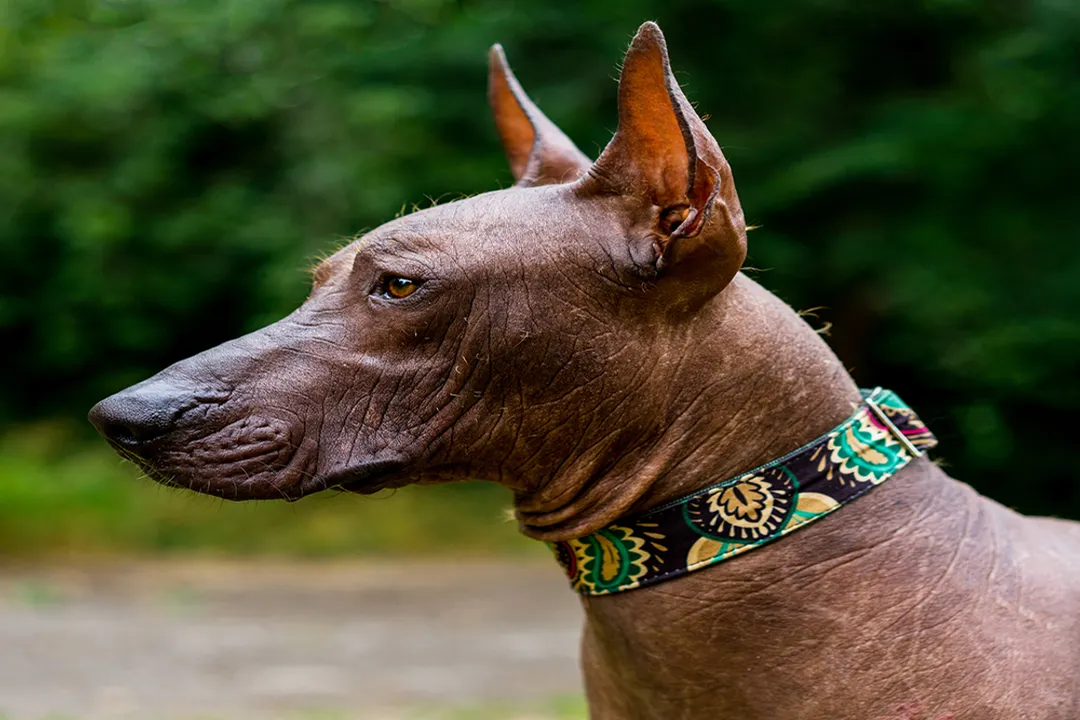
The selection of commercial food available for dogs is vast, ranging from dry kibble to specialized raw preparations, and Xolo owners often gravitate toward what they perceive as the highest quality and least processed options. [3]
# Commercial Kibble
Many owners rely on high-quality commercial kibble, which provides convenience and balanced nutrition. [3] When selecting a kibble, look for clear protein sources listed first and avoid excessive fillers. [1] Brands specializing in fresh or "human-grade" ingredients are sometimes preferred by Xolo owners seeking fewer highly processed components. [3][8]
# Raw Feeding
A raw food diet, which emphasizes uncooked meat, bone, and organ meats, is another option frequently discussed among Xolo enthusiasts. [1] Proponents of raw feeding suggest it can be beneficial for dogs with sensitivities because it eliminates many cooked grains and processed additives found in kibble. [1] However, raw feeding requires significant research and careful balancing to ensure all nutritional requirements are met, especially for a growing puppy. [1][5]
# Comparison Summary
It is helpful to compare the general approach of different feeding styles:
| Feeding Style | Primary Focus | Potential Benefit for Xolos | Consideration |
|---|---|---|---|
| Fresh/Human-Grade | Whole ingredients, minimal processing | High digestibility, fewer artificial additives | Cost, specialized preparation |
| High-Quality Kibble | Convenience, balanced nutrition | Easy portion control, formulated for life stages | Ingredient quality varies widely |
| Raw Diet (BARF) | Uncooked whole prey components | Mimics ancestral diet, high nutrient density | Risk of imbalance, handling/safety |
| [3][8][1] |
For the hairless Xolo, in particular, owners often focus on the fat profile of whatever diet they choose. While all dogs need healthy fats, supporting the skin barrier in a breed lacking a protective coat means paying closer attention to the intake of beneficial fatty acids, like specific Omega-3s, which play a role in skin health well beyond just providing shine for a coated dog. [7]
# Growth Stages
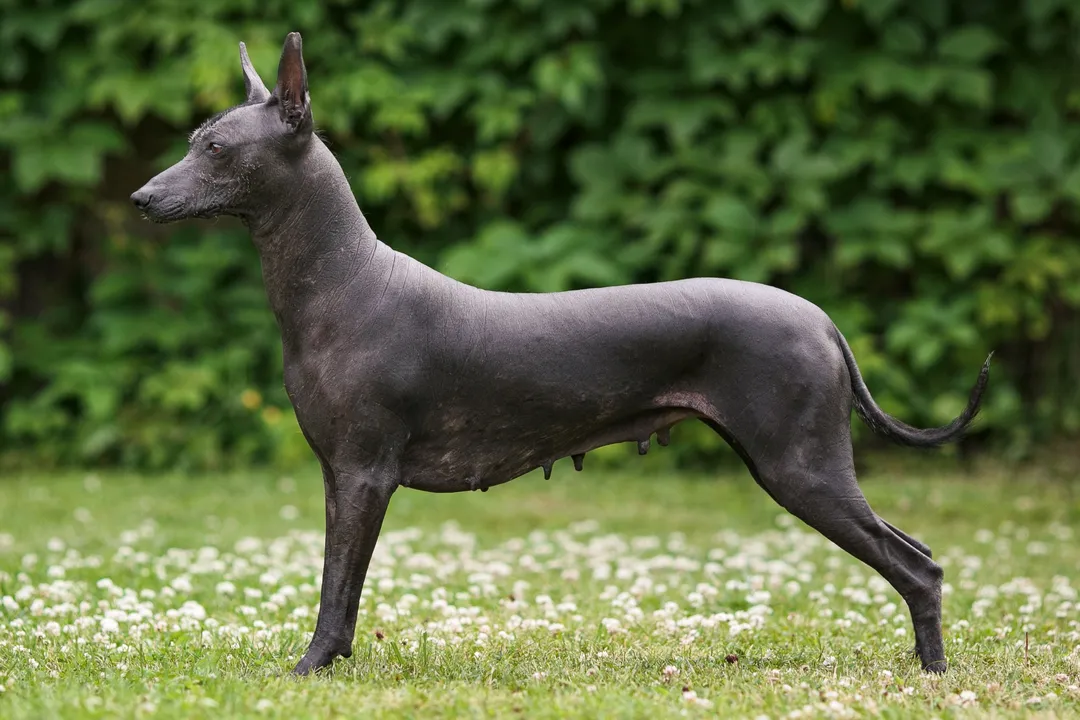
Feeding a Xolo puppy is different from maintaining an adult, as the early months are critical for setting the foundation for lifelong health. [5] Puppies, especially those destined to be the Standard size, have significant energy and nutrient demands for rapid bone and muscle development. [5] Some sources suggest that when feeding a raw diet, it must be correctly balanced for the puppy's specific growth phase to prevent orthopedic issues down the line. [1]
When transitioning a Xolo puppy from its initial diet—whether it be mother’s milk, a transitional formula, or a new food—to its permanent diet, caution is advised. Because of their documented gut sensitivity, a very slow transition is prudent. Rather than the standard three-to-five-day switch often recommended for less sensitive breeds, owners might benefit from stretching this introduction over two full weeks, swapping out incremental amounts of the old food for the new food daily to allow the developing digestive flora to adapt without stress. [10] This careful approach minimizes the risk of acute diarrhea or vomiting associated with sudden dietary changes. [1]
# Portioning Meals
Determining the correct amount of food involves more than just reading the bag's chart; it requires monitoring the dog's body condition. [7] Xolos are lean dogs, and maintaining a visible waist tucked up slightly from the ribs is the goal. [6]
The required caloric intake will fluctuate based on size (toy, miniature, or standard), age, and activity level. [6] For example, a very active Standard Xolo will require substantially more energy than a sedentary Toy Xolo kept primarily indoors. [7] If you are feeding a raw diet, measuring the target protein weight daily is essential for consistency, whereas feeding commercial kibble requires using a standard measuring cup and adjusting based on body mass assessment. [1] If you notice your Xolo gaining excess weight, reducing the daily intake by about 10 percent and reassessing in two weeks is a practical starting point, keeping in mind that lower activity levels are a common culprit in modern pet life. [7]
# Hydration Importance
Regardless of the food type—kibble, fresh, or raw—adequate water intake remains a non-negotiable aspect of the Xolo diet. [7] Dehydration can quickly exacerbate issues related to skin dryness or mild constipation, both of which can be a concern for these breeds. [9] Always ensure fresh, clean water is available, especially since the hairless variety might have slightly different thermoregulation needs that increase their water demand on hot days. [9]
Related Questions
#Citations
What's the Best Dog Food for a Xoloitzcuintli? - ProDog Raw
What is the best diet for a xolo : r/Xoloitzquintli - Reddit
Fresh Food for Xoloitzcuintlin - The Farmer's Dog
What is everyone's favorite dog food brand for their Xolo? - Facebook
How to Care for and Feed Your Xoloitzcuintle
Xoloitzcuintli Dog Breed Information - American Kennel Club
Nutrition and Feeding Tips for Xoloitzcuintles - Xolos Ramírez
Fresh Food for Xoloitzcuintlin - Cola's Kitchen
Xoloitzcuintli Dog: Traits, Care & Breed Guide - The Spruce Pets
I'm looking for a food for my xolo puppy. I noticed that Royal Canin ...