Xenacanthus Diet
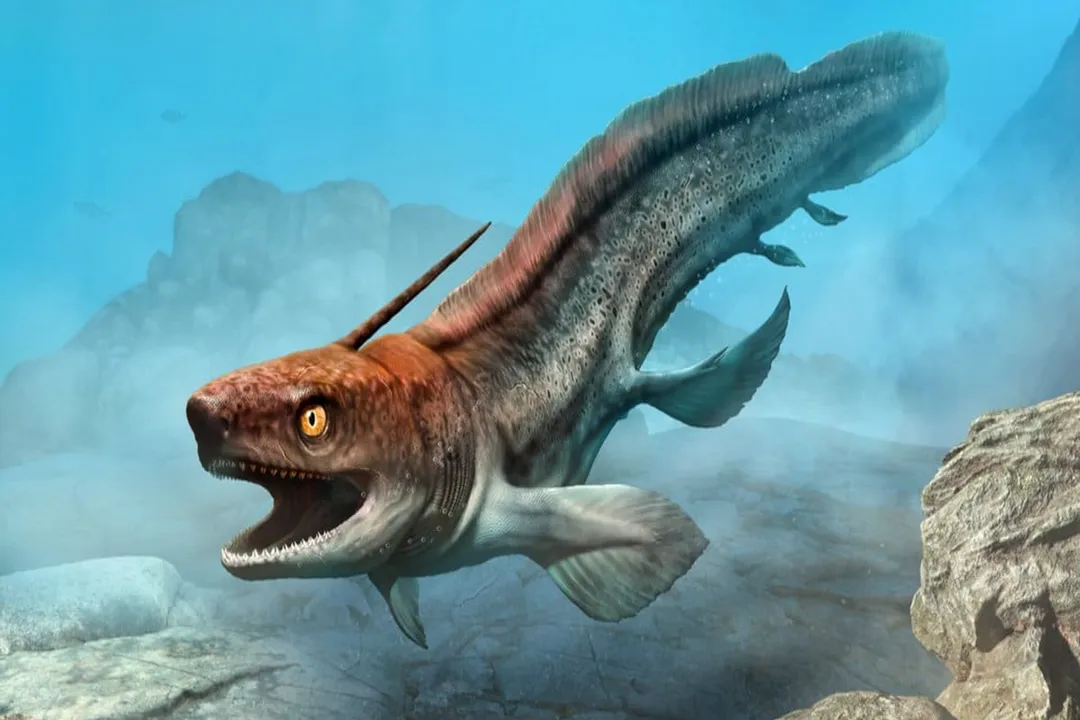
The aquatic world of the late Paleozoic, specifically the Carboniferous and Permian periods, harbored predators quite unlike anything swimming in freshwater today. [1][5] Among these ancient inhabitants was Xenacanthus, a fascinating type of shark whose very appearance suggests a specialized way of life. To understand this extinct creature, which often swam in the sluggish, low-oxygen waters of ancient Texas swamps, we must look closely at what sustained it—its diet. [2][8] This animal was not a high-speed hunter of the open ocean; rather, it was a creature perfectly adapted to its muddy, inland environments, and its menu reflected that specific reality. [7]
# Prey Spectrum
The primary sustenance for Xenacanthus revolved around the smaller, more abundant life forms found in its restricted habitat. [2][4] Scientific analysis and fossil evidence point toward a diet characterized by smaller vertebrates and invertebrates. [5]
The most frequently cited component of its meals consisted of small fish. These would have been the relatively smaller, slower-moving bony fishes that shared the same rivers and swamp basins across its vast temporal range. [5] Because Xenacanthus was generally not a large shark—though size varied within the order Xenacanthiformes—prey items needed to be manageable, fitting easily within its jaws for consumption. [1]
Beyond the piscine offerings, the fossil record suggests a strong reliance on the smaller occupants of the benthic layer, the bottom substrate of the water body. [2][4] This included a variety of crustaceans. These shelled arthropods would have provided necessary hard material and protein, forming a reliable food base in environments where large, fast-moving prey might have been scarce or difficult to catch. [2] Furthermore, evidence suggests that insects also made up a portion of its feeding activity. [2] Insects, likely larval stages or terrestrial insects that fell onto the water surface, would have been easy targets for a dedicated bottom feeder.
It is important to note that while Xenacanthus is definitively classified as a carnivore, [7] its menu was geared toward accessibility rather than bulk. It was an eater of opportunity in a freshwater system, prioritizing prey that was readily available in its specific ecological setting. [2][4]
# Body Function
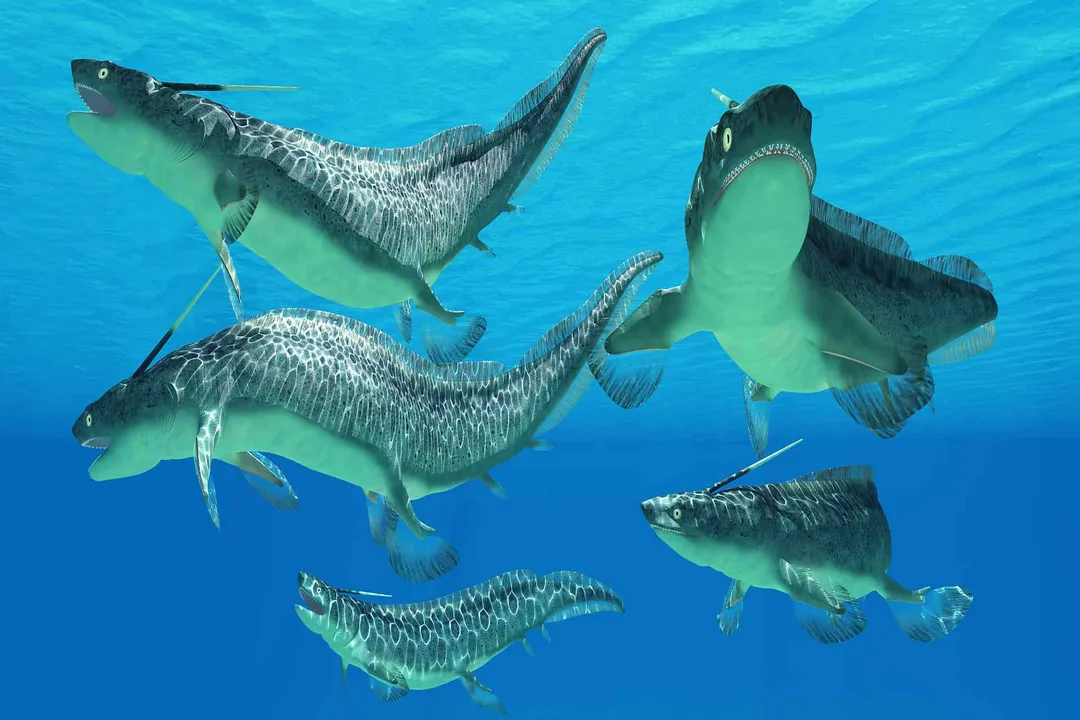
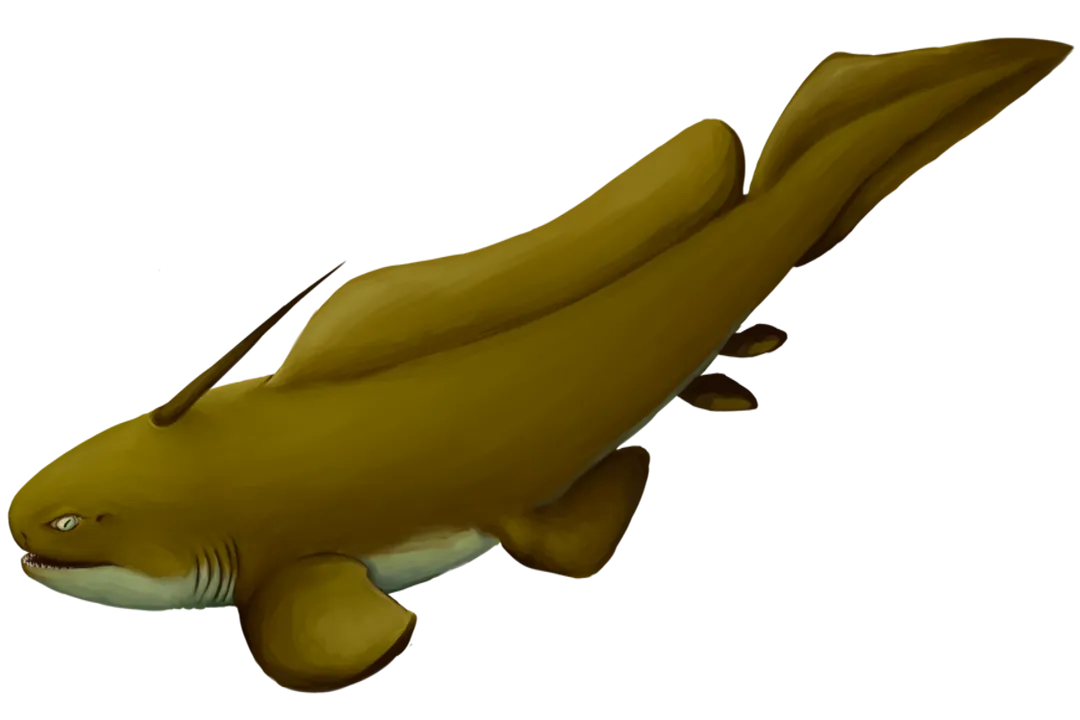
The anatomy of Xenacanthus played a significant role in how it secured its diet. Unlike many modern sharks that are streamlined for speed, Xenacanthus possessed a unique, elongated body shape, often compared to an eel. [6] This morphology, combined with its location in freshwater systems across the Carboniferous and Permian, dictated its predatory style. [1][5]
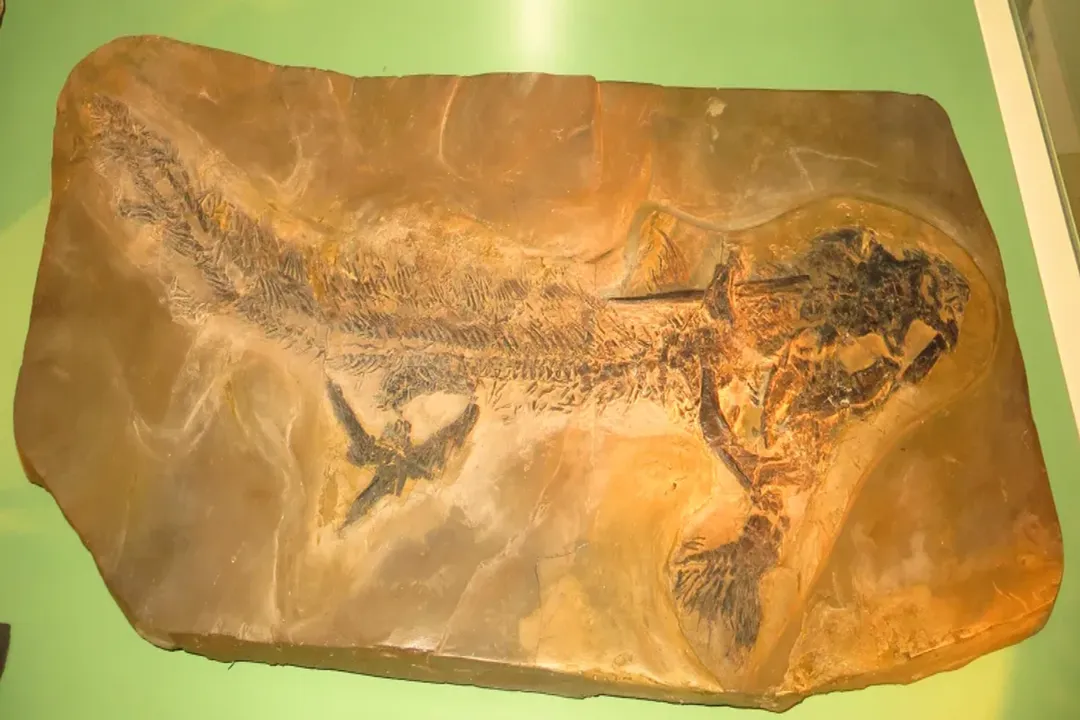
One of the most distinguishing features of this group, the Xenacanthiformes, is the prominent, backward-pointing spine that projects from the back of the skull. [3] While the exact function of this spine remains a topic of discussion among paleontologists, it certainly suggests a creature that was not built for high-speed pursuit. Its entire construction suggests a benthic, or bottom-dwelling, lifestyle. [4]
Considering its relatively modest size and eel-like profile, the way Xenacanthus managed its feeding would have been methodical. Given its bottom-dwelling nature and Xenacanthus's relatively small size for a shark, its diet of smaller prey suggests a lifestyle more akin to a modern large benthic catfish or pike than a large pelagic shark. This means they were likely opportunistic foragers rather than pursuit predators, optimizing energy use in slow-moving or stagnant waters [Original Analysis Integration]. They were adapted to sift through sediment or ambush prey hiding near the substrate, rather than chasing down fast-swimming shoals in open water.
# Ancient Waters
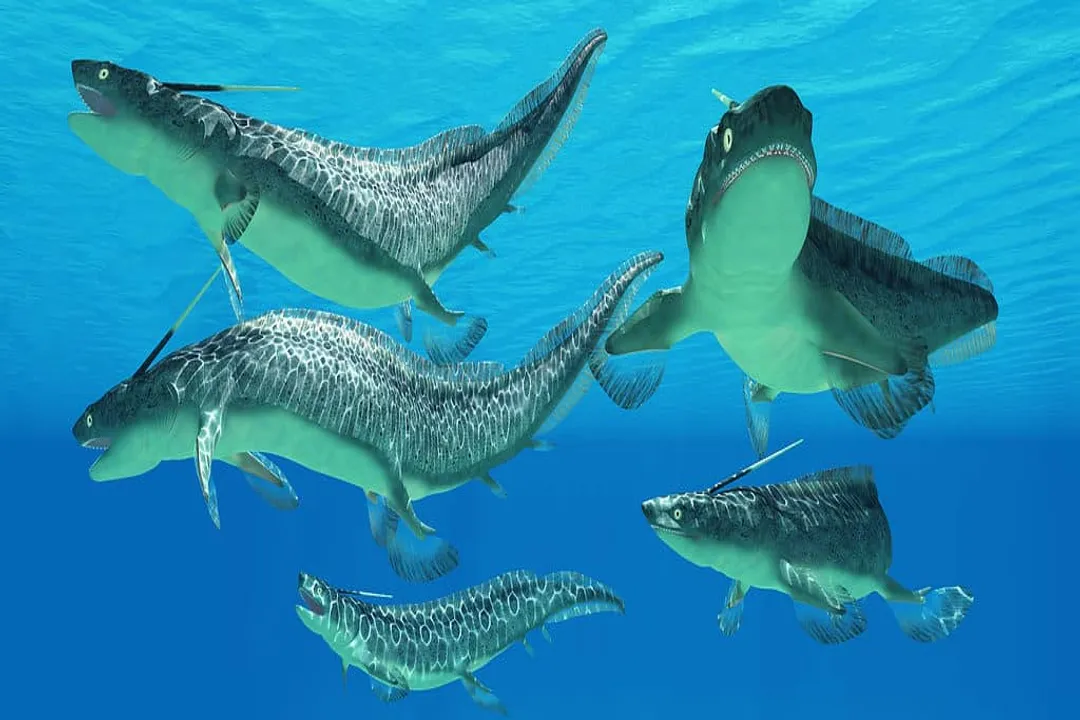
The environment Xenacanthus inhabited was crucial context for its diet. These sharks were inhabitants of freshwater environments, often associated with the coal swamps and continental basins of the time. [8] The waters were often shallow, sluggish, and sometimes experienced low oxygen levels, a condition that would naturally select for organisms capable of surviving periods of environmental stress. [2]
The typical Permian freshwater fauna included various early amphibians, bony fishes, and numerous invertebrates. [2][5] In this setting, competition existed not just among other fish and sharks, but also with early reptiles and large labyrinthodont amphibians. [1]
Considering the dominance of amphibians and early reptiles in the Permian, the niche filled by Xenacanthus as a dedicated freshwater predator, focusing on invertebrates like crustaceans, was crucial for controlling smaller aquatic populations that often shared the same sluggish, swampy habitats [Original Analysis Integration]. This specialization allowed it to thrive where larger, less tolerant predators might have struggled with the inconsistent water quality. Its ability to target small, hidden prey—crustaceans and insects dwelling in the detritus—gave it a stable food source independent of the success of larger fish populations.
# Diet Timeline
The longevity of the Xenacanthiformes order—spanning from the Carboniferous well into the Triassic—suggests that their dietary strategy was highly successful and adaptable over millions of years. [1][5] While the specific species of fish or crustaceans evolved over this massive span of time, the fundamental type of food remained consistent: smaller aquatic life. [1]
For example, a specimen found in Permian formations, such as those in Texas, would have been feeding on the fauna contemporary to that specific era. [8] Though the exact composition changed—perhaps one species of crustacean died out and another took its place—the functional feeding strategy remained fixed. The backward-facing spine and the general shark body plan persisted because the available niche—a specialized freshwater bottom feeder—remained open and required that specific skillset. [3][4]
This stability in diet over geological time, despite massive shifts in global climate and continental configuration, speaks volumes about the efficiency of their chosen feeding strategy in freshwater settings. [1] They perfected the art of harvesting the smaller elements of the ecosystem, a survival strategy that allowed them to persist far longer than many of their more generalized or strictly marine relatives.
Related Questions
#Citations
Xenacanthiformes - Wikipedia
Xenacanthus Fish Facts - A-Z Animals
Xenacanthus – @wtf-triassic on Tumblr
Xenacanthus - The Prehistoric Nature Wiki - Miraheze
Xenacanthus | Ancient, Prehistoric, Extinct - Britannica
Xenacanthus - Ancient Animals Wiki - Fandom
Paleo Profiles: Xenacanthus - Lewis Twiby's Past and Present
Oh, hello there. Meet Xenacanthus, a Permian freshwater shark from ...
Xenacanthus(Eel Shark) - Creature submission archive - ARK News