Wrasse Diet
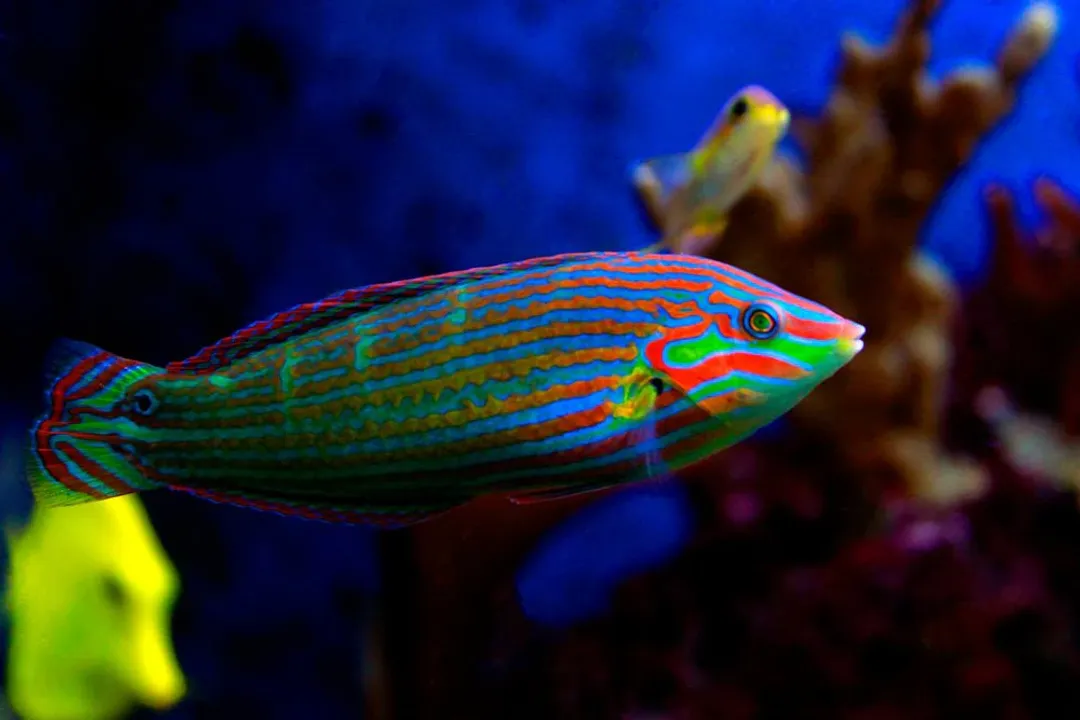
The dietary needs of wrasses present a fascinating study in marine fishkeeping, largely dictated by their incredible activity levels and species-specific feeding strategies. These fish, known for their constant motion across the reef or sand bed, require a consistent energy intake to maintain their vibrant health and characteristic behavior. While they share general carnivorous or insectivorous classifications, the precise makeup of their daily menu can vary significantly depending on whether you house a small fairy wrasse or a more robust hogfish variety. Understanding this variety is key to preventing lethargy or, worse, starvation in captive specimens.
# General Profile
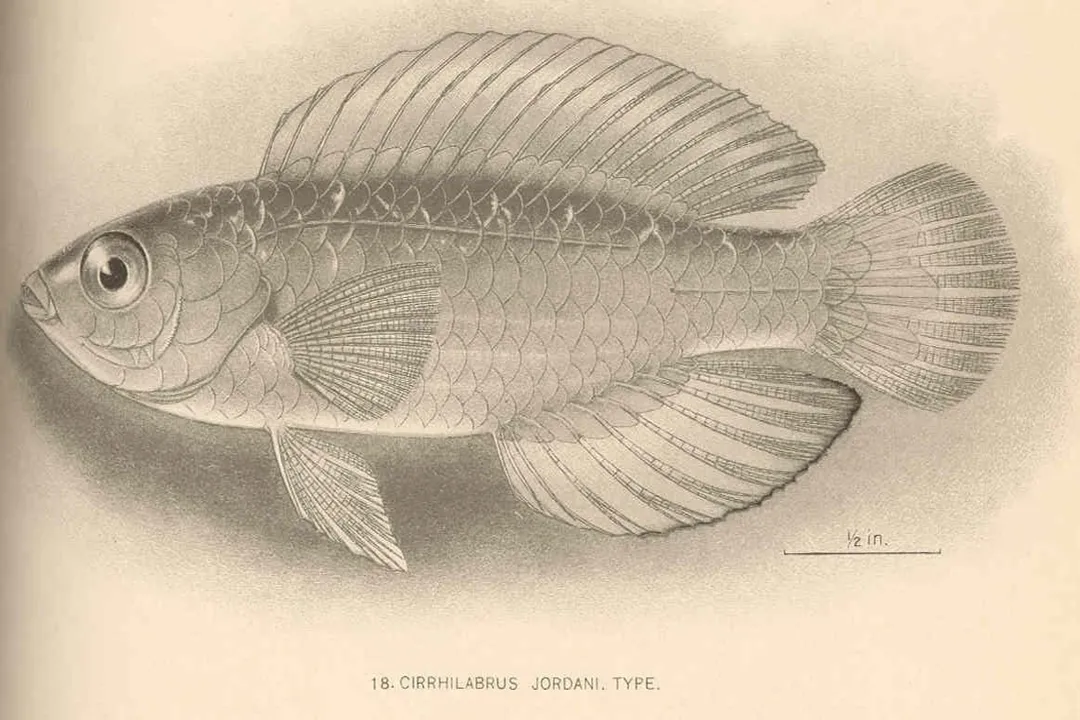
Wrasses are predominantly carnivorous or insectivorous. This means their captive diet must heavily feature protein sources derived from small invertebrates. In their natural habitats, many species are benthic feeders, meaning they spend a significant portion of their day sifting through sand or picking detritus off rocks, consuming small crustaceans, worms, and other tiny organisms they uncover. For example, some species are known to consume parasitic crustaceans off larger fish, acting as natural cleaners.
A common thread across various sources is the emphasis on providing meaty, high-quality foods. Frozen preparations are frequently recommended as staples, often including items like mysis shrimp, brine shrimp, and chopped seafood mixes. However, simply offering these staples once might not suffice, especially for the highly active members of the family. It is important to recognize that while many general wrasses thrive on a mixed diet of frozen meats and high-quality flakes or pellets, some specialized groups have narrower requirements.
# Staple Foods

When discussing the foundation of a wrasse diet, several key food items surface repeatedly. Mysis shrimp consistently rank high as an excellent staple due to their nutritional profile and size, which generally suits most wrasses. They are often preferred over brine shrimp, though brine shrimp remain a common offering, sometimes used more as an appetite stimulant than a primary source of nutrition.
One critical aspect often overlooked when feeding frozen foods is nutrient integrity. Simply defrosting and feeding often means the fish misses out on vital, added nutrients unless the food is specifically enriched. For instance, high-quality commercial foods often come pre-enriched, but when supplementing with basic frozen fare, consideration for gut-loading becomes essential. Leopard Wrasses, for example, might require more focused attention during quarantine to ensure they accept enriched foods before being moved to the main display.
For Fairy Wrasses, which are often smaller and more delicate hunters, the food particle size is paramount. Instead of solely relying on larger, chunkier frozen cubes, enthusiasts recommend high-quality, small-particle foods like copepods or enriched rotifers. The consistent availability of live copepods in a reef tank can support these smaller species beautifully, offering natural foraging opportunities that dry or large frozen foods cannot replicate. If we consider the energy demands, small, active hunters like many Fairy Wrasses might require several small feedings a day, as opposed to one large offering, to sustain their metabolic rate through the day. A weekly rotation that intentionally alternates between Mysis, enriched brine shrimp, and a quality pellet or flake ensures a broad spectrum of vitamins and fatty acids are delivered, which is far superior to relying on a single food source indefinitely.

# Feeding Frequency
The frequency with which you feed your wrasse directly correlates with its inherent activity level and its natural foraging style. Extremely active species that dart constantly around the aquarium benefit from multiple small feedings throughout the day rather than one large feeding session. This approach mimics their natural tendency to constantly peck and hunt for small bites of prey.
If you keep highly energetic wrasses, you might find yourself feeding them once in the morning and again in the late afternoon or evening. An interesting observation arises when comparing species: a stationary, bottom-dwelling wrasse might manage well on one substantial feeding, while a constantly swimming Six-Line Wrasse demands more frequent, smaller fuel injections to avoid becoming listless. For the average reef keeper, aiming for two feedings daily is a common and often successful strategy for most commonly kept, active wrasse species.
It is easy to overfeed a wrasse, especially when introducing a new specimen that seems ravenous. While they are certainly enthusiastic eaters, consuming too much prepared food, especially bulky items like brine shrimp, can lead to digestive issues or simply pollute the water column if uneaten portions settle. Therefore, the amount must be managed as carefully as the frequency. You should only offer what they can completely consume within a few minutes, typically less than what you might feed slower-moving, less active fish.
# Species Considerations
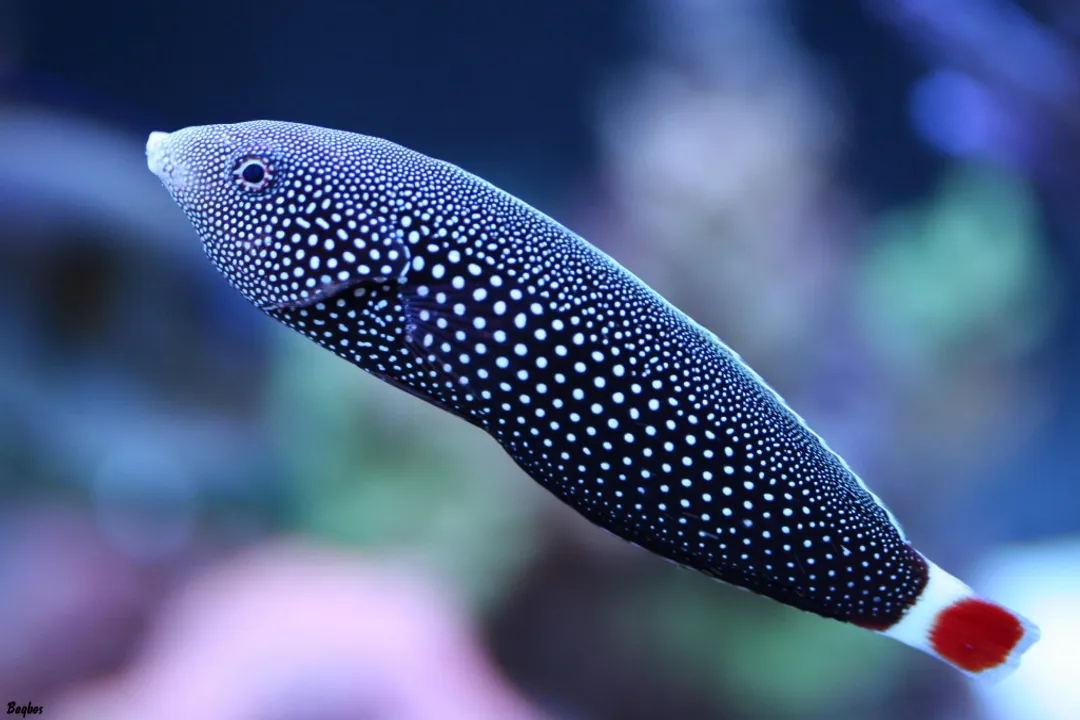
While dietary guidelines are helpful, true expertise involves recognizing species-specific needs. The Melanurus Wrasse, for example, is known to have an excellent appetite once acclimated, readily accepting mysis shrimp, various pellets, and high-quality flakes. They are generally robust feeders.
Contrast this with the delicate introduction required for some prized individuals. When dealing with a fish like the Leopard Wrasse, the initial challenge isn't just what to feed, but getting it to eat at all when newly introduced to an aquarium environment. In these transitional phases, live or frozen foods that mimic natural prey behavior, such as silversides or even slightly swimming brine shrimp, can sometimes coax a shy fish into eating before transitioning them to a frozen-then-dry food staple.
A practical consideration when stocking a mixed reef environment is predation. If you house smaller, potentially slower-moving wrasses, ensure that your primary food sources—like sinking pellets intended for bottom feeders—are not immediately monopolized by larger, faster predators like the Melanurus. Creating a feeding strategy where food is dispersed vertically and horizontally helps ensure the slower eaters get their due share. For example, targeting a sinking food item near the sand bed for a potential sand-sifting wrasse, while simultaneously targeting mid-water with floating flakes for a surface feeder, creates a more equitable feeding scenario.
# Maintaining Variety
Dietary stagnation is a known issue in captive fish keeping, often leading to deficiencies that manifest as dull coloration or suppressed immune function over time. Ensuring variety is non-negotiable for long-term wrasse health. This variety should extend beyond just rotating between three frozen foods; it should ideally incorporate different textures and types of prey.
Consider implementing a rotational feeding schedule. For instance, dedicate one day to frozen Mysis shrimp, another to a mix incorporating enriched brine shrimp and perhaps some chopped clam or squid meat, and another to a high-quality pelleted diet. By keeping a simple log, perhaps even noting down which commercially available frozen blend (e.g., herbivore mix vs. meaty mix) was used on which day, a keeper can ensure they aren't inadvertently feeding only muscle meat for weeks on end. This systematic approach prevents guesswork and guarantees a broader nutrient profile than relying on anecdotal feeding sessions.
Furthermore, the way food is presented matters. Some sources highlight the use of specialized, nutrient-dense additions. Food items steeped in vitamin supplements or offering natural sources like Cyclop-eeze can provide concentrated boosts that standard frozen brine or mysis might lack, especially if the base food isn't heavily enriched. This targeted supplementation, used sparingly alongside staples, acts as a fantastic nutritional accelerant for these high-energy fish.
Related Questions
#Citations
Favorite foods & feeding frequency for active wrasse? - Reef2Reef
Marine Aquarium Fish Nutrition: Five Fantastic Foods for Your Wrasse
Ultimate Wrasse Care Guide: Tank Setup, Feeding, Compatibility
Keeping and Feeding Fairy Wrasses | Copepods | The Algae Lab
Melanurus Wrasse Care Guide - Reef Chasers
Advice on wrasse feeding? : r/ReefTank - Reddit
Wrasse Species Spotlight - What to Know about Keeping Them
Leopard Wrasse - QT & eating | Humble.Fish & Reef Community
Food for Wrasse - Reef Nutrition
[PDF] Tropical Marine Fish How to care for wrasse