Whoodle Physical Characteristics
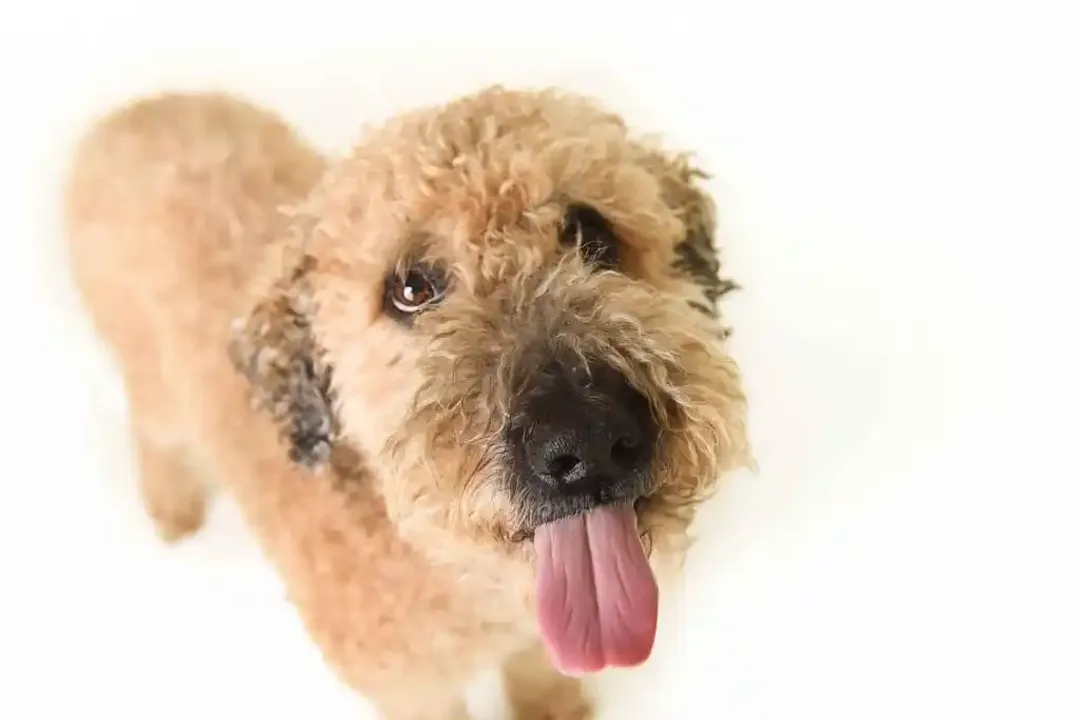
The physical presentation of the Whoodle, a cross between the Soft Coated Wheaten Terrier and a Poodle, is often described as charmingly variable, a delightful mix of traits inherited from its two popular parent breeds. Because it is a hybrid, prospective owners should anticipate a range of characteristics rather than a single standardized look, though general trends certainly emerge in terms of size, coat, and build.
# Size Range
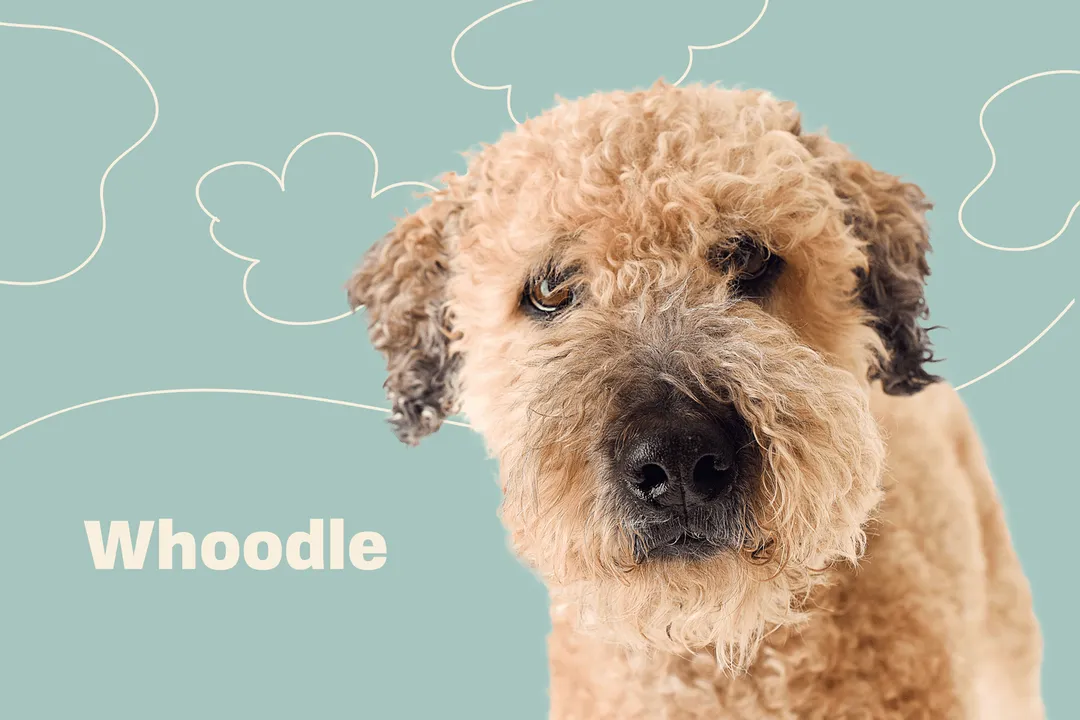
One of the most significant variables in the Whoodle's physical makeup is its eventual size, which is directly tied to the size of the Poodle used in the pairing—be it a Standard, Miniature, or Toy Poodle. This results in three main size classifications for the breed type: Toy, Miniature, and Standard.
A Toy Whoodle, typically resulting from a Toy Poodle cross, generally stands under 15 inches at the shoulder and weighs less than 20 pounds. The Miniature Whoodle occupies the middle ground, usually measuring between 15 and 18 inches tall and weighing perhaps 20 to 35 pounds. Finally, the Standard Whoodle—often the result of crossing with a Miniature or Standard Poodle—can reach heights exceeding 18 inches and weigh upwards of 35 to 50 pounds. It is worth noting that while these are standard guides, individual puppies within a single litter can sometimes exhibit slight variances depending on the specific genetic expression they receive from each parent.
When considering adoption, it can be helpful to inquire about the size of the parents, particularly the Poodle parent, as this offers a slightly more concrete prediction than relying solely on the "Toy" or "Miniature" label, which can sometimes be applied loosely in hybrid breeding. For instance, two dogs labeled "Miniature" by different breeders might easily have a five-pound difference at maturity if one breeder used a very small Miniature Poodle and the other used a larger one approaching Standard size.
# Coat Qualities
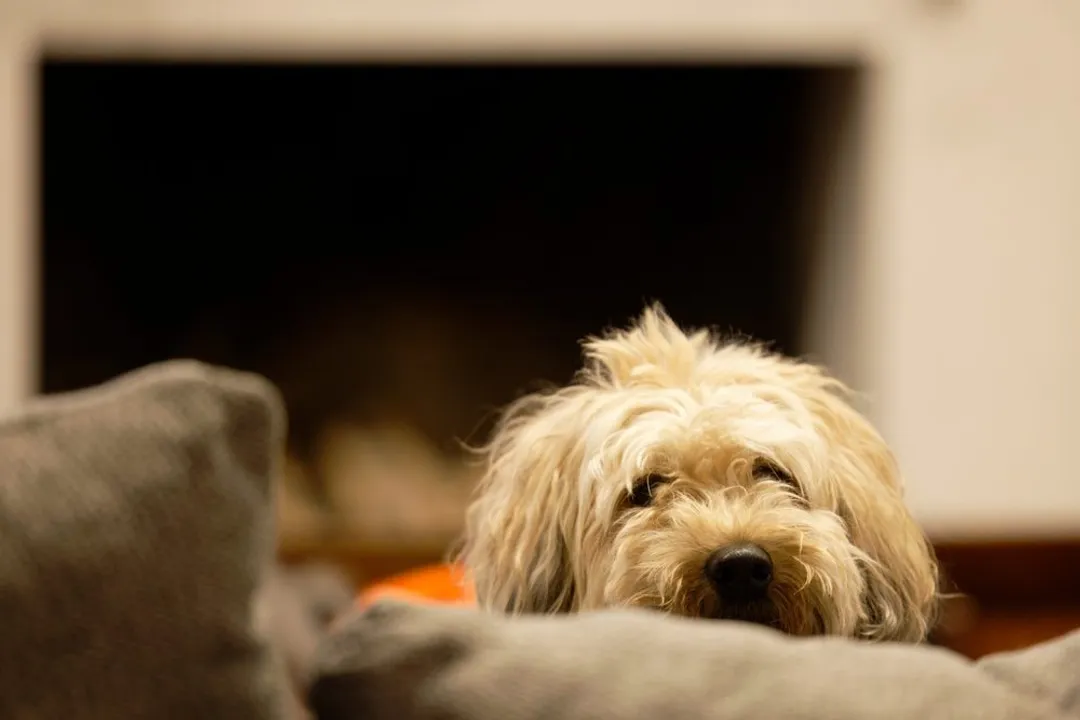
The coat is arguably the most defining physical characteristic of the Whoodle, inheriting the low-shedding nature of the Poodle while blending the texture of the Wheaten Terrier. The resulting coat texture is highly variable. Some Whoodles present with a soft, wavy coat reminiscent of the Wheaten, while others display the tighter curls associated with the Poodle. It is also common to see dogs with a blend—a shaggy, wavy, or slightly tousled appearance that sits somewhere between the two extremes.
Coloration is another area where diversity shines. The Soft Coated Wheaten Terrier imparts shades of cream, gold, or reddish-gold. When mixed with the Poodle, which carries a wide spectrum of colors, the Whoodle can appear in solid colors like cream, apricot, black, silver, or various shades of brown. It is rare, though not impossible, to see a Whoodle that clearly exhibits the "fading" coat often seen in purebred Wheatens, where the puppy coat lightens significantly as they mature.
Despite the variation in texture, a key physical benefit frequently cited by owners is the reduced shedding associated with this mix, as both parent breeds are known for lower dander production compared to heavy-shedding dogs. However, this low-shedding quality comes with a significant maintenance trade-off: that soft, wavy, or curly hair must be regularly brushed and professionally groomed to prevent matting. An owner should budget time or money for grooming regardless of whether their specific Whoodle inherited a wavier or curlier texture, as both types demand consistent maintenance to keep the coat healthy and comfortable for the dog.
# Head and Structure
The general structure of the Whoodle tends to be balanced and sturdy, reflecting the Terrier heritage blended with the athletic build of the Poodle. They are generally medium-boned dogs, neither overly fine nor excessively heavy in build.
The eyes are often dark, giving them an intelligent and expressive look that draws favorable commentary from observers. Ear set is another area where the hybrid nature shows, with ears typically being drop or pendant-shaped, hanging close to the sides of the head. This ear style, common to both parent breeds, means owners must pay close attention to cleaning inside the ear canal to prevent moisture buildup and potential infections, a common consideration for floppy-eared dogs.
Their muzzle tends to be moderately long, neither overly short nor excessively pointed, fitting well with the overall facial symmetry. When observing a Whoodle's gait, they often move with a light, springy step, possessing an eagerness that hints at the terrier tenacity beneath the often-sweet exterior.
# Physical Consistency Notes
It is important for prospective owners to understand that while many resources describe a "typical" Whoodle, the actual dog you acquire will be a unique combination of two distinct breeds. Unlike a purebred dog where appearance is governed by strict standards, the Whoodle is defined by its hybrid vigor and variability. This means that while one person's Toy Whoodle might be squarely built and curly-coated, another's might be slightly leggier with a wavier texture.
This unpredictability in physical traits, while sometimes frustrating for those desiring exact standards, is often seen as the breed's charm. Understanding the genetic makeup helps manage expectations. If a family is looking for a dog specifically to participate in agility competitions, for example, they might look toward offspring from Standard Poodle and Wheatens, as this pairing is more likely to produce the height and stamina required, whereas a Toy line would be better suited for apartment living and lap companionship. The physical robustness generally allows them to be active companions, provided their size matches their daily exercise needs.
Related Questions
#Citations
Whoodle Dog Breed Information & Characteristics - DogTime
Whoodle Dog Breed Health and Care - PetMD
Whoodle: The Ultimate Guide For Dog Owners Who Love To Travel
What is a Whoodle?
Whoodle Breed: Your Complete Guide - Dog Academy
Whoodle Dog Breed Information & Characteristics - Daily Paws
Sheepadoodle vs. Whoodle: Which Doodle Is the Best Match for You?
Whoodle Breed Guide: Everything You Need to Know – Wild Earth
Whoodle | Dog Breed Facts and Information - Wag! Dog Walking