What family are nuthatches in?
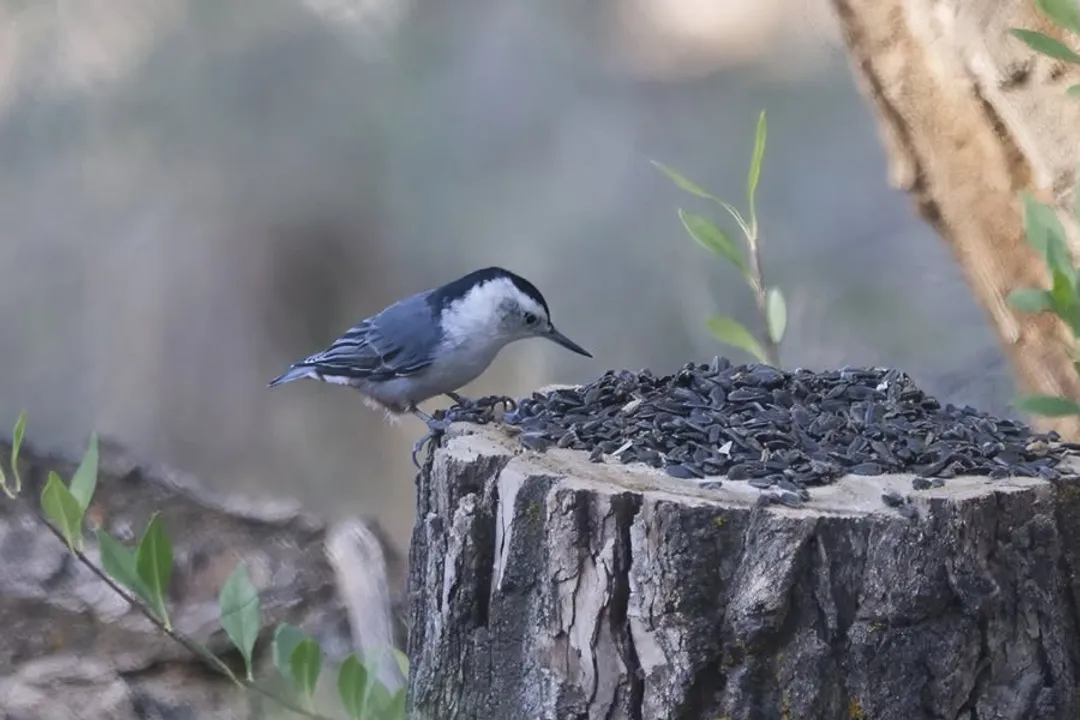
The small, acrobatic birds that scale tree trunks in an upside-down fashion are members of the family Sittidae. [1][7][6] These birds, commonly known as nuthatches, are fascinating subjects for bird watchers precisely because of this unique acrobatic ability, which sets them apart from many other bark-foraging species. [1][2] While they might superficially resemble creepers or even woodpeckers due to their vertical clinging habits, their taxonomic placement is distinct, positioning them within the order Passeriformes, the perching birds. [1]
# Scientific Placement
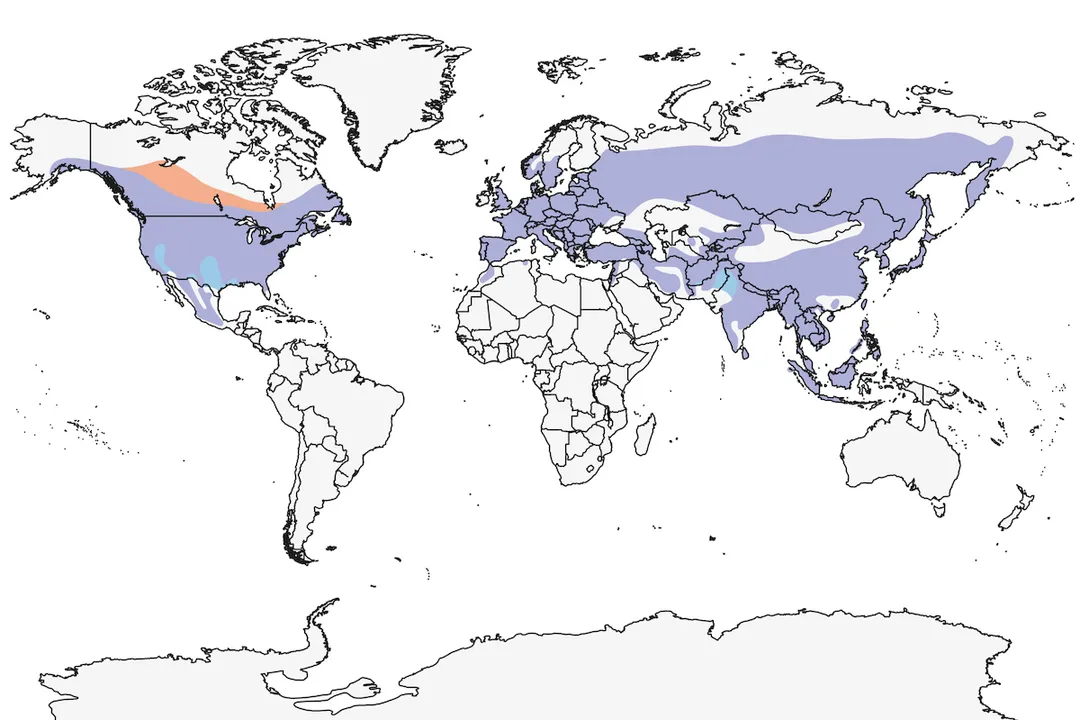
The formal scientific classification places all nuthatches within the family Sittidae. [1][7][6] Historically, taxonomic arrangements have varied slightly; for instance, some systems have grouped them more broadly within the superfamily Certhioidea, which includes treecreepers. [1] However, the dedicated family name, Sittidae, remains the standard designation recognized by modern ornithology. [6] Depending on the geographic region studied, the diversity within this family is quite rich, encompassing around 25 recognized species across the globe. [1] In North America, familiar examples like the White-breasted Nuthatch thrive, [4] while the Eurasian continent hosts its own notable members. [9] Even in Central America, the family’s reach extends, indicating a significant evolutionary success across various temperate zones. [5]
# Physical Traits
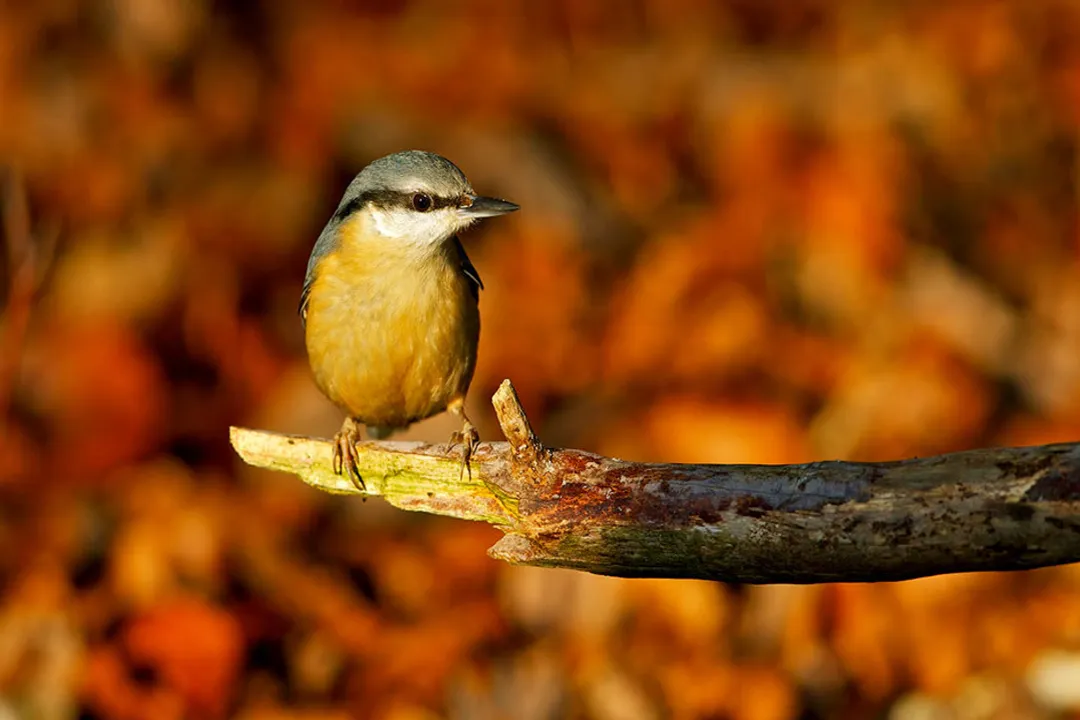
What physically defines a member of the Sittidae family is a suite of adaptations perfectly tuned for clinging and maneuvering on rough bark surfaces. [2] They possess relatively strong legs and large feet, equipped with sharp claws that provide exceptional grip, allowing them to defy gravity with ease. [1][2] This structural advantage is what enables the characteristic head-first descent down a tree trunk, a feat that many other bark-gleaning birds avoid, preferring to move upward or hop sideways. [1]
In terms of profile, nuthatches generally have a relatively short tail compared to woodpeckers, and their bill is straight and pointed. [1] This bill shape is crucial for their feeding style. While they are active foragers, probing bark for insects and spiders year-round, [1][2] their appearance is notably compact and sturdy when viewed clinging flat against wood. [4] The coloration across species varies, but many share a somewhat blue-gray back and darker cap, though exceptions abound across the roughly 25 species found worldwide. [1]
# The Name Origin
The common name "nuthatch" itself provides a strong clue regarding one of the family’s signature foraging behaviors: food caching and processing. [8] The name is thought to derive from the bird's habit of wedging nuts or large seeds into bark crevices and then hammering them open with its bill—essentially hatching the nut. [8][1]
This behavior is a fascinating display of problem-solving, particularly prominent during the colder months when easily accessible soft-bodied insects are scarce. [4] While they readily take sunflower seeds or peanuts from backyard feeders, they rarely consume large items on the spot. Instead, they secure the item in a crack, then use rapid, repeated blows of their strong bill to break the shell open, retrieving the kernel inside. [8][4] This food processing method requires significant dexterity and force, relying on the strength of their neck and bill structure. [1] It is worth noting that this specialized caching strategy allows them to access food resources that might be too large or too hard for smaller songbirds to manage, thereby carving out a secure niche for the family across different seasons. [9]
# Geographic Span
The distribution of the Sittidae family covers vast stretches of the Northern Hemisphere’s forested regions. [1][2] They are well-established across North America, Europe, and Asia. [1] In many parts of their range, they are year-round residents, though some northern populations might undertake limited movements depending on local food availability. [4] The Eurasian Nuthatch, for example, is a familiar sight in European woodlands, [9] while numerous species inhabit the diverse forests of the American continent. [4] The presence of species in Central America further demonstrates the family’s adaptability to various woodland structures, from mature deciduous forests to mixed conifer stands. [5]
# Cavity Use
A key shared characteristic among many nuthatch species is their preference for nesting in tree cavities. [1][2] Unlike woodpeckers, nuthatches rarely excavate a full nesting hole from scratch, often preferring to utilize existing holes created by rot or by other birds. [1] However, they show a pronounced ability to enlarge existing openings to suit their needs. [2]
What makes their nest construction particularly noteworthy, and perhaps a family-specific defense mechanism, is the use of mud or resin. [1] Many species are observed plastering the entrance to their chosen cavity with mud, effectively narrowing the hole to a size that better excludes larger nest competitors or predators. [1] This level of nest defense and modification speaks to a strong inherent territoriality centered around secure nesting sites, a trait that likely contributes to their success as established residents in many woodlands. [9] If you observe a small hole in a tree trunk with a distinct rim of mud or even resin smeared around the edges, you are likely looking at a nuthatch home, a detail often overlooked when simply watching them forage at the feeder. [1]
# Foraging Niche
The ability to climb head-down is more than just a neat trick; it represents an ecological advantage. When observing a mixed flock of birds in a mature woodland, you will often see woodpeckers moving up the trunk, and creepers spiraling upward in a jerky fashion, seeking insects hidden in the rough outer bark. [1] The nuthatch, by descending head-first, effectively surveys the downward-facing surfaces and the lower portions of the trunk that might be missed or ignored by these other specialists. [2] This behavior ensures that the Sittidae family minimizes direct competition for the same insect and spider resources residing on the bark crevices, allowing several bark-gleaning species to coexist within the same forest community. This subtle difference in vertical foraging orientation is an excellent example of niche partitioning in action.
To bring this observation closer to home for those who enjoy feeding birds, considering their caching habit is key. If you offer large, hard items like whole peanuts or large sunflower hearts, remember that the nuthatch needs a surface to work on. A standard tray feeder might allow them to grab the seed, but they will immediately fly to the nearest tree or post to wedge it in place before hammering it open. [8] This means that while they enjoy a wide variety of foods, their access to high-energy winter foods is often dependent on having suitable bark nearby, not just the feeder itself. Providing suet in a wire cage or a hopper feeder filled with black oil sunflower seeds caters well to their immediate consumption needs, while leaving some larger nuts in a less accessible location might reward you with the sight of them actively "hatching" their meal later in the day. [4]
Related Questions
#Citations
Nuthatch - Wikipedia
Sittidae - Nuthatches - Birds of the World
Nuthatches: Small Birds with Unique Characteristics and Behaviors
White-breasted Nuthatch - All About Birds
Nuthatches (Central America) Species Guide - Birda
Nuthatches (Genus Sitta) - iNaturalist
Sittidae - Nuthatches - BTO
Nuthatches (Family Sittidae) get their name from their propensity for ...
Nuthatch (Sitta europaea) - British Birds - Woodland Trust