Does seeing one American cockroach mean infestation?

A single cockroach sighting, especially when it happens unexpectedly at night, sends a sharp spike of unease through anyone managing a home. That immediate, instinctive question—Is this the only one, or is this the first sign of a major population hiding in the walls?—is completely reasonable. [8] For many homeowners, encountering even one of these pests is rarely dismissed as an isolated incident; often, that intuition that something larger is lurking underneath is entirely correct. [4][5]
# Roach Type

When you spot a large roach, identifying the species can offer clues about the severity and location of the problem. [9] If the unwelcome visitor is large, reddish-brown, and seems quite speedy, you are likely dealing with the American Cockroach (Periplaneta americana). [7][9] These aren't the smaller German cockroaches that breed rapidly indoors; the American species are the giants of the pest world, often reaching over an inch and a half long. [7]
American Cockroaches have a distinct preference for damp, warm environments. [7][9] Think of places near sewers, floor drains, steam pipes, basements, and crawl spaces. [7] While they can certainly wander into kitchens or living areas while foraging, their primary nesting zones are usually tied to moisture sources outside or in the foundational areas of a structure. [9] Finding one indoors is often a sign that they have successfully accessed your home's plumbing or basement infrastructure. [7]
# Single Sighting
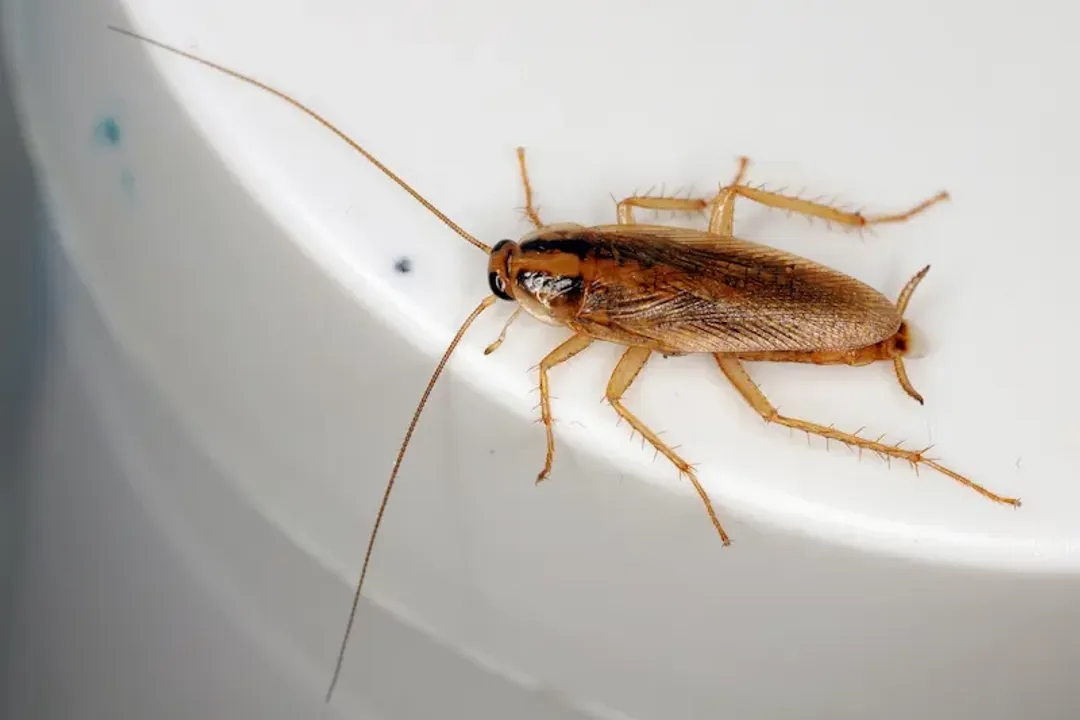
The central debate revolves around whether one scout is an isolated traveler or a harbinger of an established colony. In many cases, a single sighting indicates that an existing population is already present somewhere nearby. [2][5] Cockroaches are highly social creatures, and while a lone individual might occasionally wander in from outside—perhaps having hitched a ride or simply seeking shelter—the odds favor the presence of more. [1][5]
When an infestation becomes established, these insects venture out from their hiding spots primarily to seek food, water, or a new location when their current harbor becomes overcrowded. [1][5] If an American cockroach is seen far from a known damp area, it is more likely that it has traveled through interior pathways from a hidden breeding site within the structure itself, implying a population has already taken hold. [2]
It is important to recognize the reproductive cycle. Cockroaches are r-selected pests, meaning they mature relatively quickly and produce many offspring, though not as rapidly as some smaller species. [1] This means that by the time you see one visible adult, the colony behind it has likely been active for some time, as the population needs to reach a certain threshold before individuals start regularly venturing out during daylight or into open areas. [1] Seeing one is rarely the very first indication of a problem; it is usually the first visible indication. [8]

# Clear Evidence
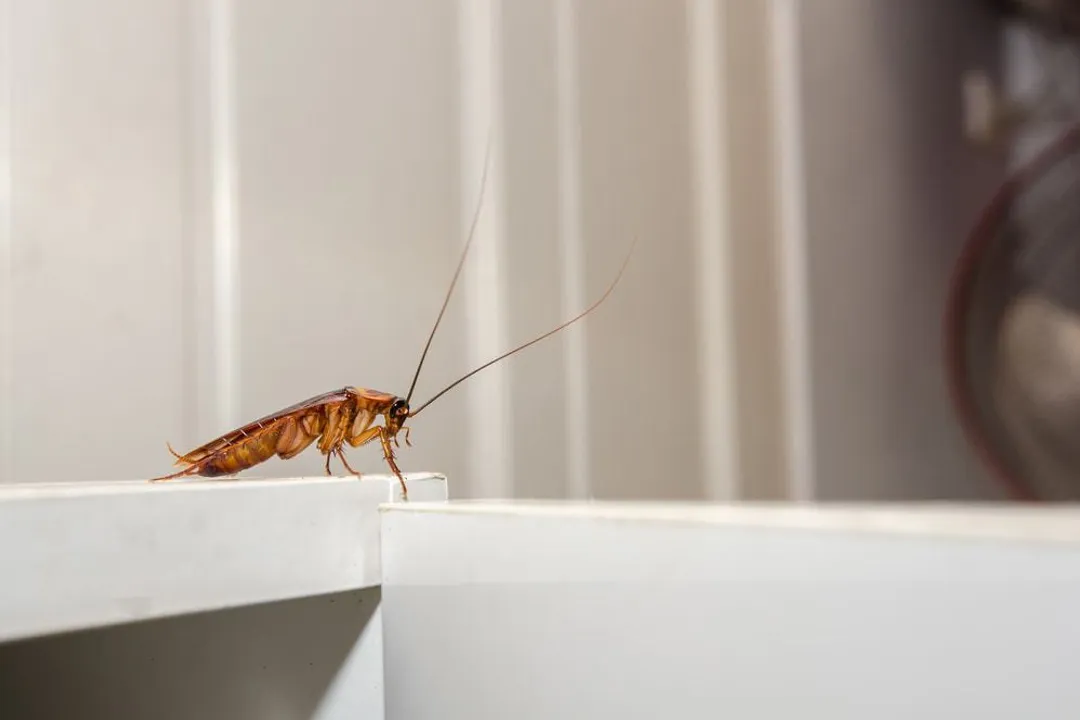
Relying solely on sight is risky, as you are only seeing the fraction of the population brave enough to be active during your observation time. [6] To properly assess the situation, you need to look for secondary signs that confirm an established presence. [3][6]
Look for these signs, which point toward an existing harborage:
- Droppings: Cockroach feces can appear as small, dark specks resembling ground black pepper or coffee grounds, especially along baseboards, in drawers, or near food preparation areas. [3][6] If you see smears or streaks, particularly on vertical surfaces near cracks, this suggests an American cockroach has run across the surface after consuming liquid or moist food. [3]
- Oothecae (Egg Cases): Finding one of these protective capsules is definitive proof of breeding occurring nearby. [6]
- Shed Skins: Cockroaches molt several times as they grow. Finding these translucent, empty shells indicates that juveniles are developing within your environment. [6]
- Odor: A large, sustained infestation, particularly of the larger American species, can produce a distinct, musty, or oily odor in localized areas where they congregate. [3]
If you spot a single roach and notice any of the secondary evidence listed above, the scenario moves immediately from "potential issue" to "confirmed infestation". [6]
# Next Action

Even if you find no other signs after seeing one American cockroach, the best practice is to treat the sighting as a warning shot that requires immediate, targeted action rather than waiting for the population to grow. [4][8] Because of their preference for damp, deep harborages, a full inspection is necessary.
For a homeowner assessing the risk related to the large American species, focus your inspection efforts systematically around moisture:
- Utility Access Points: Check around all pipe penetrations entering the home, especially in basements, crawl spaces, and utility closets. Seal any gaps larger than a dime using steel wool packed tightly into the void before capping with expanding foam or caulk—this prevents both entry and easy escape. [5]
- Drains: Since American roaches thrive in sewer environments, check seldom-used floor drains, laundry sinks, and basement shower drains. Running water down infrequently used drains nightly for a week can help flush out very low-level activity, though physical barrier control may still be needed. [7][9]
- Moisture Sources: Look underneath the refrigerator drip pan and behind dishwashers where condensation can build up unnoticed. Repairing any slow leaks in under-sink plumbing is critical, as persistent moisture is a major attractant. [7]
A singular sighting is an alarm bell, demanding vigilance. For the large, moisture-loving American Cockroach, this alarm points toward the foundation, plumbing, and drainage systems of the home—areas that need inspection and moisture control long before you see the next insect out in the open. [9] Treating the issue promptly, even based on one sighting, significantly reduces the chance of developing a far more difficult-to-manage infestation later on. [4]
Related Questions
#Citations
Is 1 cockroach cause for concern? : r/homeowners - Reddit
I saw a single cockroach in my room at night. Is it possible that it's ...
Signs You Have Cockroaches | ScottsMiracle-Gro US
Does One Cockroach Mean An Infestation? - Lindsey Pest Services
Is One Roach The Sign of An Infestation | Solutions Pest & Lawn
Does Seeing One Cockroach Mean There's an Infestation?
American Cockroach Identification & Control Guide
One Cockroach in Your Hampton Roads Home? Infestation Risks
American Cockroach Identification & Characteristics