Are Alpine Dachsbrackes good with other dogs?

The temperament of the Alpine Dachsbracke when encountering other canines is a nuanced topic, largely rooted in their heritage as a scent hound bred for tracking and trailing game. [1][3][7] Understanding their instincts is the first step in predicting how they might interact with dogs at the park or in the home environment. These dogs are generally described as hardy, determined, and possessing a great deal of courage, traits essential for their original work in the mountainous terrain of the Alps. [1][7]
# Breed Background
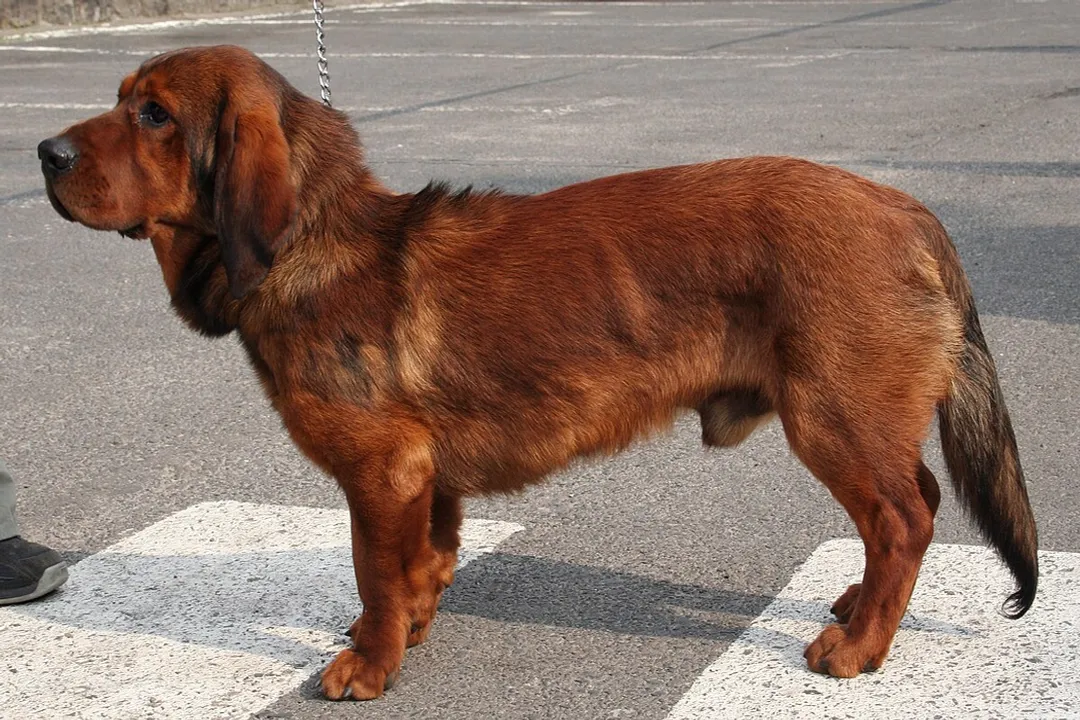
The Alpine Dachsbracke is classified as a scent hound, closely related to the larger Dachsbracke group, which includes breeds known for their powerful noses and low-to-the-ground build, perfect for following a trail through dense undergrowth. [7][8] This breed standard emphasizes tenacity and a strong drive to follow a scent, sometimes even over their owner's commands once they are "on the job". [5] They are sturdy, short-legged dogs recognized by organizations like the FCI, though they may be less widely known globally compared to other hounds. [1] Their working purpose—tracking wounded game—suggests an independent streak and a singular focus, which translates into their general demeanor. [3]
# Social Tendencies
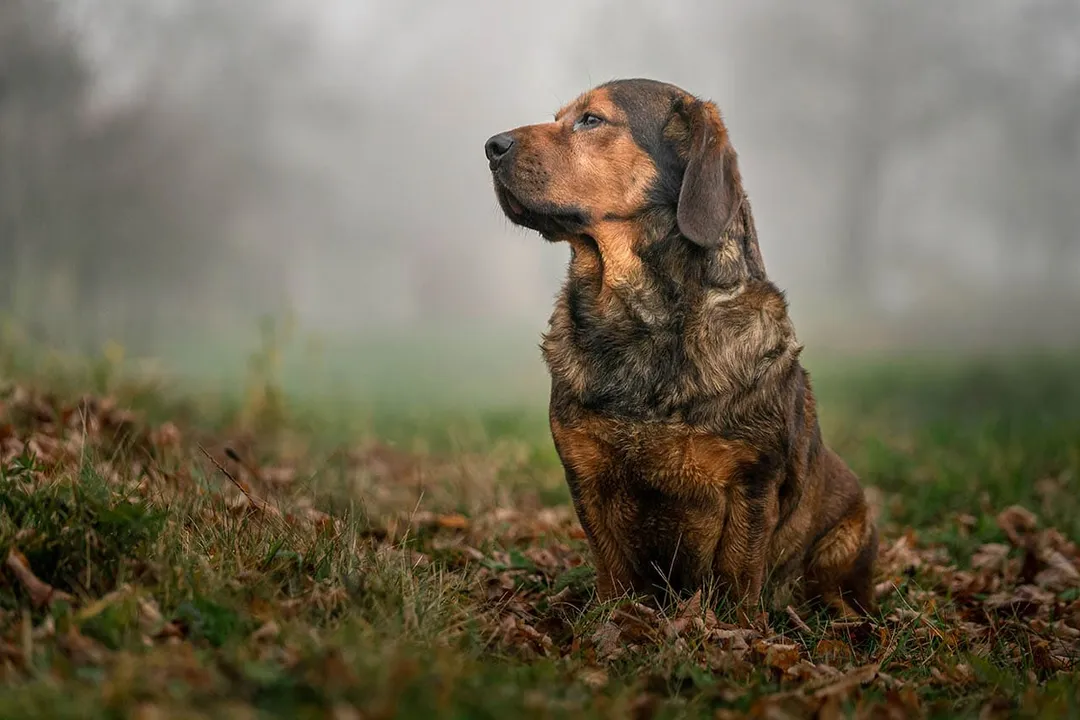
When evaluating an Alpine Dachsbracke's compatibility with other dogs, one must weigh their inherent pack orientation against their strong hunting drives. Many sources suggest that while they can be good family companions, they are not always automatically accepting of every dog they meet. [2][6] Due to their background, some individuals may display a tendency toward dog-to-dog selectivity or even possessiveness, particularly if they have not been properly socialized from a young age. [3] It is often noted that they can be somewhat wary or reserved around unfamiliar dogs, sometimes leaning towards dominance or conflict if challenged, which is a common trait among many scent hound breeds. [7]
However, this doesn't mean they cannot coexist peacefully. If introduced correctly, they can certainly learn to share their space. The key difference often lies in how they were raised. A Dachsbracke raised alongside another dog from puppyhood often develops a stronger, more accepting bond than one introduced to an established canine resident later in life. [2] Anecdotal reports from owners suggest that while they are affectionate with their immediate family members, interactions outside this core group require careful, supervised management, especially in novel or exciting environments where their prey drive might be triggered. [4]
# Handling Prey Drive
One critical area impacting dog-to-dog interactions is the breed's inherent prey drive. While this drive is aimed at scenting and trailing, it can sometimes be misdirected toward smaller, fast-moving animals, which might include very small dog breeds that exhibit darting behaviors. [7] It’s helpful to remember that for a scent hound, an exciting smell or sudden movement is a powerful motivator, overriding learned social cues momentarily. [5]
For households with multiple pets, this translates into a need for structured management, not just passive hope. For instance, when walking, keeping the Alpine Dachsbracke on a lead near unfamiliar dogs that are acting excitable can prevent misunderstandings before they start. Furthermore, when feeding multiple dogs, separating them completely ensures that the food resource does not become a flashpoint for tension between housemates. [7] Recognizing this deep-seated instinct is more valuable than simply labeling the breed as "aggressive"; it is instinctive focus that needs channeling. [3]

# Socialization Imperatives

The consensus across breed information is that early and extensive socialization is non-negotiable for this breed if you desire a dog comfortable in diverse social settings. [2][6] This isn't just about being present while other dogs walk by; it involves positive, controlled exposure to a wide variety of sights, sounds, people, and, crucially, other calm, well-behaved dogs during their critical development window. [7]
A systematic approach to socialization can greatly influence their adult demeanor. Instead of simply throwing a young Dachsbracke into a chaotic dog park, a better strategy involves structured "meet-and-greets." This might look like:
- One-on-One Introductions: Arrange meetings in neutral territory with one known, non-reactive dog. Keep the initial interaction brief and positive, ending on a high note with treats or praise. [2]
- Controlled Environments: Enroll in well-managed puppy classes or adult obedience courses where interactions are supervised by professionals who understand dog body language. [7]
- Positive Association: Always pair the presence of another dog with something highly desirable, such as high-value treats or a favorite toy, to build a positive association from the start. [6]
If an owner misses this early window, they should not despair, but they must accept that management and ongoing, careful counter-conditioning will be a necessary part of ownership throughout the dog's life. [3]
# Managing Household Dynamics
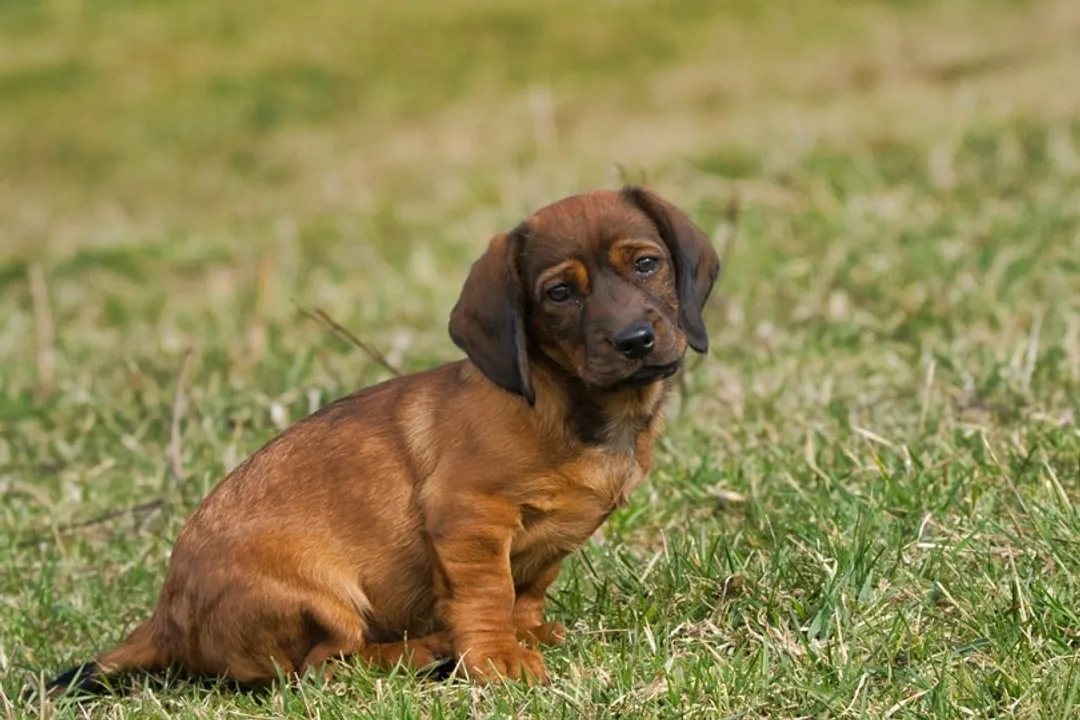
For families considering bringing an Alpine Dachsbracke into a multi-dog home, the introduction process needs to be slow, methodical, and carefully monitored, irrespective of the other dog's history. [2] While a Dachsbracke might bond strongly with a specific companion dog over time, they may remain aloof or bossy with newcomers. [1]
When comparing the Alpine Dachsbracke to, say, a Labrador or a Golden Retriever, breeds often selected for high general sociability, the Dachsbracke requires a different expectation. You are working with a heritage of focused independence rather than one bred purely for cooperation in human activities. [7]
Here is a simple comparison framework for setting expectations:
| Trait | Highly Sociable Breed (e.g., Retriever) | Alpine Dachsbracke | Implication for Introductions |
|---|---|---|---|
| Initial Greeting | Usually enthusiastic and open | Often cautious, sometimes aloof or probing | Keep initial meetings brief and on-leash |
| Resource Guarding | Less common, typically correctable | Can be higher due to hound focus | Implement feeding separation immediately |
| Response to Challenge | May tolerate more before reacting | May be quicker to assert status if not socialized | Ensure all interactions are monitored closely |
This shows that while the Dachsbracke is certainly capable of deep bonds, an owner must be prepared to proactively manage potential conflicts related to resources or perceived challenges to their status, especially early on. [3][7] They might not naturally "make friends" the way some fluffier breeds do; they choose their friends, often based on shared, calm experiences over time. [2]
# Training and Leadership
Ultimately, the best indicator of how an Alpine Dachsbracke will behave around other dogs is the strength and consistency of the human leadership provided. [6] A dog that respects boundaries and views its owner as the reliable provider of safety and direction is far less likely to feel the need to police the actions of other dogs. This involves consistent obedience training that reinforces recall and "leave it" commands, even when the dog is distracted by a fascinating smell. [5]
A practical approach is to practice parallel walking with a friend and their calm dog. Start far enough apart that your Dachsbracke notices the other dog but remains focused on you. Reward heavily for polite leash walking. Gradually decrease the distance over several sessions, making sure that every time the dogs pass each other calmly, they receive a high-value reward. If either dog tenses up, you have moved too quickly, and you should immediately increase the distance again and reset the exercise. [7] This proactive training builds confidence in the owner and teaches the dog that calm coexistence is more rewarding than reactive excitement.
In conclusion, while the Alpine Dachsbracke possesses the genetic blueprint of a determined hunter, which can sometimes manifest as selectivity or wariness toward unfamiliar dogs, they are not inherently incompatible with other canines. [1][3] Success hinges almost entirely on the commitment of the owner to dedicated, early socialization, consistent training that respects their scent-driven nature, and structured management of resources and introductions. [2][7] With this foundation, they can very happily share their lives with compatible canine companions.
Related Questions
#Citations
Alpine Dachsbracke - Wikipedia
All about Alpine Dachsbracke breed - Animalia
The Alpine Dachsbracke - lassie hondekos
Alpine dachsbracke: larger, muscular dachshund version? - Facebook
Alpine Dachsbrake | The Stalking Directory
Alpine Dachsbracke Dog Breed: Info, Pictures, Care & Traits - Dogster
Alpine Dachsbracke Dog Breed - Facts and Information - rocadog
Alpine Dachsbracke breed: durable hunting dog with amazing nose
If You Love Dachshunds, You've Got to Meet the Dachsbracke