Are Neapolitan Mastiffs high maintenance?
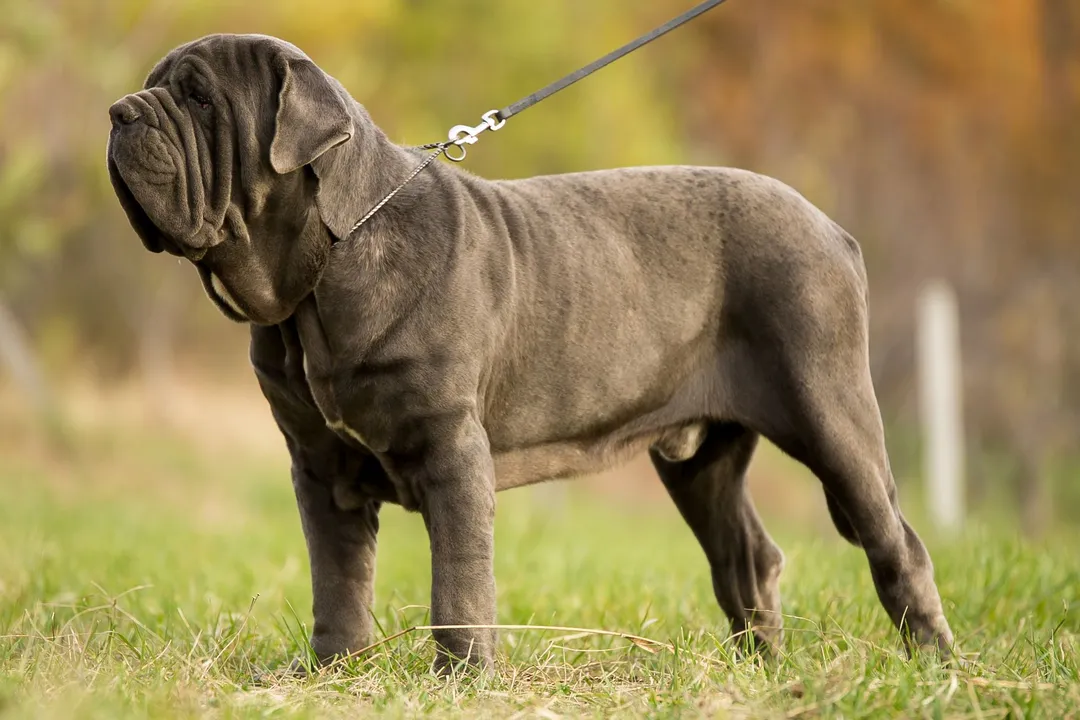
Owning a Neapolitan Mastiff, or a "Neo," immediately places you in the company of those who appreciate ancient lineage and staggering physical presence. These dogs are magnificent, often described as living statues with a massive build and loose, heavy skin that drapes across their faces. [1][2] When considering whether this breed is high maintenance, one must look beyond simple weekly brushing and examine the totality of their physical, medical, and temperamental needs. The answer leans toward yes, they require a dedicated, informed owner prepared for the logistics of a giant dog with specific anatomical considerations. [8]
# Massive Scale
The sheer size of the Neapolitan Mastiff is the first element demanding high maintenance commitment. Males frequently weigh between 110 and 150 pounds, and females are typically between 90 and 120 pounds, sometimes more. [1][2][7] This mass dictates everything from feeding costs to the necessary living space. They are not apartment dogs, requiring room to maneuver their substantial frames. [7]
One often overlooked aspect of maintenance for giant breeds involves infrastructural preparedness. It is not just about having a big yard; it's about anticipating the financial implications of size. For example, many standard renters' insurance policies or homeowner policies may exclude coverage for breeds reaching this weight class, or they will require significantly higher premiums, representing a hidden, non-dog-related maintenance cost of ownership. [8] Furthermore, their strong, imposing nature means that securing fences and gates must be done with engineering rigor, not just casual placement, as a determined Neo can easily push through inadequate barriers. [1]
# Skin Folds

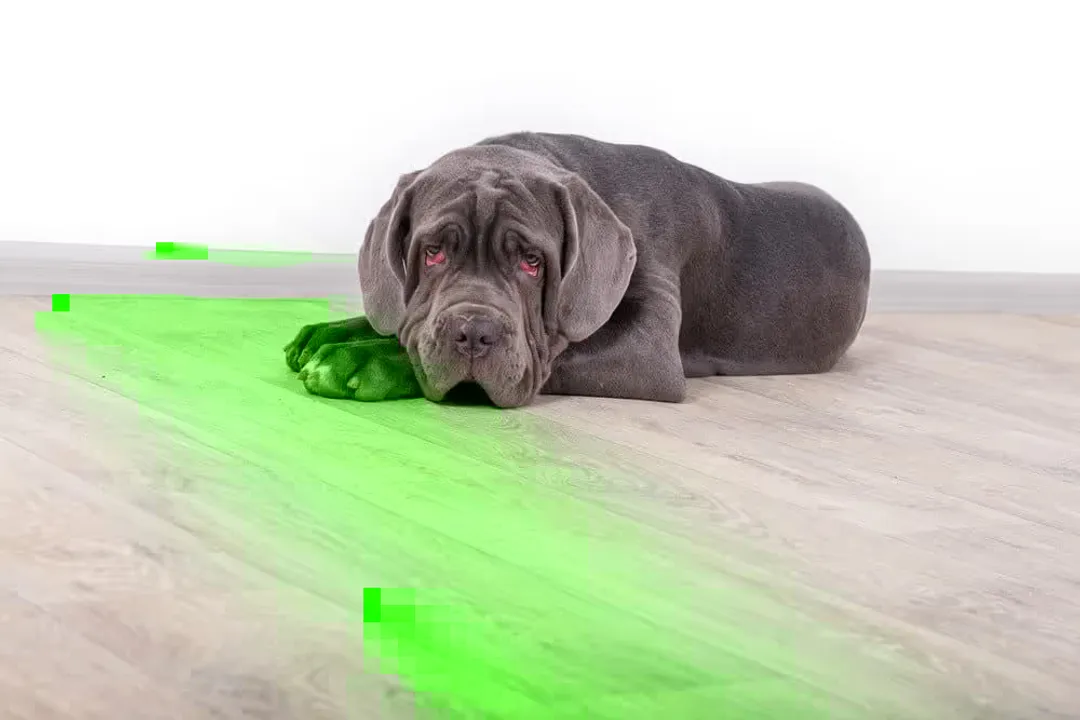
Perhaps the most visually striking, and certainly one of the most maintenance-intensive, features of the breed is their copious amounts of loose skin and wrinkles, particularly around the face and neck. [2][4][9] While these folds contribute to their formidable appearance, they create dark, warm, moist environments perfect for bacterial or yeast infections. [4][5]
Owners must dedicate time not just to brushing their short coat—which is relatively easy—but to meticulously cleaning and drying these skin folds daily or several times a week, depending on the dog’s environment and activity level. [5][9] If drooling is a factor—and with Neos, it almost always is—the moisture trapped in the jowls and neck folds increases the risk of dermatitis. A quick wipe with a damp cloth followed by thorough drying is critical preventative care that a novice owner might underestimate. [5] Compare this to a short-haired breed like a Boxer or a Pointer; while they may shed, they don't require specific, daily anatomical inspections of their skin layers. [1]

# Training Commitment
Neapolitan Mastiffs are inherently reserved, calm indoors, and possess a strong territorial instinct. [2][8] This protective nature, combined with their immense strength, means that training is not optional; it is the baseline requirement for responsible ownership. [8] They are intelligent but possess an independent streak, often requiring an owner who can establish quiet, firm leadership from day one. [1][2]
The maintenance here is mental consistency. While a Neo might be easy to manage on a good day when they feel like cooperating, the commitment lies in presenting an unchanging front every single day for their entire lives. Allowing lax rules one week because you are tired, only to enforce them the next, confuses an independent thinker like a Neo, potentially leading to power struggles you cannot win given their physical capabilities. [8] Early and continuous socialization is equally crucial. Exposing them gently but firmly to a variety of sights, sounds, people, and places starting as puppies helps ensure their natural wariness doesn't escalate into unwarranted aggression. [1][8] This preventative behavioral maintenance is far less taxing than rehabilitating an overly suspicious, giant adult dog.
# Health Demands
When assessing maintenance, veterinary care and lifespan considerations are paramount. Neos have a relatively short expected lifespan, averaging between 8 to 10 years. [8] This short window means owners must be highly proactive regarding potential health crises common to giant breeds.
Several major concerns require constant vigilance:
- Bloat (Gastric Dilatation-Volvulus or GDV): This life-threatening condition where the stomach fills with gas and twists requires immediate, specialized surgery, often costing thousands of dollars. [4][8] Owners must learn the subtle signs and understand risk reduction strategies, such as feeding smaller, more frequent meals rather than one large one, and strictly limiting exercise immediately before or after eating. [9]
- Orthopedic Issues: Hip and elbow dysplasia are common due to their rapid growth rate and heavy frame. [8][9] Maintenance here involves carefully managing puppy nutrition, monitoring activity levels to avoid injury during growth spurts, and potentially managing chronic arthritis in adulthood with medication or supplements. [4]
The financial maintenance associated with these potential issues means investing heavily in quality preventative care, potentially including specialized orthopedic exams or insurance coverage designed for giant breeds, adding another layer to the ongoing commitment. [4]

# Daily Routine Realities
While they are often described as couch potatoes indoors, this calm disposition must not be confused with low energy needs. [2][7] Neapolitan Mastiffs require daily exercise, usually satisfied with brisk walks, though they are not typically suited for long-distance running or intense, sustained athletic work. [7] A mature Neo needs moderate daily activity to keep muscle tone and prevent boredom-induced destruction or anxiety. [2]
The maintenance of their routine must also account for their tendency to drool. [5] A dog that can weigh 150 pounds and produce streams of slobber requires owners to adapt their home environment. Furniture covers, designated "drool zones," and the acceptance that floors and walls near the water bowl or feeding station will require frequent wiping are part of the acceptance package. [5] This goes beyond standard cleaning; it is constant, specialized surface maintenance dictated by the breed's physiology.
# Temperament Check
Finally, one must consider the maintenance required for the owner's temperament. Because the Neo is inherently wary and aloof with strangers, the owner is constantly maintaining that protective boundary. [8] This means never letting a stranger approach unchecked, always being the one to introduce visitors, and understanding that their dog's reaction to a perceived threat—even if the threat is just an overly enthusiastic jogger—will be swift and powerful. [1]
It requires a high degree of situational awareness from the person holding the leash. This constant assessment of the environment—Is this safe? Does this person understand my dog?—is a form of mental maintenance that lasts for years. It's not the maintenance of doing something every day, like bathing or training drills, but the maintenance of vigilance. [8] For many, this level of constant responsibility associated with a powerful, guarded animal places the Neapolitan Mastiff firmly in the high-maintenance category, even if their grooming needs (outside of the wrinkles) are surprisingly low. [1][9] They demand respect, dedication, and an acceptance that their needs—physical, medical, and behavioral—are substantial and unwavering.
Related Questions
#Citations
Neapolitan Mastiff (Neo): Dog Breed Characteristics & Care
Neapolitan Mastiff Breed: Characteristics, Care & Photos | Chewy
Thoughts on Neo mastiffs? - Reddit
Breed Info - Serenity Veterinary Hospital
Challenges of owning a Neapolitan Mastiff - Facebook
Basic Care | USNMC - United States Neapolitan Mastiff Club
Neapolitan Mastiff Breed Profile: Things to Know Before Adopting
Neapolitan Mastiff: Dog breed characteristics & care - BetterPet
Neapolitan Mastiff: Dog Breed Characteristics & Care - Dial A Vet