How do you make homemade lorikeet food?
Making quality food for pet lorikeets at home offers bird owners a way to manage ingredients and potentially reduce costs compared to relying solely on commercial preparations. [5][6] However, because lorikeets have highly specialized digestive systems adapted for nectar and pollen, their homemade diet must be carefully constructed to avoid nutritional deficiencies or bacterial contamination. [1][4] The preparation generally falls into three categories: liquid nectar, dry powder mixes, and fresh fruit/vegetable supplements. [7]
# Nectar Preparation
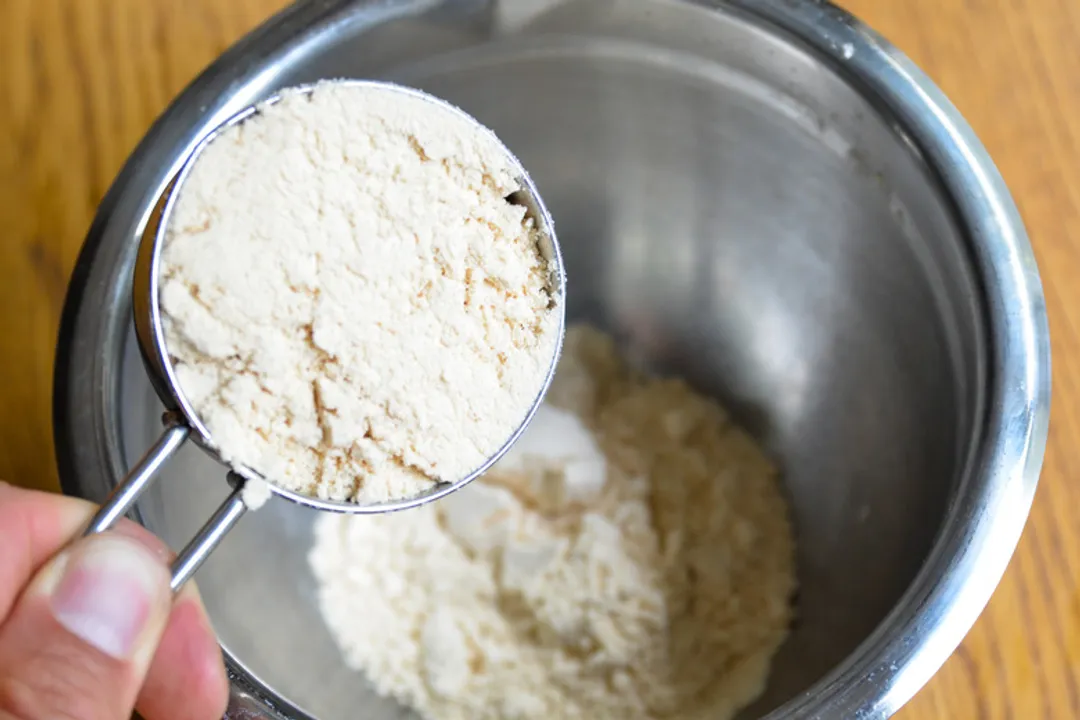
The foundation of a lorikeet's diet, both in the wild and captivity, is a nectar-like consistency food. [4] Commercial nectar substitutes are widely available, but homemade versions usually focus on replicating the core elements: sugar, protein, and essential micronutrients.
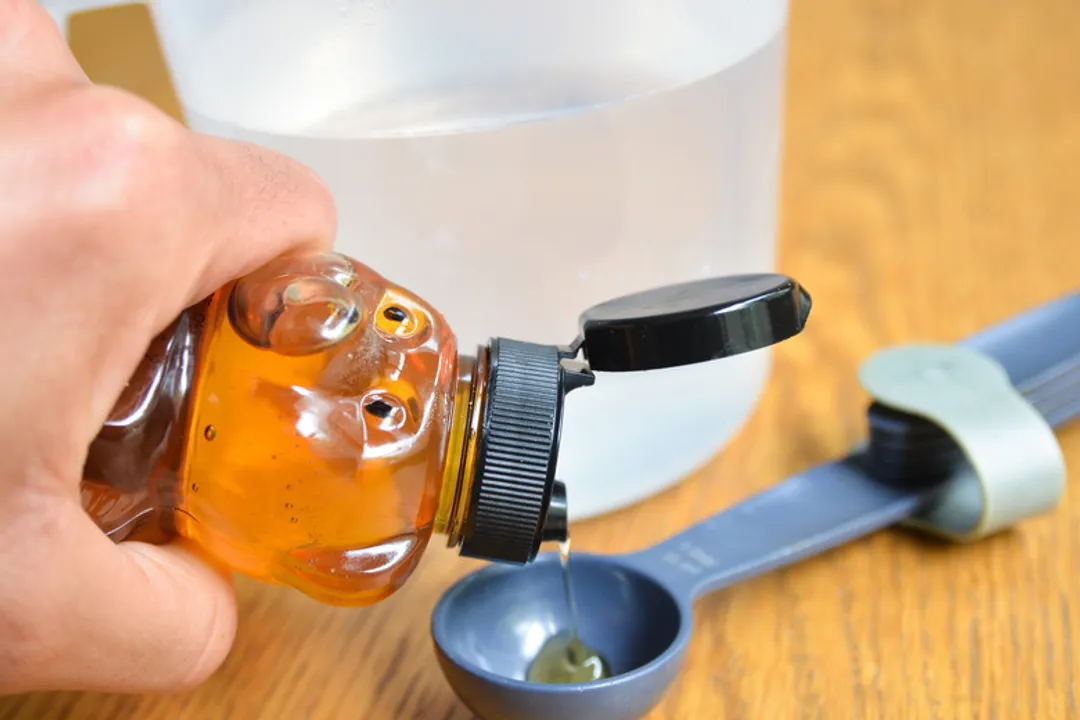
A very basic, though often criticized as incomplete, liquid base often involves mixing honey with warm water. [1][4] It is strongly advised, however, to move past this simple sugar source to provide necessary nutrients. Many dedicated keepers fortify their nectar mixtures by adding ingredients like pollen, soy protein powder, or specialized vitamin/mineral supplements. [1][4]
One popular approach involves dissolving a combination of ingredients into hot water, then allowing the mixture to cool before serving. [1] The ratios vary significantly between keepers, which highlights the need for careful observation of the bird’s health when switching diets. For example, some recipes call for combining ingredients like dry baby cereal (oatmeal or rice), sugar, soy protein, and supplements into a powder first, which is then mixed with water to the desired consistency. The use of a calcium source is paramount in any liquid feed to support bone health. [4]
# Dry Mix Components
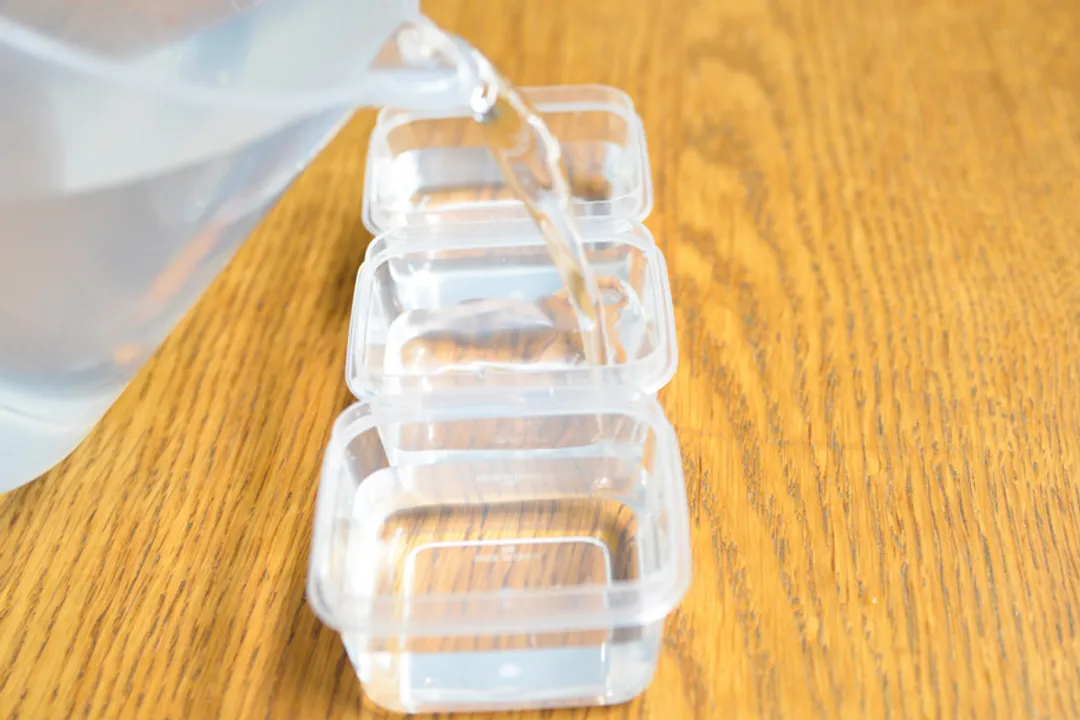
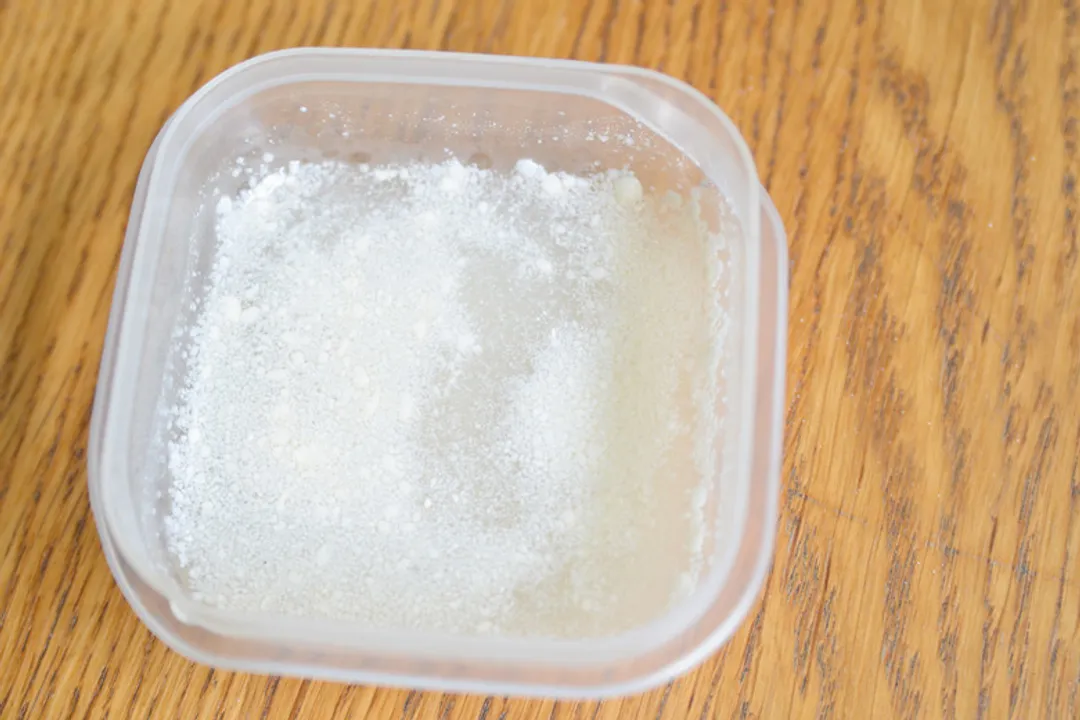
For keepers who prefer to serve a textured, less perishable alternative to liquid nectar—or as a supplement to it—a dry mix can be prepared. [2] This mix often resembles a coarse powder or meal. [2] Ingredients commonly listed for dry mixes include rolled oats, ground dry cereals such as cornflakes or Cheerios, and soy flour for protein content. [2][5]
The process typically involves blending or crushing these dry ingredients until they reach a uniform, fine texture. [2] If this dry powder is to be used as the main diet, it must still be supplemented with necessary vitamins and minerals, as grains alone do not provide a complete profile. [2] Some keepers will mix a small amount of water or pureed fruit into the dry mix just before feeding to create a mash, which can encourage reluctant eaters to consume the necessary nutrients. [2]

# Fresh Additions
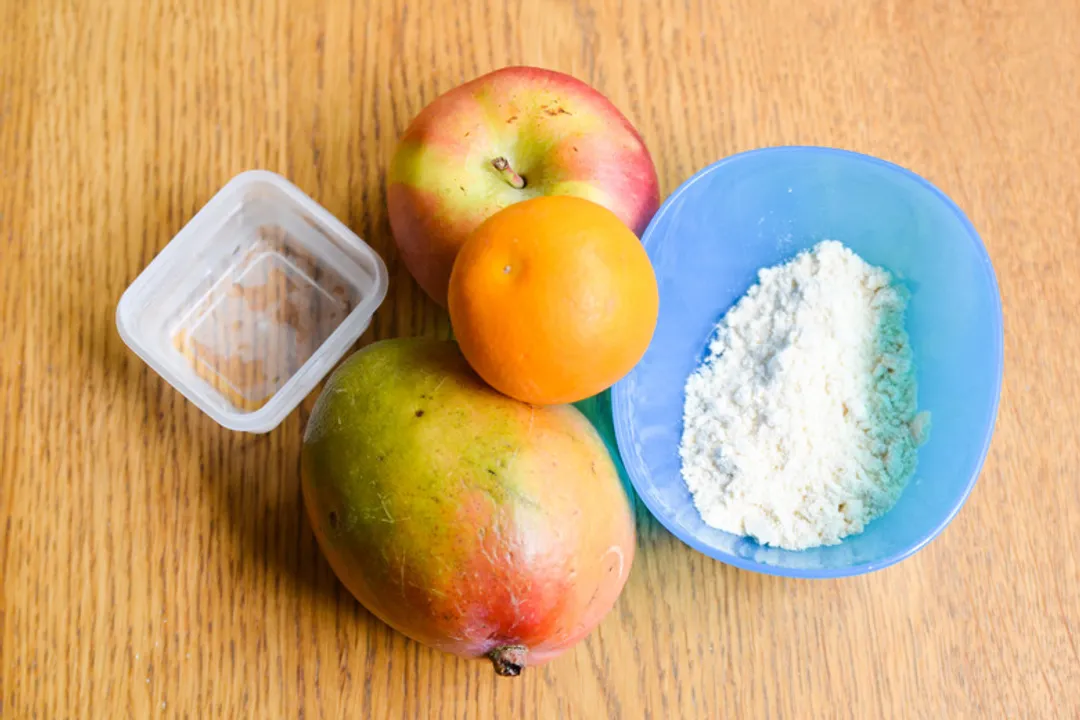
No matter how carefully formulated the nectar or dry mix, fresh produce remains a vital part of a lorikeet's diet. [7] In nature, they feed on nectar, pollen, and fruit pulp, and this variety should be reflected in their captive diet. [5]
Fruits and vegetables should be offered daily. For softer items, many keepers find it beneficial to puree them. [7] This allows the bird to consume the pulp and juices easily, mirroring the way they would naturally extract food. It is important to ensure the produce is thoroughly washed before processing. [7] While a variety of fresh produce is good, remember that nectar-based diets mean that the bulk of their energy and nutrition comes from the prepared food, not the fresh fruit itself, which acts more as a supplemental source of hydration and specific vitamins. [5]
If you are transitioning a bird from a commercial food, it can be helpful to mix a small amount of the commercial pellet or powder into your fresh fruit puree initially. This familiar scent and taste might encourage the bird to sample the new offering, allowing you to gradually decrease the proportion of the commercial food over time. [2]
# Ingredient Balancing
When formulating any homemade diet, the primary challenge is achieving the right balance of macronutrients and micronutrients that commercial diets are calibrated to provide. Since lorikeets are adapted to high-sugar, high-pollen diets, they require a specific caloric density that is difficult to meet perfectly with simple combinations of seeds or grains, which often leads to digestive upset or malnutrition. [5]
A key consideration when mixing your own dry base is establishing a functional ratio between your carbohydrate filler (like oats or cereal) and your primary protein additive (like soy flour). [2] While precise figures vary based on the specific brand of soy flour used, a practical starting point for a dry mix aiming for moderate energy might be roughly two parts carbohydrate base to one part protein source by volume. This ratio must then be adjusted based on the bird's weight and droppings—firmer droppings and stable weight suggest the balance is acceptable for that individual bird, whereas overly loose stools or weight loss would signal a need for more protein or fiber correction.

# Food Safety Strictures
The most critical aspect of serving homemade lorikeet food, particularly any wet or liquid preparation, is hygiene and freshness. [1][2] Nectar and fruit purees are highly susceptible to rapid bacterial and yeast growth, especially in warmer environments. [1]
It is an absolute rule that any nectar or moist mash must be completely discarded and replaced with fresh food every day. [1][2] Never leave uneaten wet food out for more than a few hours, particularly if it has been sitting at room temperature. [1] Cleaning the feeding dishes thoroughly after each feeding is as important as the food itself, preventing the buildup of molds or bacteria that can quickly sicken a bird. [2] Any equipment used for mixing, such as blenders or measuring cups, should also be washed immediately after preparation to prevent residue from harboring pathogens. [1]
# Supplementation Necessity
Reliance on a simple mix of honey, water, and perhaps a bit of fruit will inevitably lead to deficiencies in essential vitamins and minerals, such as Vitamin D3, iodine, and various trace elements. Commercial foods are formulated to meet these needs, which is why many experienced owners use them as a safety net. [5] When committing to a homemade diet, you must actively compensate for these missing elements. [2]
This compensation usually involves purchasing a high-quality avian vitamin/mineral powder designed for nectar-feeding birds and integrating it into the dry mix or the wet mash base. If you are making a large batch of dry mix, you can thoroughly blend the required supplement powder into the entire batch, ensuring even distribution. If you are preparing a fresh nectar batch daily, you would add the appropriate daily dosage to that specific portion of food. Failing to add these micronutrients means that even if the bird is eating enough calories, it is starving nutritionally, which can manifest as dull feathers, weak bones, or immune suppression over time. [2][4] For a bird kept indoors away from natural sunlight, supplementation with Vitamin D3 is particularly non-negotiable.
Related Questions
#Citations
Recipes for Lorikeets - Aussie Birds Friendly Forum - ProBoards
HomeMade Lorikeet Dry Mix....
Easy lorikeet mix recipes for one-year-olds?
some homemade recipe ideas
Those who feed Rainbow Lorikeets, what are you giving ...
How To Make Your Own Lorikeet Food Nectar - Cuteness
Lorikeet Fruit Purees - has anyone found a good recipe?
Nectar Recipes for Rainbow lorikeets - Parrot Forum