What is the personality of a huskita dog?
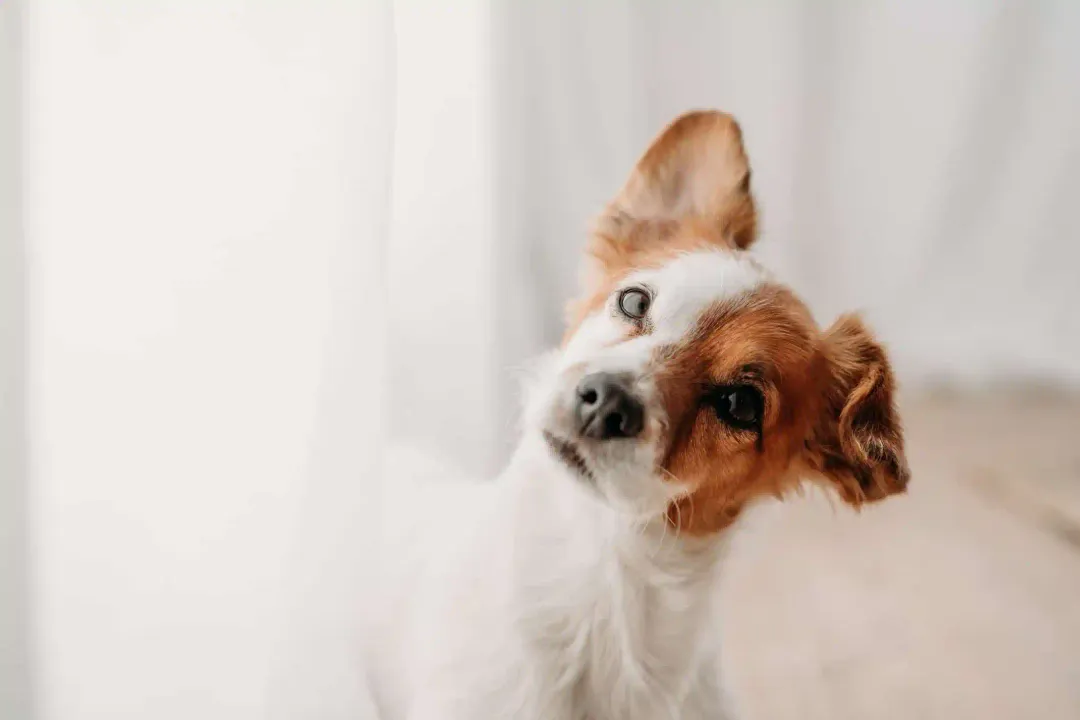
The Husky-Akita mix, known affectionately as the Huskita, presents a complex and fascinating temperament profile, stemming directly from the powerful characteristics inherited from its two ancient parent breeds: the Siberian Husky and the Akita Inu. This hybrid is far from a simple blend; it is a dynamic dog whose personality requires an owner who appreciates both spirited energy and reserved devotion. Understanding what makes a Huskita tick means looking at the strengths and instincts they pull from their working and guarding lineage.
# Parent Traits Blend
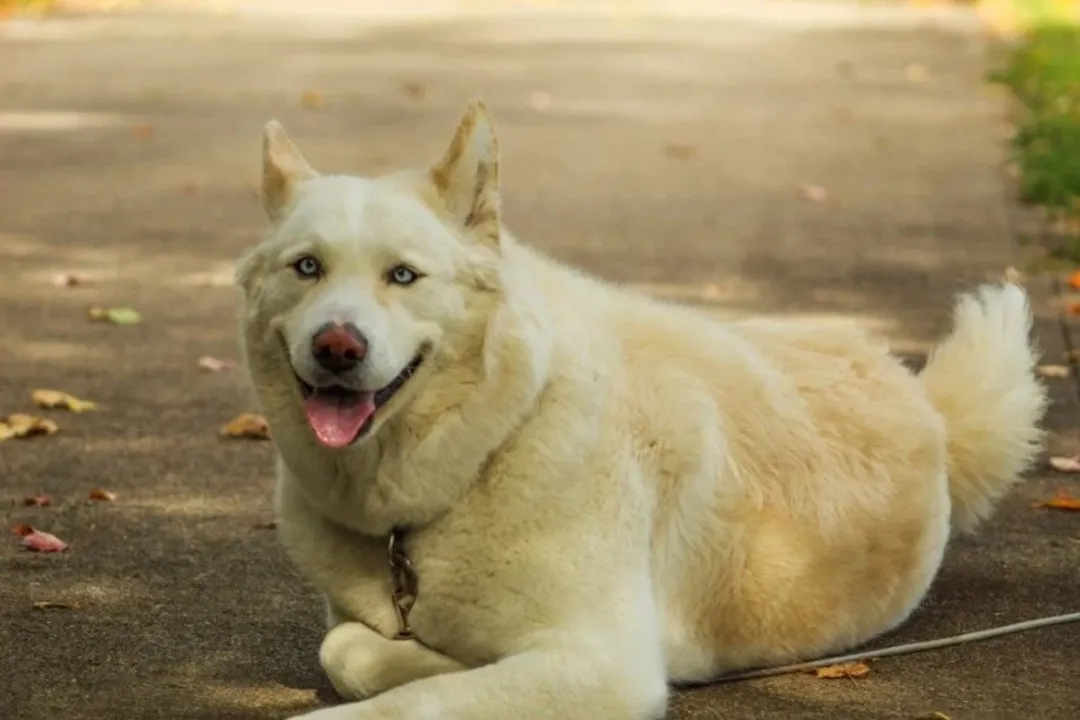
The foundation of the Huskita's personality lies in the balancing act between its parents. The Siberian Husky brings boundless energy, playfulness, and a strong desire to work or run. Contrast this with the Akita, known for its noble demeanor, profound loyalty, and inherent guarding instincts. The resulting dog is often described as loyal, confident, energetic, and inherently alert. They possess a strong protective instinct, inheriting bravery from the Akita side.
It is crucial to note that because this is a hybrid, there is no single standardized personality; individual dogs will lean more toward one parent or the other. This variability means that while you can expect general tendencies, the exact flavor of loyalty, independence, or affection will be determined by the specific genetic draw each puppy receives.
# Loyalty Affection
In terms of bonding, the Huskita is known for an intense and unwavering loyalty to its immediate family. They are often described as affectionate companions who form deep bonds. Many owners report their Huskita enjoys snuggling on the couch and craves the company of their people. This devotion means they often want to be near their owners at all times. They exhibit submission toward their primary owners, which is vital for successful management of this powerful breed.
However, this affection is typically earned rather than given freely to everyone they meet. The Huskita's nature is often more reserved or aloof with strangers compared to breeds specifically developed for constant companionship. They tend to show their love through presence, leaning against you, or following you around, rather than being overly demanding lap dogs, though some individuals certainly enjoy heavy cuddling. If you desire a constantly needy or velcro-style dog, the Huskita’s independent side might leave you wanting more.

# Independence Stubbornness
The independent streak inherited from the Akita often surfaces in the Huskita personality. While they are intelligent and bond strongly, they are not typically seen as blindly eager-to-please dogs like many sporting breeds. This independence means that when they are in a comfortable and familiar environment, they are perfectly content to occupy themselves, play alone, or simply stay quietly by their owner’s side, provided their exercise needs are met.
This independence often pairs with stubbornness, which owners must navigate skillfully. When a conflict of will arises, the Huskita may test dominance, requiring the owner to be calm, patient, and consistently in charge. This is not a dog that will always comply simply because you asked; you must convince them that following the command is in their best interest.
# Energy Demand
The Husky heritage ensures that the Huskita is an alert, active, and high-energy dog. Their need for activity is significant, often requiring a minimum of 45 to 90 minutes of vigorous physical exercise daily, such as long runs or challenging hikes. Owners must commit to keeping these dogs busy, as their intelligence requires mental stimulation just as much as their athleticism demands physical output.
The consequences of unmet energy needs are significant. A bored or under-exercised Huskita is highly prone to developing destructive habits, including chewing furniture, shoes, or even interior doors. Since they hail from working lines, they need to feel they have a purpose or a job to do, whether that’s patrolling a large yard or participating in structured activity. This high need for activity makes them better suited for suburban or rural settings with access to outdoor space, though apartment living can work if the owner meticulously provides the necessary rigorous daily outlet.
A practical consideration for ownership is realizing the energy commitment is often the primary reason these magnificent dogs end up in rescues. Potential owners must honestly assess if they can commit to walking, running, or hiking 10–14 miles a week with their companion, as a simple trip around the block will not suffice.
# Training Approach
The Huskita is considered a highly intelligent breed, able to master new tricks quickly according to some owners. This intelligence, however, is coupled with the noted stubbornness and independence mentioned earlier. This combination means that timing and methodology in training are critically important.
Training must start immediately upon bringing the puppy home, focusing on consistency and positive reinforcement techniques. Positive methods, which utilize high-value treats and attention, are extremely effective because the breed craves owner approval and enjoys rewards. Harsh methods are less likely to succeed against their strong wills. Building a strong bond based on respect, where the owner is clearly seen as the leader, is the key to unlocking their impressive obedience potential. While challenging, their smarts mean they can overcome some of their less desirable natural tendencies if training is persistent.
# Social Boundaries
The Huskita’s protective nature means they are naturally attentive to their surroundings and can be wary of strangers and unfamiliar dogs initially. They can be excellent watchdogs, always alert to potential threats. The challenge lies in balancing this vigilance with sociability.
Early and extensive socialization is non-negotiable for this mix. Exposing a Huskita puppy to a wide variety of people, sights, sounds, and other animals from a young age helps them learn to temper their guarding instincts and relax in new situations. Without this proactive effort, they can develop territorial or even aggressive behaviors, particularly when anxious or in unfamiliar settings. This aggression can manifest toward strangers, other dogs—sometimes specifically other females or same-sex dogs—or smaller household pets.
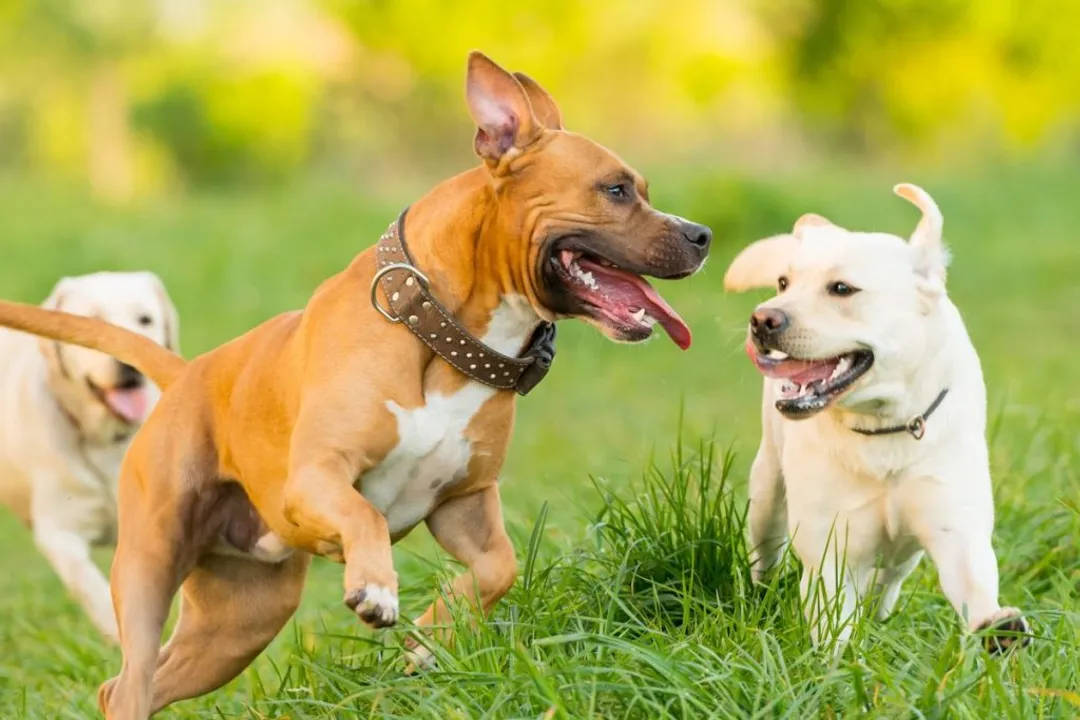
While many owners report they integrate well with established children and other pets, the breed’s need to assert dominance means that supervision is always required, especially around toddlers or small animals like cats, due to their inherited prey drive. For multi-pet households, introducing a Huskita requires taking it slow, perhaps using gates or fences initially, as they may try to bully smaller animals or challenge larger, same-sized dogs for status.
If you are seeking a dog that greets every newcomer with reckless exuberance, the Huskita’s reserved, assessing nature might not fit. They are more inclined to watch and analyze a visitor before offering any friendly reception.
Owners navigating the social aspects of a Huskita might find that approaching socialization as a mental job yields better results than simply taking them to a crowded dog park. Structured introductions in a controlled environment, paired with a clear reward system for calm behavior around novel stimuli, helps satisfy their intelligent need to assess situations logically, turning potential reactivity into composed observation.
The dichotomy between the independent, reserved nature inherited from the Akita and the social, active drive from the Husky creates a unique companion. This dog thrives on being part of a confident, established pack and prefers routine and engagement. A devoted owner who respects their intelligence, meets their intense exercise requirements, and commits to early, consistent socialization will be rewarded with a steadfast, loving, and highly protective family guardian.
#Videos
Huskita: Is This Dog Breed Right For You? - YouTube
Related Questions
#Citations
Huskita | Dog Breed Facts and Information - Wag! Dog Walking
Huskita Dog Breed Information & Characteristics - DogTime
[breeds] will a huskita be affectionate? : r/dogs - Reddit
Huskita | Pet Premium - Pet Insurance Comparison
Husky Akita Mix Facts - Alpha Paw
Huskita: The Bold, Loyal, and Strong Husky-Akita Mix Dog
Huskita: Is This Dog Breed Right For You? - YouTube
Huskita (Siberian Husky & Akita Mix): Info, Pictures, Care & More