What is the difference between a mini foxie and a Tenterfield Terrier?
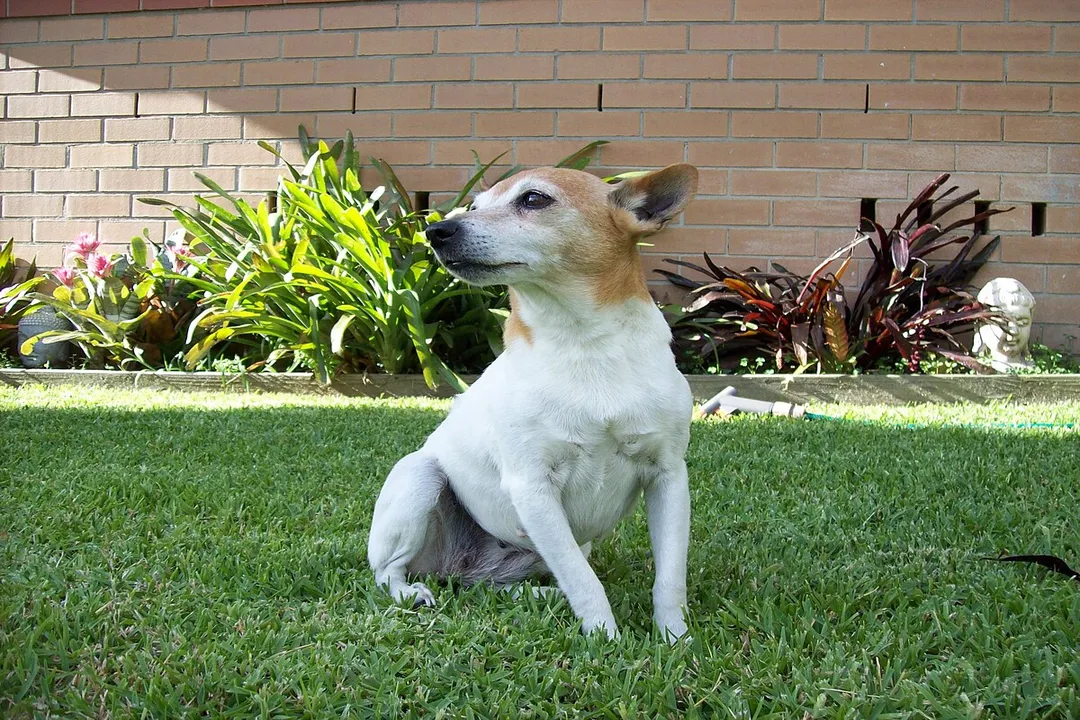
The Miniature Fox Terrier, often affectionately called the "Mini Foxie," and the Tenterfield Terrier are both small, energetic Australian terrier breeds that share deep historical roots, leading to frequent confusion between the two companions. [3] While they share a lineage traced back to the Fox Terriers brought by early English settlers, a clear divergence in breed standards and official recognition has solidified them as separate entities today. [1][2] Understanding these subtle yet significant differences is key for anyone looking to welcome one of these tenacious little dogs into their home.
# Shared Roots
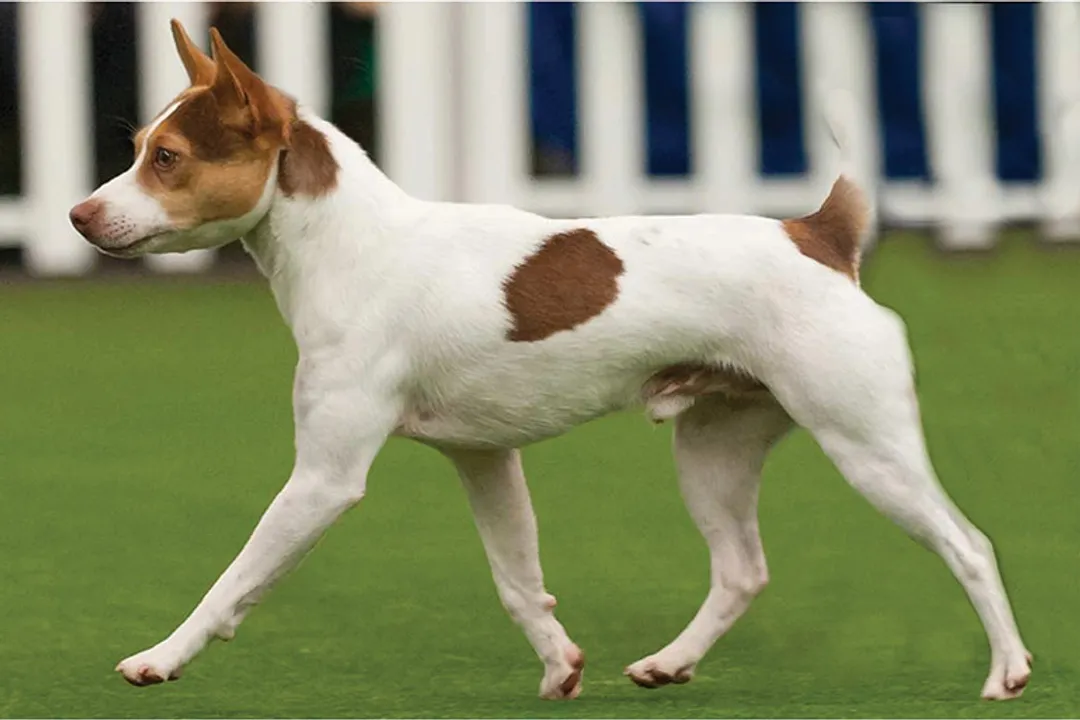
Both dogs owe their existence to the need for small, capable working dogs on Australian farms. [1][2] The ancestors of both breeds were utilized primarily for hunting and dispatching vermin, such as rats and rabbits, proving their worth in tight spaces and rugged conditions. [1][7] These terriers were not just workers; they were also cherished parts of the farming family. [2][7] The initial stock likely involved crossing smaller Fox Terriers with other small breeds, including Toy Manchester Terriers in the case of the Mini Foxie lineage, seeking a speedy, agile vermin controller. [1]
# The Split
The critical point of separation between what is now the Tenterfield Terrier and the Miniature Fox Terrier revolves around official recognition by the Australian National Kennel Council (ANKC). [1][6] Initially, the dogs were often referred to as "mini foxy". [2] When dedicated enthusiasts sought ANKC recognition, the name "Miniature Fox Terrier" posed a problem, as the ANKC would not accept it, leading to the adoption of the name Tenterfield Terrier for those registering under the ANKC umbrella. [1][6] This name was chosen partly to honor Peter Allen's grandfather, the Tenterfield Saddler, a known breeder of these terriers. [2]
Breeders who preferred to retain the historical name "Miniature Fox Terrier" opted to establish their own registry, forming the independent Mini Foxie Club of Australia (MFCA). [1][6] Consequently, these two groups began developing their dogs according to slightly different breed standards. [1][5][6] This schism means that if prospective owners prioritize ANKC registration, they will be looking for a Tenterfield Terrier, whereas those whose priority is the historical name and the MFCA registry will seek a Mini Foxie. [6] It is important to recognize that these differing paths have resulted in two breeds developing along divergent lines for over two decades. [1]
# Physical Traits Comparison
While both breeds share a compact, agile frame and low-shedding, smooth coats, specific details in their breed standards highlight their divergence. [3][5]
# Size and Coat
Both are small terriers, but their measured heights show minor variation at the lower end of the spectrum. Tenterfield Terriers are ideally between 25.5 to 30.5 centimetres at the wither (10 to 12 inches). [2][5] Miniature Fox Terriers typically measure between 24 to 30.5 centimetres (9.4 to 12.0 inches). [1] In terms of weight, both generally fall in the range of approximately 3.5 to 5.5 kilograms (about 8 to 12 lbs). [1]
The description of the coat texture is one area where sources provide slightly different details. One source states that Tenterfield Terriers have a smooth and sparse coat, while Mini Foxies have a denser coat. [3] However, another breed standard extract indicates both possess a "Short, smooth single coat". [5] Regardless of minor textual differences, both require minimal grooming, needing only occasional brushing. [3][7]
# Color Variations
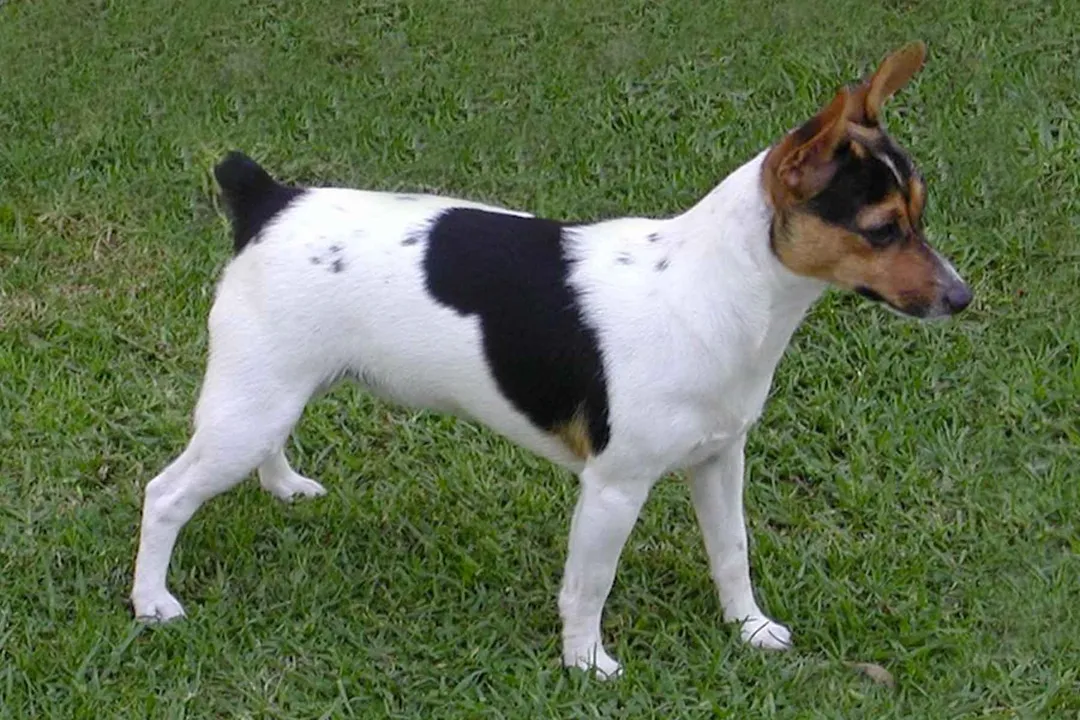
The color palette permitted under the respective standards provides a clearer distinguishing factor. Miniature Fox Terriers strictly allow three combinations: black & white, tan & white, and black, tan & white (tri-colour). [1][5] Full-colored coats are not permitted for the Mini Foxie. [5]
Tenterfield Terriers, on the other hand, accept a broader range of colors. They are predominantly white with markings in black, tan, or liver. Critically, the Tenterfield standard accepts blue & white and liver & white, and while tri-colour is common, brindle markings are also acceptable. [2][5] This inclusion of blue and liver variations is a recognized difference in their respective breed standards. [5]
# Defining Foot Structure
Perhaps the most concrete structural difference noted during the breed split relates to the shape of the foot. [6]
- Mini Foxie: The standard calls for a compact and oval shaped foot, sometimes referred to as semi-hare footed, and explicitly states that the foot should not be round in shape. [5]
- Tenterfield Terrier: The breed standard accepts the oval shape but allows for a compact, round shaped foot with moderately arched toes as well. [5]
When owners select a puppy, they should be aware that foot structure is a subtle physical marker separating the two lines, which stems from their divergent development post-split. [1][6] An owner choosing a Tenterfield might find a dog with a rounder foot structure than one from a Mini Foxie breeder adhering strictly to the oval foot specification. [5]
# Temperament and Lifestyle
When observing temperament, the similarities are striking, reflecting their shared history as intelligent, tenacious working dogs. [2][5] Both breeds are characterized as clever, lively, confident, and highly intelligent. [2][7] They form deep bonds with their families, showing great loyalty. [5]
Both types thrive in active households and are generally good with children when properly socialized. [1][7] They are equally happy working on a farm or being companion pets in smaller urban environments, provided their mental needs are met. [1][7] This active mind requires stimulation through games, training, or toys to prevent boredom, which can lead to destructive behavior. [7]
However, their terrier heritage means a strong prey drive remains present. [7] Both can be ruthless when pursuing small vermin, and owners must be cautious about leaving them unsupervised with smaller household pets like fancy rats or guinea pigs, as they may view them as prey rather than companions. [1][7] While generally affectionate, vocal enthusiasm should not be mistaken for hostility; early and consistent positive socialization is crucial for both breeds to ensure they mature into well-mannered adults. [2][7]

# Health and Longevity
Both breeds are generally sturdy, but specific health concerns are noted within their respective communities. [2][7]
For the Tenterfield Terrier, dedicated breeders are actively managing health issues such as Congenital Hypothyroidism, a condition involving insufficient thyroid hormone production, and Primary Lens Luxation (PLL), an eye condition. [2] They can also be prone to Patellar Luxation (slipping kneecap). [7] Lifespan estimates for the Tenterfield Terrier generally range from 12 to 16 years, though one source indicates up to 20 years. [2][3]
Miniature Fox Terriers have a slightly wider documented lifespan range in one source, between 12 to 18 years. [3] While the sources do not list specific, prevalent genetic issues for the purebred Mini Foxie registered under the MFCA, their close relation means shared ancestral health considerations are likely, underscoring the importance of breeder ethics and record-keeping in both registries. [1][6]
When considering which breed suits a family, the financial outlay may also be a factor. Reportedly, Tenterfield Terriers tend to be more expensive than Mini Foxies. [3] An actionable tip for any prospective small terrier owner, regardless of official recognition status, is to inquire about health testing protocols specific to the litter's parent club—be it the MFCA or the Tenterfield Club—as well-regulated clubs police their members regarding health and ethical breeding standards. [6] This diligence in checking the governing body's code of ethics is vital since the Mini Foxie registry operates independently of the ANKC. [1][6]
# Maintenance Summary
Both dogs are considered low-maintenance in terms of coat care due to their smooth, short hair. [3][7] For Tenterfields, general advice includes occasional brushing, nail trims, and vital dental hygiene, particularly as small breeds are prone to dental disease. While both benefit from simple care, paying attention to the paws is prudent. Given the Tenterfield standard accepts a rounder foot, owners should inspect the area between the toes when the dog returns from walks to clear out any mud or debris, an oversight that can sometimes lead to minor irritation if neglected. [5] For both types, regular activity is non-negotiable; they thrive on daily exercise like walks or games of fetch to satisfy their active minds and inherent terrier drive. [7]
The decision between the two Australian terriers rests heavily on whether one values ANKC recognition (Tenterfield Terrier) or adherence to the original, independently registered lineage (Mini Foxie). [1][6] Physically, differences in permitted color (blue/liver for TTs), foot shape (rounder for TTs), and registration/pedigree governance are the main elements setting them apart today. [5][6]
Related Questions
#Citations
What is the Difference Between Tenterfield Terrier and Mini Foxie
Breed Standards for Mini Foxies & Tenterfield Terriers
Questions About Mini Foxy Terriers - General Dog Discussion
Tenterfield Terrier Breeds - Dogs NSW
Tenterfield Terrier - Vetwest Veterinary Clinics
Miniature Fox Terrier - Wikipedia
Tenterfield Terrier Facts - Dog Breeds - Wisdom Panel