What is the difference between a jack russell and a Tenterfield Terrier?
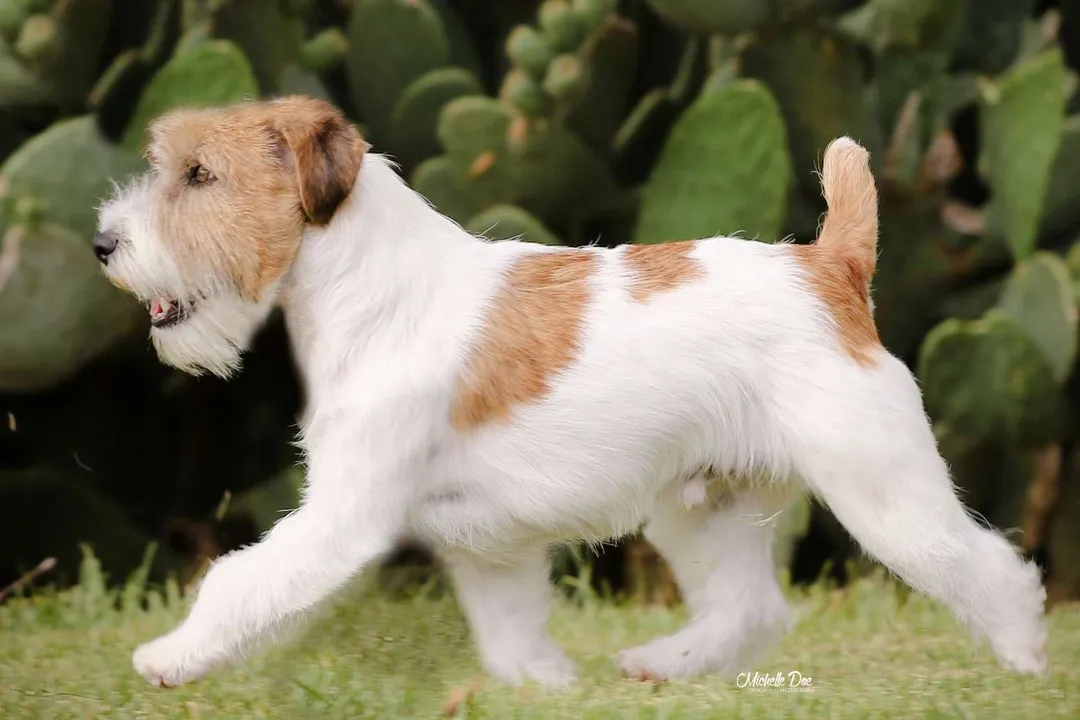
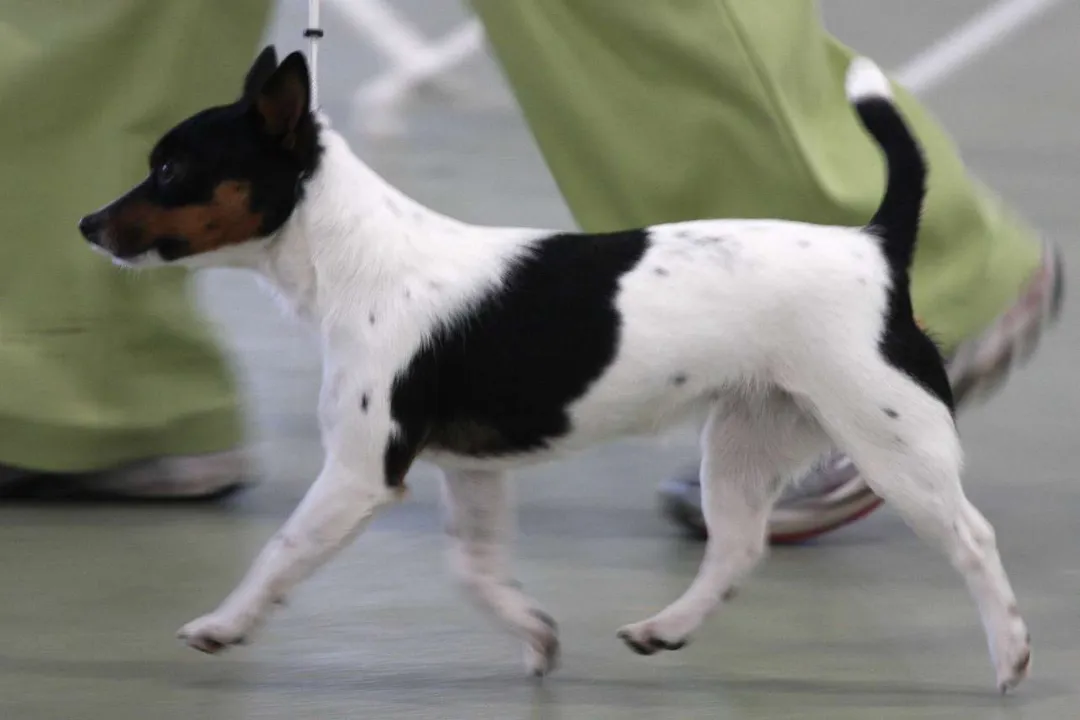
Distinguishing between two spirited, compact terriers like the Jack Russell Terrier and the Tenterfield Terrier often requires a keen eye and an appreciation for geographical history. At first glance, they share that characteristic terrier spark: high energy, sharp intelligence, and a readiness to take on the world, regardless of their size. However, while they share common ancestors and a similar look—often a predominantly white coat with tan or black markings—their paths diverged significantly, leading to distinct breed standards and characteristics recognizable to dedicated enthusiasts. [2][3] The Jack Russell Terrier comes to us steeped in the hunting traditions of England, bred for stamina and tenacity in the field, while the Tenterfield Terrier is a product of Australian refinement, often selected for a slightly different set of traits tailored to that environment. [2][3] Understanding these differences moves beyond simple identification; it speaks to their historical purpose and what potential owners might expect in their daily lives.
# Ancestral Roots
The history of the Jack Russell Terrier is closely tied to the Reverend John (Jack) Russell in 19th-century England. His goal was to develop a tenacious, agile terrier capable of working alongside foxhounds, flushing foxes from their dens without causing undue harm to the quarry. [6] This working heritage remains fundamental to the JRT's identity, emphasizing drive, nerve, and endurance above all else. These dogs needed the stamina to keep up with horses over long distances and the singular focus to do their designated job underground. [6]
The Tenterfield Terrier, conversely, developed much later and on a different continent. It traces its lineage back to terriers brought to Australia, likely including the English Jack Russell Terrier and possibly the Miniature Fox Terrier. [2][3] In Australia, these dogs were developed with an eye toward creating a smaller, perhaps more companionable dog that retained the necessary alertness and drive to manage vermin around farms and homes. [2][8] This geographical separation and different selection pressures—moving from primarily a field worker to a versatile farm/home companion—are where the breeds began to formalize their separation. While the Jack Russell standard remained somewhat fluid for a long time, focusing on working ability, the Tenterfield underwent a process of standardization within Australia. [2][3]
# Physical Distinctions
When setting the two side-by-side, size is usually the first noticeable differentiator, although there can be overlap, especially if one encounters a smaller working JRT or a larger, less-standardized Tenterfield. [2]
# Size Comparison
The Tenterfield Terrier is generally recognized as the smaller of the two breeds. While Jack Russells can vary in height depending on the specific type recognized (e.g., Parson Russell vs. Jack Russell), a typical JRT often stands taller and possesses a more substantial bone structure indicative of its working past. [6] Tenterfields were specifically refined to be smaller companions. [2][8] Though exact figures can vary by registry, the Tenterfield usually falls into a more consistently compact height range. [2]
If you picture a working JRT, you often envision a dog built for sustained, tough physical activity. The Tenterfield, having been developed partially for an Australian domestic setting, often presents a slightly finer bone structure, reflecting that shift in primary function away from rigorous field work toward alertness and companionship. [2][8]
# Coat and Structure
Both breeds typically come in smooth, broken, or rough coats, though the smooth coat seems very common in the Tenterfield breed standard. [2][8] The coat texture itself is often less of a differentiating factor than the overall impression of the dog's structure.
When observing the head, one might notice subtle differences in the set of the ears or the shape of the muzzle, as breed clubs refine these features differently during the standardization process. [2] The Tenterfield Terrier is often described as having a head that is slightly finer or less blocky than some traditional JRT lines, which can have broader heads bred purely for task performance. [2][3]
One interesting way owners often perceive the difference, an observation noted in breed discussions, is the overall look of refinement. A Jack Russell, especially those bred to strict working lines, often presents a more utilitarian, rough-and-ready appearance, whereas the Tenterfield was deliberately shaped to fit a more defined conformation standard associated with show and companionship contexts in Australia. [2][8] This highlights how selection pressure over decades—even from a common ancestor—can lead to visually distinct outcomes.

# Temperament Profiles
Both dogs inherit that classic terrier spirit, meaning prospective owners should anticipate a high level of intelligence, a propensity for barking, and a significant need for mental and physical stimulation. [2][3] Neither dog is generally recommended for a sedentary lifestyle.
# Energy Demands
The Jack Russell Terrier's energy level is legendary, stemming directly from its purpose: hunting all day. [6] They require intense, structured exercise and mental work to prevent boredom, which manifests as destructive behavior or excessive barking. [6] They are inherently driven creatures with a high prey drive. [3]
The Tenterfield Terrier certainly possesses high energy, as noted by owners who describe them as active and playful. [2][3] However, because the Tenterfield was developed with some companion breeding in mind, some individuals might present a slightly more manageable energy ceiling than the most intensely driven JRT lines, though this is far from a guarantee. A crucial consideration for any prospective owner is understanding that a Tenterfield still possesses the core terrier instincts; they are not simply small, cute lapdogs. [2] If you find yourself choosing between the two breeds for an apartment setting, the difference hinges less on if they need exercise and more on how much structured activity is required to satisfy the specific genetic drive underpinning each lineage. The JRT's drive often feels more deeply rooted in the need to hunt and chase objects or animals, while the Tenterfield's drive might be more easily channeled into rigorous play and training sessions. [2][6]
# Trainability and Intelligence
Intelligence is a hallmark of both breeds. [2][3] They learn quickly, which is a double-edged sword. They can master complex commands rapidly, but they can also learn undesirable behaviors just as fast if the owner is inconsistent. [6] Due to their independent nature, which served them well when working remotely from their handlers in the field, both breeds require a confident, consistent leader. [2][3] Positive reinforcement methods work best, as harsh corrections often lead to stubborn resistance in these self-assured little dogs. [6]
# Breed Formalization
One of the clearest distinctions lies in their recognition by international kennel clubs. The Jack Russell Terrier, particularly the shorter-legged type often associated with the name, has had a complex and sometimes controversial path to official recognition globally, with various national clubs recognizing different standards (like the Parson Russell Terrier). [6]
The Tenterfield Terrier, on the other hand, has achieved formal recognition within Australia, where it is actively bred to a specific standard. [2][8] This formal standardization process tends to lock in the physical traits—like a specific height range and head shape—that differentiate it from the broader spectrum of Jack Russell types seen worldwide. [2] A dog meeting the Tenterfield standard has gone through a process that ensures adherence to those refined characteristics that distinguish it from its English ancestor. [8]
For readers navigating breed choices, this formal status often means that finding a purebred Tenterfield will involve sourcing breeders registered with the relevant Australian bodies, whereas JRTs are recognized by various international clubs, sometimes leading to confusion over which "JRT" standard is being referenced. [6]
# Ownership Considerations
Choosing between these two energetic terriers often comes down to subtle lifestyle matching rather than broad strokes, as both demand significant owner commitment.
# Compatibility Checklist
When considering either breed, a potential owner should honestly assess their capacity for dog ownership:
- Exercise Commitment: Can you commit to daily, vigorous activity that goes beyond a simple walk around the block? Both breeds thrive on activity that tires them out both physically and mentally. [2][6]
- Training Consistency: Are you prepared to maintain firm, fair, and consistent training from day one? Independent terrier thinking requires an owner who stays one step ahead. [6]
- Prey Drive Management: Do you have secure fencing, and are you prepared for a dog that may always be interested in chasing squirrels, cats, or other small animals? This drive is deeply instinctual in both lines. [3]
The key difference, as hinted at earlier, lies in the flavor of their drive. A working JRT enthusiast might prefer the unadulterated focus of a dog bred solely for the hunt, valuing that historic intensity above all else. [6] Conversely, someone seeking a highly intelligent, sharp companion for dog sports like agility, who prefers a slightly more refined package, might gravitate toward the standardized Tenterfield. [2][8]
# A Comparative Summary Table
To visualize the general distinctions that have evolved between these related breeds, this table summarizes common points of comparison based on their established breed histories:
| Feature | Jack Russell Terrier (General Working Type) | Tenterfield Terrier |
|---|---|---|
| Primary Origin | England [6] | Australia [2][3] |
| Original Purpose | Fox hunting companion [6] | Farm/home vermin control and companion [2][8] |
| General Size | Tends toward slightly taller and more substantial build [6] | Generally smaller and more compact [2] |
| Breed Standardization | More variation depending on global kennel club/lineage [6] | More formally standardized within Australian registries [2][8] |
| Energy Focus | Intense, historical focus on sustained field work [6] | High energy, often channeled into sports/companionship [2] |
When you observe these dogs, try to look past the striking physical similarities. The Tenterfield represents an evolution—a specific Australian chapter in the terrier story—that carefully managed the JRT's energy and structure to fit a defined breed ideal for companionship and local utility. [2][8] The Jack Russell, in many of its forms, remains closer to that raw, working foundation laid down centuries ago in the English countryside. [6] Ultimately, both breeds promise an engaging, lively relationship, provided the owner fully respects the commitment that comes with owning a true terrier heart in a small package.
#Videos
Fox Terriers, Jack Russells, Tenterfield, Japanese and ... - YouTube
Related Questions
#Citations
What is the difference between Tenterfield and other terriers?
Comparison between Jack Russell Terrier and Tenterfield Terrier
Tenterfield Terrier vs Jack Russell Terrier Comparison - Dogell.com
Tenterfield Terrier vs. Jack Russell Terrier - YouTube
Results are in! Our long legged little lady is a JRT x Parson ... - Reddit
Jack Russell Terrier - Wikipedia
Tenterfield Terrier: The Energetic and Loyal Aussie Dog
Tenterfield Terrier - Burke's Backyard