What is the diet of Atlantic salmon?

The dietary life of the Atlantic salmon, Salmo salar, is one of the most fascinating transformations in the animal kingdom, directly mirroring its epic migratory existence between freshwater rivers and the open ocean. [2][7] To understand what these magnificent fish eat, one must first recognize that their menu changes drastically depending on their age, size, and environment. [8] They are decidedly opportunistic feeders, [6] adapting their intake to whatever energy-rich prey is most abundant at that moment in their life cycle. [2]
# Freshwater Meals
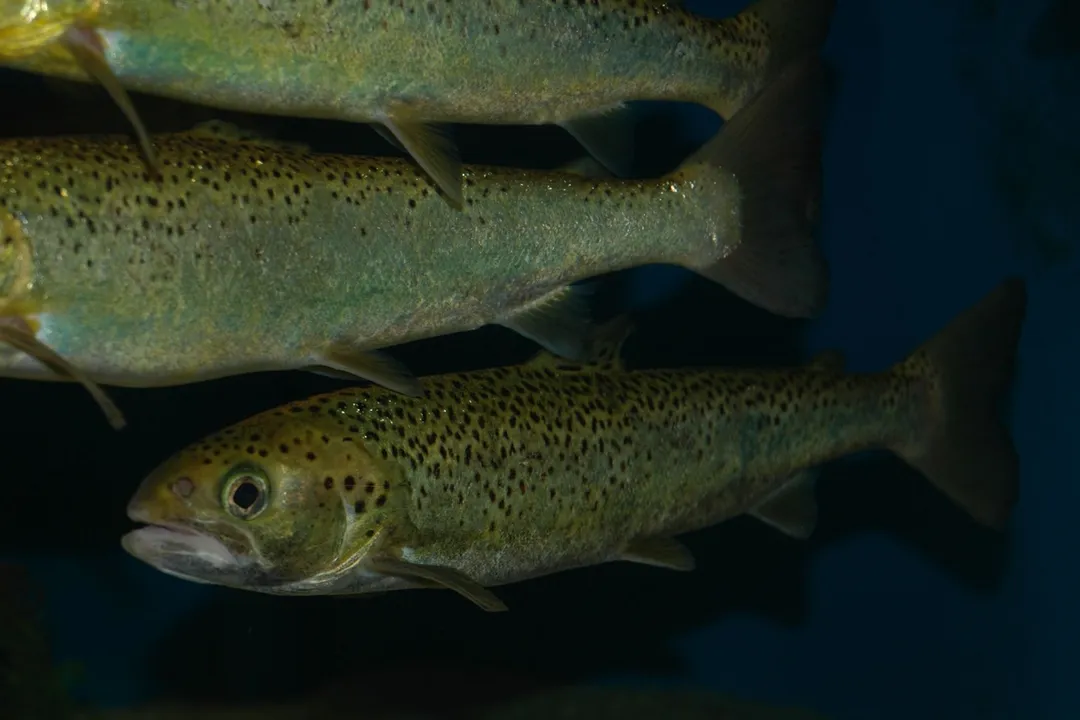
The earliest life stages of the Atlantic salmon are spent entirely in freshwater systems, where their diet is small-scale and insect-based. [9] Newly hatched fish, known as fry, begin by consuming the smallest available organisms, primarily zooplankton and minute invertebrates found in the stream environment. [7]
As these young fish develop and transition into the parr stage, their feeding apparatus is ready for slightly larger fare. Their diet becomes dominated by aquatic insects, [9] including the larvae, nymphs, and pupae of various aquatic species that cling to rocks and submerged vegetation. [5] Beyond what lives in the water, a significant component of the parr diet comes from terrestrial insects that accidentally fall in from the banks—things like moths, beetles, and other land-based arthropods. [5] This reliance on both aquatic and terrestrial invertebrates means that the surrounding streamside habitat quality is just as important as the water quality for supporting the next generation of salmon. [9]
A critical shift occurs when the parr undergo physiological changes, preparing them for saltwater migration; they become smolts. [7] This developmental stage involves expanding their palate beyond invertebrates to include small fish alongside insects. [7][9] This broadening of the diet signals the impending move toward a much higher-protein, energy-dense diet required for ocean survival. [4]
# Oceanic Foraging
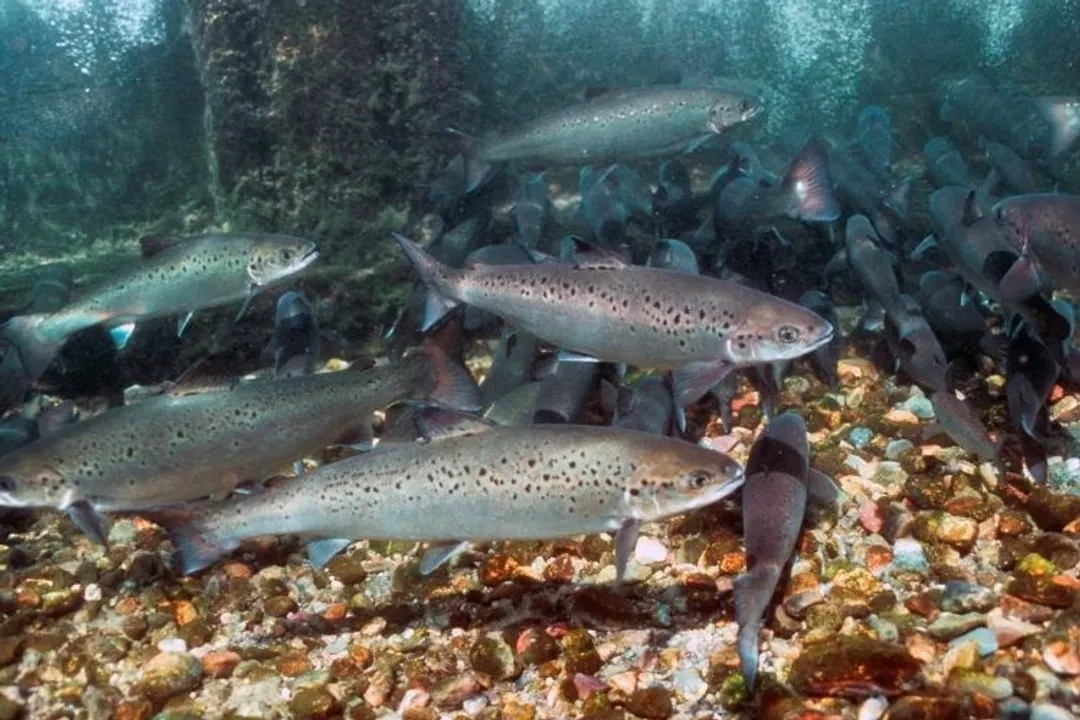
When the Atlantic salmon makes its incredible journey out to the North Atlantic, its feeding habits undergo a profound transformation, moving from benthic (bottom-dwelling) and slow-moving prey to active pelagic predators. [4] The energy demands of growing to a massive adult size in the ocean dictate a diet composed primarily of vertebrates and larger invertebrates. [2][7]
The staple items in the adult ocean diet are small schooling fish. [6][8] Specific prey species frequently cited include herring, capelin, and sand eels. [2] These fish provide the high-energy lipid content necessary for the salmon to store reserves for their long oceanic sojourns and the arduous upstream swim back to their natal rivers. [2] In addition to fish, adults actively hunt squid and various types of crustaceans. [2][7][8] The transition is stark: they move from consuming tiny nymphs in a river to actively pursuing faster-moving, calorie-rich baitfish in the open sea. [4][6]
It is important to observe how the needs of the salmon dictate prey selection. A small aquatic nymph offers minimal energy return for the effort expended to catch it, suitable for a juvenile needing constant, easy meals to fuel steady growth. [7] Conversely, a successful hunt for a school of herring provides the massive caloric influx needed to fuel migrations that can span thousands of miles. [2] Therefore, the composition of the ocean diet—the proportion of sand eels versus capelin, for instance—is entirely dependent on which forage fish stocks are most abundant in the specific geographic areas the salmon pass through during their time at sea. [2][6] This dependence means that the ocean health, particularly the availability of these smaller baitfish, directly governs the eventual strength and size of the returning spawning population. [4]
# Prey Diversity and Availability
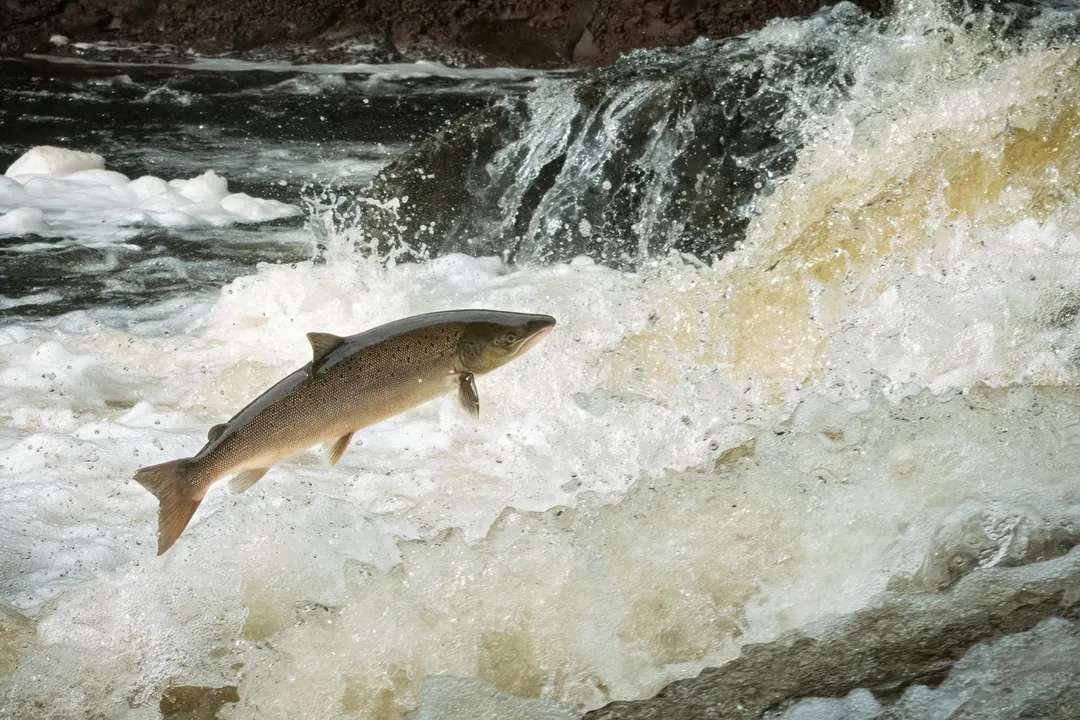
While the general categories of prey are clear, the actual composition of the diet is rarely static. The salmon's life is intrinsically linked to the productivity of the ecosystem it inhabits at any given time. [1][9]
For instance, when salmon are making their final approach back to freshwater to spawn, they often reduce or cease feeding altogether as their focus shifts entirely to reproduction. [8] However, during their primary feeding phase in the ocean, their diet reflects the immediate availability of resources. [6] If a particular invertebrate or small fish species experiences a population boom, the salmon will capitalize on that temporary abundance. This opportunistic nature means that while we can list the common prey, the exact percentage breakdown of diet shifts seasonally and geographically based on local marine conditions. [6] In some northern feeding grounds, for example, specific shrimp species might feature heavily, whereas warmer waters might see a greater intake of squid. [2][7]
The life history of the Atlantic salmon is inherently tied to its ability to switch prey types successfully. A young salmon that fails to adapt quickly to a higher-energy diet upon entering saltwater may not build sufficient mass to survive its first ocean phase, a bottleneck that contributes to the challenges in their conservation status. [1][8] The remarkable capacity of this species to thrive across vastly different aquatic environments, from cold, slow-moving streams to the vast, dynamic ocean, is fundamentally supported by its flexible and adaptable feeding strategy across its entire lifespan. [2][7]
Related Questions
#Citations
Atlantic Salmon | NOAA Fisheries
Atlantic salmon - Wikipedia
Diet analysis of Atlantic salmon (Salmo salar) post-smolts after the ...
Atlantic salmon - Rewilding Britain
What do salmon eat in the sea? - Fishmadman.com |
Salmo salar (Atlantic salmon) | INFORMATION - Animal Diversity Web
Atlantic Salmon (Salmo salar) | U.S. Fish & Wildlife Service
Atlantic Salmon (Salmo salar) - British Fish - Woodland Trust
Long-term feeding of Atlantic salmon with varying levels of dietary ...