What is the best mix breed for Shih Tzu?
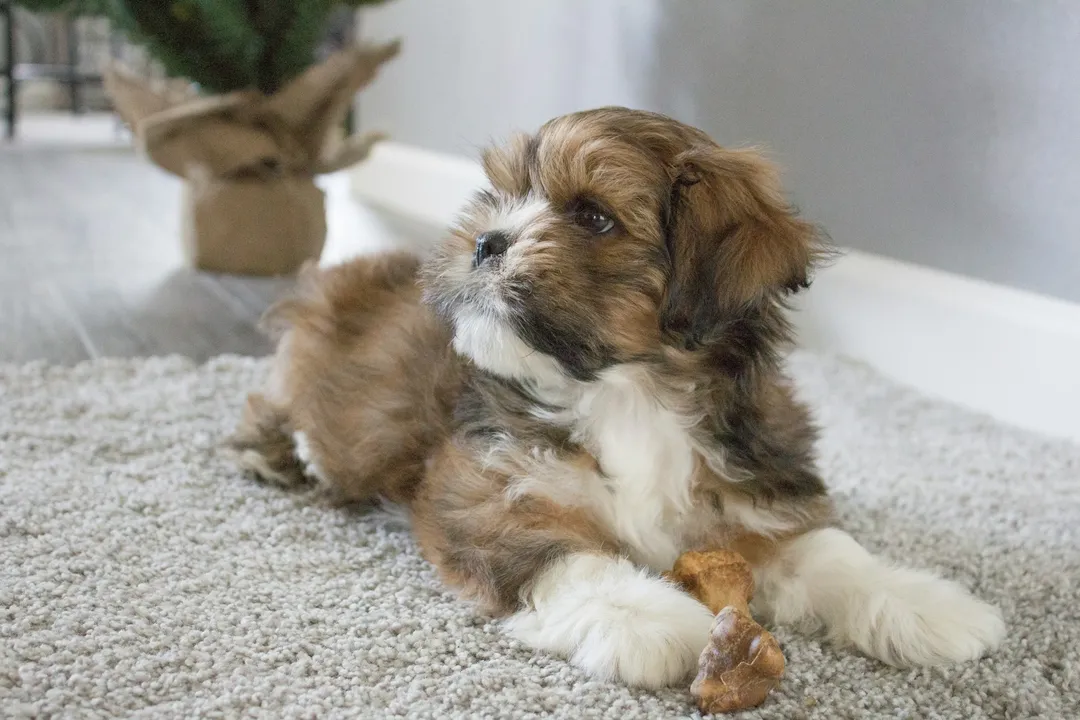
The allure of the Shih Tzu is easy to understand; their flowing coats, expressive eyes, and affectionate nature have cemented their status as beloved companions for centuries. When people look to mix this wonderful breed, they are often seeking a combination of that classic Shih Tzu charm paired with potentially different energy levels, a slightly altered size profile, or perhaps a coat that requires marginally less intensive maintenance. The resulting hybrid dogs, often referred to by catchy portmanteau names, offer a spectrum of personalities and appearances, making the search for the "best" mix a highly personal endeavor.
# Breed Baseline
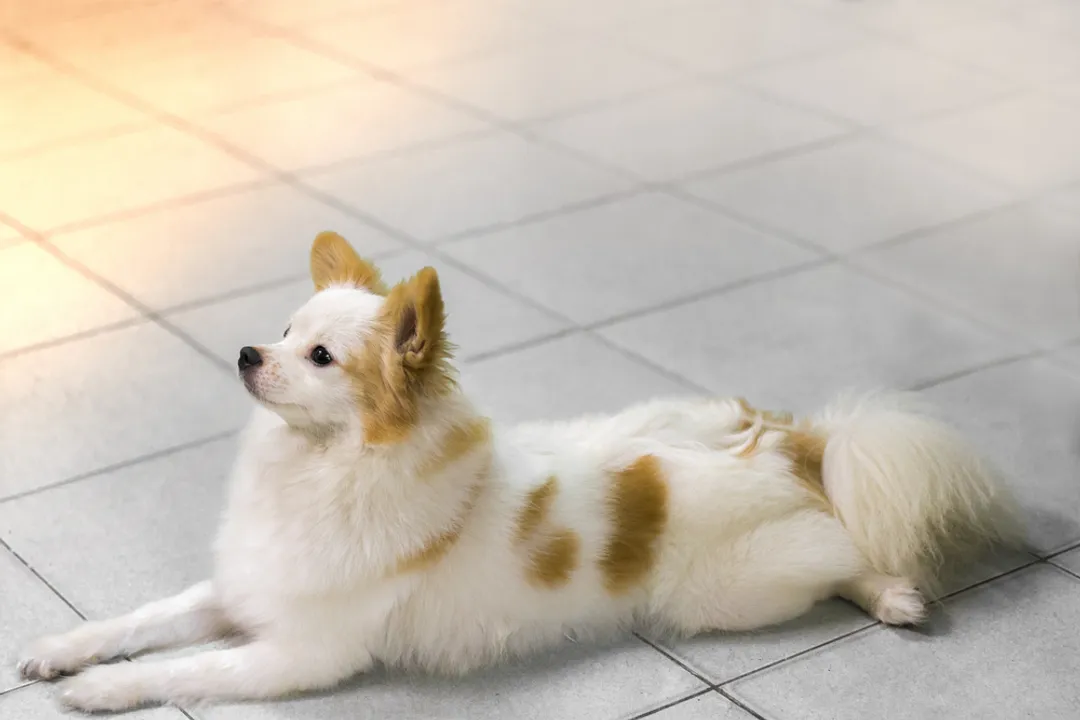
Before diving into the blended options, it is helpful to establish what traits the Shih Tzu brings to the table. The purebred Shih Tzu is historically known as a sturdy, happy, and outgoing lap dog. Bred primarily to be companions for Chinese royalty, they generally possess a confident demeanor. Their distinctive, long double coat requires dedicated grooming, which is a significant factor when considering a mix, as the resulting offspring might inherit this high-maintenance feature or a simpler alternative. They typically weigh between 9 and 16 pounds and stand about 9 to 10.5 inches tall at the shoulder.
# Popular Pairings
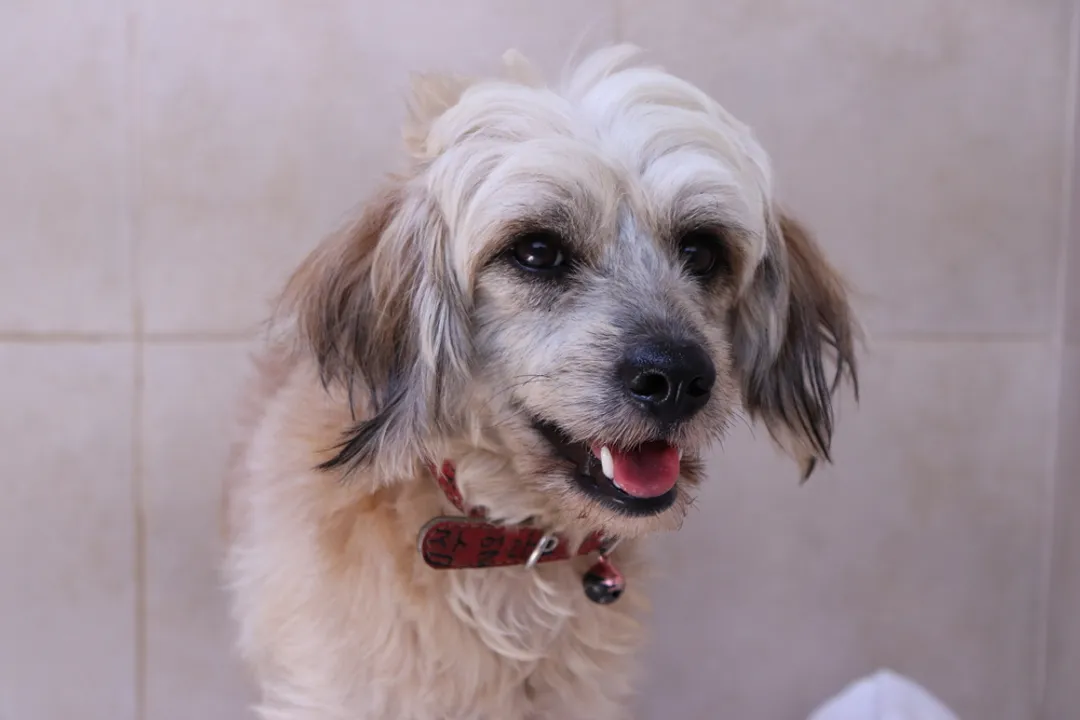
The best mix is highly subjective, depending entirely on what qualities the prospective owner prioritizes—be it low shedding, trainability, or size. Looking at what owners are sharing and breeders are producing, several combinations consistently rise to the top of popularity charts. These popular crosses usually involve other small, companion-oriented breeds.
Some of the most frequently seen and discussed Shih Tzu mixes include:
- Malshi: A cross with the Maltese.
- Shorkie: A pairing with the Yorkshire Terrier.
- Shihpoo: Mixed with a Poodle.
- Shichon: Also known as a Zuchon, this cross involves the Bichon Frise.
- Shiba Inu Mixes: While less common, other small Asian breeds sometimes get crossed, resulting in dogs that share a regal bearing.
Many owners describe their mixed-breed dogs—regardless of the specific combination—as having very sweet dispositions, inheriting the gentle nature of the Shih Tzu.

# Shorkie Specifics
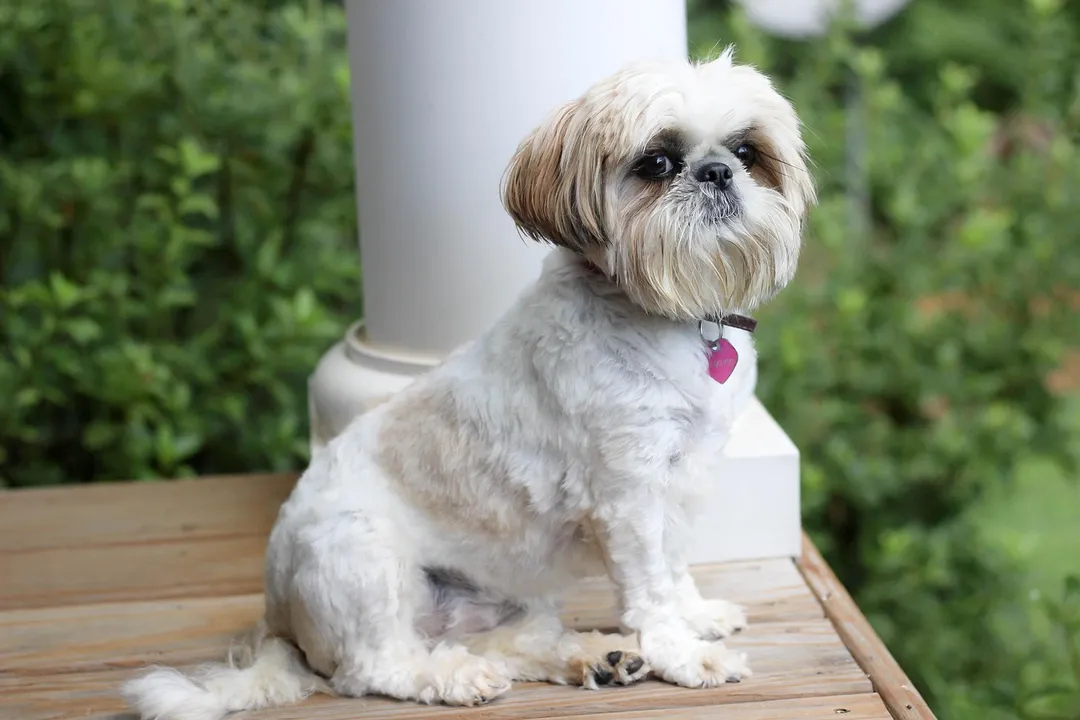
The Shorkie, the cross between a Shih Tzu and a Yorkshire Terrier, provides a good case study for how a mix takes shape. This pairing brings together two breeds known for being devoted lap dogs. A Shorkie typically results in a small dog, often maintaining the compact size of its parents.
When considering a Shorkie, potential owners should be aware of the coat inheritance. They might inherit the longer, softer coat that requires daily brushing typical of the Shih Tzu, or they might get the silkier, single coat often associated with the Yorkie, though both styles generally require regular care to prevent matting. Temperament-wise, the Shorkie is often described as spirited and affectionate, showing strong loyalty to its family. They are sometimes noted for having a bit more of a "big dog" attitude in a little package. For families looking for a very small dog that is deeply attached to its people, this particular blend is frequently recommended.
# Companion Crosses Analysis
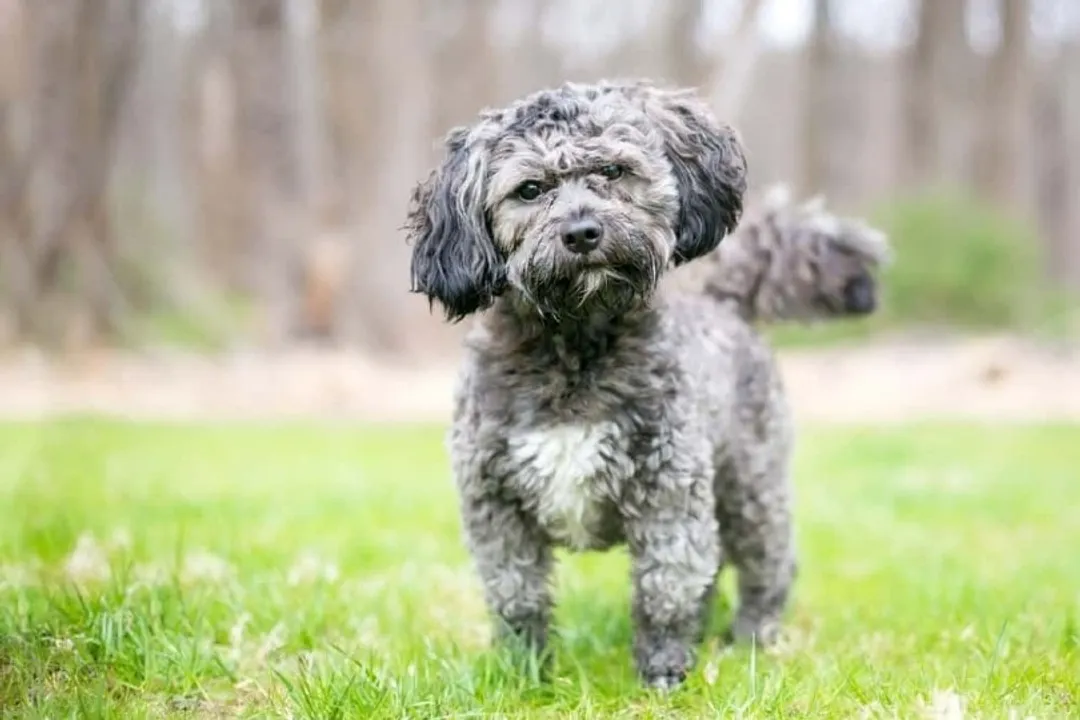
When pairing a Shih Tzu with another small companion breed, owners often seek to moderate the grooming needs or enhance specific positive traits. The Malshi, for instance, mixes the Shih Tzu with the Maltese. Since both parent breeds have coats that require daily maintenance, the resulting Malshi will almost certainly require significant grooming commitment. However, this pairing often yields an exceptionally affectionate and charming lap dog, sometimes slightly less robust in frame than a purebred Shih Tzu.
The Shihpoo (Shih Tzu and Poodle) is often sought after specifically because of the Poodle influence. Poodles are famous for their low-shedding coats, which may translate into a more manageable coat for allergy sufferers or those who dislike constant vacuuming. However, it is crucial to remember that coat quality in a first-generation cross is never guaranteed; the mix could strongly favor the Shih Tzu's shedding double coat.
A fascinating observation when comparing the Shorkie to mixes like the Shihpoo or Shichon is the difference in coat texture projection. Yorkies have hair, Poodles have dense, curly coats, and Bichons have a powdery, cotton-like coat. This means that while the Shorkie's coat might lean toward silkiness or feathering, the Shihpoo or Shichon often present a much higher probability of a curly or wavy texture, which can sometimes simplify brushing frequency, though it might necessitate professional clipping. Understanding the texture of the non-Shih Tzu parent is as important as understanding its temperament when predicting maintenance needs.
# Temperament and Training Notes
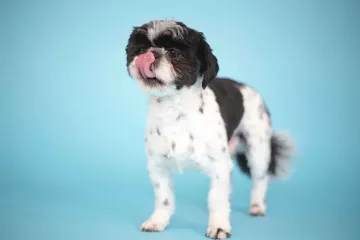
Shih Tzus are generally people-oriented and affectionate. When mixing them, the goal is often to temper any potential stubbornness or maintain the inherent friendliness. For instance, mixing with a breed known for higher intelligence or a stronger desire to please, like a Poodle, might result in a slightly more biddable dog.
If you are bringing home a Shih Tzu mix, whether it is a Shorkie, a Malshi, or another combination, remember that early socialization is paramount for any small breed. Dogs from smaller breeds can sometimes become fearful or reserved if not properly exposed to new sights, sounds, and people during their critical development period. While the inherent cuddliness of the Shih Tzu is a wonderful foundation, supplementing that with intentional exposure to novel, positive experiences in the first few months is what builds a truly confident adult dog. A well-socialized mix, regardless of pedigree, will always outperform an unsocialized one, even one descended from two perfectly bred lines.
# Making the Selection
The "best" mix for any individual or family depends less on the name on the adoption paper and more on aligning the dog's predicted needs with the owner's lifestyle.
To help narrow down the ideal companion, consider this thought process:
- Grooming Commitment: Are you prepared for daily brushing, or do you prefer professional grooming every 6-8 weeks? If it's the latter, a mix with a breed known for non-shedding coats (like the Poodle) might be worth pursuing, while understanding the gamble involved. If you enjoy daily bonding time with a brush, the coat similarity between the Shih Tzu and Maltese might appeal.
- Activity Level: While Shih Tzus are generally low-energy house dogs, the second breed will influence this. A mix with a slightly more athletic breed might adapt better to longer walks, whereas a mix with another true lap dog will likely be content with indoor play.
- Size Consistency: If a specific weight bracket is non-negotiable (e.g., must stay under 12 pounds), you need to investigate the typical size range of the non-Shih Tzu parent breed, as this parent will have a large impact on the final adult size of the mix.
It is also important to distinguish between a well-known crossbreed like the Shorkie and a backyard breeding where the goal is simply to produce puppies without specific health testing or temperament screening. Always seek out reputable sources, whether adoption agencies specializing in mixes or breeders who prioritize health in both parent lines.
# Coat Expectations Table
Understanding the coat genetics inherited from both sides is key to planning your grooming budget and schedule. While any mix can surprise you, looking at the parent breeds gives the best prediction.
| Mix Name | Shih Tzu Coat Type | Second Parent Coat Type | General Grooming Outlook |
|---|---|---|---|
| Shorkie | Long, flowing double coat | Silky, single coat (Yorkie) | High maintenance; prone to tangles if mixed coat occurs |
| Malshi | Long, flowing double coat | Long, silky single coat (Maltese) | Very high maintenance; requires daily attention |
| Shihpoo | Long, flowing double coat | Curly, low-shedding (Poodle) | Variable; high potential for a wash-and-wear curly coat needing trims |
| Shichon | Long, flowing double coat | Powdery, cotton-like coat (Bichon) | Moderate to high; often yields a soft, puffy coat needing regular brushing |
When looking at these combinations, remember that the goal of mixing breeds is not always to eliminate grooming, but perhaps to change the type of grooming required. A poodle mix might swap daily line brushing for a mandatory professional trim every six weeks.
# Community Input
The experience shared by current owners of mixed Shih Tzus online offers valuable, real-world data that goes beyond breeder descriptions. Observing these dogs in various living situations shows that the mixes generally adapt well to apartment life due to their small size, a trait common to all the popular pairings mentioned. Owners frequently express deep satisfaction with their choice, often highlighting how the mix retained the Shih Tzu’s endearing, sometimes clownish, personality while sometimes adding a bit more resilience or a slightly different energy drive inherited from the other parent. Ultimately, the "best" mix is the one whose unique blend of inherited traits—from the regal Shih Tzu and its companion counterpart—fits perfectly into your daily routine and heart.
#Videos
15 Shih Tzu Crossbreeds Guaranteed to Melt Your Hearts - YouTube
10 Most Adorable Shih Tzu Mix Breeds - YouTube
Related Questions
#Citations
Show me your mixed shih tzus! : r/Shihtzu - Reddit
15 Shih Tzu Crossbreeds Guaranteed to Melt Your Hearts - YouTube
38 Adorable Shih Tzu Mixes (With Pictures) - Dogster
What is my shih tzu mix breed? - Facebook
Shih Tzu Mix - Pinterest
A Shih Tzu and a Yorkshire Terrier Mix: The Ultimate Guide to the Shor
What kind of dog is best to breed with a Maltese Shih Tzu? - Quora
Shih Tzu Dog Breed Information - American Kennel Club