What two breeds make a Shih Tzu?
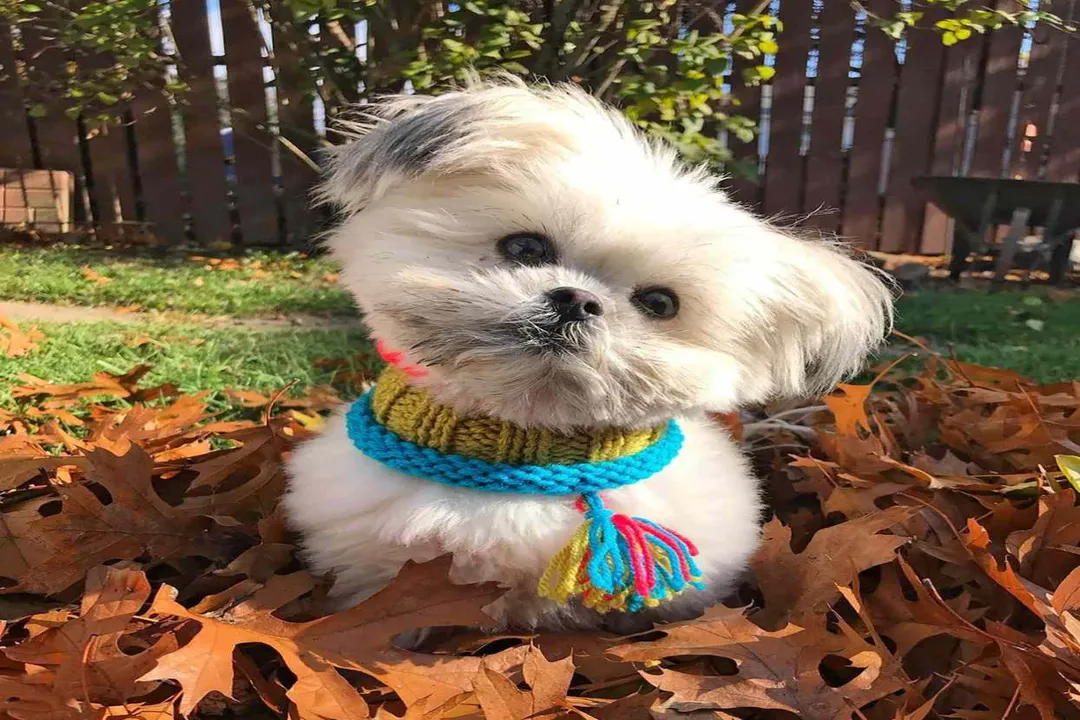
The lineage of the small, often regal-looking companion dog known as the Shih Tzu is a subject deeply rooted in Asian history, pointing toward a combination of two highly respected ancient breeds from Tibet and China. While modern breeding has refined the Shih Tzu into the distinct entity we recognize today, historical accounts strongly suggest its immediate ancestors were the Lhasa Apso and the Pekingese. This conclusion is drawn from the breed's geographic origins—developing from Tibetan dogs that were gifted to Chinese royalty—and the striking physical and temperamental similarities shared with these two foundation breeds. The resulting dog, whose name means "little lion," carries forward the heritage of both its Tibetan guardian predecessor and the favored lapdog of the Chinese Imperial Court.
# Tibetan Roots

The story of the Shih Tzu begins high in the mountains of Tibet, where dogs closely related to the Lhasa Apso were treasured and often resided in monasteries. These Tibetan dogs were hardy and served as companions to monks. The specific development into the breed we know today, however, occurred primarily in China, following the gift of these dogs to Chinese emperors. This significant transfer of dogs from Tibet to China is crucial to understanding the dual nature of the Shih Tzu's ancestry.
The Lhasa Apso is frequently named as the direct parent or closest relative, sharing a striking resemblance in structure and coat type. The general appearance of the Shih Tzu has been described as having a structure similar to the Lhasa Apso but with a somewhat shorter muzzle, a feature likely introduced by the second ancestral breed. It is helpful to view the Shih Tzu not as a brand-new creation, but as a deliberate refinement of an existing, revered Tibetan type, shaped by Imperial standards.
# Pekingese Influence
If the Lhasa Apso contributed the sturdy build and magnificent double coat, the Pekingese likely introduced the defining characteristics that set the Shih Tzu apart in the eyes of the Chinese court. The Pekingese, another breed steeped in Chinese Imperial history, was highly prized and rarely permitted to leave the Forbidden City. When the Tibetan dogs arrived, they were crossbred with the native Chinese breeds, most significantly the Pekingese, resulting in the Shih Tzu.
This crossbreeding appears responsible for creating the characteristic shortened muzzle and round eyes often associated with the Shih Tzu, features that distinguish it from the slightly longer muzzle and less prominent eyes of the Lhasa Apso. The objective of the Chinese breeders was to create a dog that perfectly matched the ancient Chinese descriptions of the "little lion". This intentional blending suggests that the Shih Tzu is a true blend, inheriting desired traits from two distinct, venerable lines, rather than being a direct descendant of only one.

# Distinguishing Features
The primary confusion surrounding the Shih Tzu’s parentage arises because the Lhasa Apso is so closely related and was historically present in the same environment. Yet, recognizing the difference between the two suspected parents helps illuminate the features of the modern Shih Tzu.
| Trait | Lhasa Apso (Suspected Ancestor) | Pekingese (Suspected Ancestor) | Shih Tzu (Resulting Breed) |
|---|---|---|---|
| Muzzle | Relatively longer | Very short, broad | Short, but generally less flat than Pekingese |
| Eyes | Large, dark, deep-set | Large, prominent, round | Large, round, prominent |
| Size/Build | Sturdy, balanced, solid | Compact, lion-like, heavy bone | Sturdy, slightly longer than tall |
| Temperament | Independent, serious | Regal, dignified, somewhat reserved | Outgoing, affectionate companion |
Considering the needs of Imperial life, the desired temperament also played a role. While the Lhasa Apso could be more watchful and reserved, the Shih Tzu was selectively bred to be an exceptional lapdog, highly social and affectionate, attributes often associated with the Pekingese's role as a pampered court companion.
# Breeding Types
Although the historical answer points to the Lhasa Apso and Pekingese, the modern term "Shih Tzu" encompasses dogs that may have been selectively bred for different aesthetics even within China, leading to variations that some sources categorize as "types". For instance, some lineages may have favored a shorter face or a specific coat texture, indicating that even within the purebred lines developed in China, there were subtle differences in the historical crossbreeding ratios or emphasis.
When looking at modern canine populations, the concept of "two breeds making" a dog often applies to intentional crossbreeds—or "designer dogs"—where a purebred Shih Tzu is bred with another recognized breed, such as a Maltese or Yorkshire Terrier. While this is not the origin of the purebred Shih Tzu, examining these popular crosses can illustrate the dominant traits that the purebred carries. For example, a Maltese-Shih Tzu cross, often called a Mal-Shi, combines the known traits of the Shih Tzu with the Maltese's tendency toward a lower shedding coat and potentially a slightly more energetic disposition. Observing these mixes helps demonstrate the core characteristics inherited from the original Lhasa/Pekingese foundation—namely the profuse, flowing coat and the sturdy, compact body.
A practical observation for any prospective owner researching this heritage is how grooming needs reflect ancestry. The heavy, flowing double coat, common to all three ancestral/related breeds (Shih Tzu, Lhasa Apso, Pekingese), requires consistent daily care to prevent matting, a trait inherited from its high-altitude Tibetan relatives. If you ever notice a Shih Tzu that appears exceptionally delicate or has a coat that is almost silky rather than the standard dense double coat, it is likely that the influence of one of the Tibetan or Chinese ancestors, perhaps even another related breed like the Maltese which shares a similar coat texture profile when crossed, is more dominant than others. This highlights that even the purest lines carry subtle genetic variations from their foundational stock.

# The Refinement in China
The transition from the Tibetan monastic companion to the pampered Imperial pet involved rigorous selection over centuries. The Emperors of China valued these dogs immensely, keeping them within the walls of the Forbidden City, which resulted in an insular gene pool that solidified the desired traits. It was here, under this intense focus, that the line between the Lhasa Apso/Pekingese mix and the recognized Shih Tzu became clearly established.
The development phase emphasized specific aesthetic features favored by the ruling class, such as the flowing hair that often needed to be tied up away from their eyes—a necessity for the dog, but also a visual characteristic prized by their owners. This long, luxurious coat, which requires dedicated maintenance, is a clear marker of its specialized breeding history, distinct from many of its hardier, less coddled cousins. The Chinese standardized the look that we now accept as the ideal Shih Tzu, effectively transforming the ancestral dog into a distinct breed entity.
# Interpreting Historical Evidence
It is important to acknowledge that precise, written records detailing the exact genetic contributions of the Pekingese versus the Lhasa Apso are scarce, as much of the breed's history is rooted in oral tradition and Imperial preference rather than scientific documentation. Therefore, the conclusion that these two breeds form the basis of the Shih Tzu relies on comparative morphology and historical movement of dogs.
When owners discuss their Shih Tzus online, they often reflect on this duality. One commenter noted their love for the breed’s intelligence coupled with their undeniable cuddliness, traits that align perfectly with both the alert watchdog heritage of the Tibetan breeds and the devoted lapdog role of the Chinese court favorites. This blend of independence and affection is a direct reflection of the two ancestral groups. While the Lhasa Apso might lean toward a more aloof nature, the Shih Tzu, shaped by the Pekingese influence, typically presents as more overtly outgoing and eager to please its immediate family.
For comparison, consider the effort involved in maintaining the coat versus the temperament. If one were to hypothetically calculate the maintenance load based solely on the two ancestors, one might assume the dog would be high-strung due to the high upkeep. However, the fact that the Shih Tzu generally maintains a happy disposition despite the demanding grooming schedule speaks to the success of the Chinese breeders in selecting for manageable companionship traits over pure ancestral rigor.
# Modern Lineage Summary
To synthesize the findings based on the available documentation, the Shih Tzu is the direct product of the intermingling of two specific, high-status ancient breeds. The Lhasa Apso provided the foundation of the robust, long-coated Tibetan dog. The Pekingese then contributed the definitive facial structure—the shorter nose and rounder eyes—that visually separated the Shih Tzu from its Tibetan relative. This makes the answer to what two breeds make a Shih Tzu a matter of historical lineage rather than recent crossbreeding: the Lhasa Apso and the Pekingese.
Understanding this foundation is key for responsible ownership. Recognizing the Lhasa Apso heritage might suggest a slightly more stubborn streak requiring patient training, while the Pekingese heritage might explain the breed's famous, often comical, self-assured air. This historical perspective provides context for the modern dog's personality and care requirements, moving beyond simple descriptions of appearance to appreciate the centuries of intentional development that produced this beloved companion breed.
#Videos
15 Shih Tzu Crossbreeds Guaranteed to Melt Your Hearts
Related Questions
#Citations
Shih Tzu
10 Shih Tzu Mixes Who Will Make Your Heart Skip a Beat
Shih tzu breed characteristics and types?
Did you know that the Lhasa Apso is the parent breed to ...
15 Shih Tzu Crossbreeds Guaranteed to Melt Your Hearts
Shih Tzu History: From Royal Dogs to Beloved Companions
9 Types of Shih Tzu Dog Breed
What are the pros and cons of Maltese and shih tzu dogs?