What breeds were mixed to create a Golden Retriever?

The appeal of the Golden Retriever often lies in its reputation: devoted, intelligent, and unfailingly cheerful. It is a breed so successful in its intended role—retrieving game gently—that the very blueprint of its creation, a careful blend of desired working traits, seems to inspire enthusiasts to explore what happens when that blueprint is combined with others. While the specific foundation pairings that established the original breed in Scotland are a matter of historical record separate from the modern designer dog trend, the concept of mixing is deeply intertwined with the Golden’s continued popularity, leading to a vast array of companion and working crossbreeds today.
# Breed Development
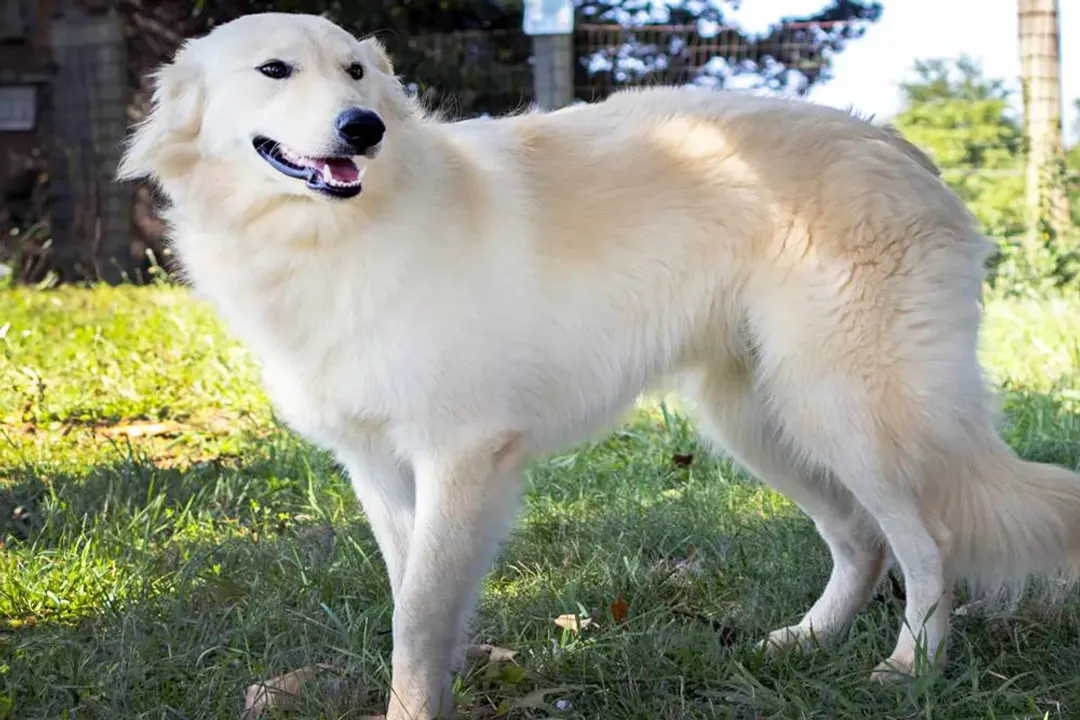
The modern Golden Retriever is the result of decades of selective breeding, carefully managed by figures like Lord Tweedmouth in the mid-1800s. The goal was singular: to create a superior gun dog capable of working in the rugged Scottish terrain and retrieving waterfowl with a soft mouth. This foundational process involved blending breeds known for their water ability, intelligence, and tractable nature. Although the exact historical parentage is often a deeper dive into kennel club history, the result we recognize today is a highly dependable working dog. The traits perfected in the original development—trainability, eagerness to please, and a desire for partnership—are precisely the qualities modern breeders seek when crossing a purebred Golden with another recognized breed. Understanding this original mix, which prioritized temperament and retrieving drive above superficial traits, offers context for evaluating modern combinations. A key difference to note between the historical creation and contemporary mixes is the objective: the original breeding aimed for a highly specific working standard, whereas many modern crosses prioritize size variation or hypoallergenic coat potential, sometimes at the expense of that original, predictable temperament.
# Common Mixes
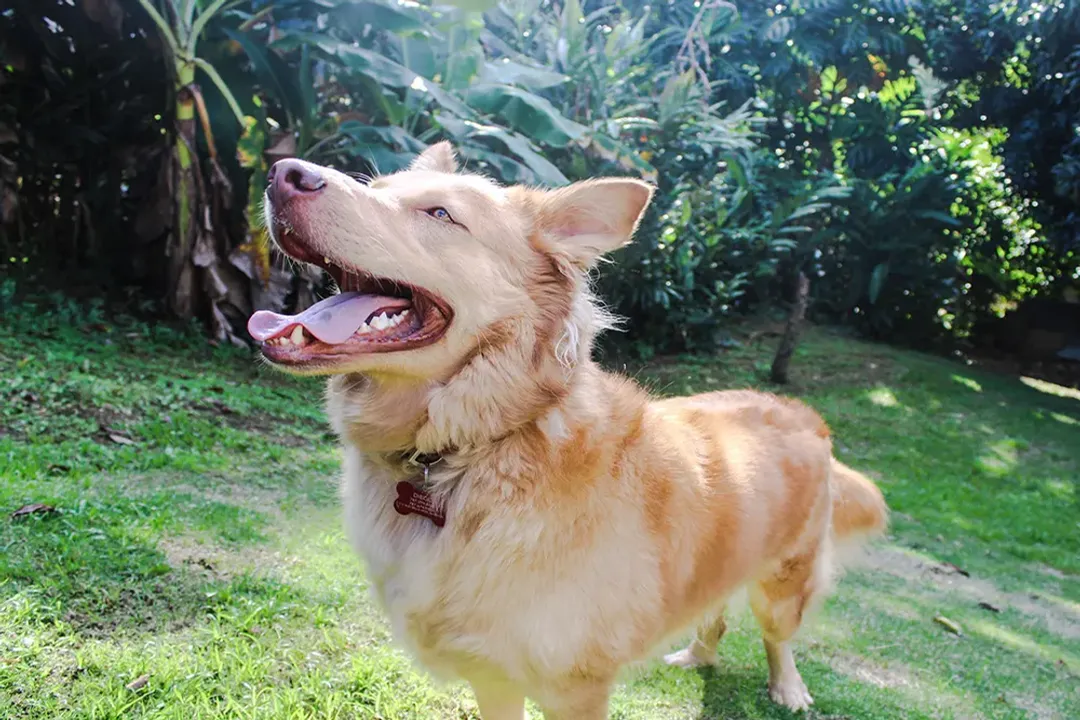
The Golden Retriever’s friendly disposition makes it an ideal genetic partner for many other popular breeds, leading to a large family of recognized or informal crossbreeds. When considering these combinations, the resulting dog inherits a blend of traits, often making them slightly less predictable than a purebred but potentially capitalizing on the strengths of both parent lines.
Several popular pairings consistently appear in rescue organizations and among owner discussions:
- Goldendoodle: The blend of a Golden Retriever and a Poodle. This is arguably the most famous Golden mix, often sought after for its potential to have low-shedding qualities inherited from the Poodle side, combined with the Golden’s eagerness.
- Golden Shepherd: A cross between a Golden Retriever and a German Shepherd Dog. This mix often results in a larger dog with strong protective instincts, blending the loyalty of both breeds.
- Golderger/Golden Boxer: Pairing a Golden Retriever with a Boxer. These dogs often exhibit high energy levels and a playful, sometimes goofy, nature.
- Gollie/Golden Collie: A mix with a Border Collie. This combination is known for exceptional intelligence and working drive, potentially requiring significant mental stimulation.
- Golden Pyrenees: Crossing a Golden Retriever with a Great Pyrenees. These dogs tend to be large, gentle guardians, often inheriting the Golden’s sweetness but with the Pyrenees’ strong protective instincts.
If you are looking for a companion specifically suited for service or therapy work, the heritage matters immensely. For instance, Guide Dogs for the Blind in the UK actively use crosses involving Golden Retrievers, such as the Goldador (Golden Retriever and Labrador Retriever), precisely because that specific two-breed mix has a proven track record for excellent temperament, stable health, and suitable energy levels for assistance work. This demonstrates a deliberate, targeted approach to mixing, mirroring the initial development of the purebred itself.

# Goldendoodle Focus
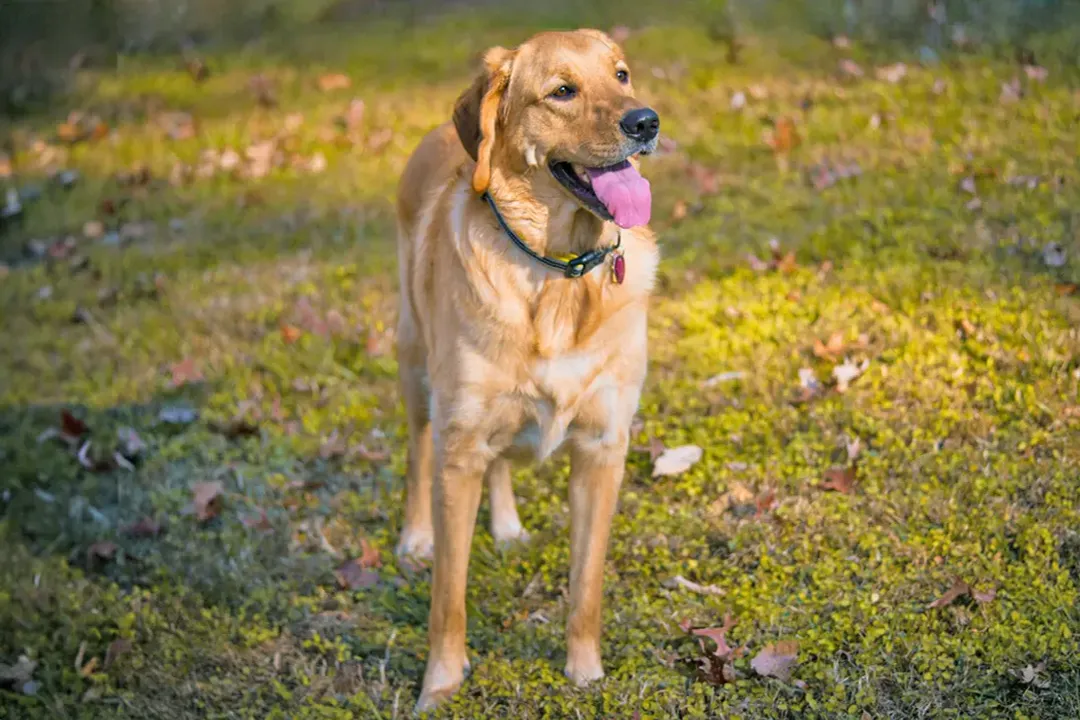
The Goldendoodle deserves specific attention because its popularity has driven significant conversation in the crossbreed world. These dogs vary dramatically depending on the generation (F1, F1b, etc.) and the size of the Poodle used (Standard, Miniature, or Toy).
| Generation | Parentage | Typical Coat Behavior |
|---|---|---|
| F1 | Golden Retriever x Poodle | Highly variable; may shed |
| F1b | Goldendoodle x Pure Poodle | More likely to be low-shedding |
| Multigen | Two or more generations of doodles | Most predictable coat type |
| [1][6] |
One point that often surprises new owners of Goldendoodles is the coat inconsistency. While many seek them out for being "hypoallergenic," the reality is that coat type is inherited somewhat like eye color—a lottery. A reputable breeder working with doodles will test potential pairings to try and maximize the chances of a low-shedding coat, but even then, grooming requirements can range from brushing a heavy, shedding coat to regular professional clipping for a curlier, non-shedding texture. If you are choosing a mixed breed based on coat promises, always inquire about the coat type of both parent dogs, not just the desired outcome of the mix.
# Mix Temperament
When a Golden Retriever is mixed with a breed possessing a stronger guarding instinct, like a German Shepherd or a Rottweiler (though the latter is less commonly cited in general lists), the resulting temperament requires careful management and early socialization. The Golden temperament is famously accepting and trusting, while breeds like the German Shepherd are naturally more reserved with strangers. The resulting dog may possess the Golden’s intense desire to please combined with a higher level of territorial awareness. This is not inherently good or bad, but it necessitates a commitment from the owner to provide consistent, positive reinforcement training from puppyhood to ensure the dog grows into a balanced adult.
In contrast, when mixed with another soft-natured retriever, like the Labrador (the Goldador), the traits tend to compound: extreme friendliness, high energy, and a robust appetite are often amplified. These dogs make phenomenal family pets and service animals because their inherited genetic drive leans heavily toward cooperation and affection rather than defense or independent decision-making.
A valuable consideration for anyone bringing home a mixed breed dog whose lineage includes a high-drive working dog—such as a Border Collie cross—is understanding the need for engagement. Purebred Golden Retrievers require significant activity, but when combined with a breed famous for needing a "job" (like herding), the daily requirement for physical exercise combined with complex mental tasks (puzzle toys, advanced training sessions) increases exponentially. Ignoring this mental requirement in high-drive mixes often leads to the development of unwanted behaviors like excessive barking or compulsive behaviors, as the dog seeks to occupy its highly capable mind on its own terms.
# Practical Ownership Tips
Whether you are interested in the history that led to the gentle nature of the purebred or the excitement of the diverse modern crosses, owning any dog with Golden Retriever lineage generally means committing to a lifestyle that includes them fully.
Here are a few actionable considerations for any Golden Retriever cross owner:
- Health Screening: While mixed breeds are sometimes touted as being healthier due to a broader gene pool (hybrid vigor), they can still inherit the serious genetic predispositions of either parent breed. Ensure you know the health testing performed on the parent purebreds (e.g., hip/elbow scores for Goldens, or heart/eye checks for Poodles or Boxers).
- Exercise Matching: Be realistic about the exercise level needed. A Golden/Collie mix will likely need significantly more structured activity than a Golden/Bichon mix. Observe the dog’s behavior when bored; this is often the clearest indicator of whether their needs are being met.
- Grooming Prediction: If the coat is wavy or curly, plan for regular brushing to prevent matting and budget for professional grooming appointments every six to eight weeks, regardless of whether the dog sheds heavily or not.
Ultimately, the enduring appeal of the Golden Retriever lies in its cooperative spirit, a quality intentionally bred into it long ago. When that spirit is blended with another breed, the resulting dog carries forward the legacy of careful selection, creating companions uniquely suited for different modern lives.
#Videos
5 CUTEST Golden Retriever Mix Breed Dogs You Don't Know About!
Related Questions
#Citations
14 Golden Retriever Mixes That Might Be Even Cuter Than the ...
10 Golden Retriever Mixes You Need to See to Believe - Daily Paws
12 Golden Retriever Mixes for a Cute, Fluffy Companion
Meet 11 Irresistible Golden Retriever Mixes That Will Melt Your Heart
5 CUTEST Golden Retriever Mix Breed Dogs You Don't Know About!
10 Golden Retriever Mixes That Make the Best Pets - Adopt a Pet
What dogs were mixed to get the breeds Golden Retriever ... - Quora
best breeds for a golden retriever's companion? : r/goldenretrievers
Crossbreeds | Our Dog Breeds | Guide Dogs UK