Is a Shih Tzu DNA closest to a wolf?
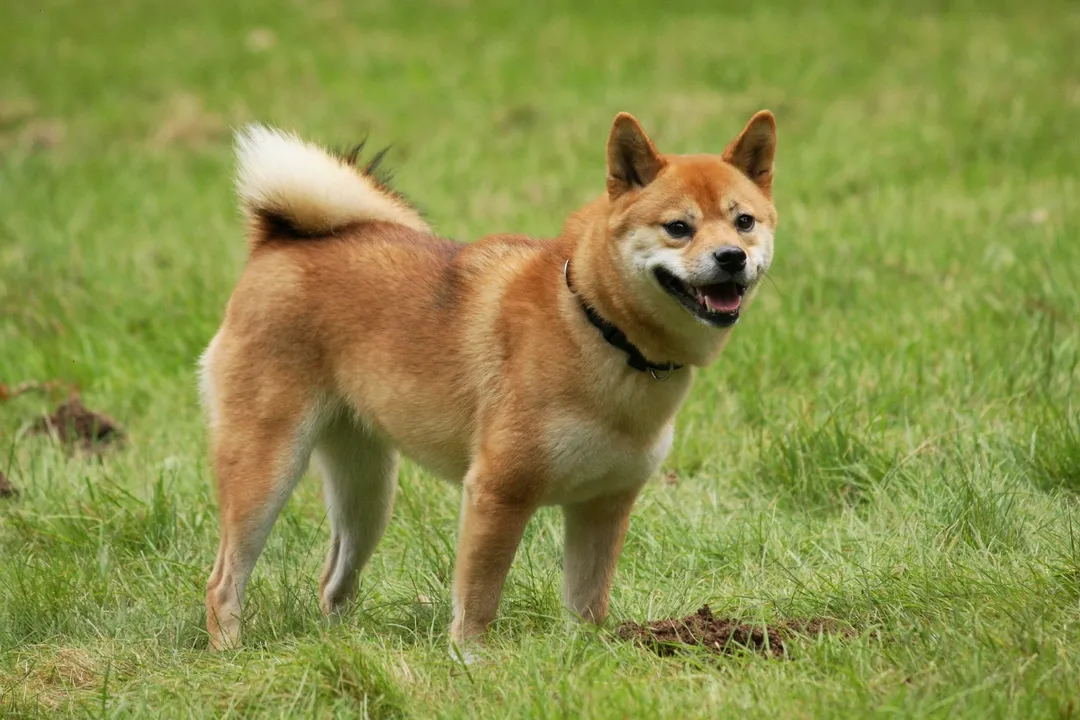
The idea that a small, long-haired companion dog like the Shih Tzu might possess a surprisingly close genetic link to the gray wolf often catches people off guard. It’s a topic that pops up in online discussions, with owners sharing anecdotes and questioning the lineage of their furry friends. This isn't just idle speculation; reports have suggested that certain characteristics in the breed point toward a more ancient heritage than many other modern, heavily refined dogs. When looking at the broader canine family tree, breeds often touted as being closest to their wild ancestors—like Siberian Huskies or Alaskan Malamutes—typically come to mind, making the inclusion of the diminutive Shih Tzu in this conversation quite remarkable.
# Genetic Link
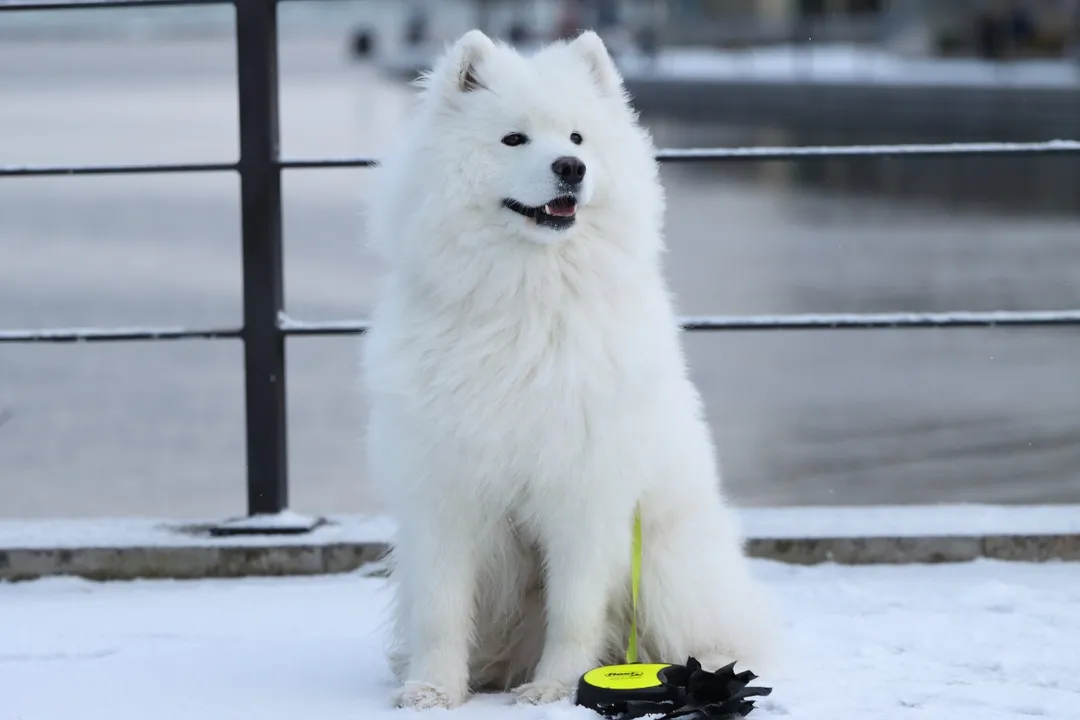
The notion of a close tie between the Shih Tzu and wolves seems largely fueled by specific genetic research or observations regarding vocalizations, which some find compelling enough to drive online conversation. One of the more specific observations noted is the difference in how the Shih Tzu communicates compared to many other modern toy breeds. Instead of a typical, sharp bark, some sources highlight that the Shih Tzu exhibits a tendency toward a sound that is closer to a howl. This vocal behavior is often associated with more primitive canids, giving credence to the idea that their DNA retains a more direct line to the wolf ancestor.
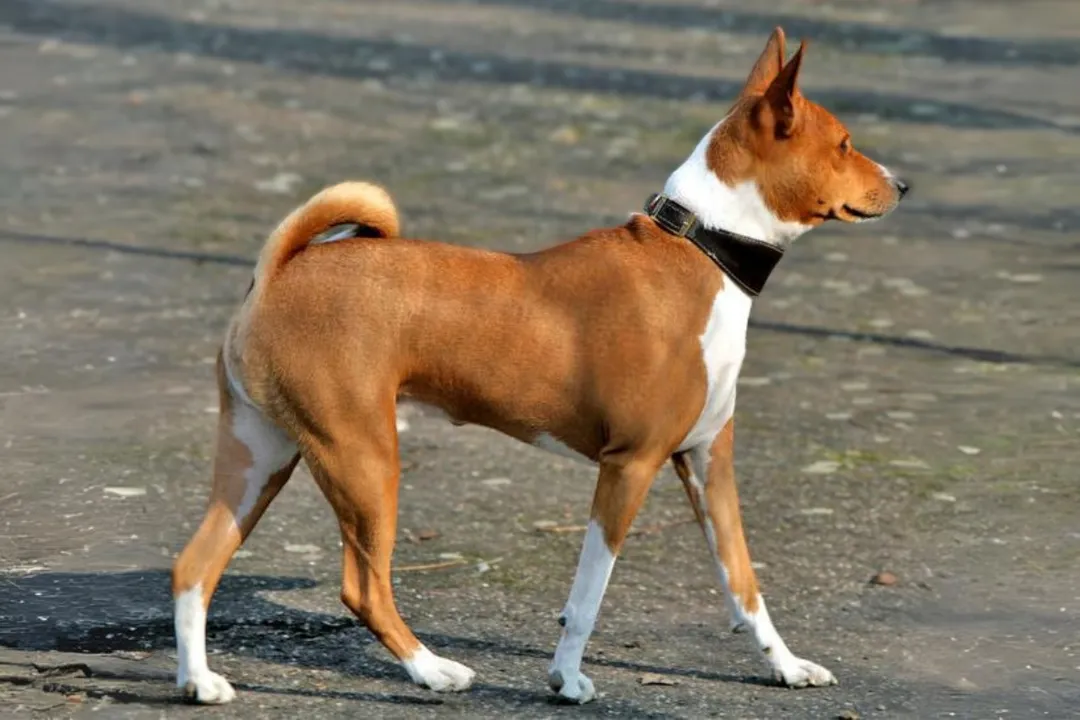
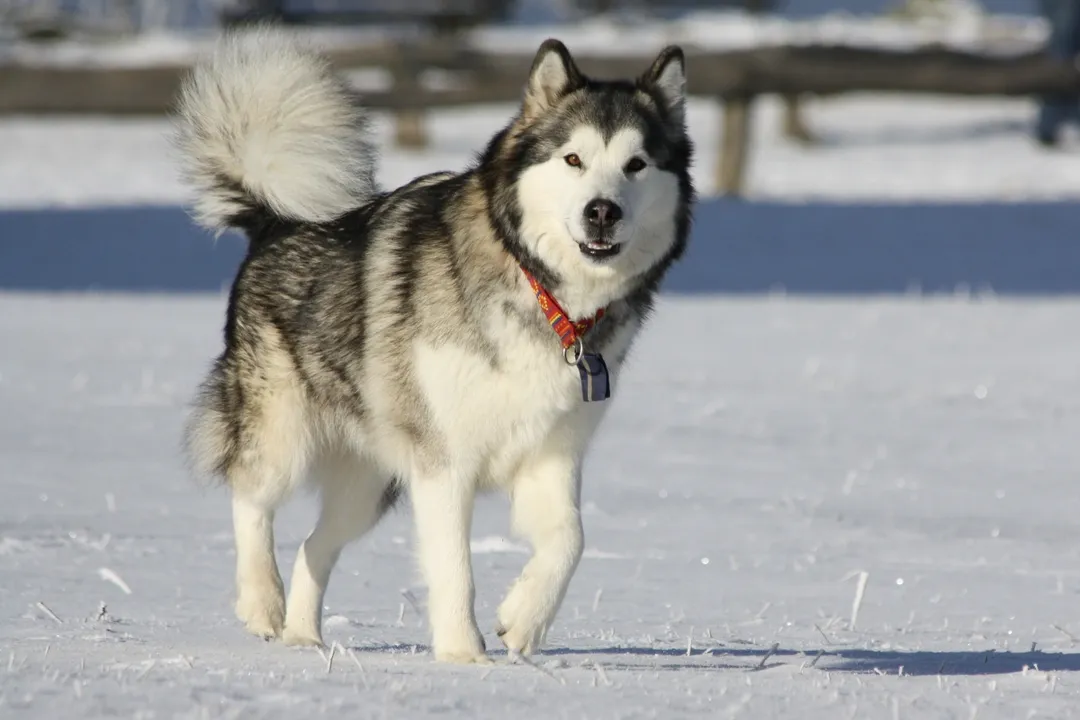
It is important, however, to check where the Shih Tzu actually sits among the breeds generally recognized as genetically closest to the wolf. A survey of breeds identified as having high genetic similarity to wolves often highlights breeds used for sledding or hunting in colder climates. For instance, breeds like the Basenji, Siberian Husky, Alaskan Malamute, and Samoyed frequently appear near the top of these lists due to their ancient separation from the main dog population. While the claim is frequently discussed, without a direct genetic map from the provided materials that explicitly places the Shih Tzu as number one above all others, the discussion remains focused on its closer relationship rather than claiming it is the absolute closest link overall. The very existence of the debate suggests that the Shih Tzu is positioned significantly further up the evolutionary chain of domestication than breeds developed more recently for specialized roles.
# Ancient Ancestry
The Shih Tzu’s history is deeply rooted in imperial China, where they were prized residents of the Forbidden City. This suggests the breed has existed in a relatively recognizable form for a long time, qualifying them as an ancient breed. Dogs that are classified as ancient breeds often share genetic markers that link them more closely to early domesticated dogs, which in turn share a more recent common ancestor with wolves compared to breeds developed in the last few hundred years through intense cross-breeding. The Shih Tzu’s long heritage, even if they weren't bred for survival in the wild, means their genetic base might have been less frequently diluted by the introduction of genes from other recently developed lineages.
The fact that the Shih Tzu was maintained within a sheltered, controlled environment, rather than being subjected to the intense selection pressures of utility breeds like herders or pointers, provides an interesting counterpoint. While utility breeds might have had their wolf-like genes "bred out" in favor of specific working traits, the Shih Tzu's primary selection criteria were appearance and temperament suitable for palace life. This type of selection pressure might inadvertently preserve more of the ancestral genetic profile simply because traits detrimental to wolf-like survival (like extreme small size or brachycephalic structure) were not being selected against in a survival context, but rather for in a companion context. It suggests that the perceived closeness to the wolf might be a reflection of less deviation from an ancient template rather than a direct parallel to wild survival traits.

# Behavior Contrast
Despite the genetic whispers suggesting a primal connection, the everyday reality of owning a Shih Tzu stands in stark contrast to the image of a wolf. Modern Shih Tzus are defined by their affectionate, outgoing, and sometimes stubborn personalities. They are bred to be lap dogs, not pack hunters, and their physical structure—including their short muzzle and long, flowing coat—is far removed from the lean, enduring build of Canis lupus.
The conversation around their possible wolf heritage often highlights this dichotomy. It’s fascinating to consider that a dog whose primary job for centuries was sitting elegantly on a royal lap could still carry genetic baggage that manifests as a howl rather than a common yip. This brings up an interesting consideration for owners: when a dog exhibits a trait linked to its ancient past, such as that observed vocal difference, it can often be misinterpreted. A "wolf-like howl" in a small apartment dog is sometimes viewed with amusement or confusion, whereas the same sound from a German Shepherd might be seen as protective instinct. Understanding that this behavior might stem from a deeper, shared canine history, rather than a sign that the dog is about to start organizing a hunting party, is key to managing expectations.
If we look at the selective pressures that shape breeds, a canine with a more direct lineage might exhibit greater trait stability across generations, even when environmental factors change dramatically. For the Shih Tzu owner, this could translate into a sometimes frustrating consistency in characteristics like house-training independence or a strong desire for routine, traits that are often associated with breeds closer to their original purpose, whether that purpose was hunting or simply guarding a high-status individual.
# Interpreting Ancestral Traits
When comparing ancient breeds like the Shih Tzu to those often grouped with wolves due to appearance or function (like Northern breeds), it helps to look at divergence points. Many of the breeds listed as genetically closest to wolves are categorized as "basal breeds," meaning they diverged early and maintained many generalist traits. The Shih Tzu's ancestral origins lie in Tibet or China, and their specific development path diverged very early on from the utility groups.
A thought experiment for owners involves examining their dog's drive. A true wolf-line dog often displays high prey drive or a strong need for structured work. While a Shih Tzu can certainly be tenacious—especially when deciding they do not want to take a bath or go out in the rain—their drive is typically channeled toward social interaction and food acquisition rather than complex cooperative hunting. The persistence in their nature, which owners might label as stubbornness, could be one of the few behavioral echoes of a less pliable, ancient temperament that predates centuries of intensive human refinement for pure docility. It’s less about the action and more about the inertia of the inherited temperament.
# Ownership Application
For those who find this ancestral connection compelling, whether due to the howling observation or the breed's ancient documentation, it offers a slightly different lens through which to view training. If we accept that the Shih Tzu carries a slightly less diluted genetic blueprint compared to some breeds developed rapidly in the Victorian era, this might inform our approach to their socialization and learning. For instance, rather than assuming complete obedience based on affection alone—a common trap with companion breeds—an owner might benefit from treating the training process with a bit more respect for the dog’s inherent desire for self-determination, a trait often more pronounced in basal canids.
This doesn't mean complex obedience work, but rather establishing clear, consistent boundaries early on. Because the Shih Tzu was valued in a court setting, they are naturally attuned to social structure, but that structure must be firm. A failure scenario many Shih Tzu owners encounter is the "spoiled tyrant" syndrome, where affection overrides necessary structure. Recognizing that any dog, even one labeled "closest to a wolf," is fundamentally a domestic animal whose needs are social and emotional, yet retaining a certain deep-seated independence, suggests that consistency in rewarding desired behaviors, rather than punitive correction, will work best for these sensitive but strong-willed little dogs. They respond better to being shown the right path, much like a pack member follows a confident leader, rather than being forced onto it.
Ultimately, the claim that the Shih Tzu is genetically very close to the wolf remains a fascinating piece of canine trivia, supported by observations like their tendency toward howling. While they may not top the scientific charts against breeds like the Husky when looking strictly at the percentage of genetic markers shared with Canis lupus, their ancient lineage places them distinctly closer to the root of the dog family tree than many realize. This historical depth manifests not in wilderness survival skills, but perhaps in the quiet, underlying tenacity and unique vocal expressions of this beloved, regal companion breed.
#Videos
the most surprising fact about Shih Tzu dogs - YouTube
Related Questions
#Citations
They say Shih Tzu's are closely related to wolves. ♀️ - Reddit
Beware the shih-tzu! Why your dog may be closer to a wolf than you ...
Is A Shih Tzu Really A Wolf? - Will Lockett - Medium
Why is it said that the Shih Tzu is the closest linked ancestor ... - Quora
11 Dog Breeds That Are Closest To Wolves Genetically
According to National Geographic, Shih Tzus are genetically closer ...
the most surprising fact about Shih Tzu dogs - YouTube
8 Dog Breeds Closest To Wolves Genetically - The Dogington Post
Shih Tzu | International Biosciences UK