What food is best for weight loss in dogs?
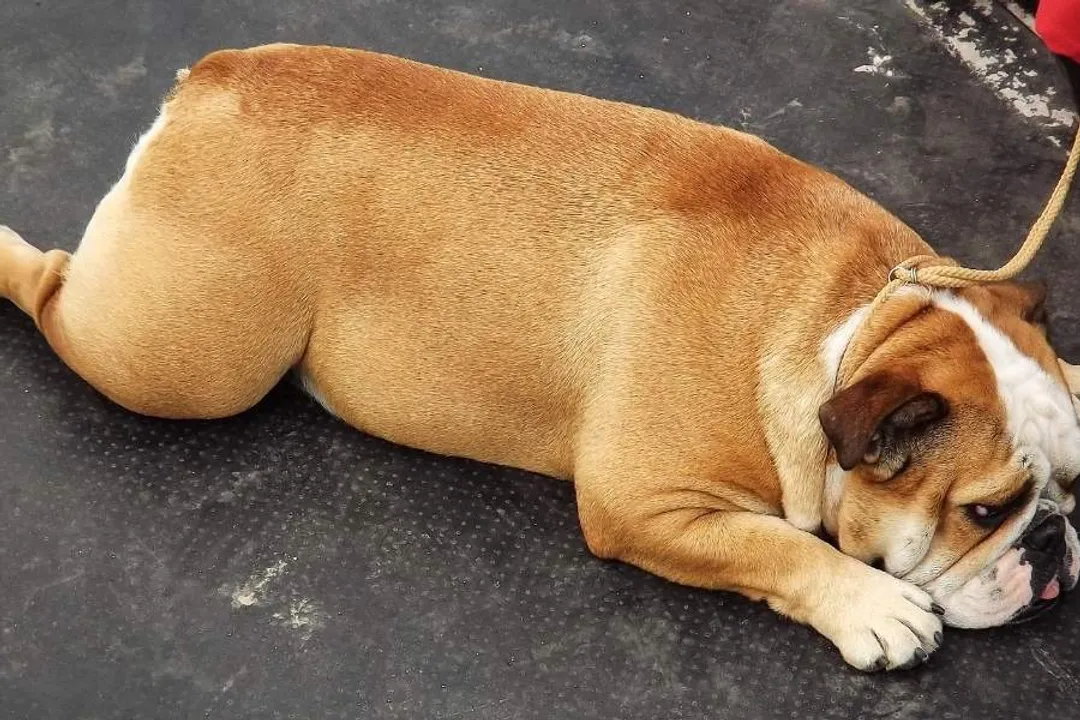
Choosing the right food is arguably the most fundamental step when helping a dog shed extra pounds, yet the sheer variety on the shelf can make the task feel overwhelming. It is far more complex than simply switching to a bag labeled "light" or "senior," as successful weight management hinges on precise energy balance and nutrient density tailored to the individual dog's needs. [1][3] The best food is one that helps your dog feel full while consistently providing fewer calories than they expend, allowing for a safe, steady reduction in body fat rather than lean muscle mass. [1][4]
# Calorie Counting
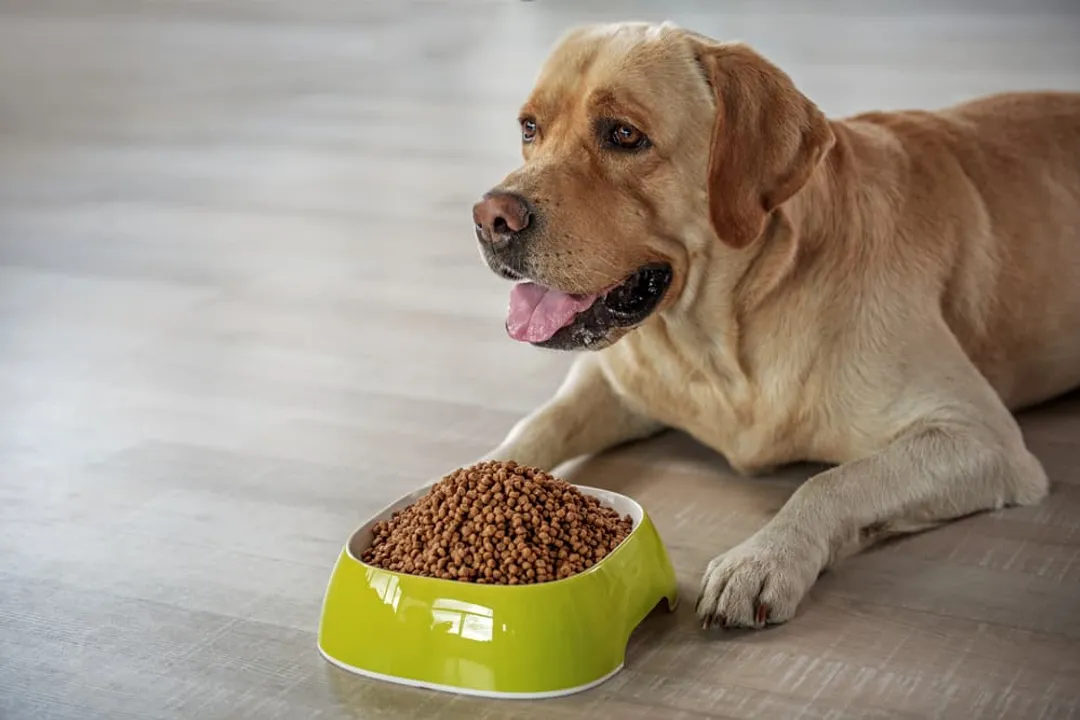
The foundation of any successful weight reduction effort, regardless of the food brand chosen, is establishing a precise caloric deficit. [3][5] A dog that is significantly overweight needs a controlled reduction in energy intake, often calculated based on their ideal target weight, not their current weight. [10] Veterinarians typically calculate this by determining the Resting Energy Requirement (RER) for the target weight and then reducing that number by about 20% to 40% to start. [3][10] For example, if your Golden Retriever currently weighs 90 pounds but should ideally weigh 70 pounds, you calculate the energy needed for a 70-pound dog and then subtract 20-40% from that amount to set the initial daily intake limit. [3] If you are feeding an average maintenance food, this deficit might translate to feeding only 60% to 80% of the previous amount, but this approach is imprecise and can lead to nutritional gaps. [3] Switching to a specialized weight-loss formula often makes managing this deficit easier because of the food's specific composition. [1]
# Density Matters
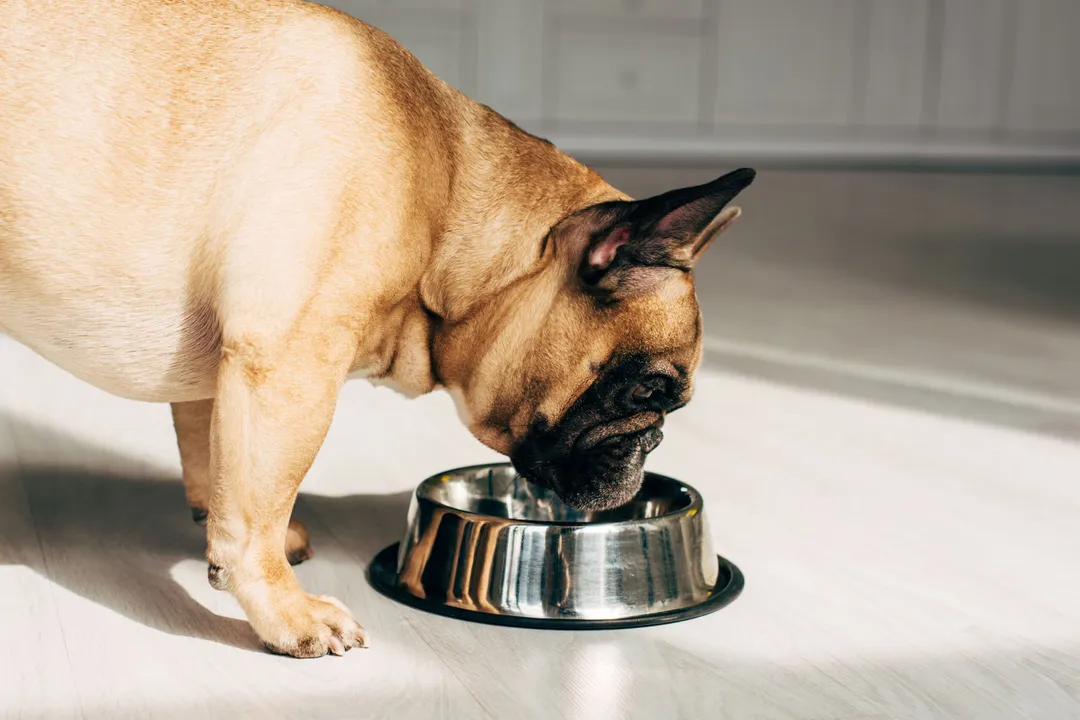
When looking at dog foods marketed for weight loss, understanding what makes them different from regular food is key. [1][9] The primary goal is high satiety with low caloric density. [1] This is primarily achieved by manipulating the balance of macronutrients: fat, protein, and carbohydrates (often delivered via fiber). [4]
# Fat Reduction
Fat is the most calorie-dense nutrient, packing about 9 calories per gram, compared to 4 calories per gram for protein and carbohydrates. [1] Therefore, weight loss diets are typically formulated to be significantly lower in fat than standard maintenance foods. [4][9] Reducing fat intake directly lowers the overall caloric load of the same volume of food, allowing the dog to eat a satisfying amount without exceeding their energy budget. [1] However, complete fat elimination is dangerous; dogs still require essential fatty acids for skin, coat, and overall health. [1] The best options strike a balance, prioritizing the reduction of excess fat calories while retaining necessary fatty acids. [4]
# Protein Importance
While reducing calories, it is crucial to maintain adequate protein levels. [1][4] Why? Because dogs lose fat, but you want them to retain as much lean muscle mass as possible. [4] Muscle tissue burns more calories at rest than fat tissue does, so preserving muscle helps keep the dog's metabolism higher during the weight loss process. [1] Weight loss formulas often compensate for lower fat by increasing the protein percentage relative to total calories, ensuring that each meal supports muscle maintenance. [1][9]
# Fiber Boost
Another critical component that separates effective weight loss food is an increased level of dietary fiber. [1][4] Fiber, which is indigestible, adds bulk to the food and, more importantly, bulk to the stomach contents. [1] This physical volume helps the dog feel full more quickly and remain satiated for longer, directly combating the hunger that often accompanies reduced caloric intake. [1][4] Sources like beet pulp, cellulose, or specific vegetable matter are commonly used to achieve this effect. [1] High-fiber diets help manage satiety better than low-fat, low-fiber diets for weight loss. [4]
# Commercial Options
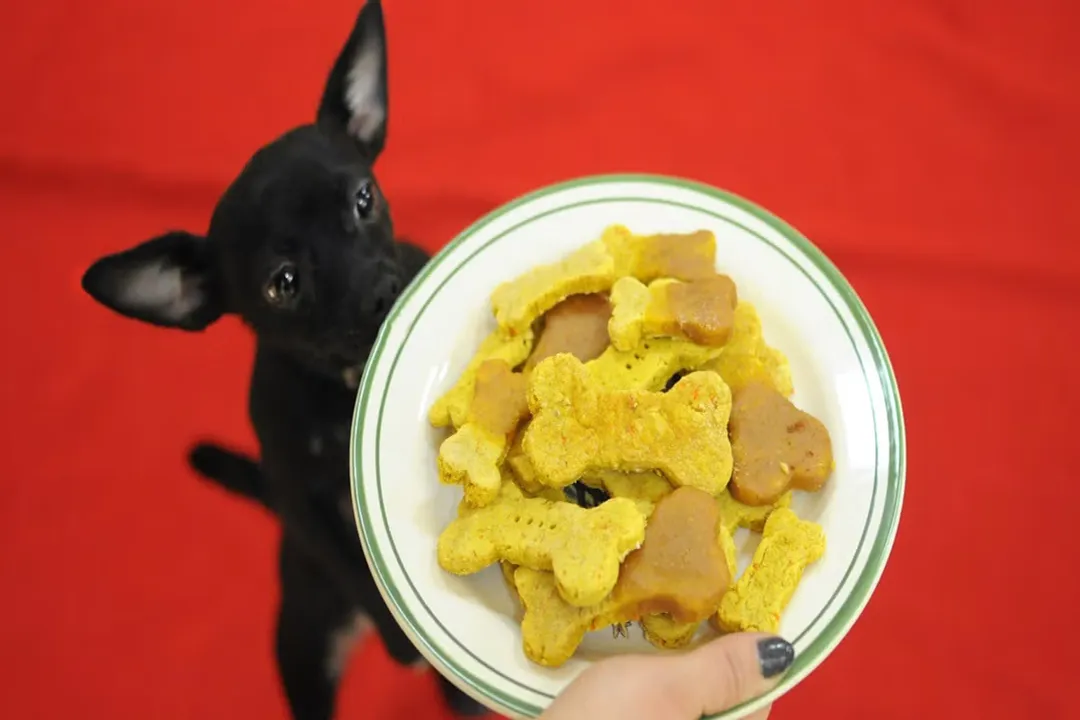
The market offers several routes when selecting the best food for slimming down a canine companion.
# Prescription Diets
Many veterinarians strongly recommend therapeutic or prescription weight loss diets. [1][9] These foods are highly standardized, rigorously tested, and specifically formulated by veterinary nutritionists to meet the demanding requirements of safe weight reduction: high fiber, controlled low fat, and appropriate protein levels for muscle sparing. [1] They often come with clear feeding guidelines based on target weight, making the initial management phase less guesswork. [9] While they require a prescription, the precision they offer often makes the investment worthwhile for dogs needing significant weight loss. [1]
# Over-the-Counter (OTC) Foods
If a prescription is not utilized or needed for mild weight management, high-quality OTC foods designed for weight control can be used, provided you strictly adhere to the feeding chart based on the target weight. [9] It is essential to read the Guaranteed Analysis panel carefully. Look for foods where the Crude Fiber is relatively high (often 6% or more on a dry matter basis) and the Crude Fat is low (often below 12% on a dry matter basis). [1][4] You must be diligent, as some "weight control" foods might just be lower in calories due to simply being very low in fat, which might compromise satiety if fiber isn't also increased. [4]
# Fresh Food Consideration
Some owners turn to fresh food diets, often prepared at home or through commercial fresh food delivery services. [5] While fresh ingredients like lean meats and non-starchy vegetables can certainly form the basis of a healthy, whole-food diet, successfully formulating a weight-loss diet this way requires expert knowledge. [5] Achieving the correct balance of high fiber, adequate but low fat, and sufficient micronutrients while maintaining a calorie deficit is extremely difficult without veterinary nutritionist guidance. [5] For the average owner, the risk of inadvertently creating a diet that is too calorically dense or nutritionally deficient due to improper ingredient ratios is high. [5]
When comparing a prescription diet versus a carefully measured fresh diet, a key difference lies in consistency. A commercial kibble or canned food has its caloric content precisely verified batch-to-batch. With fresh food, slight variations in the lean-to-fat ratio of the meat, or the amount of starchy vegetables added, can swing the dog's daily calories by hundreds, stalling progress. [1]
# Feeding Strategy
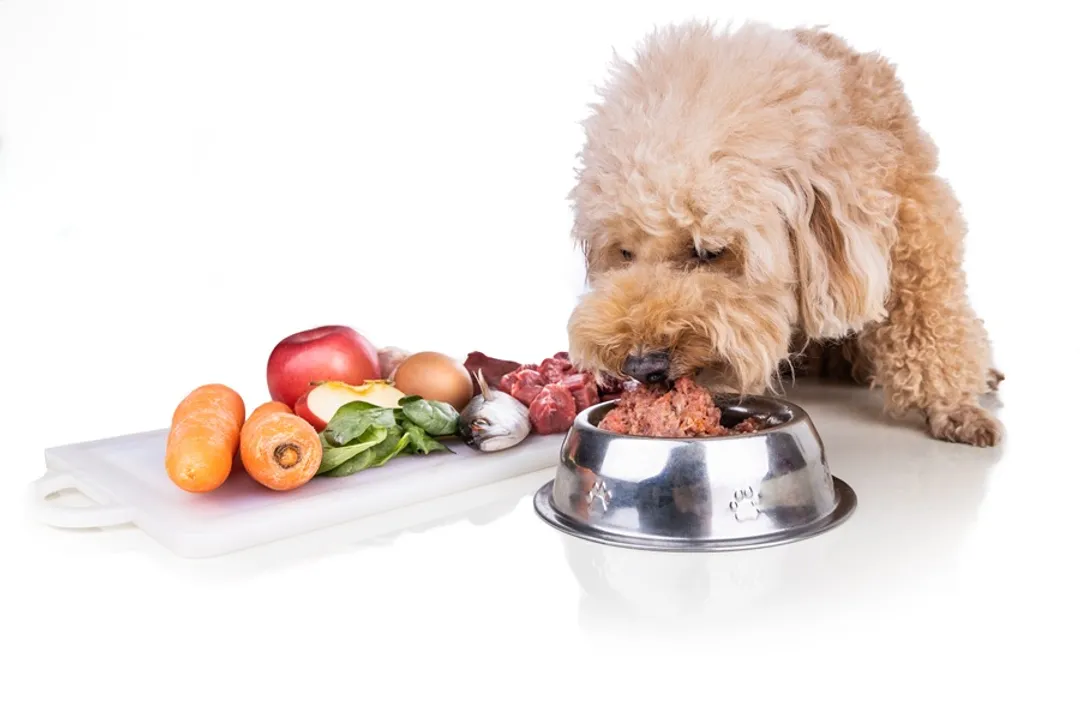
Once the best food is selected, the how and when of feeding become paramount to success. [3] Simply pouring the correct calculated daily amount into the bowl once a day might lead to excessive begging later on. [6]
# Measured Portions
Accuracy is non-negotiable. If the veterinarian states the dog needs 900 calories per day, you must measure the food precisely using a digital kitchen scale rather than a plastic scoop. [3] Scoops are notoriously inaccurate, often over-measuring by 10% to 20% consistently, which easily erases the intended deficit over a week. [6] Once you determine how many grams of the chosen food equal 900 calories, weigh every meal, every time. [3]
# Meal Frequency
Splitting the daily allowance into two or three smaller meals can help manage hunger cues throughout the day. [6] If your dog is highly food-motivated, dividing the total daily ration into three or even four small feedings can provide mental stimulation and reduce the intensity of food-seeking behaviors between meals. [3]
# Activity Integration
It is helpful to think of the food amount and exercise level as a single equation. If your dog has a low-activity day—perhaps due to rain or stiffness—their food intake for that day should be slightly reduced, assuming the exercise part of the equation has dropped. [5] Conversely, if you incorporate a strenuous new activity, you might need to slightly adjust the food upwards a day or two later, though the primary focus remains on the initial, planned deficit. [3]

# Smart Snacking
Many owners struggle because they account for the main meals but fail to budget for treats or table scraps. [2][6] This is a common pitfall where a small handful of training treats, which can add up to 10% of daily calories, sabotages a carefully calculated diet. [2]
# Calorie Budgeting
The general guideline is that treats should not make up more than 10% of your dog’s total daily caloric intake. [2][6] If your dog's target daily intake is 900 calories, treats should not exceed 90 calories. [2]
# Low-Calorie Alternatives
To manage this, smart treat substitution is essential. [2] Instead of high-fat biscuits or cheese bits, look for naturally low-calorie options that still offer crunch and positive reinforcement. [2]
| Low-Calorie Treat Option | Notes/Benefit | Citation |
|---|---|---|
| Plain, cooked carrots | High in fiber, very low in calories | [2] |
| Plain green beans | Excellent bulk for minimal calories | [2] |
| Small pieces of apple | Good for crunch, remove seeds | [2] |
| Ice cubes or frozen broth cubes | Zero calories, good for hydration/oral stimulation | [2] |
When transitioning to low-calorie treats, you can often give more volume than you could with traditional treats, which satisfies the dog’s desire to chew and receive something tangible. [2] If you are feeding prescription weight loss kibble, you can often use a few pieces of that same kibble as training rewards, as long as you subtract those pieces from the total weighed meal portion. [6]
# Monitoring and Adjustments
Weight loss in dogs is not a static process; it requires frequent assessment and adjustment, much like refining a recipe until it tastes perfect. [3]
# Weigh-In Routine
You should establish a consistent weighing schedule, usually every two to four weeks, using the same scale if possible, or the same veterinary office scale. [5][3] The goal for safe weight loss is typically around 1% to 3% of current body weight per week. [3][5] For a large dog, this might be a pound or two a week; for a smaller dog, it might be just a few ounces. [5]
If the dog is losing weight too fast (more than 3% weekly), it signals that the deficit is too steep, risking muscle loss and nutrient deficiencies, and the food amount needs a slight increase. [3] If the dog is not losing weight for two consecutive weigh-ins, they have likely adapted to the current caloric intake, and the amount must be reduced by another 5% to 10%. [3][5] This methodical approach is what moves the process from hopeful guessing to scientific management. [3]
# The Importance of Body Condition Score (BCS)
While the scale is objective, the Body Condition Score (BCS) is subjective yet vital. A veterinarian assesses the BCS by feeling the dog's ribs and observing the waist tuck from above and the abdominal tuck from the side. [10] Sometimes, a dog might hit a plateau on the scale but still look noticeably improved—this is common when they are transitioning from carrying excessive fat to developing lean muscle mass through increased activity. [10] Always defer to the veterinarian's BCS assessment alongside the scale reading to determine if a reduction or increase in food is necessary. [3][10]

# Dietary Fat Versus Weight Loss Food Fat
It is easy to assume any low-fat food works, but there is a subtle but important distinction to recognize when reading labels versus selecting a specialized diet. A standard adult maintenance food might list its fat content at 14% on a label. [4] A prescription weight loss diet might list its fat content at 10%. [1] While that 4% difference seems small, when factoring in the increased fiber and higher protein density of the weight loss food, the overall caloric load per cup is significantly lower. [1][4] An owner trying to achieve the same deficit by simply feeding a generic "low-fat" food may end up feeding a much larger volume to achieve the same satiety, which can be impractical for managing meal sizes. [4] The superior energy-to-volume ratio of a dedicated weight loss formula is what makes it effective for long-term hunger management. [1]
# Finalizing the Plan
Ultimately, the "best" food is the one that your dog will eat consistently, that meets all essential nutrient requirements, and that allows you to achieve the necessary caloric deficit without inducing excessive hunger or lethargy. [9] This process almost always starts with professional guidance. Discussing specific nutrient targets (like a desired percentage of protein and fiber) with your vet before shopping ensures you can effectively compare different brands based on label guarantees, moving past marketing claims toward quantifiable nutritional science. [10] Remember, the food is the tool; the consistent, measured application of that tool, paired with veterinary oversight, is the solution. [3][5]
Related Questions
#Citations
8 Best Dog Foods for Weight Loss in 2025, Vet Recommended
Healthy, Safe Snacks to Help Your Pet Slim Down - ASPCA
Following a Weight Loss Plan for Dogs - VCA Animal Hospitals
Best Dog Food Options If Your Dog Is Overweight
Best Dog Food For Weight Loss & Weight Management - Ollie
How to Help A Dog Lose Weight - Mud Bay
Dog Weight Loss Information | Start Your Dog's Healthy Journey
Best dog food for weight loss? : r/DogAdvice - Reddit
Best Dog Food For Weight Loss: 7 Healthy Options - AmeriVet
Re-evaluating your dog's diet