What's the best food for a Vallhund?
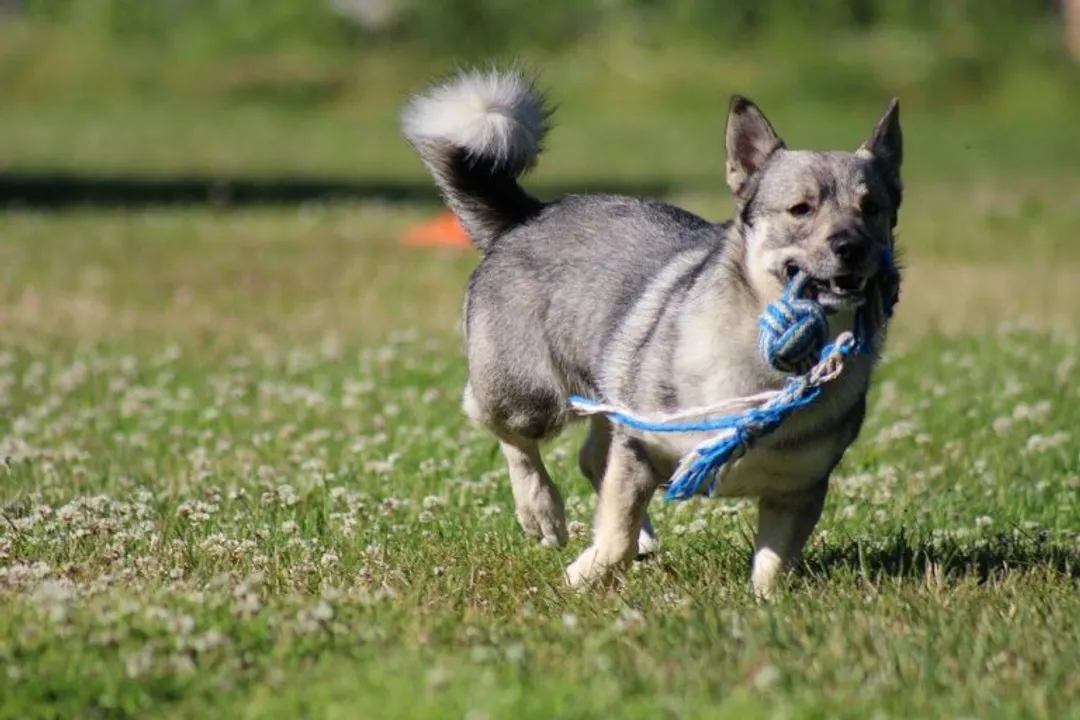
The Swedish Vallhund, a sturdy little herding dog often likened to a longer-backed Corgi, possesses an energy level that demands careful consideration of its daily meals. These intelligent and active dogs require a diet that supports their working heritage, ensuring they maintain the lean, muscular build they are known for. [4][8] Deciding on the "best" food isn't about finding a single magic brand; it's about understanding the nutritional profile that matches this unique breed's metabolism and activity level, whether you opt for conventional dry food, specialized wet recipes, or a raw approach.
# Breed Energy
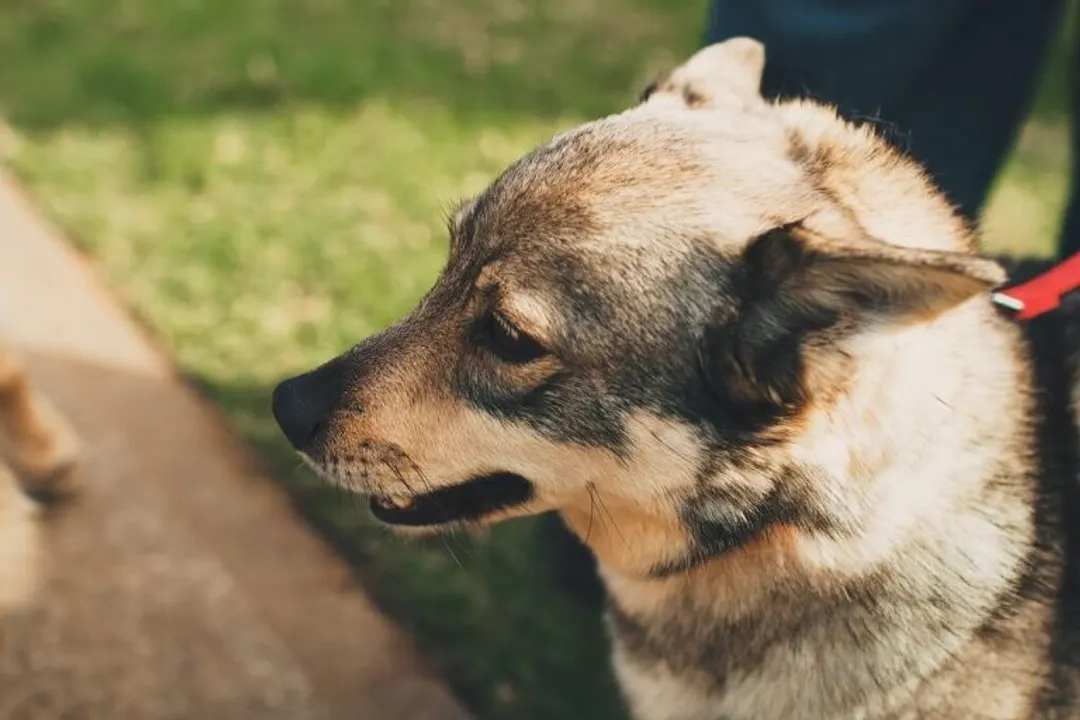
The foundation of any good feeding plan rests on recognizing the dog's inherent needs. Vallhunds are historically farm dogs, bred to herd cattle, which means they are built for endurance and quick bursts of activity. [4][6] This working history suggests they need a diet rich in quality protein to maintain muscle mass and sufficient, yet not excessive, fat for sustained energy. [1][5]
While they are small dogs, their activity levels can sometimes rival those of larger, more recognized working breeds. A Vallhund that spends its days hiking or participating in dog sports will have vastly different caloric requirements than a more sedentary companion dog living in an apartment. [4] This variability means owners must be highly attuned to their dog's Body Condition Score (BCS) rather than sticking rigidly to table recommendations alone. [7] They are generally hardy dogs, but maintaining that ideal weight prevents strain on their relatively long backs. [4][8]
# Commercial Diets
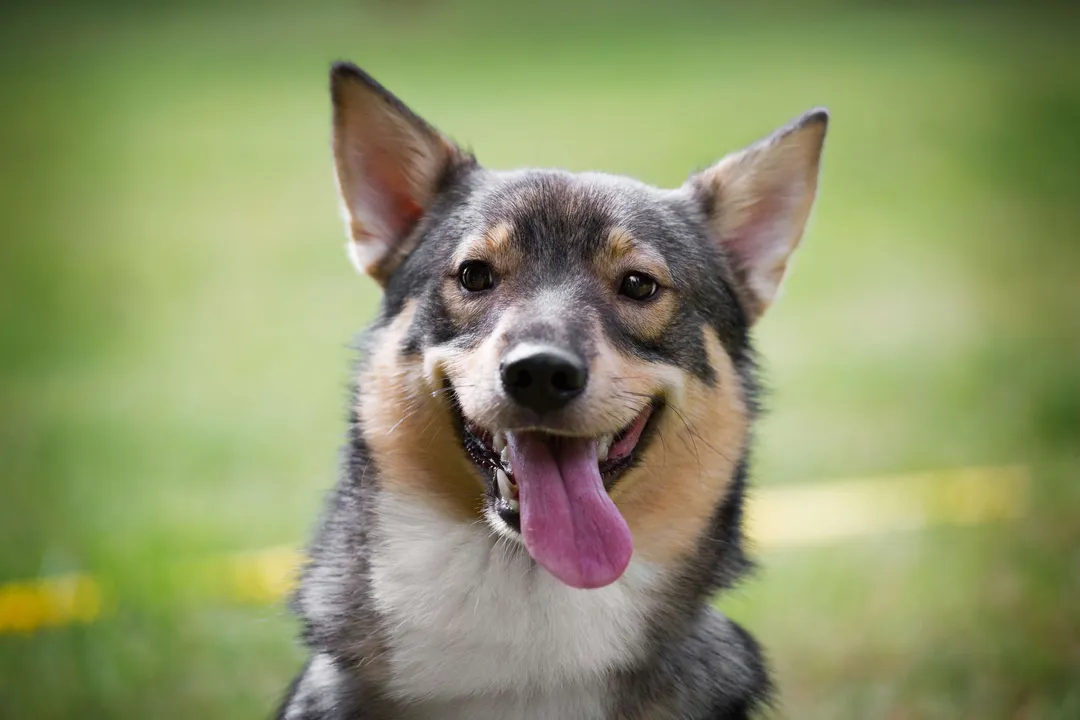
For many owners, the convenience of high-quality commercial dog food, whether kibble or wet, is the preferred route. When evaluating these options, the ingredient list speaks volumes about the quality of nutrition being provided. [7] The first ingredient should ideally be a recognizable, high-quality animal protein source, such as chicken, beef, or fish. [5][7]
Some experts recommend looking for foods that specifically target small to medium breeds, as the kibble size and energy density are often better calibrated for dogs in this weight class. [4] For instance, a premium dry food should offer a balanced macronutrient ratio. A food labeled with a high percentage of animal protein, moderate fat content for coat health and energy, and a digestible source of carbohydrates for quick fuel is generally well-regarded for an active Vallhund. [1][5] Conversely, foods where grains or non-specific "meat meals" dominate the top three ingredients might not provide the high-quality fuel this active breed needs for optimal performance and muscle maintenance. [7]
Considering the spectrum of commercial options, it is worth noting that a high-quality wet food might offer better hydration and palatability but often delivers fewer calories per cup than kibble, meaning you feed a larger volume of food. [7] This distinction is key for owners managing intake; a dog switched from dense kibble to lower-calorie wet food might seem to be eating more but still maintain a healthy weight if the total caloric intake balances out. [4]

# Raw Feeding
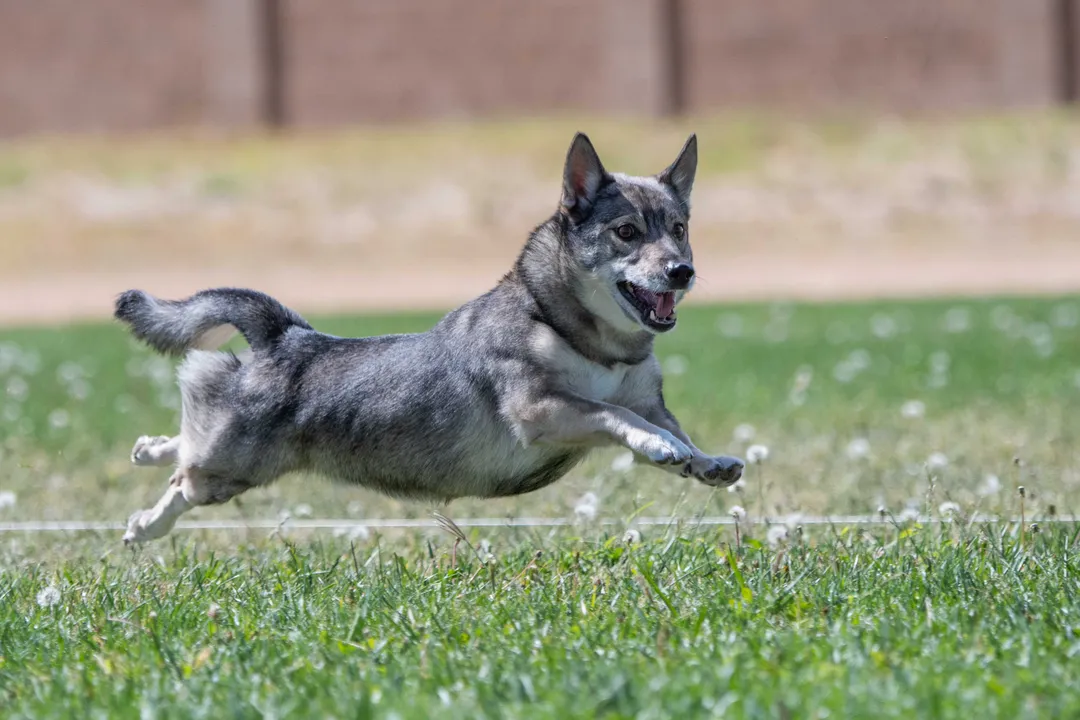
A growing segment of Vallhund owners explores raw food diets, often citing benefits related to coat shine, stool quality, and energy levels. [1][3] Proponents of raw feeding suggest that a diet closely mirroring what a canine ancestor would consume—raw muscle meat, bone, organs, and appropriate fresh vegetables or fruit—is the most biologically appropriate way to nourish the breed. [1][9]
In the UK, for example, some raw food suppliers specifically cater to breeds with high energy needs, and Vallhund owners have sought out these specialized raw preparations. [9] A typical raw meal composition for an active dog like the Vallhund often breaks down into roughly 80% muscle meat, 10% soft edible bone, and 10% secreting organs. [1]
However, raw feeding requires significant dedication to balance. It is crucial to ensure the diet is complete and balanced, not just serving random portions of meat. [1] If an owner leans into raw feeding, they must be diligent about supplementation or ensuring their chosen blend includes the necessary calcium/phosphorus ratios and trace nutrients, often managed by using commercially prepared, pre-balanced raw diets rather than attempting to create every meal from scratch. [9] The community discussions sometimes highlight the risk of incorrect ratios, leading to long-term bone or mineral deficiencies if not managed by an expert or a pre-formulated recipe. [2][3]
# Owner Observations

Diving into owner experiences often reveals practical realities that supplement official guidelines. Conversations among Vallhund owners highlight common themes regarding weight and energy management. [2][3]
One common observation shared in online groups is how quickly a Vallhund can gain weight if their exercise decreases, even slightly. [2] Because they are compact and tend to be quite food-motivated, overfeeding kibble by even a small amount daily can lead to noticeable padding around the ribs within a few weeks. [3] This reinforces the need for owners to regularly assess their dog’s physical state. A practical, non-numerical assessment an owner can perform weekly is the "Rib Check": You should be able to easily feel the ribs with light pressure, but they should not be visibly prominent unless the dog is unusually lean or highly conditioned. If you have to press hard to feel them, reduce the food portion slightly. [4]
Furthermore, some owners note that while Vallhunds are generally robust, individuals can develop sensitivities. Discussions sometimes touch upon issues like skin irritation or digestive upset related to common protein sources like chicken or beef. [2][3] When this occurs, switching to novel proteins—like duck, lamb, or even specific fish sources—is a frequent management tactic discussed within owner communities. [2]

# Life Stage Nutrition
The optimal diet for a Vallhund shifts considerably from their rapid growth phase as a puppy to their maintenance years and finally their golden years.
# Puppy Fuel
Vallhund puppies grow relatively quickly for their size, necessitating a formula specifically designed for growth. [7] Puppy food must contain appropriate levels of calcium and phosphorus to support strong bone development, preventing issues that could affect their structure later on. [4] Over-supplementing minerals or feeding a diet too high in calories during puppyhood can lead to overly rapid growth, potentially stressing developing joints. [8] It’s generally safer to select a complete puppy formula from a reputable manufacturer than to try and craft a raw diet from scratch for a growing pup, due to the precision required in mineral balance. [7]
# Senior Maintenance
As Vallhunds transition into their senior years, their metabolism naturally slows down, much like their owners might expect. [4] Their activity level may decrease, increasing the risk of obesity, which places undue stress on their longer backs. [4][8]
For older dogs, the focus shifts toward maintaining lean muscle mass while reducing overall caloric intake. [7] This often means transitioning to a senior-specific formula, which typically features:
- Lower Fat Content: To prevent unnecessary weight gain.
- Higher Fiber: To promote satiety without excess calories.
- Joint Support: Ingredients like glucosamine and chondroitin become beneficial additions. [4]
If a dog remains very active into old age, the transition to a senior diet should be gradual, perhaps starting with a 75/25 split of their adult food to senior food, monitoring weight weekly, rather than an abrupt switch. [7]
# Tailoring Intake
When looking for the best food, the final customization often comes down to how you measure and implement the feeding schedule. A key actionable step for any Vallhund owner, regardless of food type, is to measure every meal precisely using a digital kitchen scale, not just a volume scoop. [7] Scoops can vary by up to 20% in the amount of food they hold depending on how densely the kibble settles or how wet the food is. For a small, easy-gaining breed like the Vallhund, that 20% margin can easily translate to an extra pound gained per month, which is significant for a 20-pound dog.
Another aspect to consider, often arising from community experience, is managing treats. Because Vallhunds are intelligent and highly food-motivated, training treats can quickly add up calorically. [6] If a dog is receiving high-value treats throughout the day for training sessions or tricks, the owner must actively subtract those calories from the main meal allowance. A simple guideline often adopted by trainers is that treats should never constitute more than 10% of the dog’s total daily caloric intake. [5] If you use a handful of training treats daily, you must reduce the main meal by an equivalent amount.

# Choosing the Right Protein
The sources suggest a strong emphasis on the quality and source of protein across all dietary types. [1][7] For owners selecting a conventional diet, looking beyond just the amount of protein to the source is vital. A food listing "Chicken Meal" as the first ingredient is generally considered superior to one listing just "Meat By-Products," as it indicates a more defined, concentrated source of animal protein. [7]
In contrast, when viewing raw options, the focus is on variety. While one raw blend might focus on chicken and beef, rotating the dog’s diet to include different animal proteins—perhaps feeding a chicken-based raw diet for a month, followed by a beef or fish rotation—can help ensure a broader spectrum of amino acids and can minimize the chances of the dog developing a single food sensitivity over time. [1][9] This rotational feeding strategy is a frequent suggestion among experienced raw feeders to boost nutritional diversity. [1]
In summary, the "best" food for a Swedish Vallhund is one that aligns with the owner’s lifestyle, provides high-quality, identifiable ingredients, and is rigorously adjusted based on the dog’s current activity level and body condition. Whether relying on precise measurements of high-grade kibble or carefully balanced raw components, consistency and observation remain the owner’s most important tools for keeping this active herder in peak condition. [4][7]
Related Questions
#Citations
What's the Best Dog Food for a Swedish Vallhund? - ProDog Raw
Please Advise Fellow Vallhund Owners : r/swedishvallhund - Reddit
What dry food is best for Swedish Vallhunds? - Facebook
Swedish Vallhund Breed Guide | Scrumbles
Feeding Req's - Au Reult SD Swissys-Vallhunds
Caring for Swedish Vallhunds: A Guide - Tibetan Dog Chew
Best Swedish Vallhund Dog Food - Spot and Tango
Swedish Vallhund Dog Breed Health and Care - PetMD
Best Organic Raw Dog Food for Swedish Vallhunds in UK - Rocketo