What is the best food to feed a Shar Pei?

The Chinese Shar Pei is undeniably striking, recognizable by its distinct coat texture and characteristic wrinkles, but beneath that unique exterior lies a dog with specific nutritional sensitivities that demand attention from their owners. Getting the diet right is not just about providing sustenance; it’s a proactive approach to managing breed-specific health challenges, from temperamental skin to joint fragility.
# Health Needs

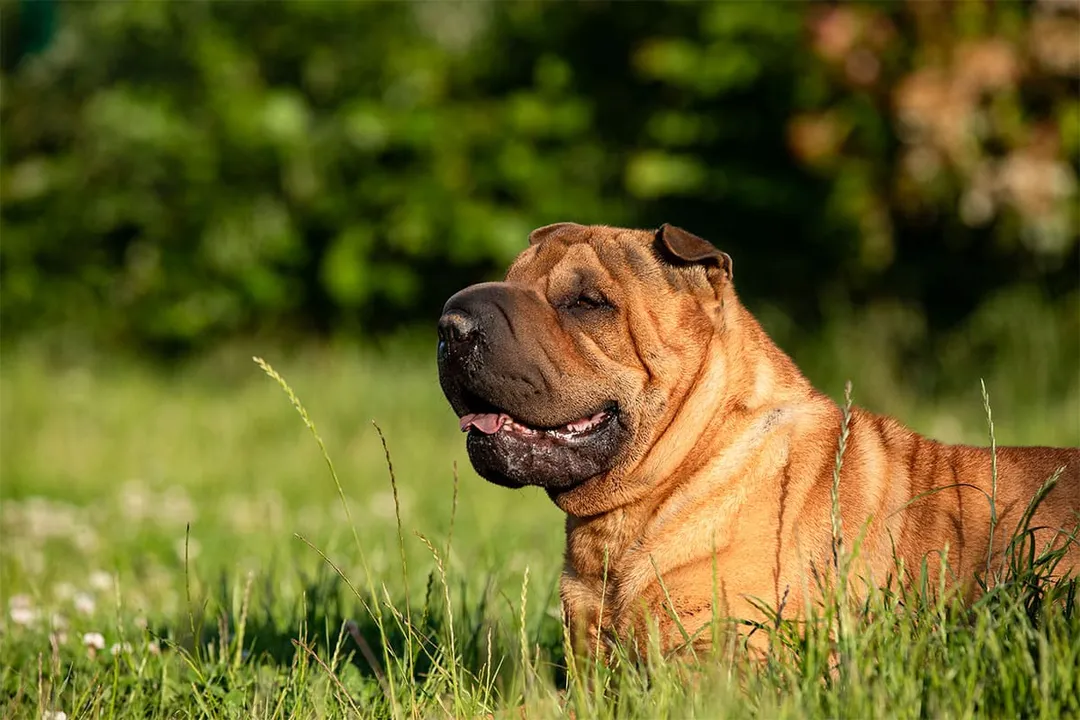
The Shar Pei's physical makeup dictates much of its dietary requirement. Their deep folds of skin, while endearing, create crevices prone to moisture buildup, making them susceptible to skin infections like pyoderma and demodectic mange. Furthermore, this breed often faces joint concerns, including hip and elbow dysplasia, meaning the diet should actively work to support skeletal structure and mobility. Perhaps the most unique health consideration is Shar Pei Fever, a hereditary condition that can lead to kidney failure, emphasizing the need for strong overall systemic support through good nutrition. Because of these predispositions, experts suggest focusing food choices that promote skin health, joint integrity, and robust immune function.
If a Shar Pei develops itchy skin, chronic ear infections, or gastrointestinal distress, food allergies are often suspected, pointing toward the necessity of finding a hypoallergenic or novel protein source if necessary. While there is no dietary cure for Shar Pei Fever, supporting the immune system with inflammation-reducing nutrients is a cornerstone of general wellness for this breed.
# Core Nutrients

A successful Shar Pei diet must prioritize high-quality, complete nutrition, with animal protein typically listed as the first ingredient being a good sign. Protein is essential for maintaining the strong muscle mass that supports their medium build.
However, the skin and joint issues common to the breed require specific attention to fatty acids and structural support. Omega-3 fatty acids, sourced from fish oil or flaxseed, are critical for supporting the skin barrier, reducing inflammation associated with arthritis, and generally boosting coat quality. If you are feeding dry kibble, be aware that fats sitting on the shelf for long periods can become rancid, potentially losing their anti-inflammatory benefits, which is one reason fresh food proponents advocate for their approach. To directly support skeletal health, diets enriched with glucosamine and chondroitin are recommended to help cushion joints, especially as the dog ages. Beyond these structural components, nutrients like probiotics and prebiotics are valued for maintaining the gut community, which is closely linked to overall immune well-being.

# Diet Choices

When considering the type of food, owners often weigh commercial kibble against fresh or raw preparations. Many veterinarians and nutritionists advise that commercial foods, if properly balanced and high-quality, offer consistency that is hard to replicate in home-cooked meals. If you opt for kibble, look for formulas that are formulated for medium breeds and check for AAFCO standards compliance.
There is a point of discussion regarding grain-free diets for Shar Peis. While grain-free options are often suggested for dogs struggling with allergies or sensitivities, some advice notes concern about potential links between certain grain-free formulations and heart issues, advising that a balanced diet including rice or vegetables might be preferable for some dogs. Ultimately, if you observe your dog thriving—good coat, solid stools, energy—the existing food is working well for that individual.
Fresh food delivery services, which use human-grade ingredients and are pre-portioned, are touted as beneficial because they minimize processing and retain nutrient value, often showing benefits for skin and digestion quickly. Raw (or BARF) diets are also an option for Shar Peis, but they require careful management to ensure they are completely balanced regarding meat, bone, and vegetable ratios.
# Age Phases
Nutritional needs shift significantly as a Shar Pei progresses through life.
- Puppies: Shar Pei puppies require a high-quality, medium-breed puppy formula, which is calorie-dense to support rapid growth. Feeding should be in three meals daily initially, gradually reducing to two by six months. They should typically remain on puppy food until they reach about 90% of their adult weight, usually between 12 and 16 months. Interestingly, some experts note that an individual Shar Pei puppy may thrive on an adult maintenance diet, suggesting that basing decisions on the dog's condition rather than just age is also valid.
- Adults: Once maturity is reached, the focus shifts to balance and maintenance. The primary goal becomes preventing obesity, which is a common risk due to their relatively lower activity level compared to some other breeds.
- Seniors: Around seven or eight years old, the metabolic rate slows, and senior-specific diets become beneficial. These diets are often lower in calories but crucially should maintain or even increase protein levels to help preserve muscle mass, a key factor in senior health. Joint support ingredients become even more important in this stage.
# Meal Planning
How you feed your Shar Pei is nearly as important as what you feed them. Feeding at least twice daily, once in the morning and once in the evening, is often recommended, partly to manage begging behavior and potentially decrease the risk of bloat. Always measure the food provided for each meal; treats should make up no more than 10% of the dog's total daily caloric intake.
Because Shar Peis can be prone to kidney and bladder stones, ensuring consistent, high-quality hydration is non-negotiable. While fresh food naturally contains more moisture, owners feeding dry kibble should ensure constant access to clean water or consider adding water or mixing in a small amount of wet food to boost intake.
The material of your dog’s bowls warrants consideration. Some professionals observe that dogs eating from plastic or vinyl bowls can develop depigmentation (loss of color) on the muzzle and chin due to potential contact allergies from chemicals leaching out of the material over time. For this reason, switching to stainless steel or ceramic bowls is a sensible preventative measure to protect the skin around their mouth area.
# Switching Food
If a diet change is necessary—whether due to a life stage transition, a new health issue, or dissatisfaction with the current food—it must be done gently. Shar Peis are notorious for sensitive stomachs, and sudden swaps can easily trigger diarrhea or vomiting. A gradual transition over 7 to 10 days is the standard guideline, where you slowly increase the ratio of the new food while decreasing the old. For instance, if moving from kibble to fresh food, use the new food as small training treats initially, gradually increasing the portion size of the new food while decreasing the old food over the transition period. Always give any new diet at least four to six weeks to see its full effect before making another change, especially when addressing issues like skin irritation.
In this breed, managing weight is central to managing health; inactive dogs need fewer calories, so owners must adjust food portions based on the season and activity level, not just the label recommendations. If you find your dog is hungry but needs fewer calories, incorporating plain canned pumpkin (not pie filling) can provide beneficial fiber to increase feelings of fullness without adding excess calories.
Related Questions
#Citations
What are the Best Dog Foods for the Chinese Shar-Pei? - Petabolix
Best dog food for adult shar Pei : r/sharpei - Reddit
Ideal Diet for Shar Peis - The Ultimate Shar Pei Feeding Guide
Feeding Your Shar-Pei - Dr. Jeff Vidt
Shar Pei Puppy - Pet Forums
Chinese Shar-Pei Dog Breed Health and Care | PetMD
Fresh Food for Chinese Shar-Pei - The Farmer's Dog