What is Siberian ibex?
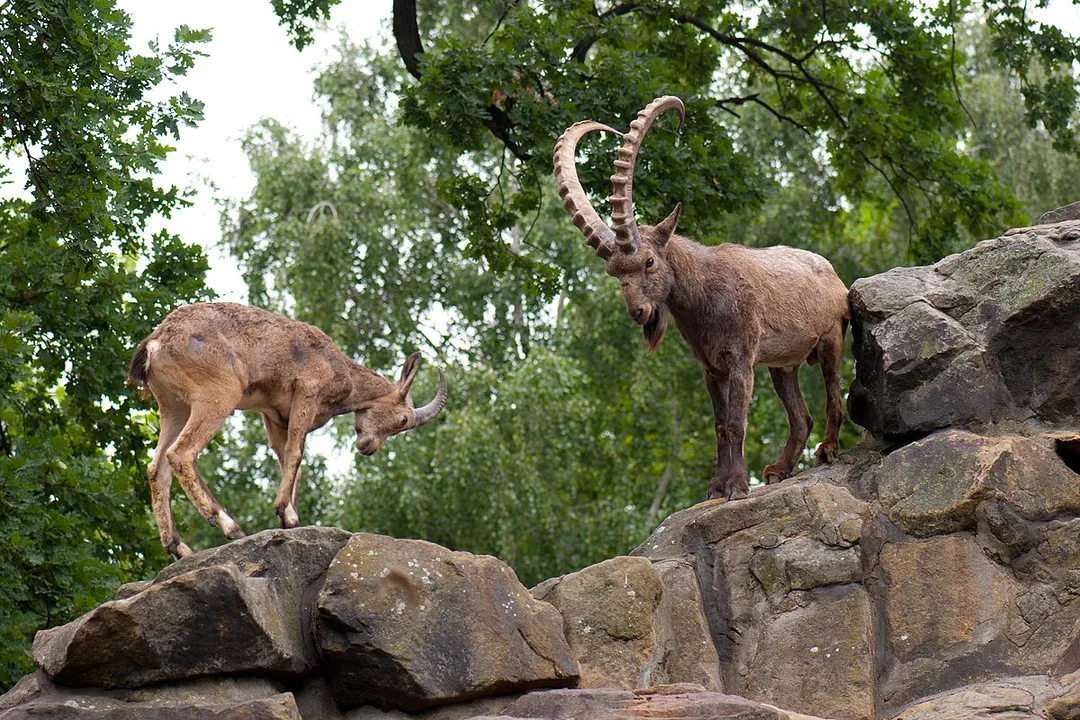
The Siberian ibex, a truly majestic resident of the high Asian mountains, cuts an impressive figure against the stark backdrop of its rocky home. This wild goat, scientifically classified as Capra sibirica, is one of the largest and most striking members of its genus, immediately recognizable by the massive, ridged horns carried by the males. Its life is one of constant negotiation with extreme elevation, harsh weather, and scarce resources, shaping an animal perfectly adapted to vertical terrain across Central Asia.
# Names and Lineage
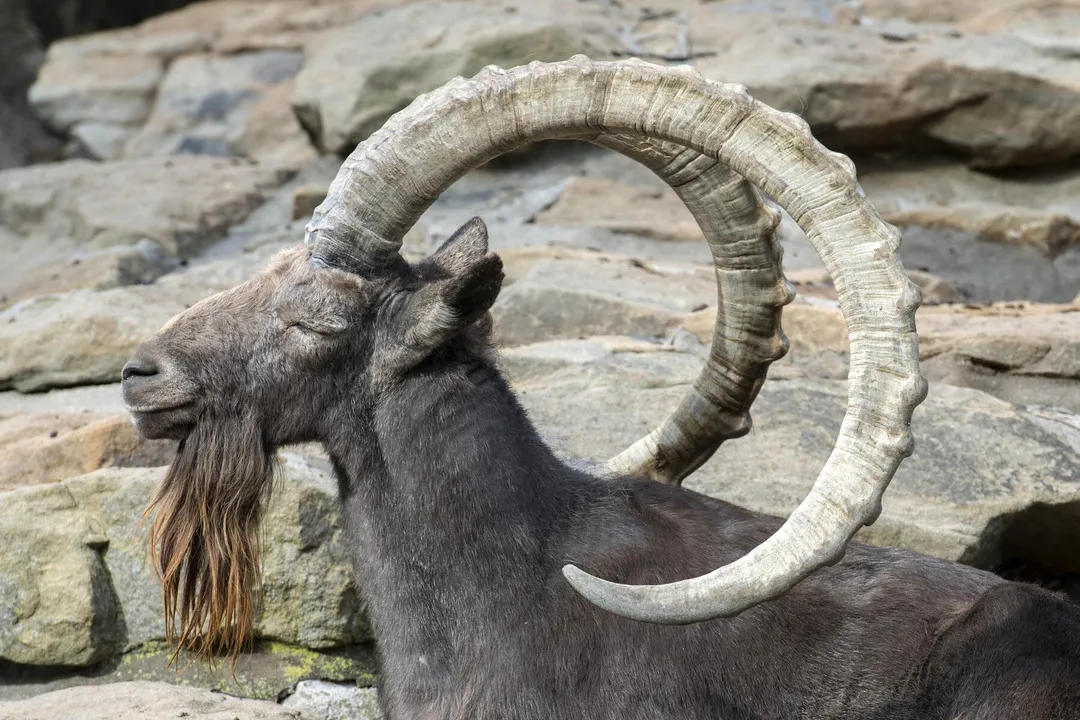
The Siberian ibex belongs to the family Bovidae, which encompasses all cattle, goats, and antelope. Specifically, it is a member of the genus Capra, sharing its lineage with the more familiar domestic goat (Capra aegagrus hircus) and other wild goats like the Bezoar ibex. Historically, its classification has seen some revision, with some authorities considering it a subspecies of the wild goat (Capra aegagrus) or grouping it with other ibex species. For many years, it was considered a distinct species, Capra sibirica, a classification still widely used and reflected in its common name. Other common names for this animal include the Asian ibex, the Siberian goat, or simply the ibex. Its relationship to other mountain-dwelling bovids speaks to a shared evolutionary success in mastering steep, unforgiving environments.
# Horns and Coat
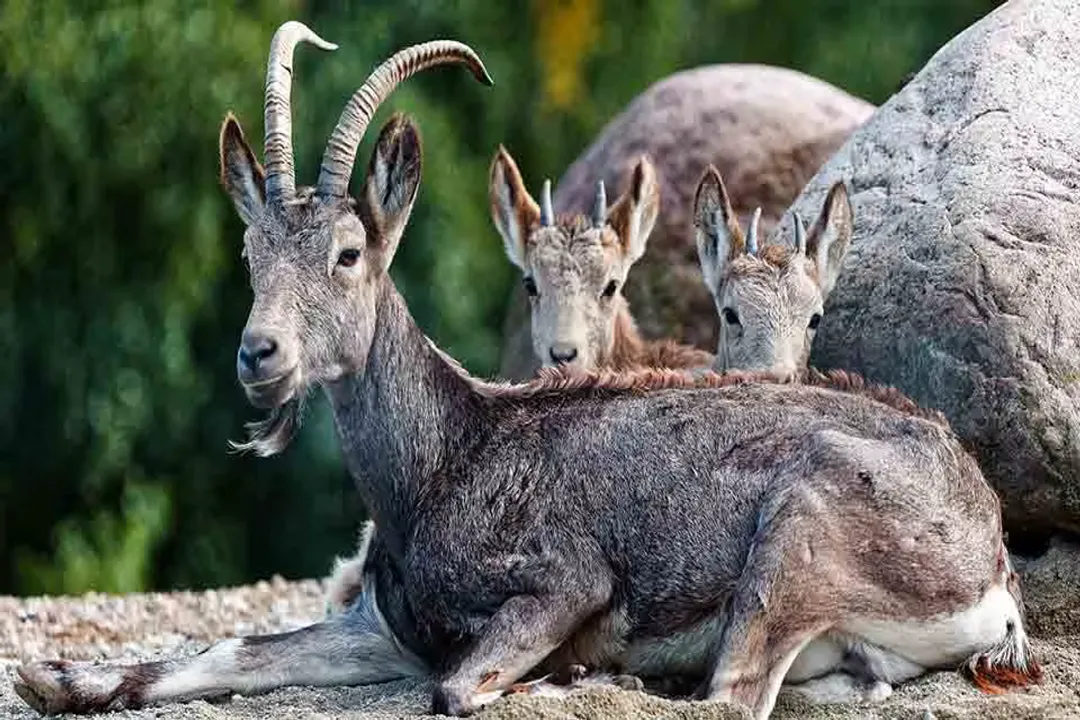
What truly sets the male Siberian ibex apart are its magnificent horns. These structures are dark brown, heavily ridged, and sweep backward in a majestic arc. The size of these horns is directly related to the age and health of the male; a mature, dominant male might boast horns reaching an impressive length of over 100 centimeters (about 40 inches). Females, in contrast, possess much shorter, thinner horns that are only slightly curved and usually measure less than 30 centimeters. This dramatic sexual dimorphism—where males look substantially different from females—is a key characteristic of the species, essential for male-to-male competition during the rut.
The coat provides necessary camouflage and insulation for their variable climate. During the winter, the fur grows thick and long, usually appearing dark brown or grayish-brown. As summer approaches, they shed this heavy coat, revealing a shorter, lighter brown or tan summer coat. Adult males are generally larger than females, with males weighing between 80 and 130 kilograms, while females typically range from 50 to 60 kilograms. A distinct feature is the dark strip running down the center of the back, particularly noticeable in males. Young ibex are born with small horns that begin growing immediately, allowing for easy differentiation from other young ungulates in their high-altitude nurseries.
# Range and Terrain Mastery
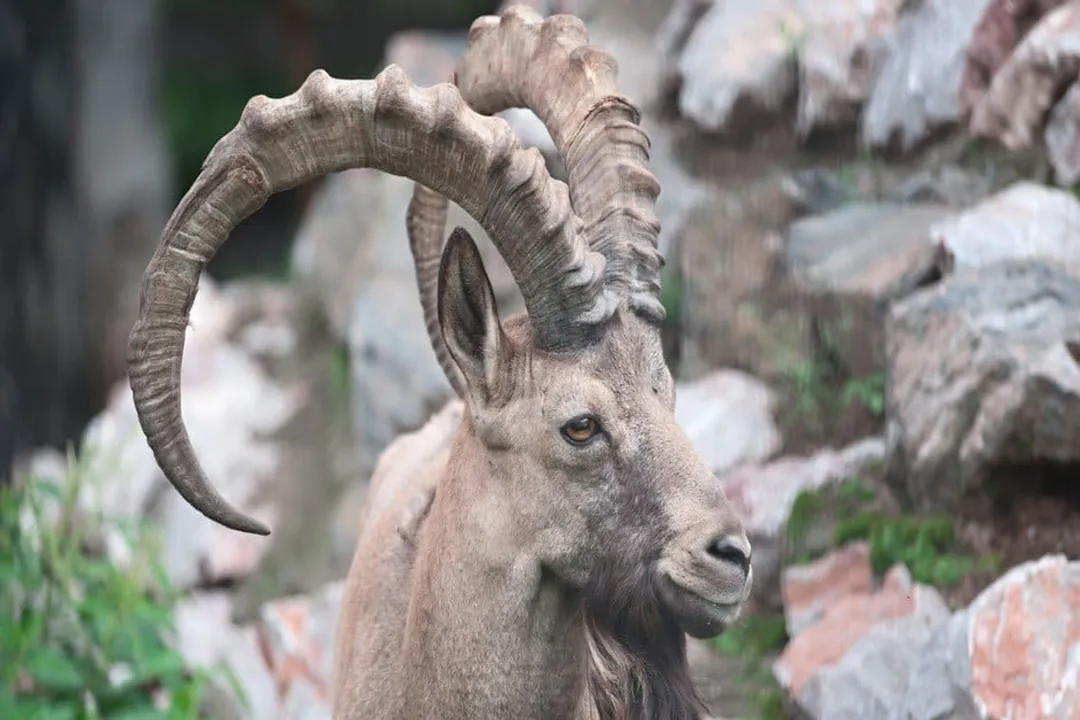
The geographic distribution of the Siberian ibex is vast, spanning much of Central Asia's formidable mountain chains. They are native to regions including the Altai, Sayan, Tian Shan, and Pamir mountains, extending into parts of Mongolia, China, Kazakhstan, and Russia. This range places them in some of the most rugged and remote terrestrial habitats on Earth.
Their preferred habitat is characterized by steep, rocky slopes, cliffs, and high alpine meadows, typically found at elevations ranging from about 1,000 meters up to over 5,000 meters above sea level, depending on the specific region and season. They exhibit strong seasonal movements; in the summer, they tend to stay at higher elevations where forage is available and temperatures are moderate, often above the treeline. When winter snows blanket the higher reaches, they descend to lower, more sheltered slopes where they can find exposed vegetation and avoid being completely buried.
When observing them navigate this terrain, one gains an appreciation for their physical specialization. Their hooves are designed for exceptional grip, featuring a hard outer rim to grip small edges and a softer, concave inner sole that molds to uneven rock surfaces. This adaptation is more than just a useful trait; it is a defining necessity for survival, allowing them to escape predators that cannot follow them onto near-vertical faces. In many of their core Asian ranges, the ibex populations are relatively isolated from one another due to geographical barriers, which has led to subtle variations in appearance and behavior across the species' distribution. Considering the scale of these mountain systems, it's fascinating to realize that an ibex born in the Tian Shan mountains might share genetic markers with its ancestors but live a life shaped by entirely different local predators and forage availability than one in the Altai range—a natural experiment in ecological specialization happening across Asia.
# Social Structure and Feeding Habits
Siberian ibex are social animals, though their groupings change depending on the time of year and sex. Outside of the breeding season, males and females typically segregate into all-male and all-female groups. The bachelor herds of males can number up to a few dozen individuals. Female groups, often containing ewes and their young, can sometimes be larger. The mature males, especially those with the largest horns, often lead these bachelor herds, though the hierarchy is primarily established through ritualized combat rather than constant dominance displays outside of the rut.
Their diet is primarily herbivorous, consisting mainly of grasses, sedges, and forbs found in alpine meadows. They are known to browse on woody plants, such as shrubs and trees, particularly when preferred grasses are inaccessible due to snow or during dry periods. Water intake is also managed carefully; they require access to drinking water but can survive for periods without it, getting much of their moisture needs from the vegetation they consume. Their foraging behavior is adapted to exploit brief windows of good weather and accessible vegetation, meaning their feeding patterns are highly seasonal and dependent on elevation changes. A key survival strategy for the ibex involves accessing sunny, south-facing slopes immediately after heavy snowfalls to find vegetation that has remained uncovered or snow-free.
# Life Cycle and Reproduction
The breeding season, known as the rut, generally occurs in late autumn and early winter, often between November and January. This timing is crucial, as it ensures that the young are born during the favorable conditions of late spring or early summer. During the rut, males engage in impressive displays of dominance and fierce, ritualized combat using their massive horns to establish breeding rights. These battles can sometimes result in severe injury, although often the contests are about posturing and testing strength rather than causing fatal wounds.
Following successful mating, the gestation period lasts around five to six months. The females typically give birth to a single kid, though twins are occasionally recorded. The young are remarkably precocial, able to stand and follow their mothers within hours of birth, an immediate requirement for life on exposed cliffsides. Young males will stay with their mothers for about a year, while females may remain with the maternal group for several years. In the wild, the lifespan for a Siberian ibex is estimated to be around 15 to 17 years, though individuals in protected environments or zoos may live longer.
# Challenges and Survival
The Siberian ibex faces numerous natural challenges inherent to its rugged environment and position in the food web. Predation is a significant factor, especially for the young and the weak. Primary predators include the snow leopard (Panthera uncia), which is perfectly adapted to hunting in the same high-altitude territories, as well as wolves and bears. The steep terrain, which is the ibex's best defense, necessitates that predators be equally adept climbers.
The conservation status of the species is complex, often varying significantly by the specific population or subspecies. While some regional populations are stable, others face considerable threat. Human activities present ongoing pressures. Poaching for their impressive horns, which are prized in some markets, remains a localized threat. More broadly, habitat loss and fragmentation due to infrastructure development and expanding grazing by domestic livestock reduce the quality and connectivity of their alpine feeding grounds. In areas where resource competition with domestic sheep or goats is high, the ibex can be pushed into less optimal habitats. While populations within certain protected areas, like some Russian reserves, may be thriving due to strict management, the overall picture requires vigilance.
If we look at the data published by conservation bodies, we see that although they inhabit vast areas, the density in many regions has dropped significantly since the mid-20th century, suggesting that the term "widespread" masks a substantial loss of local populations. This vulnerability highlights why strong trans-boundary conservation efforts across Central Asian nations are necessary to ensure the long-term viability of the species across its entire historic range.

# Adaptations Beyond the Horns
The physical adaptations of the Siberian ibex extend beyond their specialized hooves and impressive coats; their physiological tolerance for high-altitude living is remarkable. Living near or above the tree line means enduring low oxygen levels and extreme temperature fluctuations between day and night. Their large lungs and efficient cardiovascular systems are crucial for maximizing oxygen uptake at these elevations. Furthermore, their behavior around the rut provides an interesting ecological strategy: by timing the breeding season for late fall, they ensure that the most vulnerable period for the ewes (late pregnancy) occurs during the relative stability of early winter, before the worst of the deep snows, and that the birth occurs when vegetation is returning. This cyclical timing minimizes risk from environmental extremes during the most energy-intensive periods of reproduction. The male's immense horn growth, which requires significant caloric investment, demonstrates a classic case of sexual selection driving the evolution of a trait that is costly to maintain but offers high reproductive reward. In essence, the ibex trades immediate energy conservation for long-term genetic success through competitive display.
# Keeping Watch
Zoos around the world play a role not just in education but also in maintaining genetic backups for endangered species. Facilities like Zoo Berlin actively participate in the European Endangered Species Programme (EEP) for the Siberian ibex. These captive breeding programs serve as important reservoirs of genetic diversity, allowing scientists to study their biology closely and providing a safety net should populations in the wild face catastrophic decline. For the general observer, appreciating this animal means understanding that its very existence is tied to the preservation of its native, inaccessible mountain habitat—where the land is too steep for much else, the ibex thrives.
Related Questions
#Citations
Siberian ibex - Wikipedia
Capra sibirica (Siberian ibex) | INFORMATION - Animal Diversity Web
Siberian Ibex - Zoo Berlin
Siberian Ibex (Capra sibirica) - iNaturalist
Siberian Ibex - Capra sibirica - A-Z Animals
Siberian ibex | mammal - Britannica
Siberian Ibex - NatureRules1 Wiki - Fandom
Siberian ibex facts, distribution & population - BioDB
Siberian ibex Facts - Softschools.com
[Solved] What is the Siberian ibex? A. Mountain Lions B. Large and