What is a vulture's favorite food?
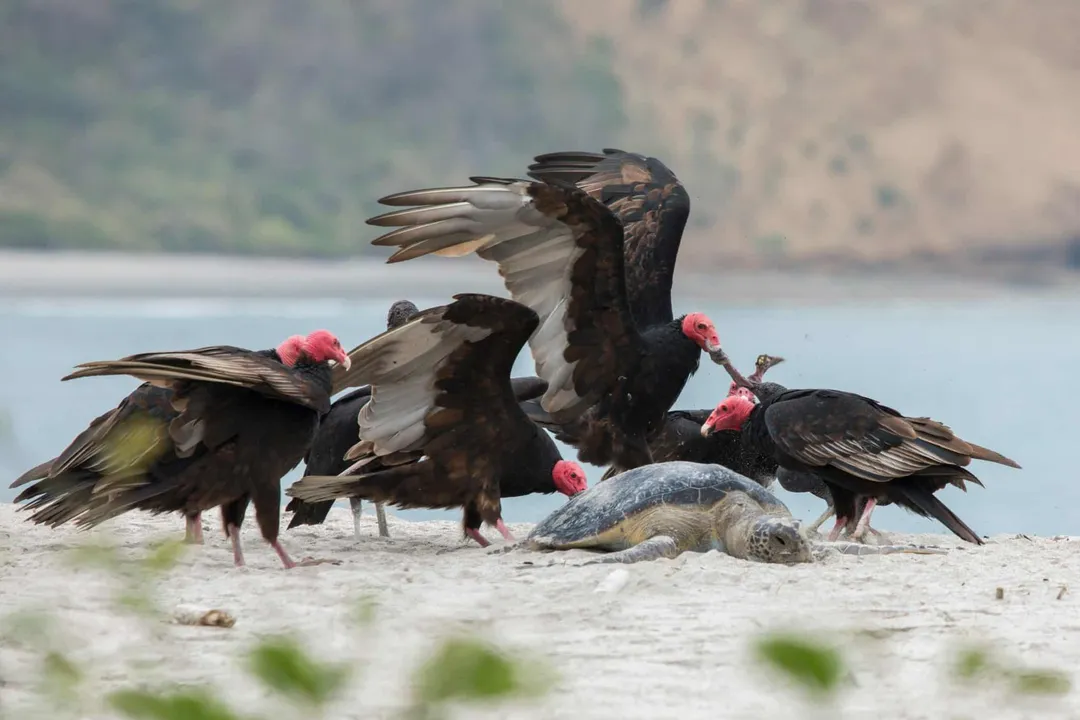
The immediate answer to what a vulture prefers to eat centers entirely on a single category: carrion, which is defined as the decaying flesh of dead animals. [1][7] These birds are fundamentally scavengers, meaning their survival strategy relies on consuming food that other predators have left behind or animals that have died naturally. [1] This diet is not just a preference; it is a highly specialized adaptation that defines their entire ecological niche. [5]
# Scavenger's Staple
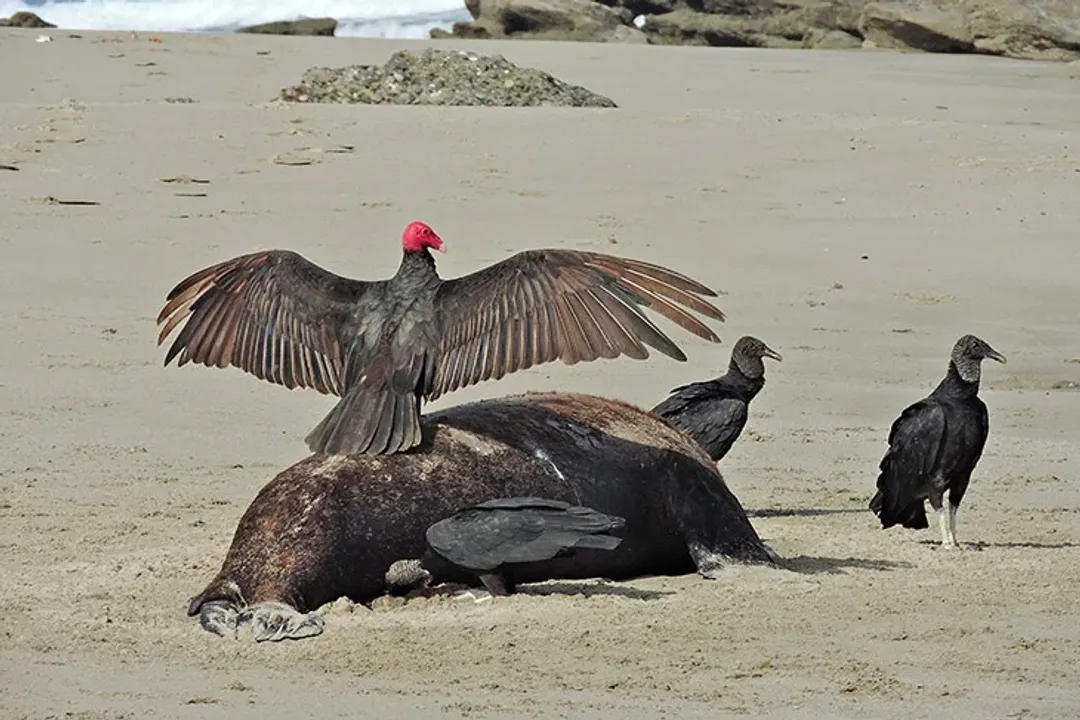
For the common vulture, particularly the Turkey Vulture (Cathartes aura), the menu is almost exclusively made up of carcasses. [3][9] While they are sometimes observed near garbage dumps or scavenging human leftovers, their primary, natural sustenance comes from animals that have recently perished. [1] It is important to note that vultures are not typically hunters of healthy, live prey; their strength lies in locating and processing what is already deceased. [1]
Specific observations on consumption habits reveal some fascinating details about what makes one carcass more desirable than another. Turkey Vultures, for instance, are known to show a preference for fresher kills over older, more decomposed remains. [3][5] This suggests an optimized feeding schedule; they aim to arrive at the scene shortly after an animal has died, before intense competition sets in or before the carcass becomes too unpalatable even for their tough systems. [5]
If we think about the general scavenging ecosystem, the preference for freshness creates a distinct hierarchy. A newly deceased deer or rabbit represents peak caloric value for a Turkey Vulture, whereas a bird that has been dead for several days might be left for specialized blowflies or insects, or for other vulture species like Black Vultures that may be less selective about the decomposition stage. [5] This specialization in timing is a key survival tactic that minimizes direct, protracted conflicts at the feeding site.
# Smell Detectors
What sets the Turkey Vulture apart from many other scavengers, and directly influences when they find their preferred food, is their remarkable sense of smell, or olfaction. [3][5][9] They are one of the few bird species that rely heavily on smell to locate food. [9]
This powerful nasal sense allows them to detect the ethyl mercaptan gas produced by the initial stages of decomposition in mammalian carcasses. [3][5] Essentially, the scent of decay acts as an aerial dinner bell for them. [5] They fly high, soaring on thermals, covering vast distances until their sensitive nostrils pick up the chemical signature of a meal. [9] This sensory advantage allows them to find food sources that might be hidden under dense foliage or in remote areas where sight alone would be insufficient. [3]
While Black Vultures also scavenge, they primarily rely on sight, often trailing Turkey Vultures to a find once the latter has located a carcass. [5] This symbiotic relationship illustrates the value of the Turkey Vulture’s specialized sense in securing the initial meal for the whole scavenging community. [5]
# Diet Exceptions
While carrion forms the overwhelming bulk of their diet, the occasional deviation from the norm does occur, demonstrating an opportunistic side to their feeding behavior. [1] A widely shared piece of anecdotal evidence points to the consumption of fruit, specifically watermelon, by a vulture. [6] Though this might seem unusual for a creature defined by its carnivorous, scavenging habits, it aligns with general observations that vultures may supplement their diet with plant matter when necessary, especially when easy access to fresh carrion is limited. [1]
One source suggests that vultures might occasionally take eggs or even consume garbage, though these are far from their staple diet. [1] Furthermore, some smaller scavengers within the vulture family may occasionally prey on very small, slow-moving live animals, such as frogs, lizards, or snakes, but for the larger species like the Turkey Vulture, this remains an extremely rare event. [1] It is crucial to keep these minor additions in perspective: a vulture that consistently chose watermelon over a deer carcass would quickly starve due to the lack of necessary nutrients found in flesh. [1]
# Digestive Power
The ability of vultures to consume food that would sicken or kill other animals speaks directly to the biological hardware supporting their dietary preference. [7] Their stomachs contain incredibly potent acid, with a pH level that can drop as low as 1 or 2. [5][7]
This high acidity serves a critical protective function: it is strong enough to neutralize the dangerous bacteria and pathogens—like E. coli or anthrax—that are abundant in decaying flesh. [5][7][9] This extreme digestive capability is what makes them such effective environmental clean-up crews. [7] When considering the sheer volume of decaying biomass that enters the environment annually from natural wildlife deaths, this biological adaptation provides an invisible public health service. In regions where decomposition rates are naturally slow due to climate, the rapid microbial destruction performed by a vulture's gut prevents the widespread proliferation of disease vectors that might otherwise follow large animal mortality events.

# Ecological Value
The favorite food of the vulture—dead animals—is exactly what makes them indispensable to healthy ecosystems. [7][9] By efficiently consuming carcasses, they significantly reduce the lingering sources of disease that could infect other wildlife populations, domestic animals, or even humans. [5][7] They prevent the buildup of potentially hazardous organic material across landscapes, a service often taken for granted until the scavenger population declines. Observing a vulture patiently waiting for its moment at a carcass is watching a natural sanitation process in action, one that relies wholly on that preference for the nutrient-dense, if somewhat macabre, meal of carrion. [1][9]
#Videos
What Do Vultures Eat? (And More Vulture Facts!) - YouTube
Related Questions
#Citations
What Do Vultures Eat? 7 Foods In Their Diet - A-Z Animals
What do turkey vultures eat? - Avian Report
Turkey vultures primarily eat plants and deceased animals - Facebook
What Do Vultures Eat? (And More Vulture Facts!) - YouTube
Turkey Vulture | EEK WI
Why is this vulture eating a juicy watermelon instead of a rotting ...
Vulture Facts - Wildlife Center of Virginia
My favorite facts about Turkey Vultures - Buffalo Bill Center of the West
Sonoran Desert Fact Sheet - Turkey Vulture