What is a pronghorns favorite food?
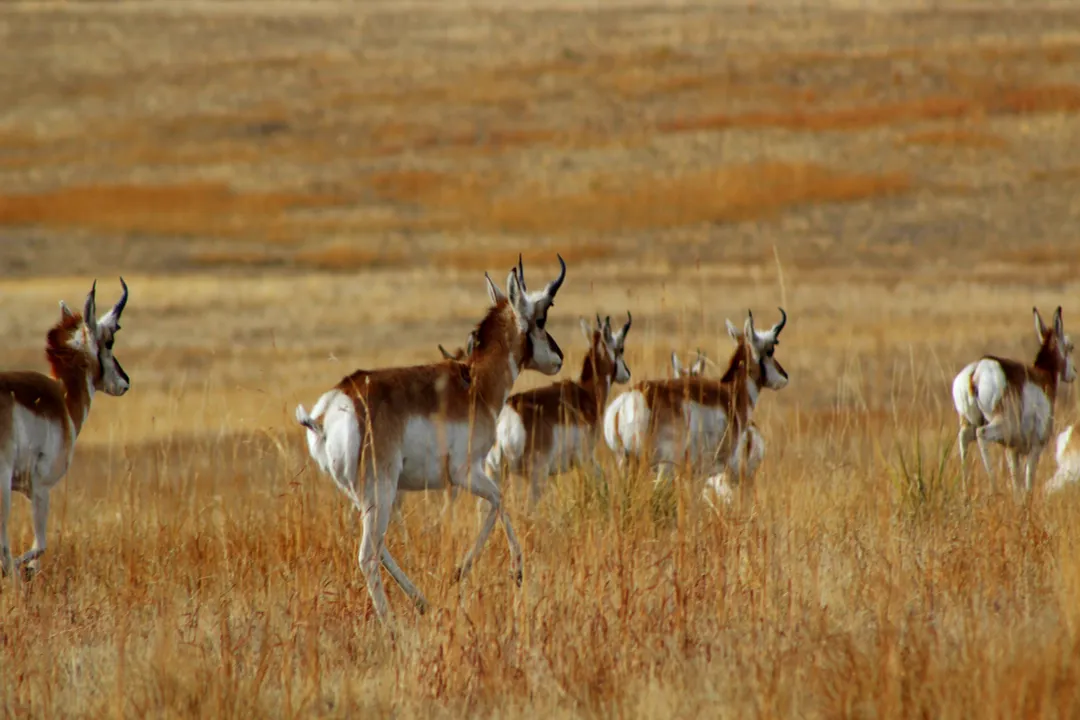
The pronghorn, that swift inhabitant of the North American plains, possesses a diet as specialized as its incredible speed. While often mistakenly grouped with true antelope, this unique North American ruminant is in a family all its own, which influences how it procures and processes its sustenance ()(). Understanding what this animal truly favors on its plate requires looking beyond simple grazing, as its palate is surprisingly diverse and acutely responsive to the changing seasons across its arid and semi-arid home ranges ()().
# Dietary Spectrum

The basic diet of the pronghorn centers around three primary categories of vegetation: forbs, shrubs, and grasses ()(). They are frequently characterized as mixed feeders, moving between grazing and browsing depending on what high-quality forage is available in their environment (). The availability of these food sources dictates the daily menu, meaning there isn't a single, static "favorite food" year-round (). Instead, their preference shifts toward the most nutrient-dense option available at any given moment ().
Pronghorns are generally considered more selective eaters than many other large herbivores in their habitat, seeking out plants with higher crude protein content (). This selectivity means they often pass over vast fields of grass if a patch of nutrient-rich forbs is nearby, showing a clear hierarchy in food quality ().
# Seasonal Shifts
The dramatic environmental shifts in the pronghorn's territory, especially between the lush growing season and the lean winter months, force a significant pivot in their feeding strategy ().
During the summer, when moisture allows for prolific growth across the open lands, their diet leans heavily toward forbs—the flowering, broad-leafed, non-woody plants ()(). These forbs represent the nutritional jackpot for the pronghorn, offering high protein and digestibility when the animals need it most, perhaps for rearing fawns or building up reserves for the colder period (). They actively select for these tender, leafy materials when they are actively growing ().
When summer fades and snow covers the ground, the picture changes drastically (). Grasses become dormant and less accessible, forcing the pronghorn to rely more heavily on woody shrubs that retain some nutritional value even when leafless ()(). This winter reliance on tougher, lower-quality browse is a testament to their survival adaptations in harsh conditions where softer vegetation disappears (). In areas like Wyoming, for example, shrubs and browse make up a much larger percentage of their winter intake than they do during the prime summer months ().
# Forb Preference
If one must pinpoint a true favorite food when conditions allow, the data strongly points to forbs during their peak availability ()(). Forbs provide the highest quality forage throughout the growing season (). They are generally more palatable and digestible than grasses or many shrub leaves, meaning the pronghorn can extract more energy from a smaller volume of food (). This preference is a key characteristic distinguishing them from pure grazers, such as some bison populations, which rely almost entirely on grass (). The pronghorn actively seeks out this leafy, herbaceous material when it is plentiful, maximizing nutrient intake before the environment turns barren ().
It is interesting to note that while pronghorns are ruminants—meaning they chew cud like cattle or deer—their digestive system appears optimized for high-quality, easily digestible foods like forbs, suggesting a digestive 'preference' that mirrors their palatability preference (). They seem built to extract the maximum benefit from the brief, verdant periods, making the energy density of forbs scientifically "preferred" over the bulk of fibrous winter grasses ().
# Arid Adaptations
Life in arid regions necessitates eating things other large herbivores might avoid (). In drier parts of their range, pronghorns demonstrate a remarkable ability to incorporate less conventional food sources into their diet (). One key component in these drier locales can be cactus (). While never the primary staple, the ability to consume certain cacti provides both moisture and sustenance when water is scarce and green vegetation is limited (). This dietary flexibility, especially regarding woody browse and desert plants, separates them from many other North American ungulates ()().
For wildlife enthusiasts hoping to observe peak feeding behavior, timing a visit to pronghorn habitat in late spring or early summer is key. Look not at the vast plains dominated by sagebrush or dormant grass, but rather in draws or areas where riparian zones support a rich understory of flowering aster or thistle relatives. The concentration of pronghorns in these small patches, actively clipping the broad leaves, is the best visual confirmation of their favorite seasonal food in action ()().

# Age Dynamics
While adults adapt their diet seasonally, the youngest pronghorns often mirror the adult summer diet of forbs and high-quality green shoots early in life (). Fawns, needing rapid growth, are initially guided toward the most nutrient-dense vegetation available (). As they mature, they gradually incorporate the tougher browse that characterizes the adult winter diet, learning which woody plants offer necessary fiber and minerals when softer forage is absent ().
Related Questions
#Citations
Pronghorn (Antilocapra americana) Fact Sheet: Diet & Feeding
Pronghorn | National Wildlife Federation
American Pronghorn - A Species Profile - Wyoming Game and Fish
Pronghorn - Wikipedia
Pronghorn aren't actually antelope. They're a unique species ...
Pronghorn Facts For Kids | AstroSafe Search - DIY.ORG
The Complete Guide to Pronghorn Antelope: Flavor, Cooking, and ...
[PDF] Pronghorn - Idaho Fish and Game
[PDF] Pronghorn Antelope - Borderlands Research Institute