What is the possums' favorite food?
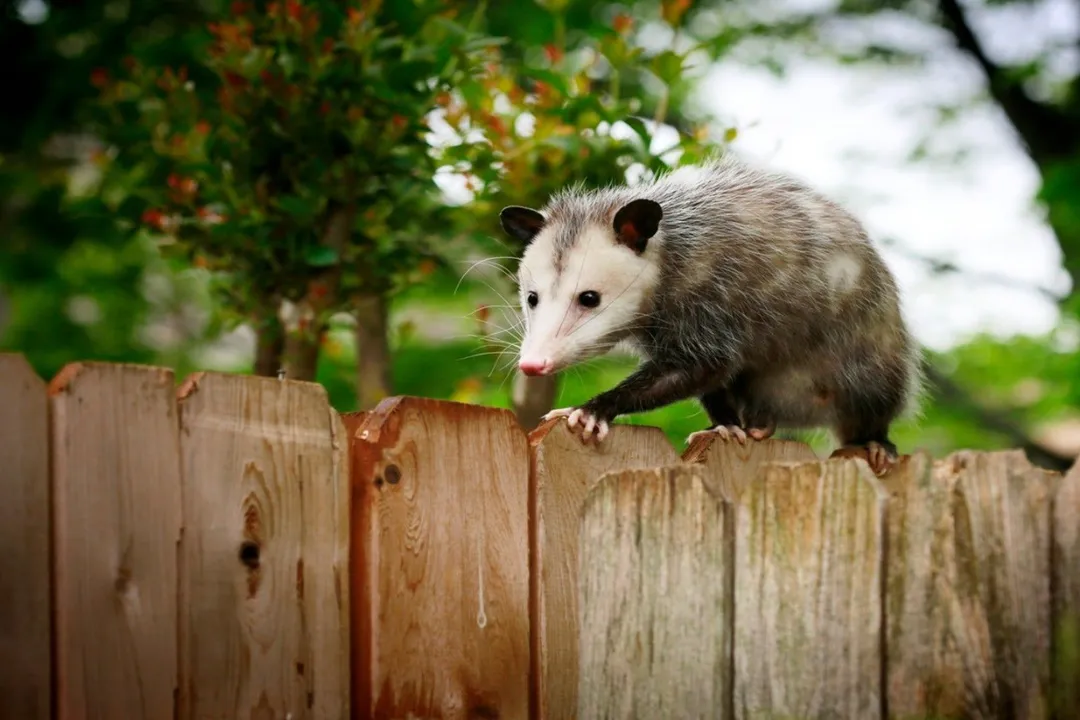
When trying to determine what a possum enjoys eating most, one immediately runs into a crucial distinction: the animal referred to as a "possum" varies significantly depending on geography. In North America, the animal in question is the Virginia Opossum (Didelphis virginiana), a resourceful marsupial known for its scavenging adaptability. Conversely, in Australia, "possums" typically refer to members of the Phalangeridae family, whose diets lean more heavily toward vegetation. [4] Since the majority of readily available detail focuses on the habits of the North American Virginia Opossum, that will be the primary focus here, particularly as their diet is famously varied and opportunistic. [3][7][9]
# Omnivore Diversity
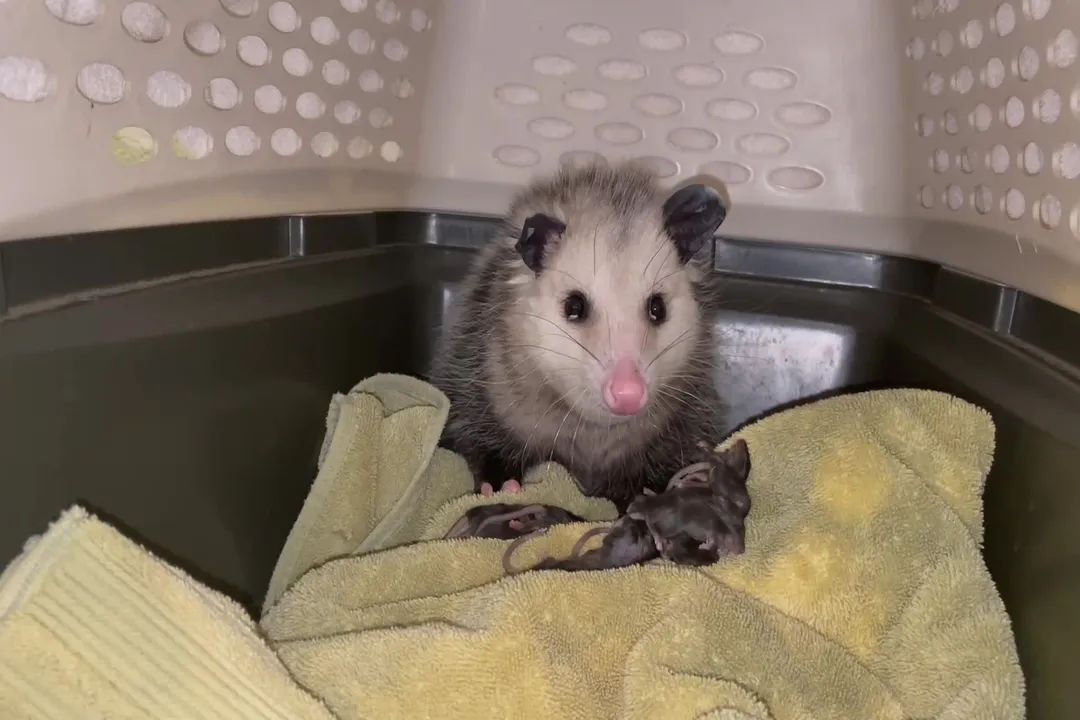
The Virginia Opossum is an opportunistic omnivore. [3][9] This means their diet is incredibly broad, changing based on season, availability, and location. [3][7] They are not strict carnivores or strict herbivores; instead, they consume almost anything edible they encounter. [9] This flexibility is a major reason for their success in suburban and urban environments across their range. [9] Their natural foraging behavior leads them to consume a huge array of items, from garden scraps to small creatures they encounter in the grass or under cover. [3]
# Protein Sources
While they eat a little bit of everything, when it comes to preferred, high-value caloric intake, the protein sources often stand out. One wildlife care organization has specifically identified that one of the North American opossum’s favorite foods is mice. [5] This preference for small rodents makes them unlikely allies for gardeners dealing with burrowing pests. [5][8] Beyond mice, their carnivorous tendencies extend to a variety of small wildlife, including snakes, birds, insects, and snails. [3][7][9] They are also known to consume carrion—dead animals—which is a significant part of their natural foraging activities, helping to clean up the environment. [3][9] Furthermore, they are known to eat ticks, which is a considerable benefit to yards and parks; some estimates suggest a single opossum can consume thousands of ticks in a season, a fact worth noting if you are trying to reduce parasite loads in your own outdoor space. [8]
# Garden Staples
The Opossum's diet is far from purely carnivorous. They regularly supplement their intake with plant matter. [3][9] This includes a wide variety of fruits and berries that are easily found, often having fallen from trees or bushes. [3][8] Items like grapes, apples, pears, and bananas are frequently listed as attractive foods for them, especially when discussing how to lure them to a specific area. [4][10] In addition to sweet fruits, they eat various vegetables, grains, and even root vegetables. [3][7] This consumption of plant matter means they often raid gardens, though their damage is frequently less destructive than that caused by raccoons or rodents, as they tend to eat overripe or fallen produce rather than actively stripping healthy plants. [8]
# Scavenging Habits
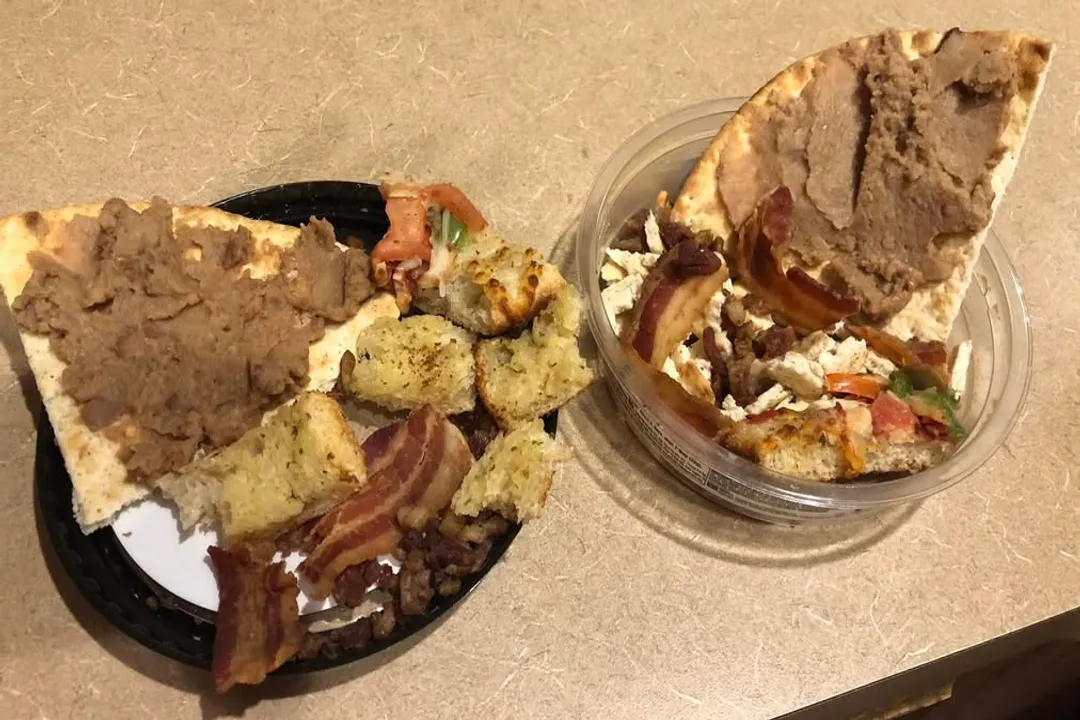
A major component of the Virginia Opossum's diet, especially near human habitation, is garbage and pet food left outdoors. [3][7][10] They are adept at investigating trash cans and unsecured containers, eating leftovers, discarded human food, and food meant for domestic animals. [3] If you are keeping outdoor pet food available, you are essentially offering a convenient, high-calorie meal that can easily become the bulk of their intake if they become habituated to it. [1][10] For instance, on neighborhood forums, people frequently report opossums enjoying everything from discarded bread to leftover meat scraps found in unsecured refuse bins. [1][2] This habit, while effective for the opossum, is why many experts advise against actively feeding them or leaving food sources accessible, as it draws them into closer proximity with humans and pets. [10]

# Distinguishing the Diets
Understanding the difference between the two main "possums" is important if you live outside North America. The Australian possums, which are quite different creatures, focus more heavily on native foliage. [4] Their diet centers around leaves, flowers, nectar, and bark. [4] While they will eat fruit, their preference leans towards what is naturally available in their specific habitat, unlike the highly generalized, scavenging diet of the Virginia Opossum. [4] The Virginia Opossum, by contrast, treats fallen fruit and exposed garbage as equivalent caloric opportunities to hunting mice or insects. [3][9]
| Food Category | Examples Consumed | Context/Notes | Citation |
|---|---|---|---|
| Protein/Meat | Mice, insects, snails, snakes, birds | Mice cited as a favorite; important pest control. [5] | [3][5][7] |
| Produce | Fruits (berries, apples), vegetables, roots | Often eat fallen or overripe produce. [8] | [3][8] |
| Scavenged | Garbage, outdoor pet food | Major component near human activity. [1][3] | [1][3][10] |
| Australian Diet | Leaves, flowers, nectar, bark | Natural diet for Phalangeridae family. [4] | [4] |
# Practical Feeding Considerations
If a homeowner is trying to either attract or discourage opossums, understanding their diet provides actionable insight. While they are often seen as beneficial for consuming ticks and carrion, providing them with a steady, easily accessible food source, such as an open bowl of dog food or unsecured trash, can lead to dependency and increased proximity to the home. [1][10] A helpful guideline for those wishing to support local wildlife, but keep them wild, is to offer small amounts of raw fruit or vegetables if food is scarce, while strictly avoiding milk, as opossums are lactose intolerant and cannot digest it properly. [1][10] Feeding them processed pet food is often discouraged because it can upset their digestive systems, which are adapted for a wild diet of whole foods and protein. [1][10]
This tendency to clean up the environment, especially regarding insects and carrion, is a significant reason why many biologists advocate for their presence in a local ecosystem, even if their opportunistic scavenging of household waste requires management. [8] An interesting consequence of their broad diet is how their caloric intake shifts seasonally; you might see them consuming far more fallen fruit in the autumn while focusing more on insects and the occasional mouse during warmer months when pest populations peak. [9] It's a continuous, real-time optimization of their environment for energy gain.
To put their potential pest control into perspective, consider an average backyard scenario where ticks are present. If an adult opossum consumes, say, 50 ticks per day—a conservative estimate based on anecdotal reports—over a 100-day active season, that equates to five thousand ticks removed from the environment by a single animal. [8] This analytical view separates them from nuisance animals and places them as active participants in local pest mitigation.
Another key point to recognize when assessing their feeding habits near a residence is their non-discriminatory approach to scavenging. Unlike a raccoon, which might expertly open containers, the opossum is often content with what is simply left open or easily knocked over. [1][2] If a bag of lawn clippings containing dropped fruit is left near a shed, or if a bowl of water is left out, the opossum may investigate it as a viable food/hydration source. [10] This highlights that managing their presence is often less about complex defenses and more about resource management—removing the easy-to-access human-provided calories. [1] Their favorite food—whether that be a fresh mouse or an old piece of bread—is ultimately the one that requires the least energy expenditure to obtain.
# Preferred Habitats and Food Links
Since opossums are largely nocturnal wanderers, [9] their feeding routine is entirely carried out under the cover of darkness. They do not typically establish a single central den to which they bring all their food; rather, they eat what they find where they find it. [3] This means the presence of diverse, naturally occurring food sources—like fruit trees, dense ground cover for insects, and access to areas where mice forage—will naturally support a local opossum population without requiring direct human provisioning. [10] The mere presence of natural shelter, like woodpiles or dense brush, correlates with high foraging success for them, regardless of whether human food is present. [3]
In summary, the title of "favorite food" for the North American Virginia Opossum is arguably a tie between high-value protein like mice and easily accessible, high-sugar calories like fallen fruit or scraps. [3][5] Their defining dietary characteristic remains their sheer flexibility as an omnivore, allowing them to thrive across highly varied landscapes. [7][9]
#Videos
What do the opossums eat here (read description)? - YouTube
Related Questions
#Citations
what can i feed the backyard possum? - Reddit
What do your opossums enjoy eating? - Facebook
What Do Opossums Eat? Opossums Diet - Terminix
What Do Possums Eat? Food, Dietary Habits, and More | FPC
What do the opossums eat here (read description)? - YouTube
What does a possum eat? - Quora
What Do Opossums Eat In The Garden?
What Do Possums Eat? Most Things, It Turns Out | HowStuffWorks
How to attract opossums to your property