What is a purebred American blue nose pitbull?
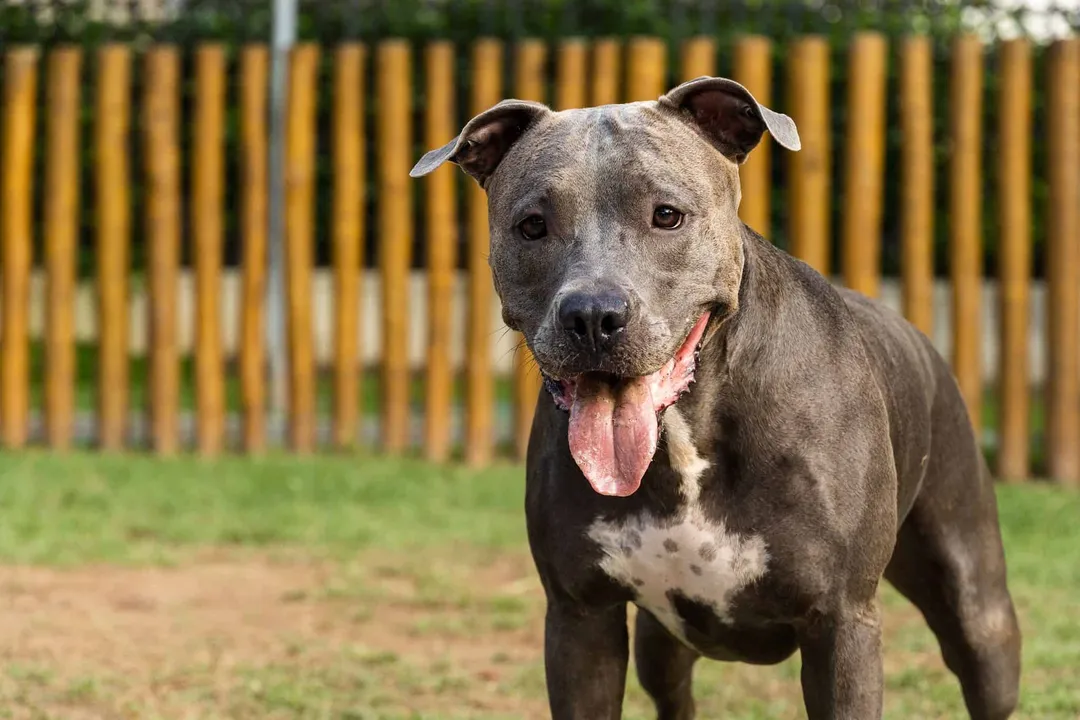
The dog often recognized by its striking slate-gray coat and matching nose pigmentation is frequently referred to as the Blue Nose Pitbull. This label has generated considerable discussion among enthusiasts and the general public alike, often leading to confusion about the dog’s actual breed status. It is important to understand that the term "Blue Nose Pitbull" does not denote a separate or distinct breed recognized by major kennel clubs. Instead, this designation describes a specific color variation within the American Pit Bull Terrier (APBT) breed.
# Breed Identity
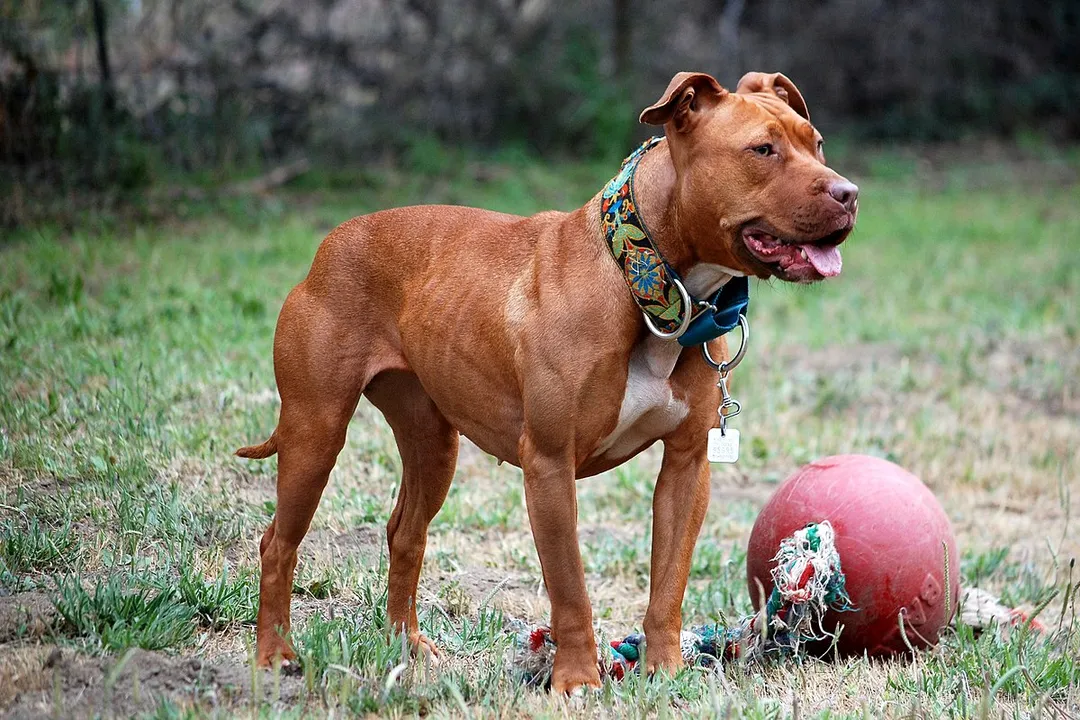
The dog commonly called a Blue Nose is genetically an American Pit Bull Terrier. The foundation breed remains the APBT, a lineage historically valued for its strength, tenacity, and loyalty. Distinguishing a "Blue Nose" from any other APBT comes down purely to genetics affecting pigmentation. Other color variations exist, such as the less common Red Nose Pitbull, which is also a color variation of the APBT, not a separate breed. While the American Kennel Club (AKC) does not recognize the APBT, organizations like the United Kennel Club (UKC) do recognize the breed. Therefore, when someone possesses a "purebred" Blue Nose, they possess a purebred APBT whose parents were both registered APBTs, one or both of whom carried the recessive gene for blue coloration.
# Color Genetics
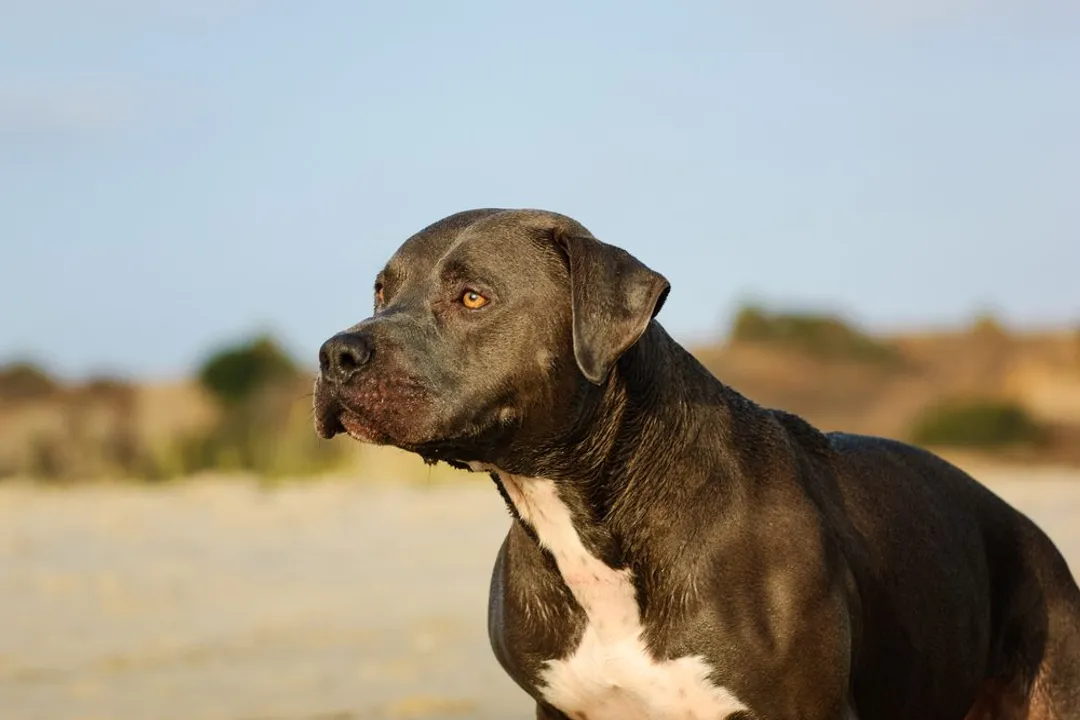
The distinctive blue or gray coloring that gives this dog its nickname is the result of a specific genetic instruction, often referred to as the dilution gene. This gene acts upon the dog’s baseline coat color—which would otherwise be black—and dilutes the pigment, causing it to appear gray or blue. For a dog to display this color, it must inherit the recessive allele for dilution from both parents. If the dog inherits only one copy, it will likely appear black, but carry the gene recessively. This genetic mechanism is the same principle that causes other dilute colors in various dog breeds. The blue coloration is not limited to the coat; it typically affects the nose leather, paw pads, and the rims of the eyes, often resulting in striking light-colored or amber eyes.

# Physical Structure
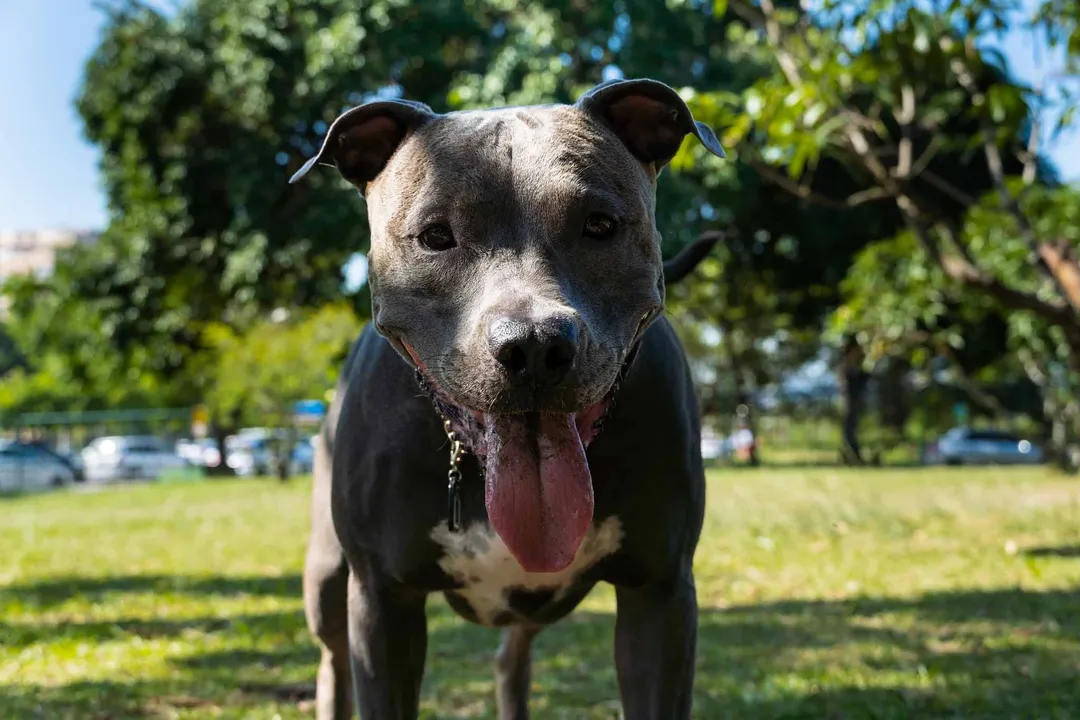
Setting the color aside, the physical characteristics of the Blue Nose Pitbull align with the established standards for the American Pit Bull Terrier. They are medium-sized, powerfully built canines, noted for their strong, muscular bodies and deep chests. Their heads are broad and substantial, reflecting their strength, and they possess strong jaws. An adult male typically weighs between 30 to 65 pounds, with females ranging slightly smaller. Their coat is short, stiff, and glossy, requiring minimal grooming care. Because they share the same genetic makeup as other APBTs, their potential height and weight profile are identical to any other recognized color variation.
# Temperament Profile
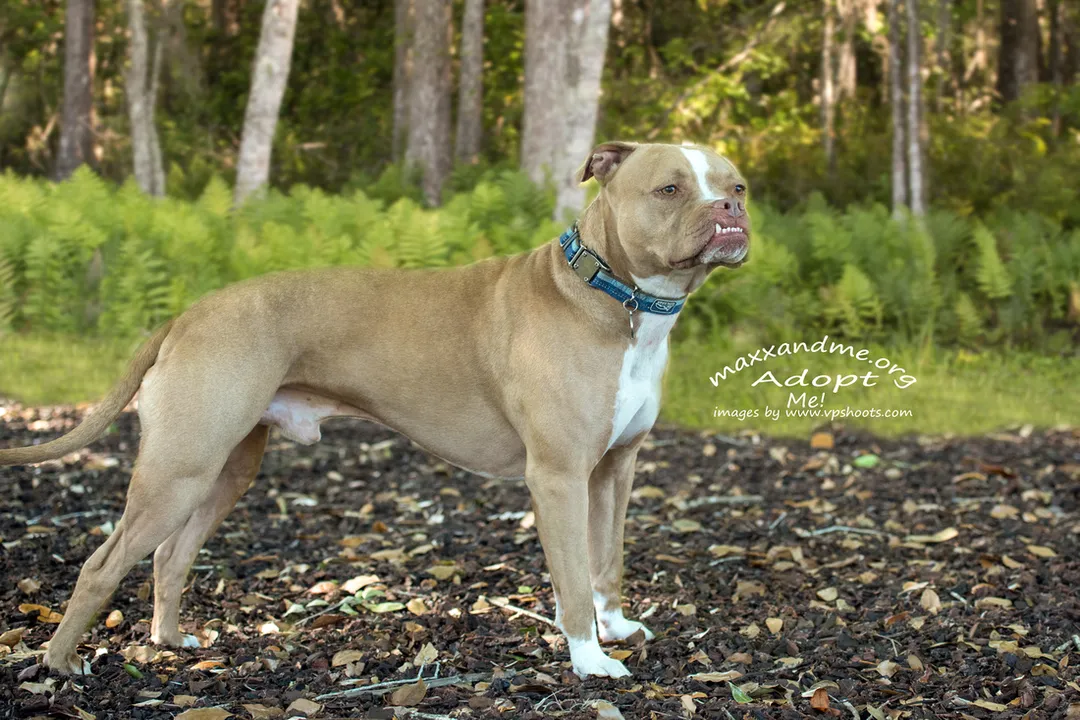
The temperament of the Blue Nose Pitbull is generally characterized by high levels of affection, loyalty, and intelligence. These dogs thrive on human companionship and are known for being excellent family pets when properly socialized and trained from a young age. They possess an eager-to-please nature, which makes them responsive to positive reinforcement training methods. Despite historical misconceptions, when raised responsibly, they are typically affectionate toward people, including children. Their energy level is high, meaning they require significant daily physical exercise and mental stimulation to prevent boredom and potential destructive behaviors. A committed owner who provides consistent leadership and early socialization will find a devoted companion in this type of dog.

# Health Concerns
While their shared genetic heritage with the APBT means they can inherit common issues like hip dysplasia, the dilution gene itself introduces specific health considerations that responsible owners must monitor. The dilution gene, which creates the blue coat, is sometimes associated with a condition called Color Dilution Alopecia (CDA). CDA is a disorder that causes hair loss and can lead to chronic skin infections in the affected areas. Furthermore, dogs with this dilute coloring sometimes experience increased photosensitivity or general skin allergies compared to their pigmented counterparts. Prospective owners should inquire with breeders about any history of skin or coat issues in the line, even if the puppy itself appears healthy at first. It is a factor where aesthetics can inadvertently intersect with health management.
# Ownership Realities
Owning any Pitbull-type dog requires a serious commitment to responsible guardianship. Beyond meeting their significant exercise needs, socialization must be prioritized. Early and frequent positive exposure to various people, sights, sounds, and other animals helps shape a balanced adult temperament. Furthermore, due to breed-specific legislation (BSL) in certain municipalities, potential owners must thoroughly investigate local ordinances regarding breed restrictions, insurance requirements, or breed-specific licensing, as "Pitbull" type dogs often fall under these categories, regardless of the specific color or pedigree.
When considering acquiring a puppy based on color, owners must be wary of the inflated pricing sometimes associated with the term "Blue Nose." Some breeders market these dogs at significantly higher prices simply because of the color trend, often without providing equivalent documentation of champion bloodlines or advanced health testing that would justify a higher cost for a standard-colored APBT. For instance, a breeder focusing purely on the visual appeal of the blue coat might overlook rigorous health screening for orthopedic issues common to the breed, meaning the "rare" color came at the expense of overall genetic soundness in the litter. This is where discernment is necessary; the price premium should ideally reflect superior health screening and established lineage, not just coat shade.
Another crucial consideration for prospective owners relates to breed recognition and documentation. Because the APBT lineage has a complex history regarding registration bodies, ensuring you are getting a true APBT, regardless of color, means asking for lineage papers from recognized registries like the UKC, rather than relying solely on the breeder’s informal designation of "Blue Nose." A verifiable pedigree confirms the dog’s ancestry traces back to recognized APBT lines, reinforcing the expectation of stable temperament and physical structure associated with the breed standard, rather than just a random cross that happened to produce a gray puppy. A conscientious breeder will happily provide this documentation and discuss the genetic markers involved.
Related Questions
#Citations
Blue Nose Pitbull: Your Complete Guide
Blue Nose American Pit Bull Terrier: Everything You Need ...
Blue Nose Pitbull Guide: Traits, Health & Care
What is a blue nose pit and how can you tell if you have one?
Blue Nose Pit Bull Dog Breed Complete Guide
What bloodline is a blue pitbull?
American Pit Bull Terrier
Red Nose Pitbull, Blue Nose Pitbull - which one?