What does a purebred American Bulldog look like?
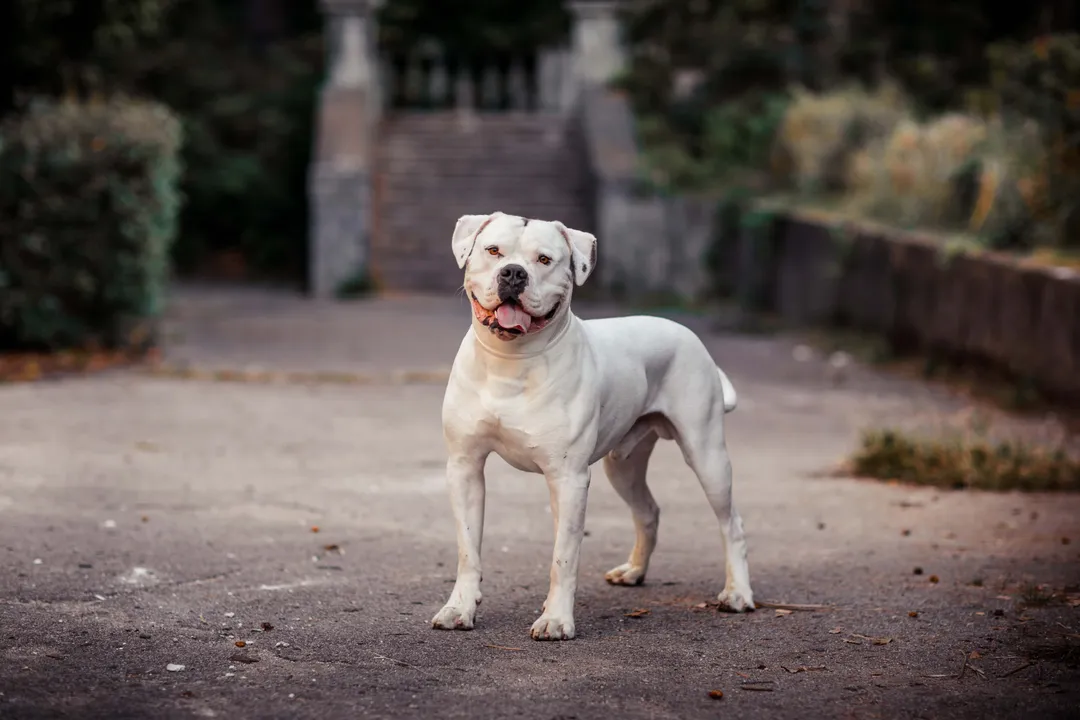
The image of the American Bulldog that comes to mind is often one of powerful, squarely built athleticism, a dog that clearly carries the history of a working farm utility animal in its very stance. While they possess a proud air that captivates onlookers, it is crucial to understand that the purebred American Bulldog exists more as a type than a rigidly uniform breed, leading to noticeable variations in their physical presentation. However, across all recognized standards, this dog is fundamentally a powerful, athletic, short-coated canine, heavily muscled and well-boned. The overall impression should be one of a "massive" dog, built for endurance, strength, and agility—qualities essential for their historical role driving and catching livestock.
# Size and Stature
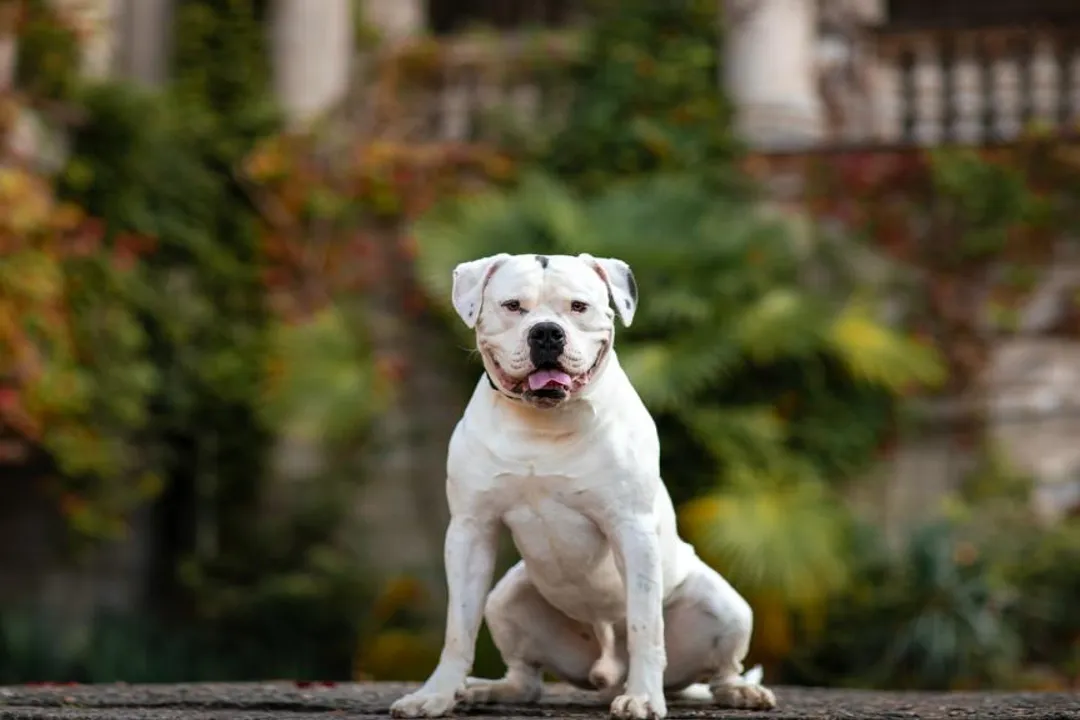
The sheer scale of the American Bulldog places it firmly in the medium-to-large category, sometimes even verging on XL, depending on the specific lineage. Generally, males tend to be larger and carry more muscle mass and heavier bone than their female counterparts. The established size parameters show some variation between kennel clubs. The American Kennel Club (AKC) lists males at 22 to 25 inches tall and females at 20 to 23 inches. Weights typically range from 60 to 100 pounds for males and 60 to 80 pounds for females, though Purina notes a slightly wider range of 27 to 54 kg (approximately 60 to 119 pounds).
This breed is designed to be substantial but balanced; the body is characteristically built so that it is just slightly longer than it is tall. They are meant to be lean and muscular, not squat or soft. Their dense build allows for surprising vertical power, evidenced by their documented ability to jump upwards in excess of three feet. This athletic capacity demands that owners maintain their dogs in excellent condition, keeping them lean but well-muscled, with no ribs showing.
# Head Structure Contrast
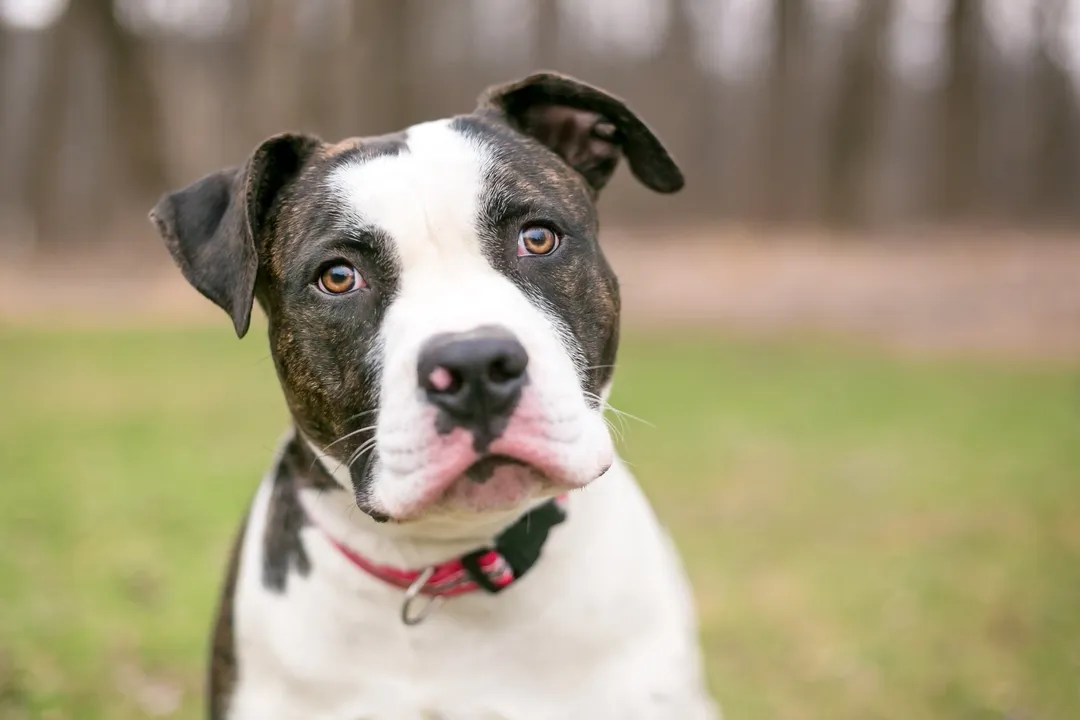
The head is perhaps where the most visible differences arise, often reflecting the two best-known historical lines: the Johnson (often called "Bully") type and the Scott (often called "Standard") type.
# Types Delineated
The Johnson type emphasizes bulk and power. These dogs generally possess a bulkier body, heavier bone structure, and heads that are larger with a more pronounced structure. Their muzzle is shorter, the stop (the indentation between the eyes where the muzzle meets the skull) is more definitive, and they tend to exhibit more wrinkles than the standard lines.
Conversely, the Scott type leans toward performance. This style is characterized as sleeker in appearance, with less overall bone mass, longer muzzles, and a moderate stop. While still powerfully built, the Scott type presents a more athletic silhouette compared to the heavier Johnson type.
# Skull and Stop
Regardless of type, the head should convey great power and should be large and broad. When viewed from the side, the skull and muzzle should run parallel to each other, connected by the stop. The definition of this stop is a key feature. In the Johnson type, it is notably deep and abrupt, almost forming a right angle with the muzzle. The skull itself, viewed from above, should appear square.
An interesting analysis emerges when comparing these structural differences with associated health notes. Purina UK points out that some American Bulldogs are considered brachycephalic (short-nosed), which can lead to breathing obstructions and skin fold issues. The Johnson type's shorter muzzle aligns more closely with this description, suggesting that their pronounced stop and facial conformation may inherit a greater predisposition to brachycephalic challenges than the longer-muzzled Scott type. Owners should be wary of any exaggeration that impairs the dog’s ability to breathe, as difficulty breathing is grounds for disqualification in some showing contexts.

# Facial Features
The muzzle area of the American Bulldog is broad and thick, generally tapering only slightly as it approaches the nose. The muscle structure of the jaws is meant to display significant strength. The lips should be moderately thick, though they should not be pendulous, and black pigment on the lips is preferred. The chin must be clearly defined, ensuring it isn't obscured by the lower lip.
The nose itself should be large with wide, open nostrils. While a black nose is highly preferred, shades of red or brown are generally acceptable.
The eyes are typically described as being round or almond-shaped and set well apart. Dark brown eyes are the preferred pigment, though all colors are technically acceptable. It is important that the haw (the lining of the lower eyelid) is not highly visible, and black eye rims are favored. Crossed eyes are considered a disqualification.
# Coat and Coloring
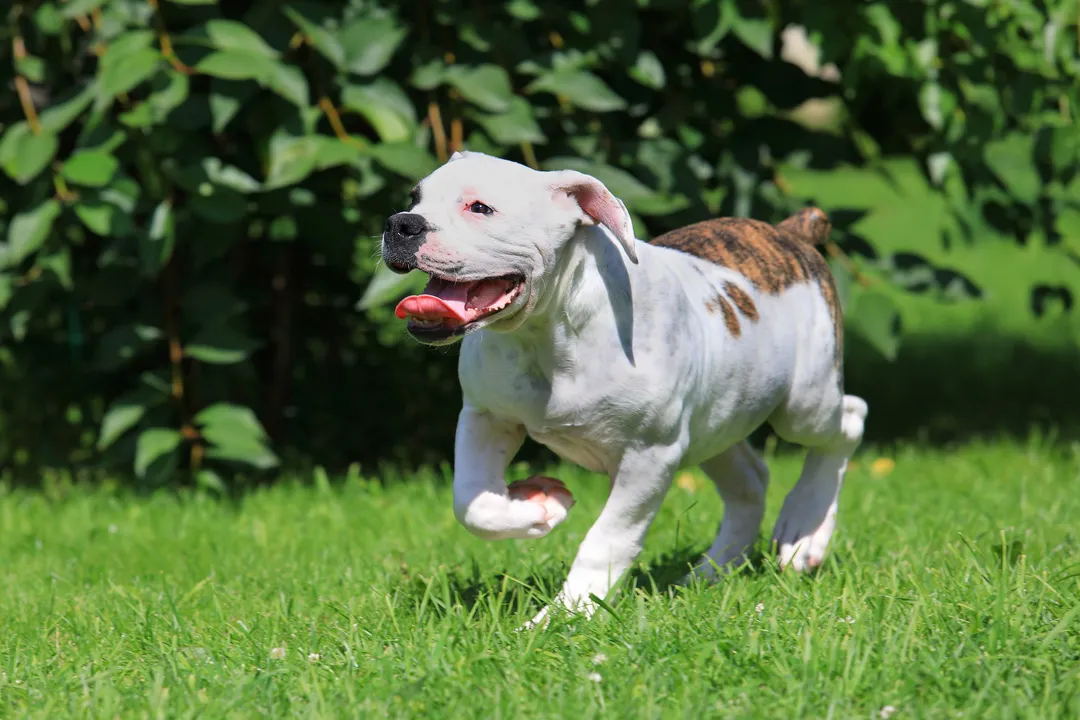
The coat is one of the most consistent features across the type, usually being short, smooth, and close to the body. The texture can vary, ranging from soft to stiff to the touch, and should be no longer than one inch. This short coat translates to relatively minimal grooming, requiring only occasional bathing when dirty and perhaps weekly brushing to manage shedding. However, the UKC standard is quite strict here: any feathering or a wavy coat is disqualifying.
Coloration offers significant variation, but white is the dominant base color for many. Acceptable colors and patterns include:
- Solid white
- White with colored patches
- Brindle (sometimes referred to as "tiger stripes")
- Shades of tan, brown, or black-and-tan patterns
While a wide spectrum of color is permitted, certain solid colors are explicitly excluded under the UKC standard: solid black, solid blue, tricolor, and merle are disqualifications. Furthermore, a full black mask is unacceptable. An interesting caveat exists for dark brindle coats, which might appear solid black in poor light but should be examined in sunlight before being disqualified for color. For a dog to be fully accepted in the standard, it should ideally have more than 10% white markings.

# Defining Extremities
The ears and tail provide further identifiers, though traditions in cropping and docking influence their presentation. Natural ears are preferred by many observers today. When left natural, they are small to medium in size and sit high on the head. Acceptable natural ear sets include drop (hanging along the cheek), semi-prick (tips only drop forward), or rose (small and set high). Hound ears are considered a fault.
The tail should be thick at its base and taper toward the tip. While a docked tail is sometimes seen, the natural tail is preferred. When natural, it should ideally reach down to the hock joint and carry in a "pump handle" style, although any carriage from upright when excited to relaxed between the hocks is generally accepted. Tails that are corkscrewed, kinked, or curl completely over the back when relaxed are considered faulty.
# Integrating Appearance with Function
When assessing an American Bulldog’s look, one must always keep its heritage in mind: it was developed as a catch dog for formidable livestock like feral hogs. This working requirement is why the neck is so important—it must be muscular enough to exert power while being long enough to allow for crucial leverage when working game. The shoulders must be strong, well-muscled, and laid back to facilitate the 90-degree angle needed for powerful front drive.
The chest is meant to be deep and moderately wide, providing ample space for the heart and lungs needed for sustained physical work. The topline should show only a very slight downward incline from the shoulders to a muscular back, blending into a short, slightly arched loin.
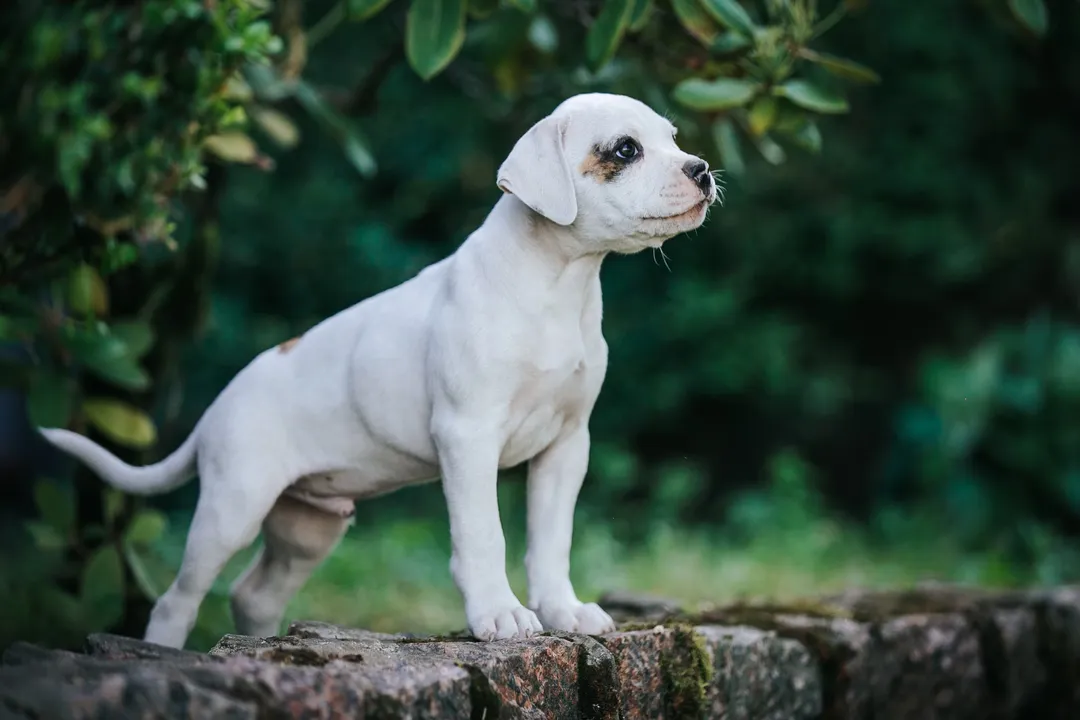
If you are looking at an American Bulldog puppy, realizing the physical potential from birth is key. Because the breed develops large bones and significant muscle mass, owners must recognize that a puppy’s appearance is just a draft of the final product. For instance, while the adult dog should be lean, managing puppy weight is vital; feeding large-breed puppy food for the first 14 months ensures their skeleton develops slowly and consistently, preventing issues related to rapid growth that can impact joints like the hips and elbows. Therefore, observing the puppy’s potential—the broad head, the substance in the legs, and the overall balance—is more telling than its current, still-growing proportions. This early attention to structure ensures the mature dog retains the powerful yet agile appearance that defines the look of the American Bulldog.
Related Questions
#Citations
American Bulldog - Dog Breed Information - American Kennel Club
American Bulldog Breed: Characteristics, Care & Photos | Chewy
American Bulldog Dog Breed Information | Purina UK
Breed Standards : American Bulldog | United Kennel Club (UKC)
American Bulldog Dog Breed Health and Care - PetMD