What are the characteristics of a Collie mix?
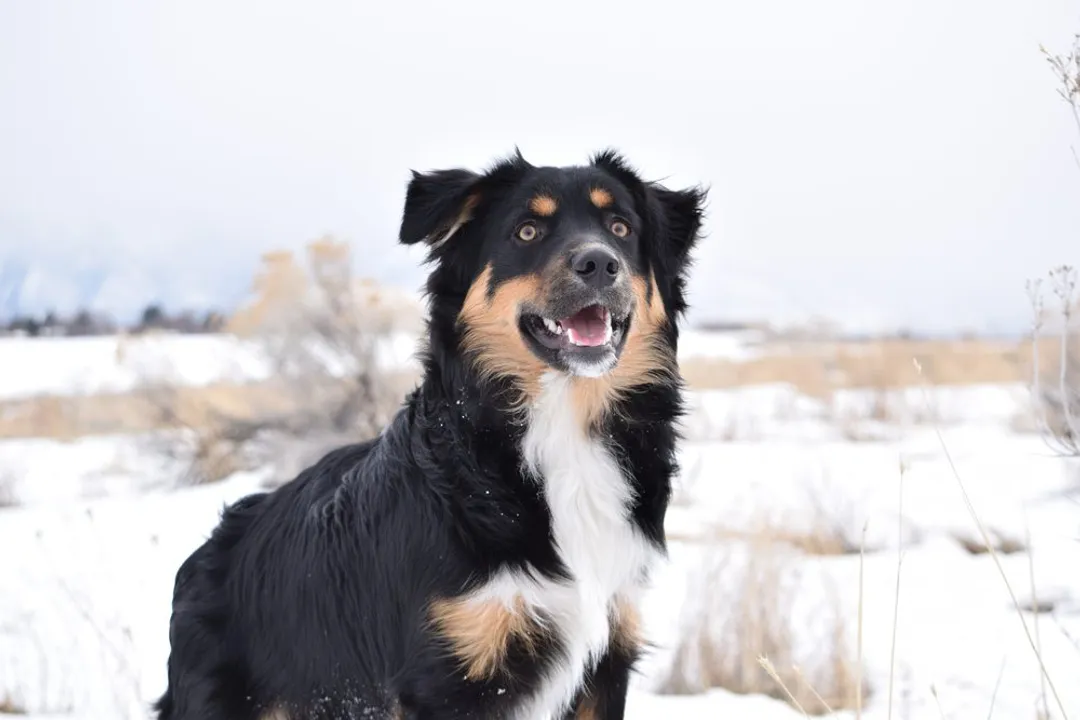
The world of Collie mixes presents a fascinating spectrum of canine characteristics, largely shaped by the dominant traits inherited from the purebred Collie, whether the highly driven Border Collie or the devoted Rough/Smooth Collie, combined with another breed. Since a mix is the result of two genetic blueprints, predicting an exact outcome is impossible; a puppy might lean heavily toward one parent or exhibit a unique blend of traits from both. However, the defining features of the Collie line—intelligence, loyalty, and energy—almost always shine through.
# Core Characteristics Inherited
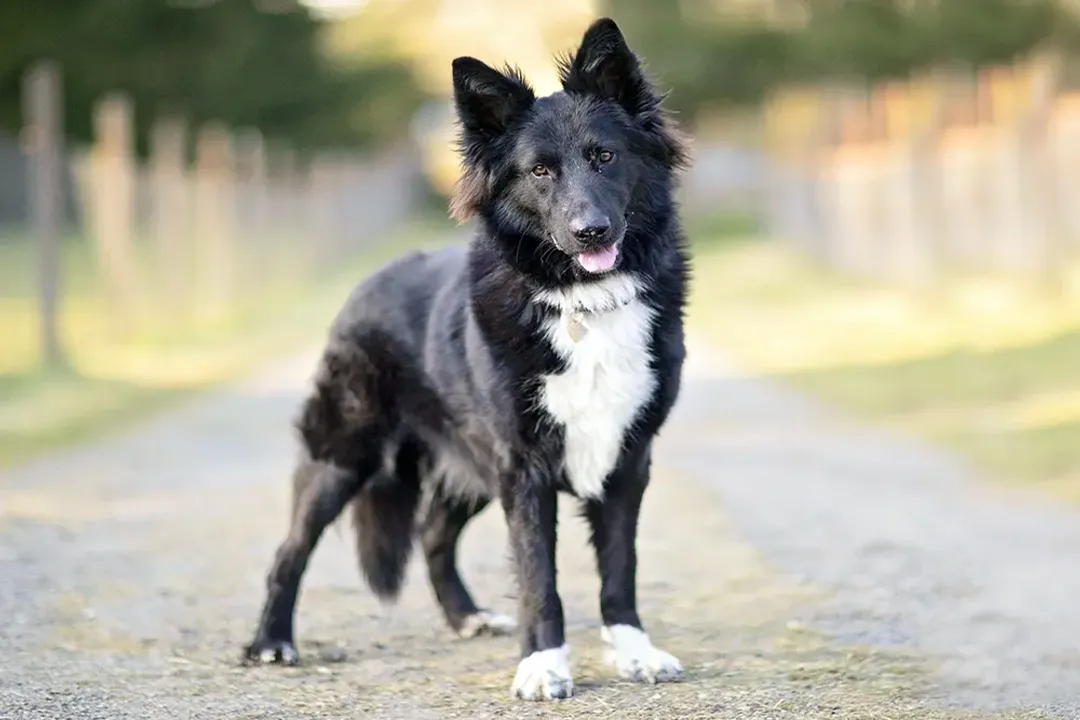
Collie mixes are frequently characterized by remarkable intelligence and an intense focus, traits inherited directly from the herding lineage. Border Collies, in particular, are famed for their brainpower, with one recognized as the smartest dog to have ever lived, capable of recognizing over a thousand objects by name. This intelligence translates into high trainability in their offspring, who are often fast learners capable of mastering complex tasks. They possess an innate work ethic and thrive when given a job or sufficient mental stimulation.
This high level of mental engagement pairs with an equally high energy level. Many Collie mixes need significant daily exercise, including running, hiking, or engaging in dog sports like agility or flyball, to remain balanced. Without adequate physical and mental outlets, these dogs can become obsessive, anxious, overly excitable, or channel their energy destructively through chewing or excessive attention-seeking.
Temperament across these mixes is generally described as devoted and loyal to their families. Purebred Collies are known for being affectionate, though they can be reserved with strangers. Their mixes often share this desire for companionship, sometimes manifesting as "Velcro" tendencies or intense devotion to a primary caregiver.
# Herding Instincts
Perhaps the most significant characteristic to anticipate is the persistent herding drive. Collies were purpose-bred to manage livestock, and this manifests in mixed breeds as an impulse to organize their environment. This can mean trying to gently herd children—especially those who run and scream—often resulting in light nips at the heels, which can startle small youngsters. They may also attempt to herd other pets or even their human family members. While training can mitigate this instinct, owners must be prepared for its presence.
# Appearance and Grooming Variability
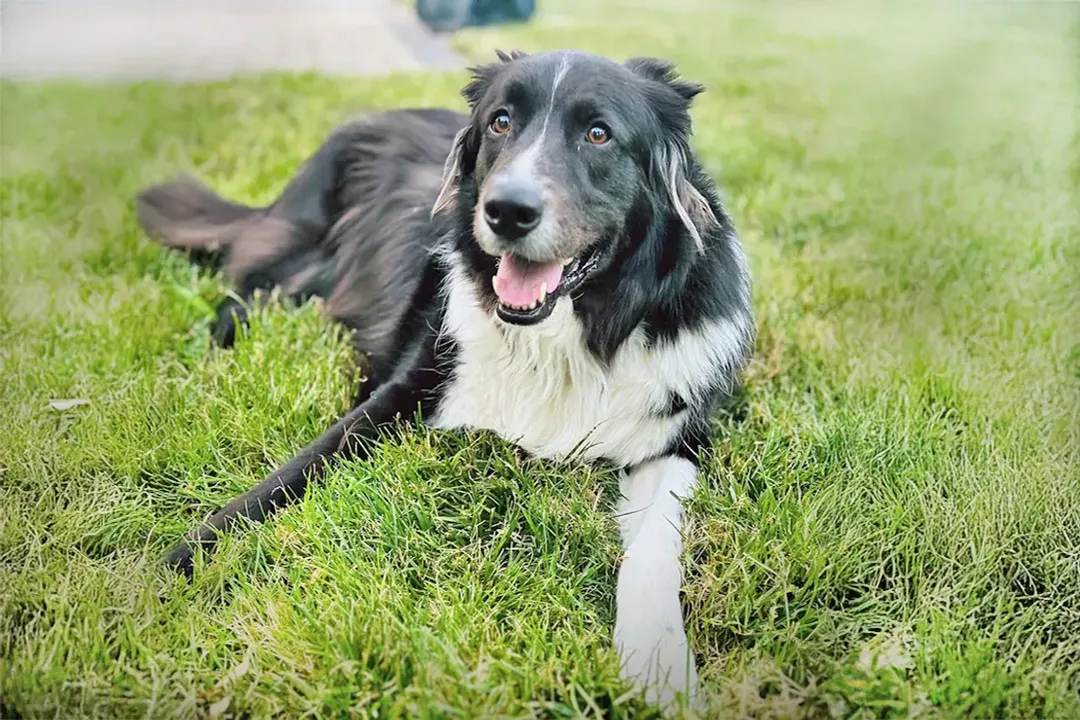
Physical characteristics vary widely depending on the non-Collie parent, affecting size, build, and coat. Collie mixes can range from small-to-medium (like a Border Beagle mix) to quite large (like a Border Rottie or a mix with a Standard Poodle).
The coat is a major point of variation. Since the Border Collie possesses a double coat, many mixes will shed moderately to heavily. For instance, the Border Collie/Australian Shepherd mix (Border Aussie) has a thick double coat requiring regular brushing to manage shedding and prevent tangles. On the other hand, the rough-coated purebred Collie needs diligent attention to avoid matting, especially behind the ears and elbows, with owners noting that certain shedding patterns align with female heat cycles or the dog’s birthday. It is interesting to note that coat maintenance is highly dependent on the second breed; while the assumption of high grooming needs due to the Collie parent is often correct, a mix involving a Poodle, like a Bordoodle, might inherit a curly coat that sheds less overall, presenting a different but still present requirement for regular brushing to prevent waves or curls from becoming unmanageable.
# Profiles of Popular Combinations
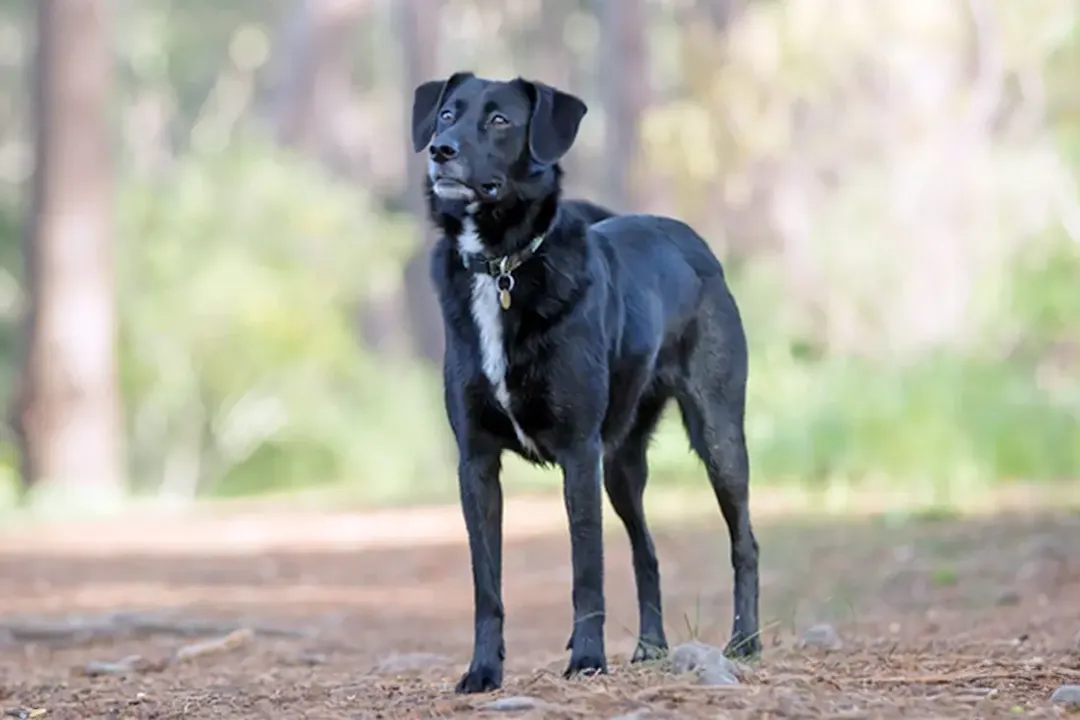
Examining specific, common Collie mixes illustrates how the resulting characteristics can shift:
| Mix Name | Parent Breeds | Key Characteristics & Energy Needs | Size Estimate |
|---|---|---|---|
| Coltriever | Border Collie/Golden Retriever | Highly intelligent, obedient, good-natured, less high-strung than a pure BC, emotionally intuitive. Excellent candidates for therapy work. | Medium; size of a small Golden Retriever. |
| Border Aussie | Border Collie/Australian Shepherd | Extremely smart, "two speeds: still and superfast," high endurance, serious herding instincts. | Medium to Large. |
| Shollie | Border Collie/German Shepherd | Exceptional work ethic, requires skills training, puzzle games, and over an hour of exercise daily (e.g., biking). | Large. |
| Bordoodle | Border Collie/Poodle | Very smart and trainable; may inherit lower shedding coat and a slightly calmer demeanor. | Varies based on Poodle size. |
| Borsky | Border Collie/Husky | Frisky, talkative, cheerful; may inherit unique eye colors. Needs extreme exercise and consistent training due to potential Husky stubbornness. | Medium to Large. |
The Coltriever, for example, shows a valuable moderation in temperament. While still bright and energetic, this mix is often cited as having a more emotionally balanced disposition, leaning toward the loving nature of the Golden Retriever, making them successful therapy and service dogs. Contrast this with the Border Aussie, which combines two high-drive herding breeds, resulting in a dog that is described as being "on at all times".
# The Reality of Ownership
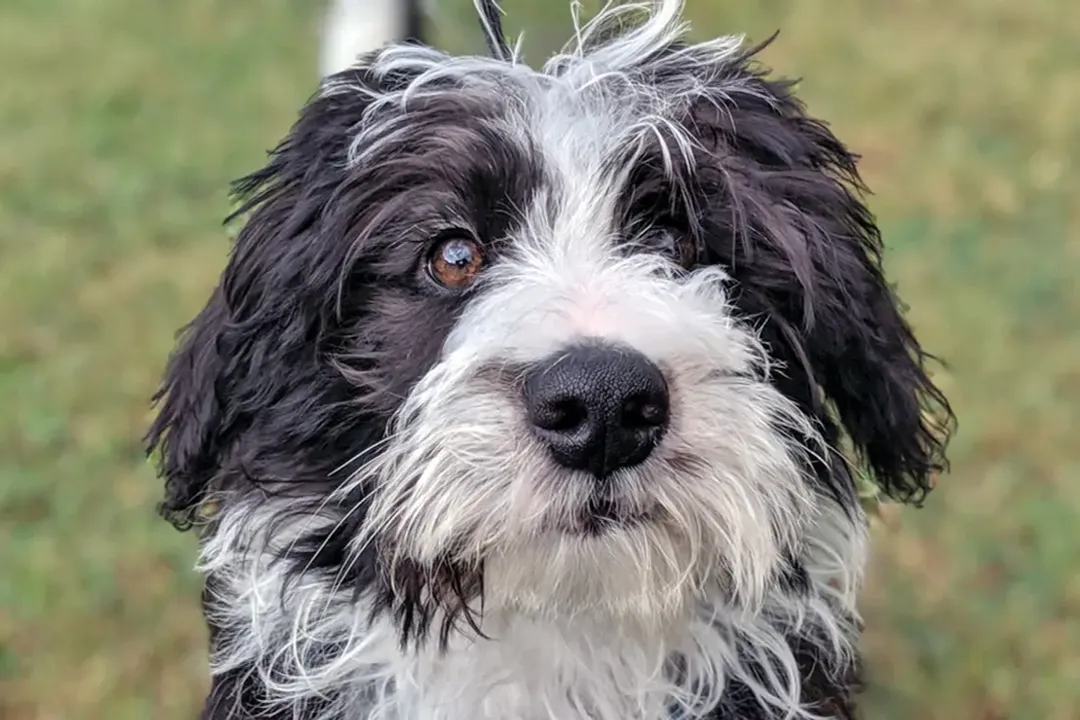
Adopting any Collie mix means signing up for an active partnership, not just pet ownership. These dogs are often described as being "person-specific," meaning their outward behavior can vary dramatically based on who is interacting with them. While many owners find them to be the absolute best companions, capable of understanding complex cues and showing deep affection, the learning curve can be steep.
A recurring theme among owners of high-drive Collie types is the need for consistent direction. It is important to remember that these dogs are often trying to manage their environment, and if the human does not step into the leadership role clearly, the dog may try to fill that void themselves, which can lead to behavioral issues like jumping, bossiness, or anxiety when the dog feels the need to take charge. Finding a routine that satisfies their need for work prevents unwanted activities like destruction or excessive barking when bored.
Prospective owners should also be aware of vocalization tendencies. While some mixes are quiet, purebred Collies are known to be quite vocal, often "talking" with grumbles or barks to communicate needs to their owners, rather than just barking at external stimuli.
When considering adoption, costs vary; rescue fees are typically modest ($50–$400), whereas puppies from breeders can cost significantly more, often starting around 2,000 for certain designer crosses.
For families with young children or other pets, supervision and early training are non-negotiable due to the herding and protective instincts. While intelligence offers the potential for excellent service or therapy roles, the need for constant engagement means these dogs are generally not suited for apartment living or for owners who are away from home for many hours daily. They thrive when included in family activities, whether hiking, training, or simply being present, ready to work or rest on cue.
Related Questions
#Citations
Border Collie Mixes: Common Traits of Collie Breeds - Adopt a Pet
Collie Dog Breed Information - American Kennel Club
How would you describe your border collies personality/temperament?
What Is a Coltriever? Traits, Temperament, and Breed Info
Border Collie Australian Shepherd Mix: Dog Breed Guide
13 Border Collie Mixes That Blend Beauty and Brains - Daily Paws