Do children's pythons like to be held?
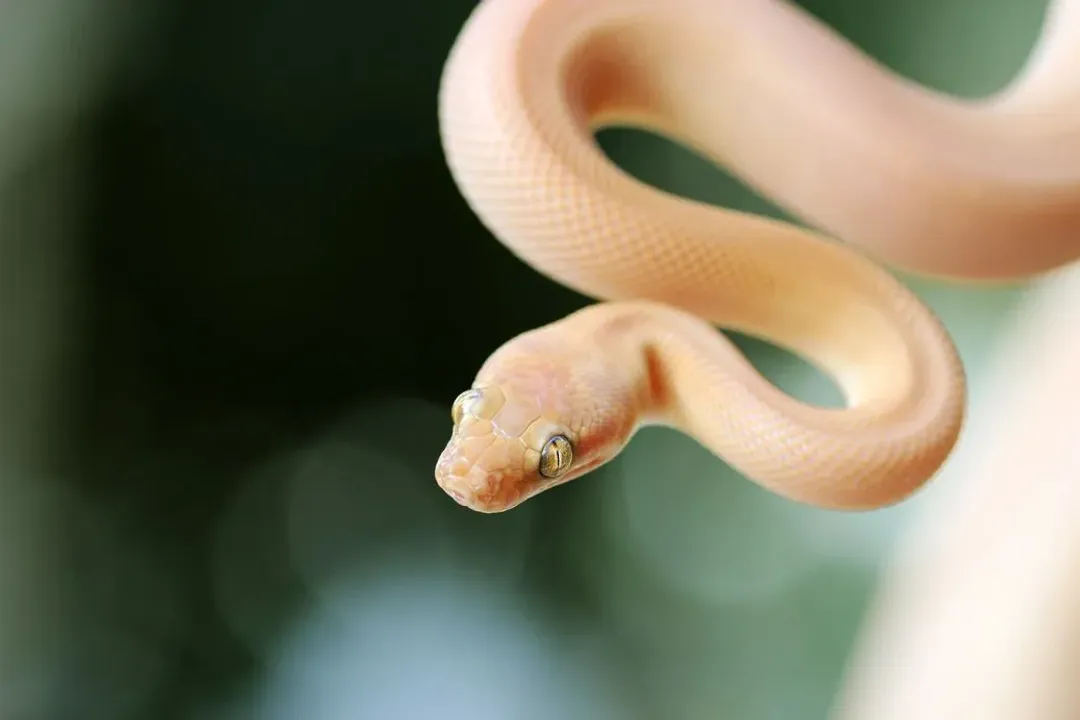
The interaction between a Children’s Python and its owner is often framed by the simple question of whether the snake likes being handled, but this expectation might place a human emotional construct onto an animal that operates on entirely different motivations. Unlike companion animals such as dogs or cats, reptiles generally do not experience or seek out affection or petting in the way mammals do. The experience is better understood through the lens of tolerance, stress mitigation, and establishing clear, predictable routines. Children's Pythons, which are often recommended for newer keepers due to their manageable size, are known to generally tolerate human interaction quite well, especially once they mature past the initial fragile hatchling stage.
# Inherent Nature
Understanding the baseline temperament of the Children’s Python is the first step to interpreting handling success. These snakes are inherently creatures of habit, evolved over millennia to be cautious. They possess nothing to gain and a great deal to lose from unpredictable encounters with large entities. Therefore, it is more accurate to say they have varying levels of tolerance for being handled rather than an innate desire for it. For keepers, the goal shifts from seeking genuine companionship to managing an environment and routine where interaction is merely an acceptable part of their day, not a stressful event. As adults, they are generally described as placid, which contributes to their reputation as good beginner pets.
# Developing Trust
The approach to handling must adapt based on the snake’s age and individual disposition. When they are very young, hatchling Children’s Pythons can frequently display defensive behaviors because they are instinctively aware of their position in the food chain and are easily startled. Anecdotal reports show that some individuals can be quite "bitey" when they first come home. However, consistent, calm interaction is often key, as these tendencies frequently diminish as the snake grows and acclimates to its environment and keeper. The most important rule for initiating any interaction is to never reach into the enclosure and grab the snake directly from its preferred hiding spot or hide box, as this immediately signals a threat and guarantees the snake will feel unsafe. A better practice involves encouraging the snake to leave its secure area and climb onto the keeper independently, which builds a positive association with the keeper’s presence.
# Clear Signals
Snakes learn through repetition, and owners must create unambiguous signals to communicate whether an encounter is for feeding or for handling. Confusing these signals is a primary way that keepers inadvertently create cage defensiveness, where the snake associates the keeper's approach with food and strikes defensively or offensively. One recommended method involves establishing a distinct routine: for instance, tapping on the front of the enclosure with fingernails or feeding tongs to signal feed time. When handling time arrives, the keeper should avoid this specific tapping cue. Some keepers use a hook or a paper towel roll to gently tap the snake's head as a separate, non-food-related cue that handling is about to occur. If the snake is coiled and clearly interested in the food cue, it's important to use that distraction tool—like the paper towel roll—to redirect its focus away from feeding before attempting to handle it.
# Physical Interaction Rules
When an owner is ready to hold their Children’s Python, the physical technique is critical to avoid injury to the snake. It is essential to support the majority of the snake’s body weight with two hands, positioning one hand near the head and the other supporting the midsection. A crucial point to remember across all handling situations is to never lift or hold the snake solely by its tail, as the spine is delicate and can be easily damaged. If a bite does occur, understanding the motivation helps interpret the severity. A defensive bite usually involves the snake biting and immediately releasing, whereas a feeding bite involves the snake biting, holding on, and often beginning to coil around the perceived prey item. For adult CPs, bites are often described as minor irritations, perhaps feeling like a "prickle," while hatchlings may not even break the skin due to their small size.
A consideration often overlooked when handling small, naturally cryptic species like the Children's Python relates to their adaptation for life near cover. In the wild, these pythons travel great distances at night but spend their days seeking shelter under debris, in rocky crevices, or in tree hollows. They are built to move along surfaces, not to hang suspended in empty air. For a newly handled snake, keeping handling sessions low to a surface—perhaps holding them just above a table or a large, safe hide entrance—can help minimize the stress associated with feeling exposed and vulnerable, which can trigger a prey-response. This approach respects their evolutionary wiring by mimicking a secure environment during interaction.

# Consistency and Boundaries
To maintain the tolerance a Children’s Python develops, the keeper must adhere to a consistent schedule that respects the snake's physiological needs. Handling should occur regularly enough to maintain acclimation—suggestions point toward 1 to 2 times per week, but definitely not more than once daily. Furthermore, handling should be strictly avoided within 48 hours of a meal, as this can induce significant stress leading to regurgitation, which is a very traumatic event that can potentially lead to the animal's demise. The time spent handling should be balanced with the snake's need for security; handling sessions that are too frequent or too long can upset, stress, and unsettle the snake, potentially leading to issues like feeding rejection. The goal is acceptance, not constant engagement, which means recognizing that enjoying the snake is often best achieved through observing its natural, unstressed behaviors within its well-designed habitat. While the urge to "tame" a pet is natural for humans, with reptiles, success is measured by the confidence they display in your presence, not by their desire to become a cuddly companion.
Related Questions
#Citations
I fell in love with this childrens python. So sad I couldn't ...
Children's Python | Aussie Pythons & Snakes Forum
Children's Python Care Sheet and bioactive habitat ...
Beginner's Python Advice? First(ish) Snake?
Children's Pythons - FAQs
Children's Python Care Sheet | DubiaRoaches.com