What does a juvenile Mississippi kite look like?

Distinguishing a young Mississippi Kite from a mature one requires a keen eye, as the dramatic slate-gray elegance of the adult is exchanged for a much duller, work-in-progress appearance in the juvenile bird. When first fledging, these birds are significantly different from their parents, which can lead to confusion for birders accustomed to the sleek, pale-gray adults that often dominate field guides. The transition from nestling to independent flier involves several weeks where the plumage is transitional, but some key features remain consistent enough to confirm the species identification, even if the age remains debatable.
# Coloration Shift
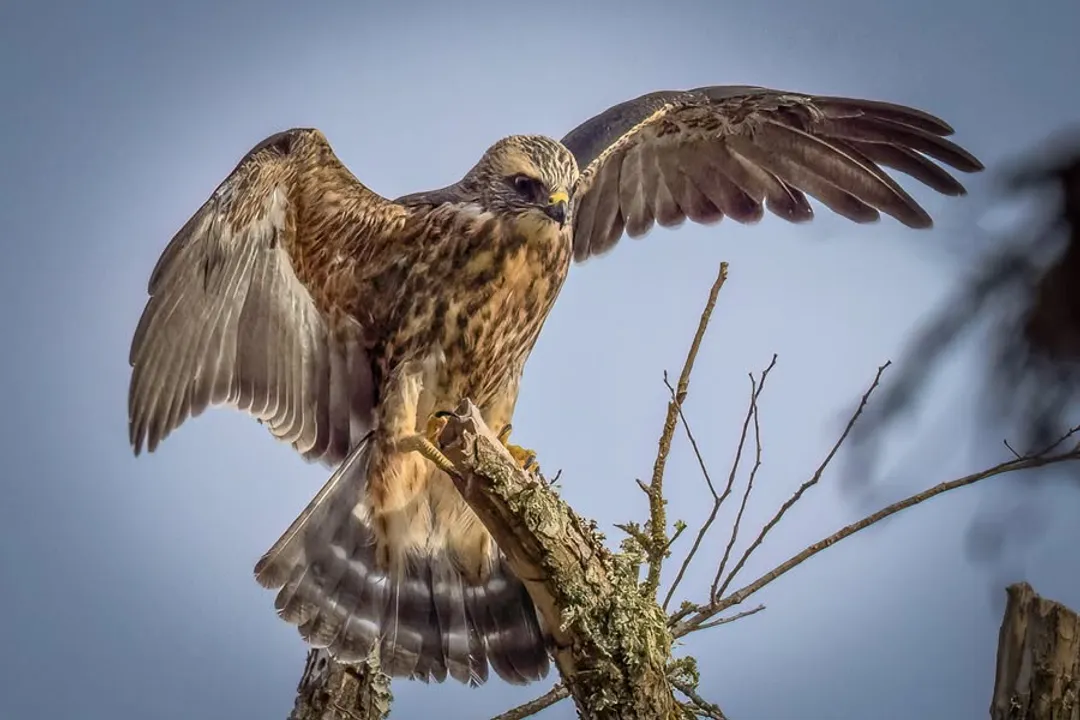
The most immediate contrast between the adult and the juvenile Mississippi Kite lies in the overall body coloration. Adult birds are famous for their uniform, striking pale, smoky-gray plumage, often giving them a soft, ethereal look, especially in bright sunlight. Juveniles, however, wear a coat that is decidedly brownish rather than gray. This immature plumage is generally dark brown or dusky over the body, providing camouflage that differs sharply from the stark contrast seen in mature kites.
A critical field mark for the juvenile is the presence of streaking, particularly on the underside. While adults are mostly plain gray below, young kites exhibit dark streaking or spotting across their breasts and bellies. This streaking is often more pronounced in fresh plumage shortly after leaving the nest. If you spot a small, slender raptor that seems too dark and too heavily marked underneath to be an adult Mississippi Kite, you are likely looking at a first-year bird.
If you happen to be observing a mixed flock during migration or near a nesting area, notice how the adults appear almost white or very pale gray when backlit or seen soaring high, while the juveniles retain that darker, browner tone even at altitude. This difference in light reflection is a reliable clue when direct observation of markings is impossible.
# Tail Details

The tail is another area where the juvenile status is strongly indicated, particularly when the bird is in flight. Adult Mississippi Kites possess long, distinctive tails that are often described as forked or pointed, and these tails are characteristically pale gray with dark edges. This pale tail is a hallmark feature when spotting an adult soaring overhead.
In stark contrast, the tail of the juvenile is noticeably shorter than that of the adult. Furthermore, the juvenile tail is generally dark or dusky throughout its length, lacking the pale edging seen on mature birds. This shorter, darker tail is often one of the last features to acquire adult coloration, meaning a bird that is otherwise starting to look gray might still betray its youth by the appearance of its tail. For those trying to differentiate them from other small, dark falcons or hawks, the juvenile kite’s silhouette, while still elegant, will lack the long, elegant rudder of its parents.
# Head and Eyes
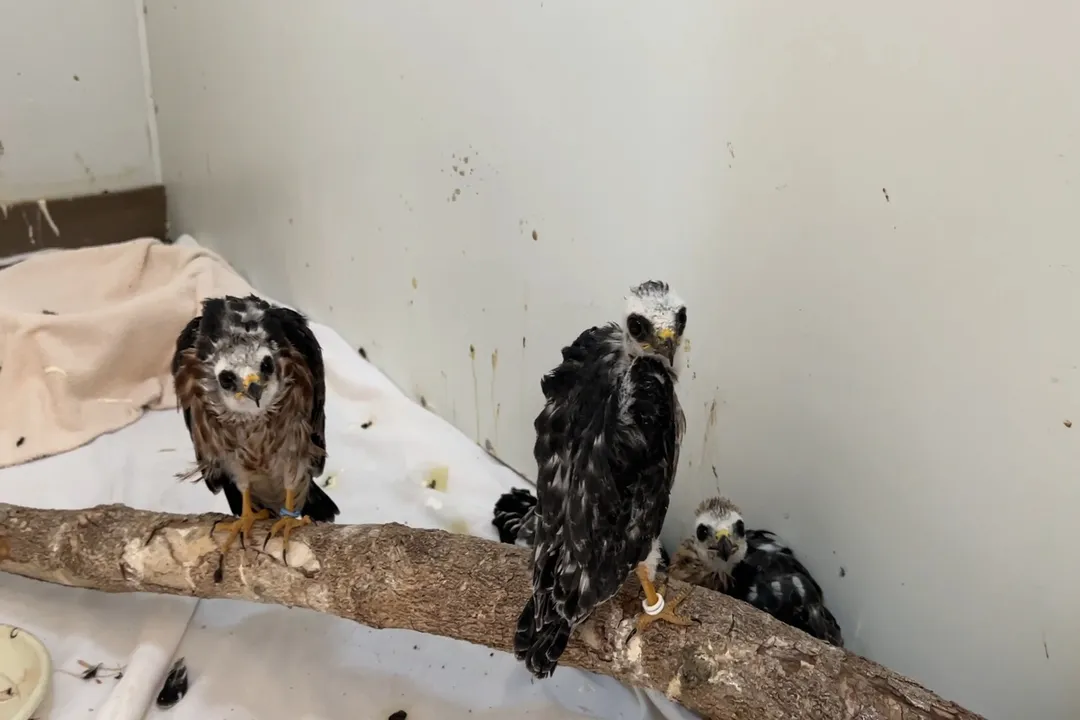
The head features, though smaller targets for identification, offer supporting evidence for immaturity. Adult Mississippi Kites are known for the conspicuous reddish-pink or bright pink cere (the fleshy area above the bill). In contrast, juveniles have a dark cere, often appearing blackish or dark gray, blending more closely with their dark bills. This lack of bright color on the face is a simple but effective differentiator.
The eyes also provide a clue. While both sexes of adults typically have dark eyes, the overall darker head tone of the juvenile can make the eye appear less prominent than it does against the pale gray head of an adult. The combination of the dark cere and the dark, streaky breast strongly points toward a first-year bird still growing into its adult guise.
# Developmental Stage

It is helpful to remember that these immature kites spend their first year wearing this distinct brownish plumage before molting into the slate-gray of the adult bird. This means that any bird seen well outside the breeding season, perhaps during late summer migration, that exhibits the brownish, streaked pattern is almost certainly a juvenile from that year's brood. Even young birds that are actively fed by parents, perhaps with grasshoppers brought back to the nest site, already possess this distinct fledgling plumage.
When attempting identification in the field, it’s easy to confuse a juvenile Mississippi Kite with a darker Accipiter, like a Sharp-shinned Hawk, due to the streaking. However, the overall body shape—slender wings and a relatively long tail, even if shorter than the adult’s—still hints at the kite lineage. If you notice the bird is exhibiting very buoyant, almost butterfly-like flight, even if the plumage is confusing, that flight style leans heavily toward Ictinia mississippiensis rather than the more direct, hawk-like pursuit.
The speed at which they acquire their adult looks varies. While most reach adult plumage by their first full year, some subtle features might linger longer, making it important to focus on the most reliable marks: the overall brown wash and the dark-streaked underparts. Keep in mind that observing a group of kites, where you can clearly see both the pale, streamlined adults and the browner, streaked youngsters together, provides the best calibration for distinguishing the two age classes. Observing captive-raised juveniles, for instance, often highlights how quickly the pale gray begins to replace the dark brown, starting perhaps with the feathers emerging on the head and back.

# Field Identification Strategy
When you see a kite, use a systematic visual checklist to confirm if it is a juvenile.
- Overall Tone: Is it dusky brown or slate gray? (Brown = Juvenile).
- Underparts: Are there distinct dark streaks on the breast? (Yes = Juvenile).
- Tail Length/Color: Is the tail noticeably shorter and dark overall? (Yes = Juvenile).
- Cere Color: Is the area above the bill dark, not pink? (Dark = Juvenile).
If you can answer "yes" to the first three and "yes" to the last one, you have positively identified a juvenile Mississippi Kite, likely less than a year old. A fun comparison point is that a healthy adult kite looks almost like a cloud with wings on a sunny day, whereas the juvenile looks like it’s wearing a slightly ill-fitting, faded camouflage jacket. Recognizing this difference helps appreciate the bird's life cycle and the challenges of camouflage during its vulnerable first few months.
# Flight Signature
While plumage describes the static view, the Mississippi Kite’s flight is arguably its most defining characteristic, which remains largely consistent between ages. Even the juvenile, despite its drabber colors, retains that characteristic buoyant, buoyant, almost effortless soaring style. They are masters of riding thermals and catching insects on the wing. If the bird is making quick, erratic dives for large insects in mid-air—a behavior commonly associated with this species—the identification is highly probable, regardless of whether it exhibits the pale adult plumage or the browner juvenile plumage. The way it flies often transcends the coloring confusion inherent to young raptors. Experienced observers often rely on this flight profile as much as, if not more than, the plumage when encountering kites in rapidly changing light or at great distances.
Related Questions
#Citations
Is this a juvenile Mississippi Kite? - Facebook
If you guessed juvenile Mississippi Kite, you were correct! It can be ...
Mississippi Kite | Audubon Field Guide
Mississippi Kite - Oklahoma Department of Wildlife Conservation
Mississippi Kite Photo Gallery - All About Birds