What does a mixed Bulldog look like?
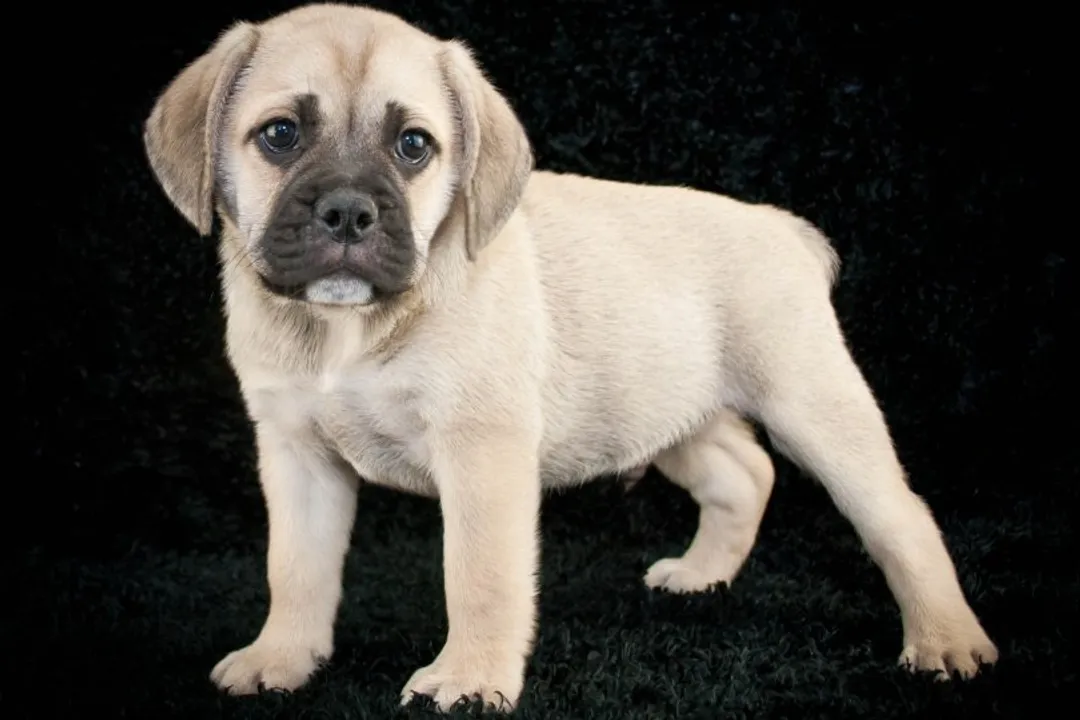
The world of canine genetics is fascinating, and when a Bulldog contributes its unique physical blueprint to a mixed breed, the results can range from the subtly altered to the wildly unexpected. The term "Bulldog mix" covers a massive territory of potential looks because the Bulldog itself brings such distinct features: the pronounced wrinkles, the broad, square head, and that characteristic pushed-in muzzle. When paired with another breed, these traits get blended, modified, or sometimes, completely overshadowed. Understanding what a mixed Bulldog looks like means understanding the blend—it’s rarely a simple 50/50 split in appearance, but rather a lottery of which parent’s characteristics rise to the surface.
# Bulldog Influence
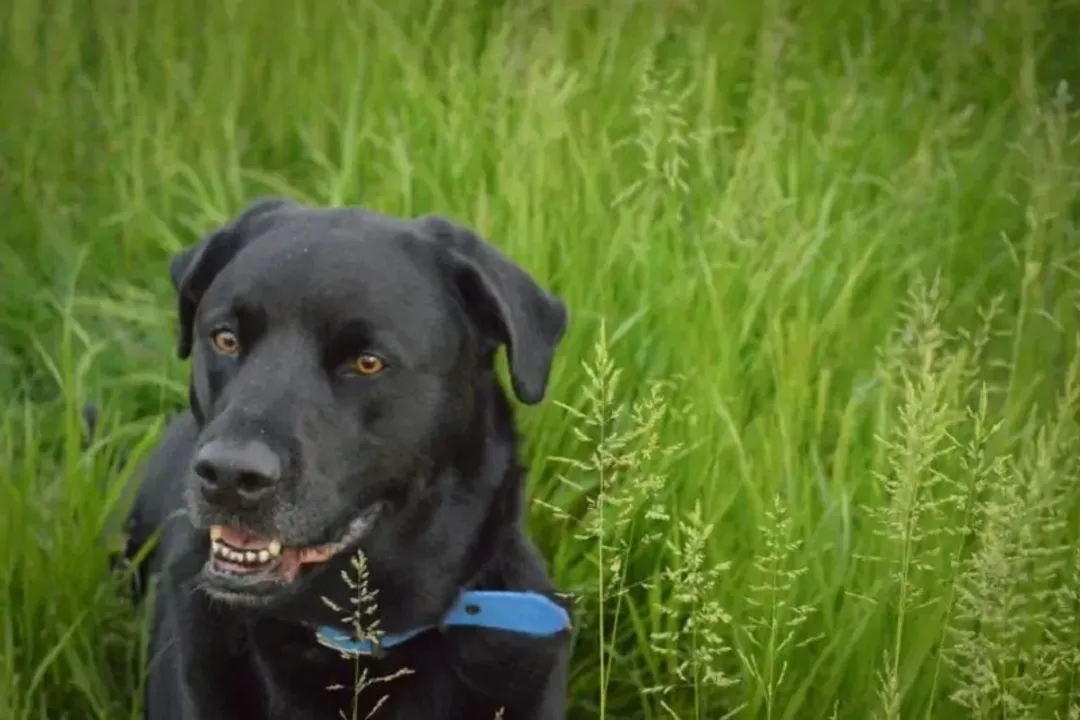
The foundational look of any Bulldog mix stems from the parent Bulldog, usually the English Bulldog, which imparts several key visual markers. The heavy, stocky build, the muscular frame, and the loose skin resulting in facial folds are classic hallmarks. However, this is where the variation begins. For example, a mix with a breed already known for looseness of skin, like the Shar Pei, intensifies this feature; the Bull Pei becomes "big and stocky," looking almost like a dog "starting to melt" due to the excessive wrinkles on its head and neck. Conversely, if the Bulldog is mixed with a significantly taller, leaner dog, the resulting hybrid might inherit less of the stocky structure and more of the other parent's height and tautness, though the jaw structure often remains a telltale sign.
# Size Variation
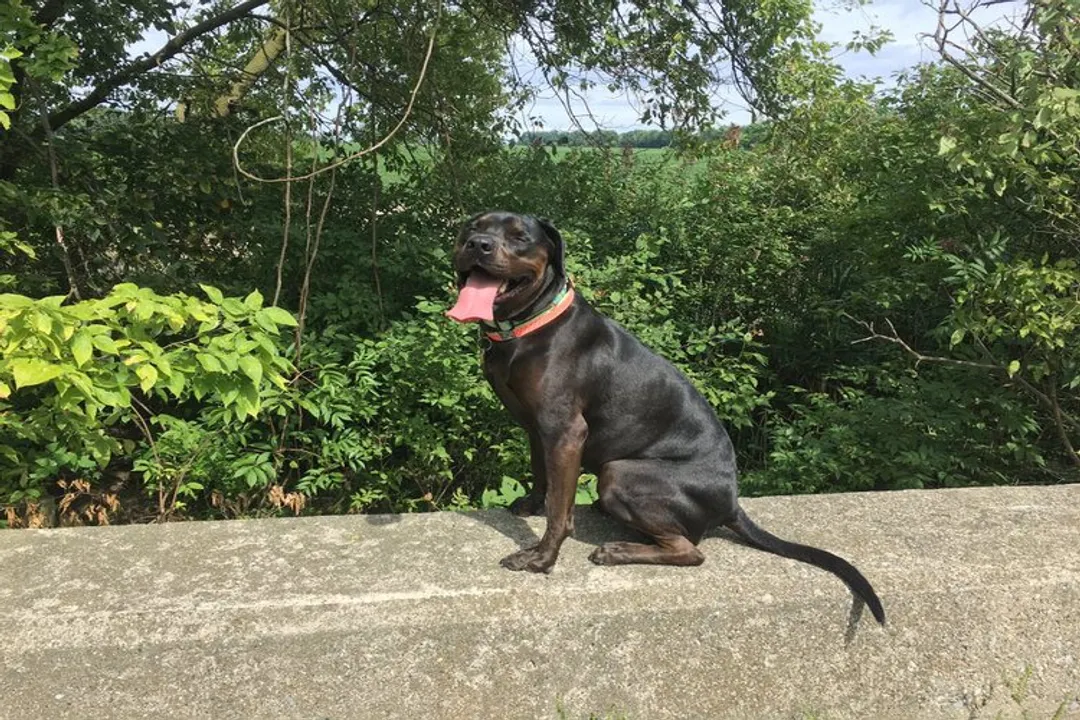
One of the most striking aspects of Bulldog mixes is the sheer spectrum of size they can exhibit. Bulldogs are typically medium-sized, stout dogs, often around 14 to 15 inches tall and weighing around 50 pounds for males. When bred with smaller companions, the result shrinks, but when paired with giants, the outcome is truly massive. Consider the Bull Dane, a mix with the Great Dane; these dogs can reach an imposing weight of up to 200 pounds. On the other end of the scale, the American Bullhuahua (or Bullchua), crossed with a Chihuahua, lands somewhere between the two parent sizes, resulting in a small dog that still carries the broad head shape. This unpredictability in final size means a prospective owner must research the second breed as much as the Bulldog parent when trying to gauge the adult stature.
This variability suggests that the Bulldog's recessive genes for mass and broadness can sometimes require a much larger canvas (like a Great Dane or Newfoundland) to fully express themselves, while a dominant short-legged gene from a breed like the Corgi leads to a specialized low-rider appearance in the Bullcorg.
# Contrasting Coats
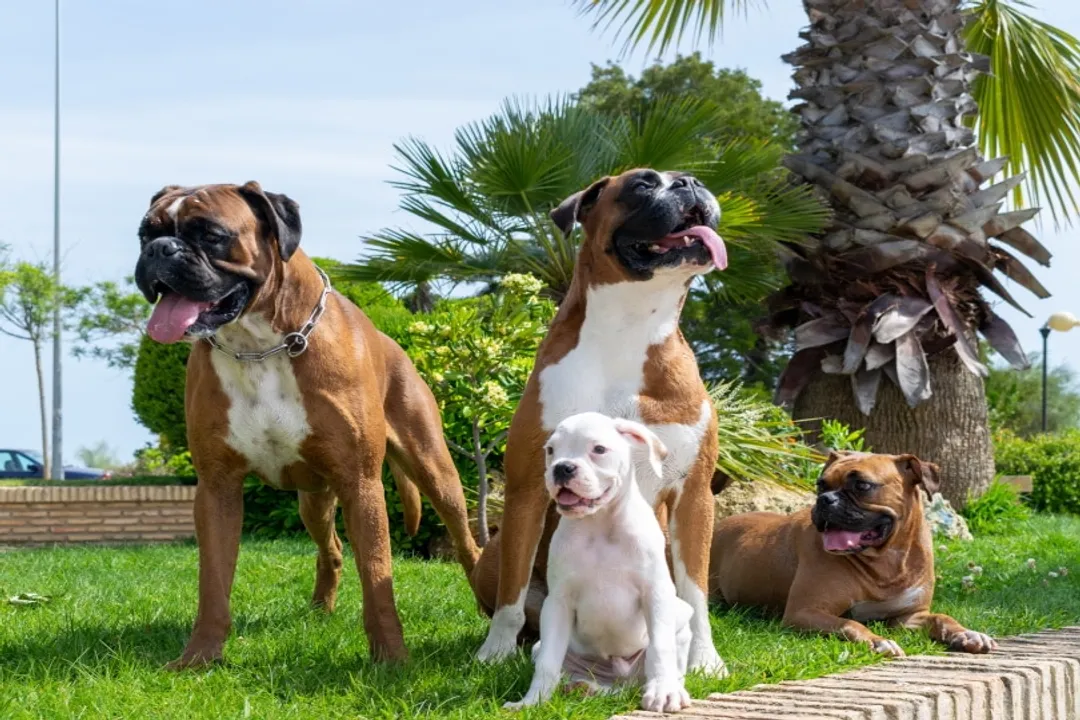
The coat quality is another area where the second breed significantly alters the Bulldog's typically short, sleek fur. In many mixes, the Bulldog's coat is replaced by or modified into something completely different. The Bull Shepherd, a mix with the German Shepherd, often inherits the longer, dense double coat associated with its herding parent, which can even be water-resistant. On the other hand, the Bullador (Labrador Retriever cross) can inherit the Labrador's dense, waterproof double coat, coming in colors like red, black, yellow, tan, or brown. Yet, some mixes maintain the shorter fur. The Bulloxer (Boxer cross) typically has a short, dense, close-fitting coat, shedding minimally.
Here is a comparison of coat and overall build characteristics for a few popular crosses:
| Mix Name | Second Breed | General Build Observation | Coat Type Implication |
|---|---|---|---|
| Bullador | Labrador Retriever | Varies from stocky to tall/athletic | Often dense, double-coat |
| Bull Shepherd | German Shepherd | Gains appearance from GSD side | Often medium-long, double-coat |
| Bulloxer | Boxer | Medium to large, muscular, robust | Short, dense, close-fitting |
| Bullchow | Chow Chow | Extremely fuzzy Bulldog appearance | Fuzzy/Thick (from Chow Chow) |
| Bull Pei | Shar Pei | Big, stocky, heavily wrinkled | Wrinkles dominate head/neck area |
# Detailed Hybrid Visuals
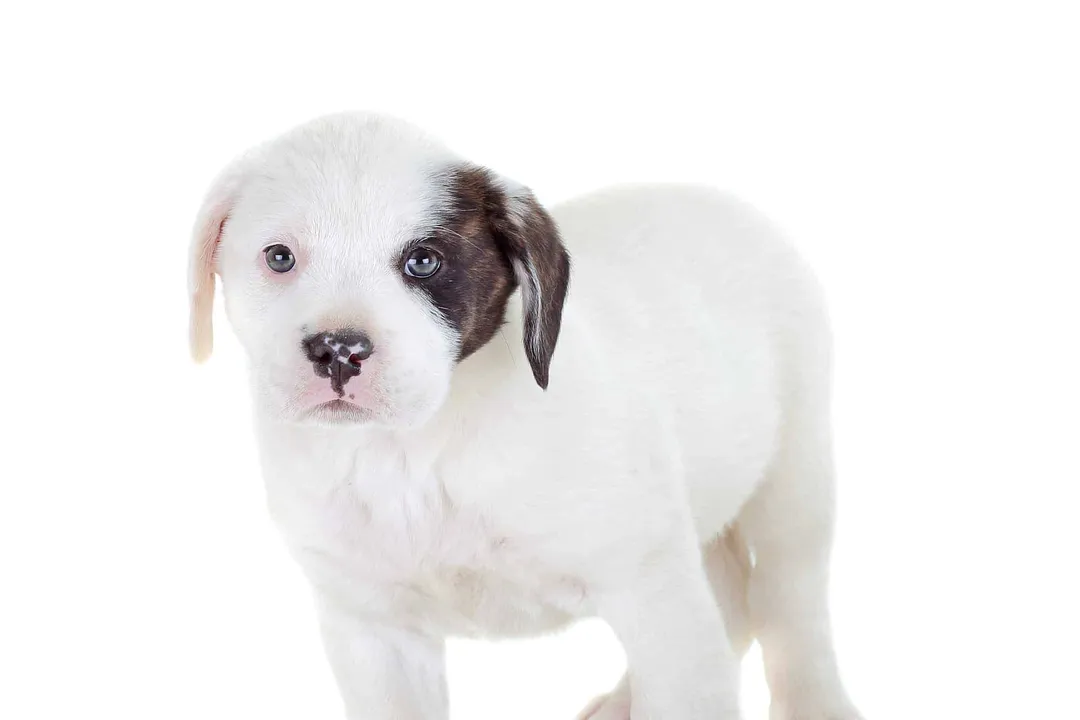
Delving into specific combinations reveals just how diverse these appearances can be, moving far from the purebred English Bulldog standard.
# Boxer Cross
The Bulloxer (Boxer and Bulldog mix), also sometimes called a Bulloxer, is described as medium to large, possessing a robust and muscular physique. Visually, they often feature a broad chest and a head with a square form, inheriting a short muzzle with a slight underbite. Their ears tend to be short and floppy. Despite an intimidating, stern look that comes from the strong physical traits of both parents, the overall impression is often friendly and energetic.
# Beagle and Basset Combinations
When mixed with scent hounds, the ear structure often becomes exaggerated. The Beabull (Beagle/Bulldog) is noted for having barrel-shaped bodies, long muzzles that might feature an underbite, and prominent, floppy ears. Even more specific in its profile is the Bullet, a Bulldog/Basset Hound mix, which reportedly looks like it carries "a Bulldog's head on a Basset Hound's body," complete with those defining long, droopy ears.
# The Pit Bull Blend
The Bullpit (Bulldog and Pit Bull mix) results in a combination that might frequently be classified simply as a Pit Bull. However, the Bulldog lineage usually manifests as a stockier body and a stubbier snout compared to a typical purebred Pit Bull.
# Oddly Shaped Companions
Some crosses produce decidedly unique profiles. The Bull Zhu (Bulldog/Shih Tzu) is described as having an "oddly shaped" look where the stocky head seems disproportionately large for the rest of its body. In contrast, the Bulldach (Dachshund/Bulldog) creates a look that others find comical: it combines the long, floppy ears of the Dachshund with the Bulldog's characteristic snub nose.
The appearance of a mixed breed is often a direct reflection of how specific, sometimes contradictory, traits from each parent are expressed. When one parent breed is known for a characteristic—like the wrinkled skin of the Bulldog—and the other breed introduces a strongly contrasting feature, such as the athleticism of a Catahoula Leopard Dog in the Bullhoula, the result is a muscular, athletic dog where the classic Bulldog facial structure may be less pronounced. A useful strategy for trying to visualize any specific mix is to look at images of the parent breeds side-by-side; the mix will likely fall somewhere on the spectrum between those two known appearances, leaning toward the more dominant physical traits.

# The DNA Factor and Identity
It is important to recognize that without documentation or a DNA test, determining the exact visual composition of a mixed Bulldog can lead to speculation, as demonstrated in owner discussions online. One individual discovered their rescued dog, initially suspected to be an English Bulldog mix, was actually a combination of English, American, and French Bulldogs, explaining why its ears resembled a Frenchie's while its size was substantial. This highlights that what an owner sees might only reveal the most outwardly visible parentage, like the ears or coat, while the underlying structure and size are governed by percentages that aren't obvious at a glance.
A key factor in appearance is the presence of an underbite. Since this is common in purebred Bulldogs, it often carries over into many mixes, appearing in the Beabull, for instance. Yet, this trait is sometimes noted as undesirable due to potential dental issues, contrasting with the desired healthy presentation of the other parent breed.
If you are seeking a specific look derived from a Bulldog cross, recognizing that you are getting a combination of traits rather than a predictable look is crucial. For instance, if a stocky, wrinkled appearance is paramount, a mix with another heavy-boned breed like a Mastiff (Bullstiff) will likely deliver on the size and drool factor, often exceeding 100 pounds. However, if the owner’s goal is to move away from the heavy wrinkles while retaining loyalty, a Bullador might be better, as it may have tighter facial skin due to the Labrador genes, potentially making it less prone to the breathing and skin issues associated with deep facial folds.
# Beyond Simple Blending
The visual outcome is not always a straightforward average; sometimes, it creates an entirely new silhouette based on how the structural genetics interact. For example, the Bullcorg is famous precisely because its short legs force the body into a low-riding stance, creating a unique profile that a simple addition of mass from the Bulldog parent would not achieve on its own. Similarly, the Bullhound (Irish Wolfhound/Bulldog) is described as a "shaggy dog that can't quite make up their mind," illustrating a conflict between the Bulldog's powerful, short build and the Wolfhound's lanky structure.
This complex interplay between breed characteristics means that predicting the final appearance relies on more than just matching two photos. A potential owner should consider how the skeletal structures and skin types interact. For example, when looking at a mix involving a breed with long ears (like a Basset Hound), the appearance is defined by the skeletal placement of those ears on the Bulldog-shaped head, creating a comical visual paradox. If you are adopting, understanding the dog's known history, even if anecdotal, can offer better clues than the breed name alone. If you cannot verify lineage, focusing on the temperament—which is also highly variable—becomes far more important than pinning down an exact visual expectation.
# Path to Ownership
When a Bulldog mix captures your attention, whether through a picture online or in person at a shelter, remembering the visual diversity is key. While lists detail what can happen—from the fuzzy Bullchow to the massive Bullenees—the actual dog you meet is a singular creation. Since many of these hybrids are found in shelters, the best approach is often to adopt the dog that presents itself, loving the look it has, rather than searching for a specific, imagined hybrid appearance that may never materialize. Ultimately, whether you get a robust Bulloxer or a slightly squishy Buggle (Pug mix), the Bulldog contribution generally ensures a dog with immense personality, even if its look is wonderfully unique.
#Videos
Top 10 English bulldog mix Breeds You Don't Know About - YouTube
Related Questions
#Citations
25 Popular Bulldog Mixes: Adorable Crossbreeds (With ... - Dogster
Top 10 English bulldog mix Breeds You Don't Know About - YouTube
I rescued this guy, English bulldog mix? - Reddit
Bulldog Mix Dog Breed Complete Guide - A-Z Animals
Boxer Bulldog Mix Facts - Alpha Paw