What does a full grown Havapoo look like?
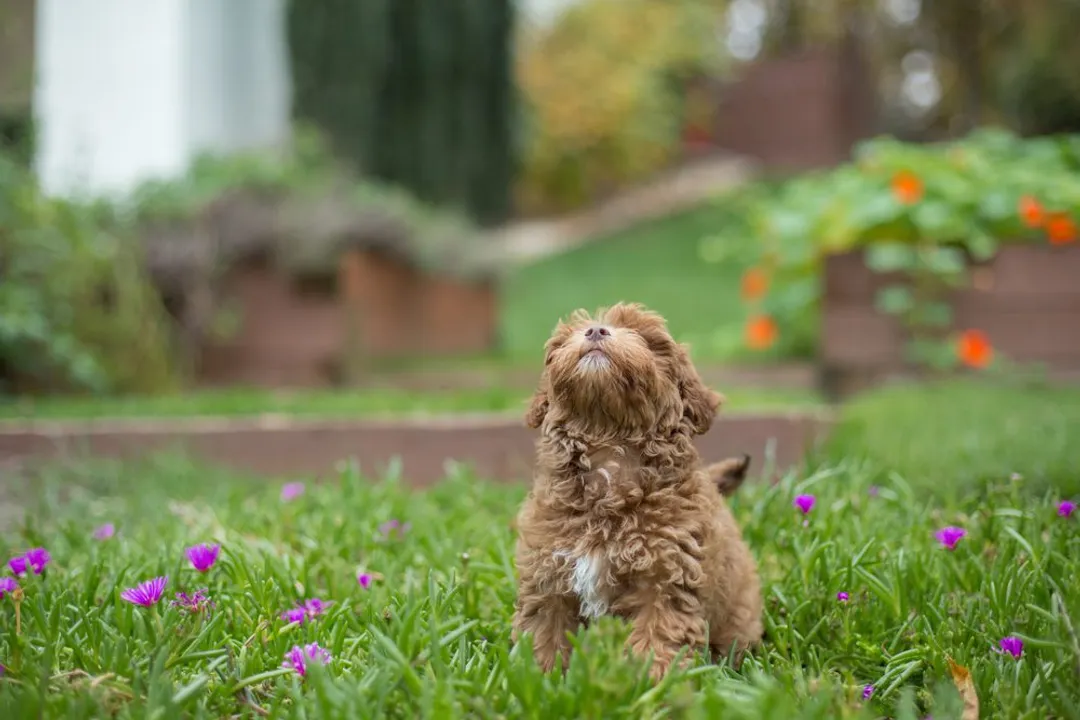
The full-grown Havapoo presents a charming and often surprising physical profile, as this designer breed inherits a mix of traits from its Havanese and Poodle parents. [1][5] Unlike purebred dogs with fixed standards, the Havapoo's adult look depends heavily on which parent's genetics express themselves more strongly in the litter. [9] Understanding what one might look like involves looking at size, coat texture, and overall build, all of which show a notable spectrum. [1][5]
# Stature Numbers
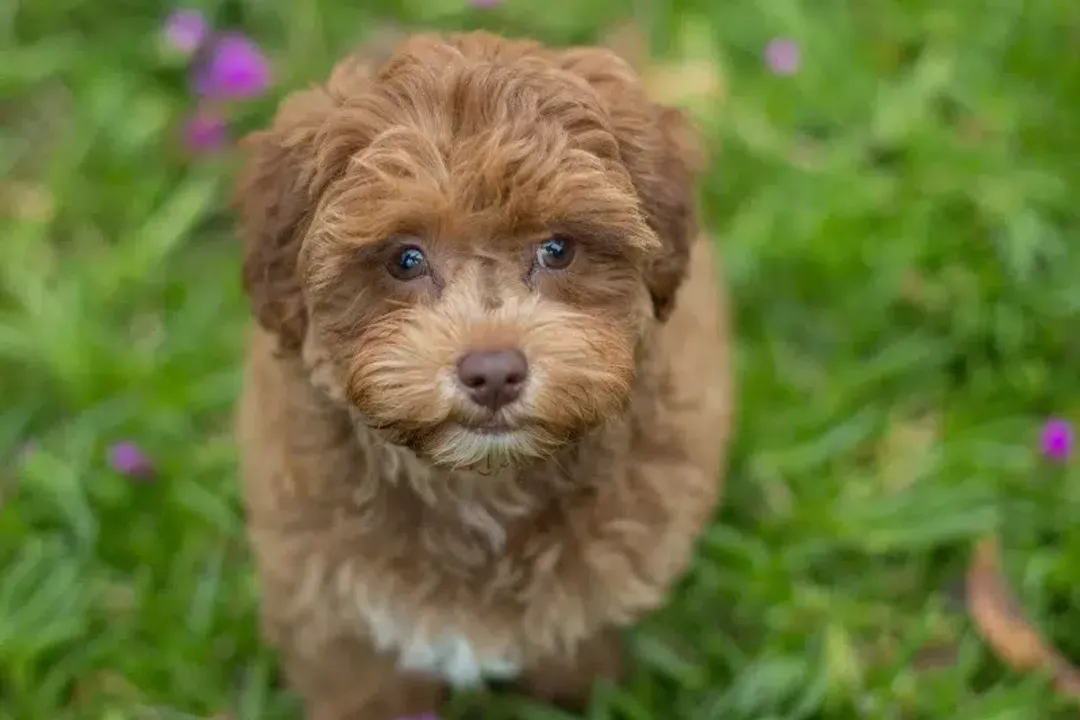
The most significant variable in the mature Havapoo is its size, which is directly linked to whether the Poodle parent was a Toy or a Miniature variety. [1][5] Generally speaking, a full-sized Havapoo is a small companion dog, typically falling between 10 and 30 pounds in weight. [1][5][10]
Height measurements, taken at the shoulder (withers), usually place them in a range from about 7 inches up to 18 inches tall. [1][5][10] While some sources note this broad spectrum, many owners report their dogs settling closer to the 10 to 15-inch mark as adults. [10] It is crucial for potential owners to investigate the size of the Poodle parent involved in the breeding, as this offers the best predictor of the adult dog's final dimensions. [1] For instance, a pairing involving a Toy Poodle will almost certainly produce a dog on the lower end of that 7-to-18-inch scale, whereas a Miniature Poodle pairing leans toward the higher end. [1] This wide range means you could have a dog barely larger than a large lap warmer or one requiring a slightly bigger dog bed. [10]
# Coat Description
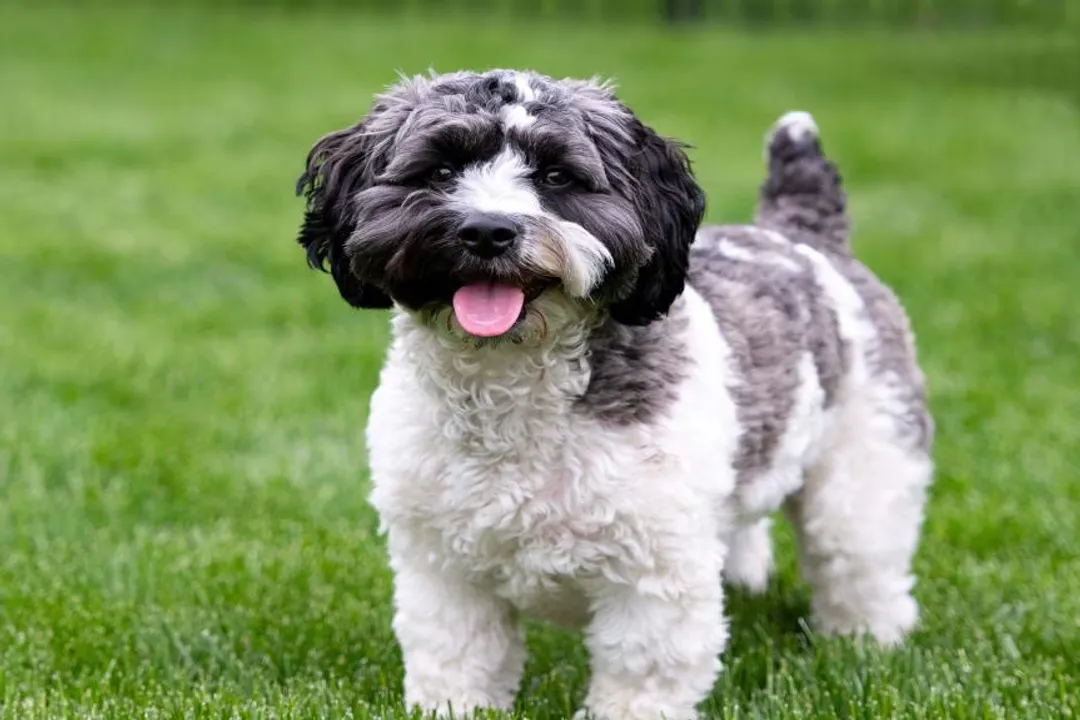
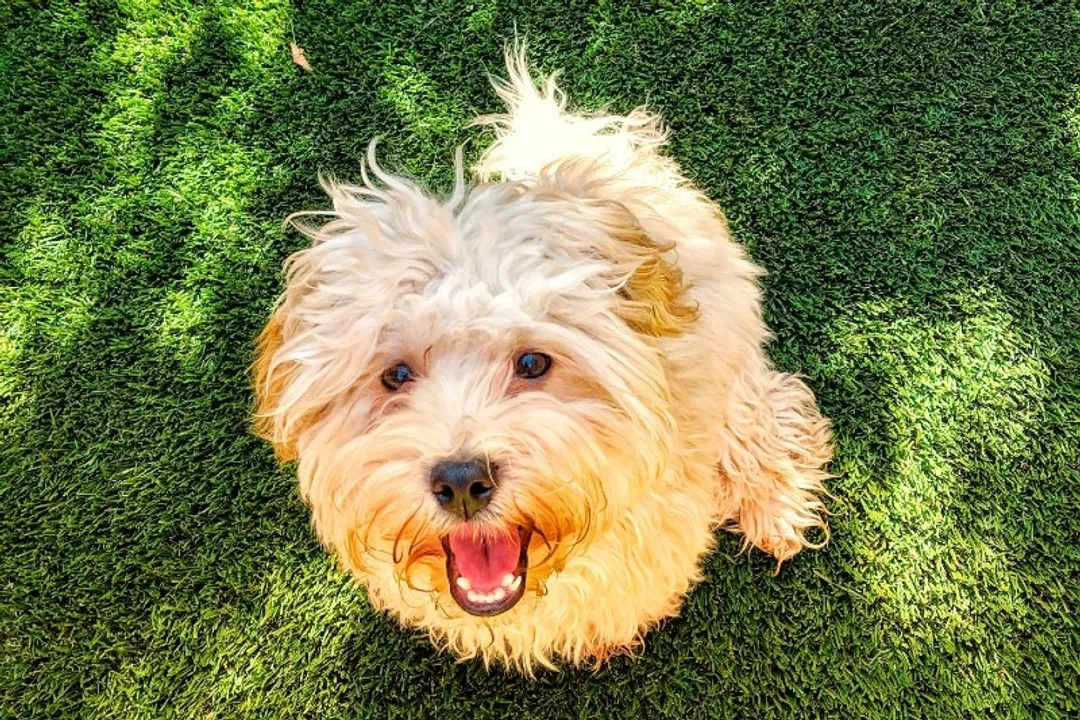
The coat is perhaps the most defining characteristic of the Havapoo, often sought after for its low-shedding qualities inherited from the Poodle side. [1][5] However, the look of the coat varies widely, resulting in dogs that may appear shaggier or curlier. [1]
# Texture Range
The texture is rarely the tight, dense curl of a purebred Poodle, nor the silky straightness of some Havanese lines. Most commonly, Havapoos possess a wavy or soft, loose curl. [1][5] Some may lean more toward the Poodle's tighter ringlets, while others present with a wavier, fluffier look reminiscent of the Havanese, often described as shaggy. [1] This variation in curl density significantly impacts grooming needs. A tighter curl tends to matt more easily if not brushed daily, whereas a looser wave might feel softer but still requires consistent upkeep to prevent tangles where the coat layers meet. [1]
# Color Palette
Color genetics from both parents contribute to a broad palette in mature Havapoos. [5] You can find them in solid colors like black, white, cream, brown, apricot, or gray. [1] Just as common are multi-colored variations, often resulting in patterns or sable markings. [5] The specific pigment seen on the nose, paw pads, and eye rims usually matches the darker shades present in their coat, such as black or liver brown. [1]
# Facial Structure
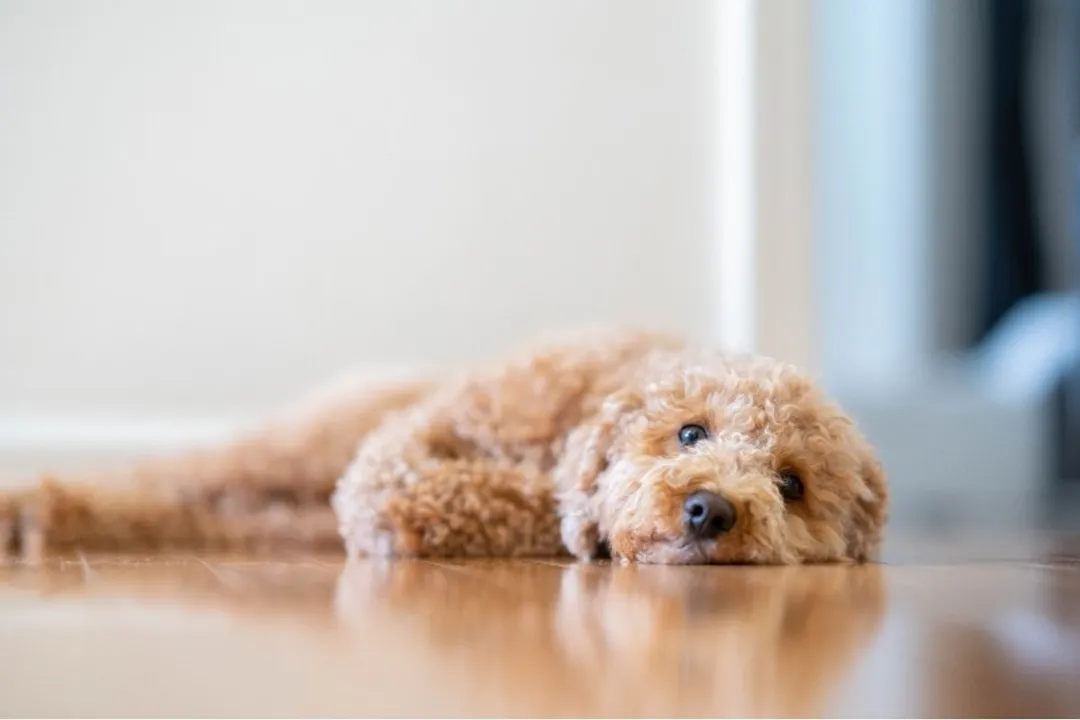
The Havapoo generally presents a sweet, appealing expression, a trait shared by both parent breeds. [1] Their eyes are typically dark and round, contributing to an intelligent and gentle look. [1]
Floppy, pendant ears are the standard for this mix, hanging down close to the cheeks, a feature contributed by both the Havanese and Poodle. [1] The muzzle length can vary; some dogs inherit the slightly shorter, softer muzzle of the Havanese, while others may have a slightly longer profile inherited from the Poodle. [1] When you look at side-by-side comparisons of puppies grown into adults, the structure of the head tends to "set" in a way that softens the features, often giving them a teddy-bear-like appearance. [3][7]
# Maturation Speed
Understanding when a Havapoo stops growing is important for managing expectations regarding grooming and exercise needs. Most sources agree that the Havapoo reaches its full height between 9 and 10 months of age. [10]
However, reaching peak weight often takes a bit longer. While they are structurally grown by the end of their first year, some sources suggest they may continue to fill out and reach their final adult weight closer to 12 months old. [10] This means that a puppy appearing slightly lean at nine months might still gain a pound or two over the next few months as their muscle and adult coat mature. [1] This relatively fast growth means owners can prepare their grooming routines for the adult coat texture fairly early on.
# Genetic Blends
Because the Havapoo is a crossbreed, the visual outcome is never perfectly uniform, which is something owners celebrating their mature dogs frequently note online. [2][6] The look shifts based on which parent breed’s dominant physical traits surface.
For example, a Havapoo leaning toward a "Fleece Coat" (often seen in second-generation crosses or those with specific heritage) may have a soft, flowing coat that looks slightly wavy but requires significant brushing, demanding daily attention to prevent painful mats from forming near the collar or behind the ears. [1] Conversely, a dog expressing a more "Wool Coat"—tighter and curlier—might shed less debris but requires more strategic clipping, as those tight curls can become compacted if brushing isn't perfect. [1]
If you are considering a puppy, it is insightful to observe the parents if possible. If the Poodle parent has a very tight curl and the Havanese parent has a very straight coat, the resulting adult dog will likely have a coat that behaves unpredictably—sometimes appearing straight one month and curly the next as the puppy coat transitions. [1]
| Trait | Low Range (Toy Poodle Influence) | High Range (Miniature Poodle Influence) |
|---|---|---|
| Height (Inches) | 7–10 | 14–18 |
| Weight (Pounds) | 10–15 | 20–30 |
| Coat Texture | Softer, potentially wavier | Tighter curl, potentially denser |
| Maturity Time | Closer to 9 months | Closer to 12 months |
It is worth noting that even within a single litter, the results can be disparate. You might see one puppy with the longer muzzle and slightly gangly legs of a Miniature Poodle mix, while its sibling looks distinctly stockier, bearing the Havanese heritage more prominently in its body structure. [2][6] This genetic lottery is part of the charm of owning a mixed breed.
# Grooming Expectations
While not strictly about looks, the adult coat dictates the ongoing visual presentation of the Havapoo. Because they are low-shedding, the hair continues to grow, necessitating professional grooming appointments every 4 to 8 weeks. [1]
If you prefer the shaggier, longer look that accentuates their floppy ears and soft expression, you must commit to daily brushing. If you opt for a shorter "puppy cut," which keeps the hair manageable at about one to two inches long, you can potentially reduce daily maintenance while still presenting a neat, appealing appearance. [1] Choosing a groomer experienced with Poodle mixes is vital, as they understand how to manage the texture transition without creating harsh lines or irritating the dog’s skin, ensuring the dog retains that friendly, teddy-bear aesthetic we associate with the breed type. [9]
#Videos
Best Havapoo Dog Breed Guide 2023 - YouTube
Related Questions
#Citations
Havapoo Dog Breed Health and Care - PetMD
Anyone want to share “before and after” pics of your dog as a tiny ...
Photo Gallery: Beautiful Havapoo Pictures - Premier Pups
The Journey From Havapoo Puppies to Adult Havapoo - Pinterest
Havapoo: Your Complete Guide - Dog Academy
HavaPoo, a cross between Havanese and Poodle breeds - Facebook
Best Havapoo Dog Breed Guide 2023 - YouTube
Puppy and grown Havanese looks
Havapoo Dog Breed Guide - Simply Southern Pups
How Big Is a Havapoo When Fully Grown? Size & Weight Chart