How big do puggles get full grown?

Determining the final size of a Puggle once they are fully grown involves looking at a fairly consistent set of measurements, though anyone who has owned one knows that these charming mixes rarely adhere strictly to any single guideline. Because the Puggle is a crossbreed, combining the sturdy build of the Pug with the lean frame of the Beagle, their mature size reflects a blend of both ancestral lines. [1][4] This variability is part of their appeal, but prospective owners certainly want a realistic expectation of how much space this dog will eventually take up on the sofa.
# Size Range
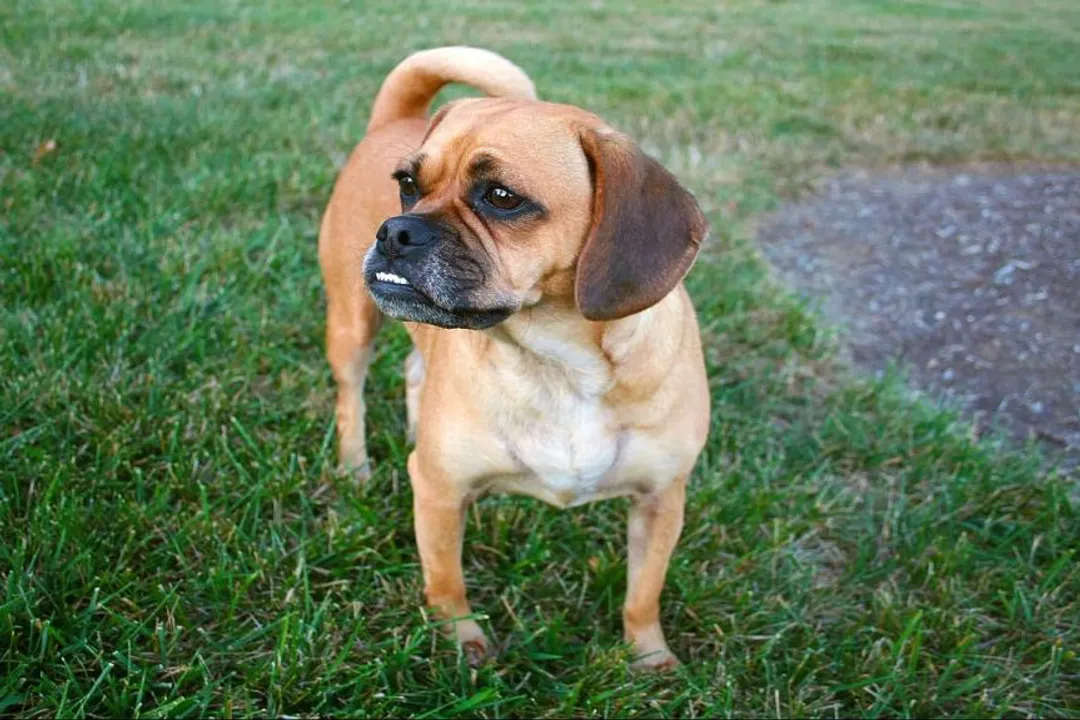
When researching the adult Puggle, you will consistently find a tight range defining their typical dimensions. Most sources indicate that a mature Puggle will stand between 10 and 15 inches tall at the shoulder. [1][3][5][8] This places them firmly in the small to medium-small dog category.
In terms of mass, the expected weight range is generally cited as 15 to 30 pounds. [1][3][4][5][8] This weight bracket showcases the difference in body composition inherited from their parents. A Puggle trending toward the lower end of this spectrum might look slightly more compact, perhaps resembling a stockier Pug, while one closer to 30 pounds might exhibit the longer legs and leaner body structure inherited from the Beagle side. [4]
| Metric | Typical Puggle Range | Parent Breed Comparison Note |
|---|---|---|
| Height (Inches) | 10 – 15 inches [1][3][4] | Generally shorter than a purebred Beagle. [4] |
| Weight (Pounds) | 15 – 30 lbs [1][5][8] | Sits between the average weight of a standard Pug and a standard Beagle. |
It is worth noting that this specific size profile is what makes the Puggle such a popular companion; they are generally not too small to handle rougher play, but they remain small enough to travel easily or live comfortably in apartments. [4] If a breeder is advertising a "Mini Puggle" or "Teacup Puggle," owners should exercise caution, as these labels are not recognized breed standards, and the resulting dog might still fall into the standard 15 to 30-pound bracket based on the genetic lottery. [8]
# Genetic Influence
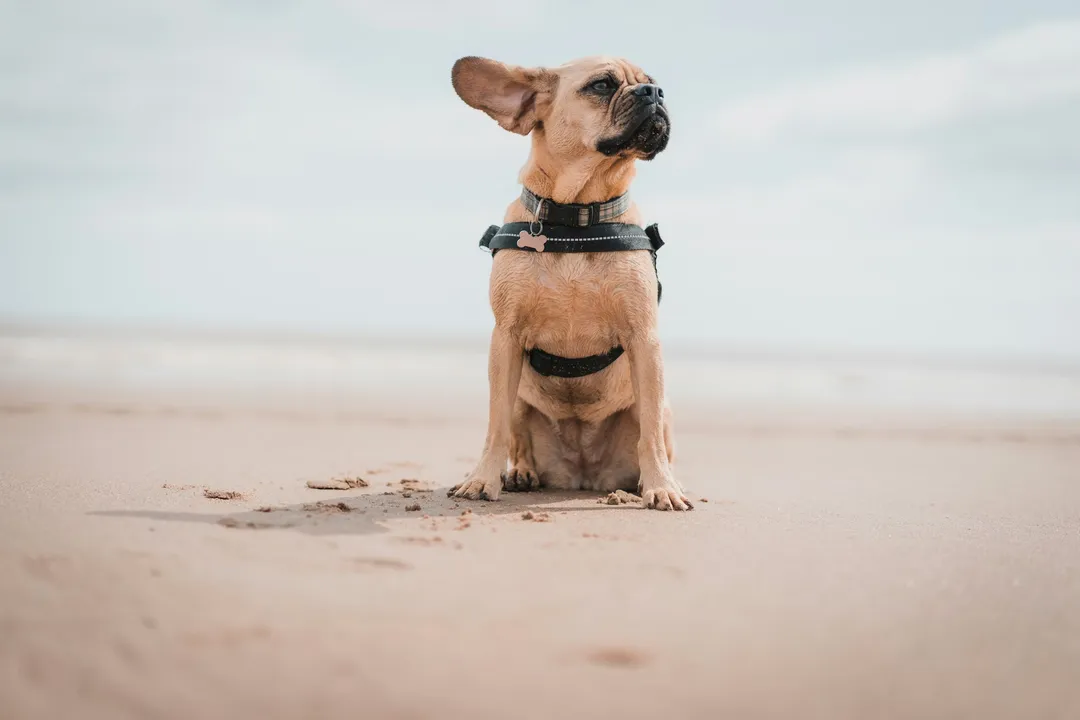
The final size of any mixed breed is largely dictated by the genetic contribution of the purebred parents. The Puggle inherits traits from the Pug and the Beagle, two breeds with distinct build characteristics. [1][4]
The Pug brings a compact, muscular body, a relatively short muzzle, and substantial bone structure into the mix. Beagles, conversely, are known for being sturdy, medium-boned hounds with more moderate legs and a slightly taller stature compared to the Pug. [4]
When these two combine, the resulting dog is rarely a perfect 50/50 split in appearance or structure. One puppy in a litter might favor the Beagle, growing a bit taller with more moderate ear set and a longer muzzle, while a sibling might inherit the characteristic wrinkles and shorter legs of the Pug. [1][3] This genetic dice roll means that relying solely on pedigree documentation—which isn't typically standardized for Puggles anyway—won't give you a precise measurement, only a likelihood that the dog will fall within that established 10-to-15-inch, 15-to-30-pound range. [4]

# Growth Milestones
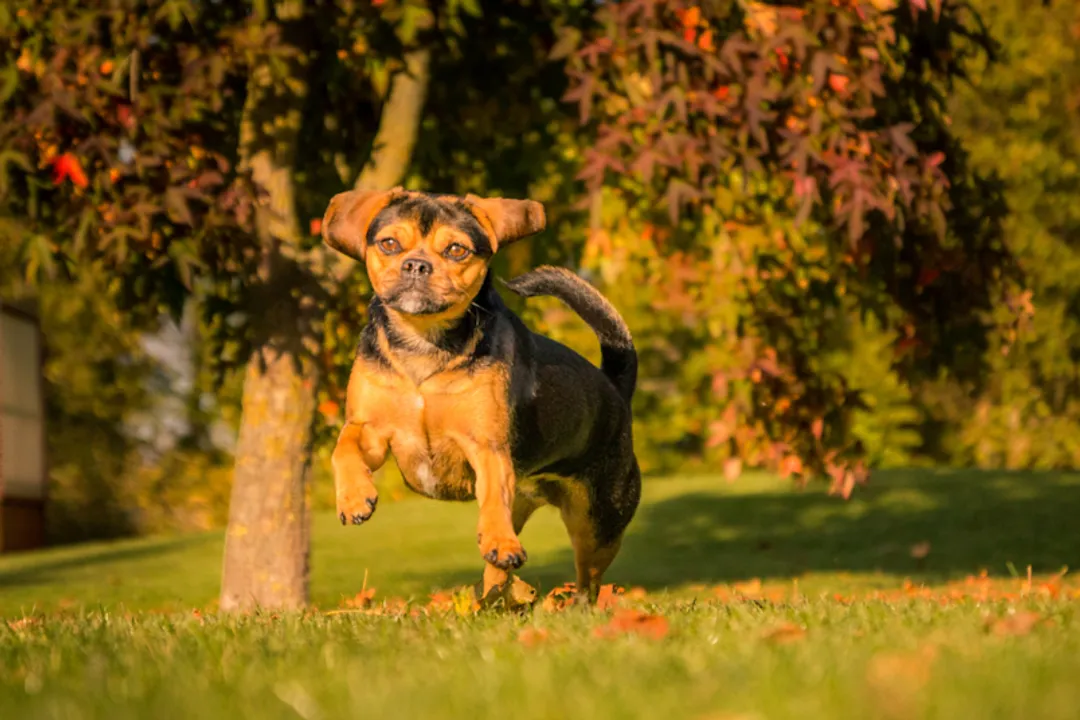
Understanding when a Puggle stops growing is just as important as knowing how big they get. Like many small to medium breeds, Puggles tend to reach their adult height relatively quickly. While they look fully formed and charmingly puppy-like for a long time, most of their height development is complete by about 9 to 12 months of age. [1]
However, reaching full height does not mean they are done filling out. Many Puggles will continue to add muscle mass and density to their frame past their first birthday. Skeletal maturity, where the growth plates fully close, can sometimes extend closer to 18 months for some larger individuals within the breed standard. [1] This slower maturation in terms of weight and muscle development is key to managing their health during their juvenile phase. If an owner is feeding a puppy food formulated for large breeds (which is generally not recommended unless advised by a vet, but used here for comparison), the growth might be slightly extended, while dogs on a standard small/medium breed diet might settle into their final adult weight sooner.
# Final Size Determinants
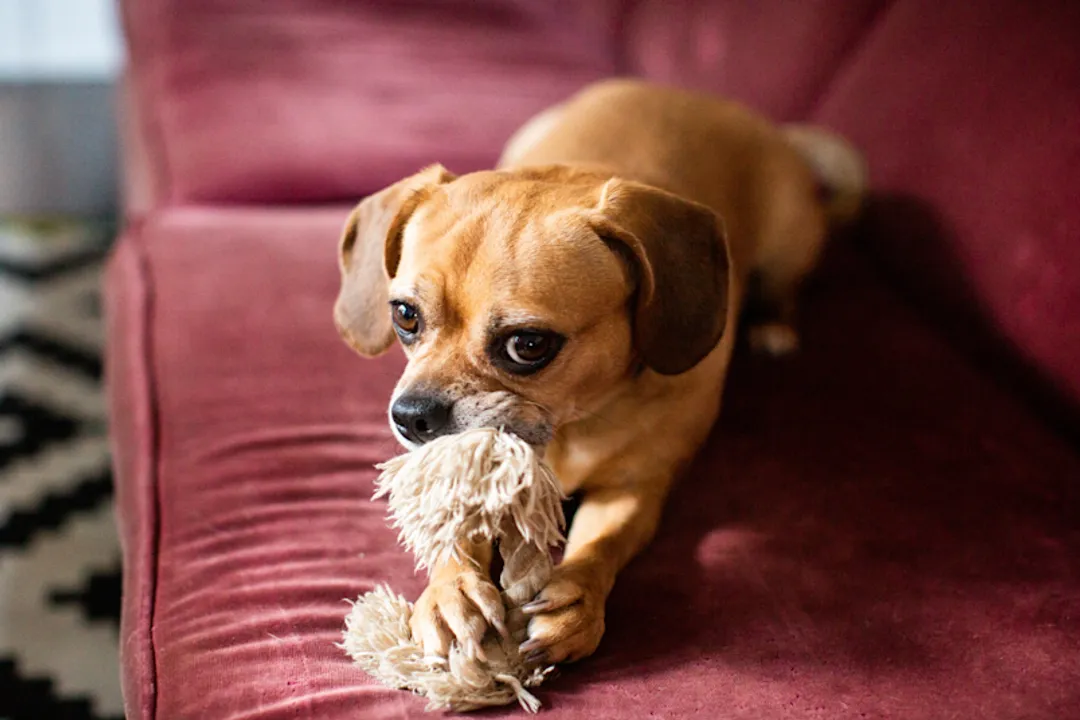
While genetics sets the potential ceiling and floor for the Puggle’s adult size, environmental and lifestyle factors have a significant impact on where the dog lands within that 15-to-30-pound window. Two puppies from the same litter can end up at opposite ends of the scale based on these variables.
One of the most significant non-genetic factors is nutrition. During the rapid growth phase, managing caloric intake is vital. Overfeeding a Puggle puppy, even if they look adorable with rolls, can encourage them to put on adult weight too early, potentially stressing developing joints. Conversely, an improperly balanced diet lacking necessary proteins or minerals can hinder them from reaching their genetically predetermined maximum size and peak condition. [1] Ensuring your young Puggle receives high-quality puppy food appropriate for their expected adult size classification (usually small-to-medium) is the best way to support healthy growth without rushing the process.
Another factor influencing their final density and apparent size is their activity level. A Puggle that receives consistent, moderate daily exercise, perhaps involving brisk walks or supervised playtime, will develop stronger muscle tone than a sedentary counterpart. [4] A well-toned dog at 25 pounds will look significantly fitter and more substantial than a 25-pound dog carrying excess fat. Therefore, monitoring body condition—being able to feel the ribs without seeing them—is a better indicator of "full grown" health than simply tracking the number on the scale post-18 months.
Finally, you must consider the specific ratio of the parentage. If you know the lineage, you can get a better idea. A dog that is three-quarters Beagle might lean toward the 15-inch height mark, while one that is mostly Pug might top out at 12 inches but weigh closer to 30 pounds due to the Pug's denser bone structure. [3] Since Puggles are designer dogs and not a recognized breed with a formal standard, these parental influences are the real arbiters of their mature dimensions.
Related Questions
#Citations
The Puggle: The Adorable Pug Beagle Mix - Embrace Pet Insurance
How big is your puggle? - Reddit
Puggle Dog Breed Health and Care - PetMD
Meet the Breed: Puggle - DoggieLawn
Puggle Dog Breed Information & Characteristics - Daily Paws
GENERAL PUGGLE BREED INFORMATION - Pugglesville
Why do some puggles weigh more than 30 pounds? - Facebook
Puggle Breed Profile: Things to Know Before Adopting
on size... - Puggle Nation - ProBoards