What does a freshwater drum eat?
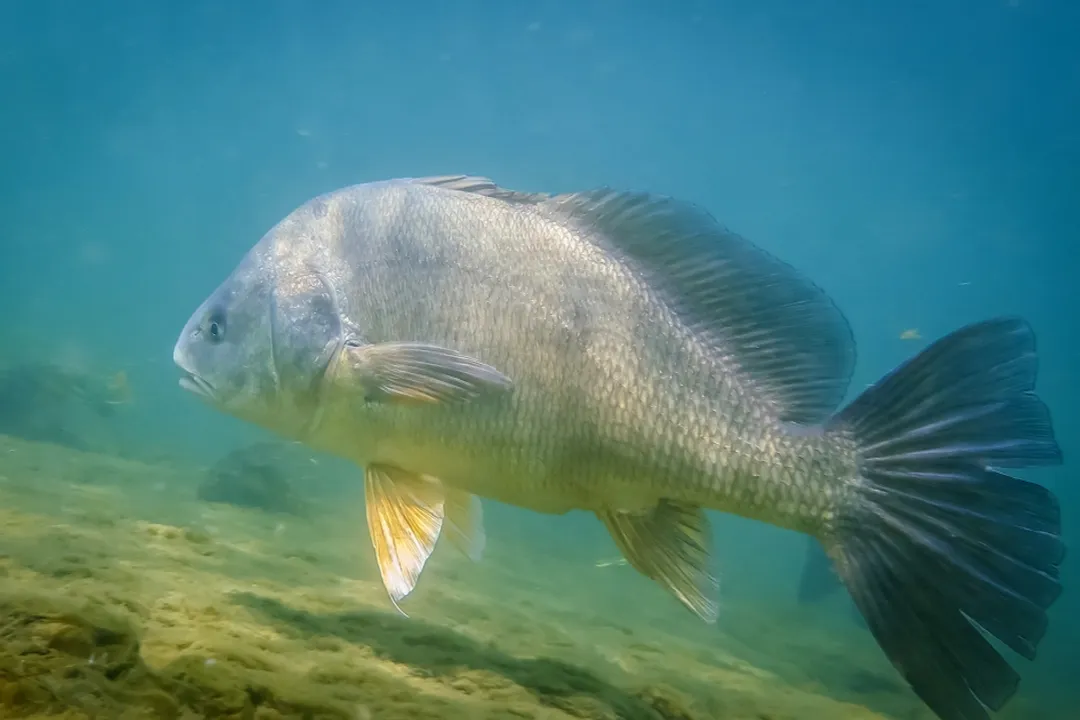
The freshwater drum, Aplodinotus grunniens, may often be categorized as a common, perhaps even uninteresting, catch by anglers focused on trophy sportfish, but understanding its feeding habits reveals a creature occupying a specialized and surprisingly dynamic niche in North American waterways. These fish are primarily bottom-dwellers, perfectly equipped for scavenging and crushing hard-shelled fare found on the lake or river floor.
# Benthic Habits
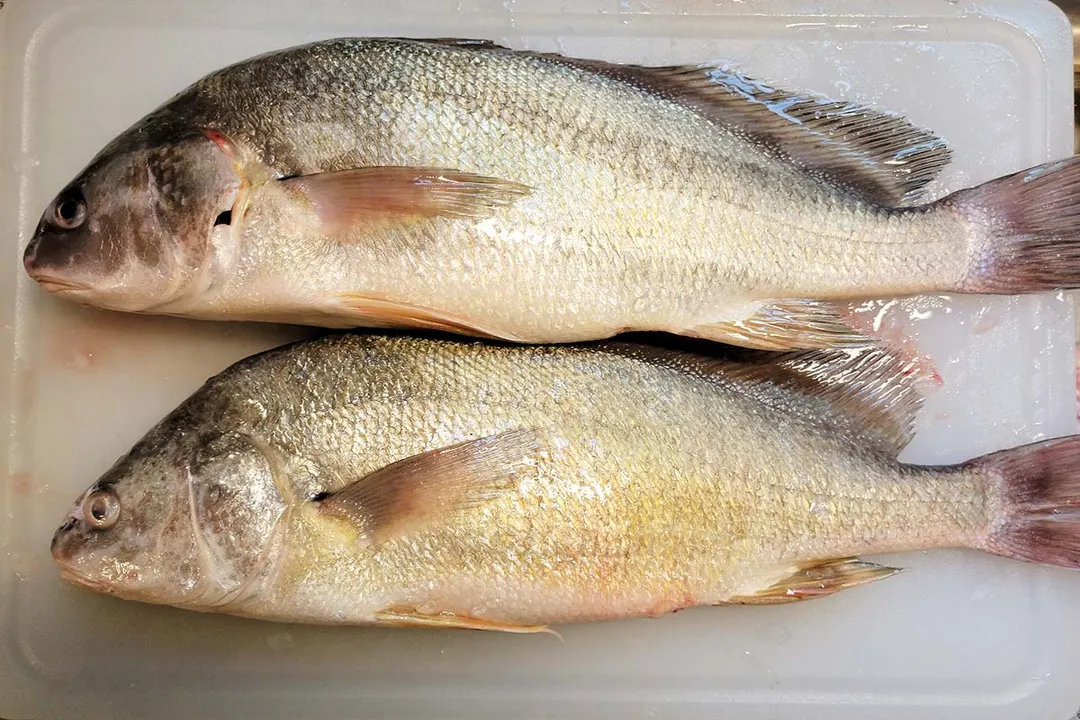
The freshwater drum lives mainly near the bottom of its habitat. Its feeding apparatus is specialized for this lifestyle, featuring heavy pharyngeal teeth—grinder-like plates located deep in the throat—capable of processing tough exoskeletons. This physical adaptation clearly separates the drum ecologically from many generalized freshwater feeders, allowing it to specialize in prey that others struggle to access. The physical act of feeding often involves moving rocks using their snouts to uncover hidden morsels.
# Crushing Shells
The staple of the adult drum's diet centers on benthic invertebrates. This includes a significant consumption of crayfish and larvae from aquatic insects. However, perhaps the most noteworthy component of their invertebrate intake is mussels.
When considering what bait might entice a drum, anglers looking to specifically target them often find success with bottom presentations using natural food sources like worms and crayfish, or artificial lures designed to imitate these bottom-dwelling creatures, such as crayfish mimics. Shrimp patterns have also proven effective for luring them in.
# Seasonal Menu Changes
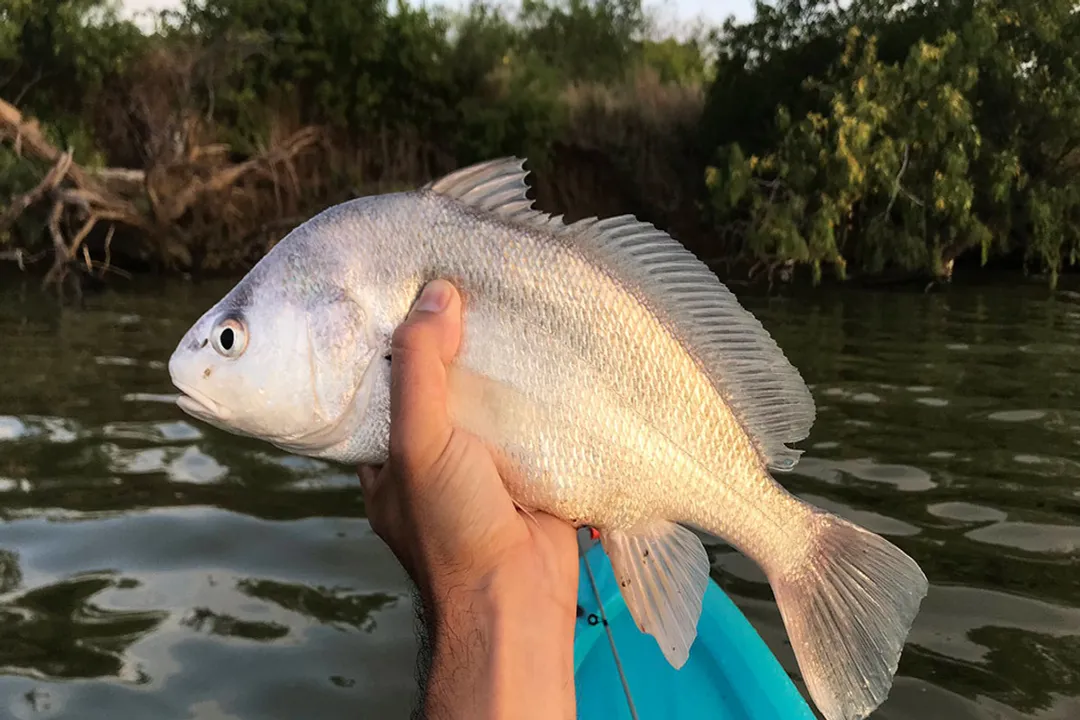
While the preference for benthic invertebrates remains, the freshwater drum is not a rigid eater; its menu shifts according to seasonal availability, demonstrating an opportunistic nature.
The diet shows distinct changes throughout the year. During the late spring months, specifically April and May, a large portion of their intake, approximately 50 percent, comes from dipterans (a group including many types of flies and midges).
As the summer transitions into autumn, a significant shift occurs toward more mobile prey. From August through November, drums frequently switch to eating fish. In some locations during these later months, young-of-the-year Gizzard shad can account for a massive 52 to 94 percent of the freshwater drum’s diet, indicating a predatory period where they move away from purely bottom-grubbing for mollusks. This seasonal reliance on oily baitfish can make the meat of the drum noticeably oily, which paradoxically is excellent for smoking preparations.
# Young Drum
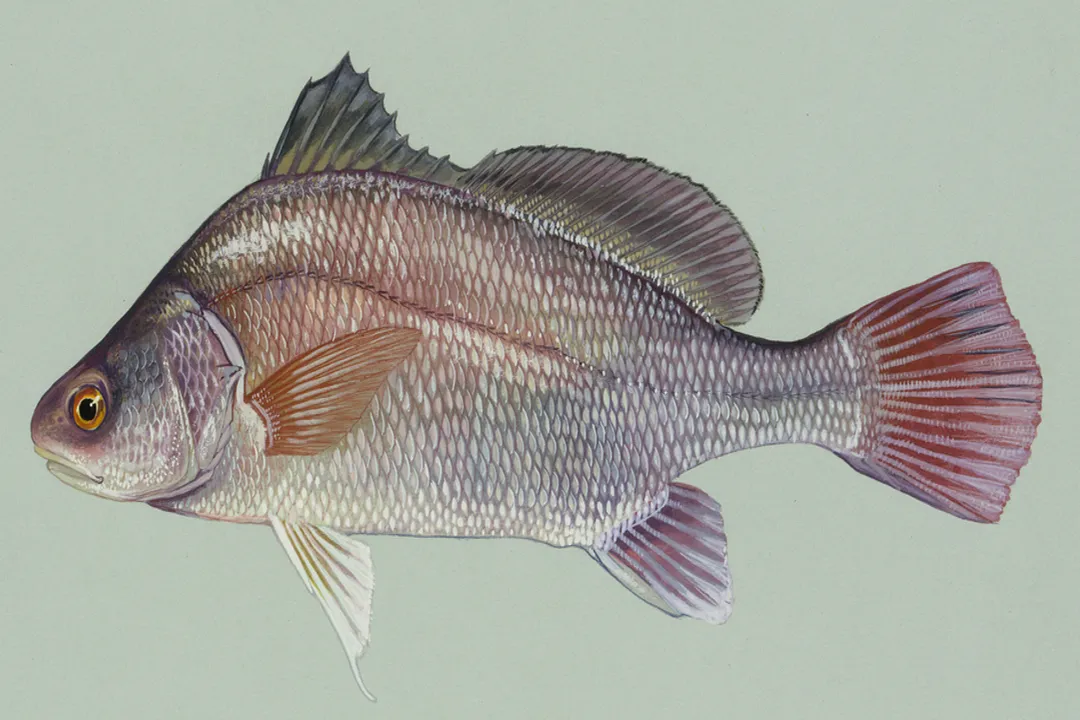
The dietary needs of young freshwater drum differ significantly from the adults, aligning with their vulnerability as a forage species. During their first year of life, baby drum consume a diet composed largely of zooplankton as they try to evade numerous predators. These young fish, often numbering in the tens of thousands released by spawning females, serve as an important food source for larger, more familiar game fish species such as walleye, largemouth bass, and catfish.
# Invasive Interactions
The drum’s powerful crushing mechanism makes them an interesting player in ecosystems dealing with invasive species, particularly the zebra mussel. Freshwater drum are among the few native species capable of consuming these fast-growing invaders. Research indicates that drums generally start consuming zebra mussels once they reach a length around 25 centimeters (about 9.8 inches).
However, smaller drums, those under about 35 cm (14 inches), tend to reject larger zebra mussels, preferring smaller individuals. While the larger drums are physically capable of crushing the shells, their consumption is often limited by their ability to remove the mussel clumps from surfaces. Although the drum’s predation contributes to a higher mortality rate for zebra mussels in a water body, evidence suggests that their feeding habits are not sufficient to significantly control or curb the overall spread of this problematic invasive species. This specialized consumption behavior highlights an ecological service they provide, even if it falls short of population control.
It is interesting to compare the drum's feeding habits to its close relatives. While the celebrated red drum (or redfish) is known for eating shellfish along the coast, the freshwater drum has adapted this same shell-crushing capability to the demanding environment of inland lakes and rivers. Furthermore, the byproduct of the drum’s hard-shelled diet—the crushed shell material—can actually create useful spawning substrate for game fish like smallmouth and largemouth bass. This shows that their constant bottom feeding provides secondary benefits to the community of fish they share their habitat with.
The diet of the freshwater drum, therefore, paints a picture of a versatile bottom-forager. It is dictated by depth and season, ranging from the microscopic (zooplankton for the young) to the hard-shelled (crayfish and mussels for the adults), and even incorporating significant predatory strikes on small fish when conditions are right.
Related Questions
#Citations
Freshwater Drum: The Great Grunting Gaspergoo
Freshwater drum
Freshwater drum are fun to catch, but can you eat them?
Trash Fish Tuesday: Freshwater Drum
Does anybody eat freshwater drum? : r/Fishing
Eating Freshwater Drum (Gaspergou)
Freshwater Drum: Hard-Fighting, Tasty Native Game Fish
Freshwater Drum (Aplodinotus grunniens)