Are House Finches good to have around?
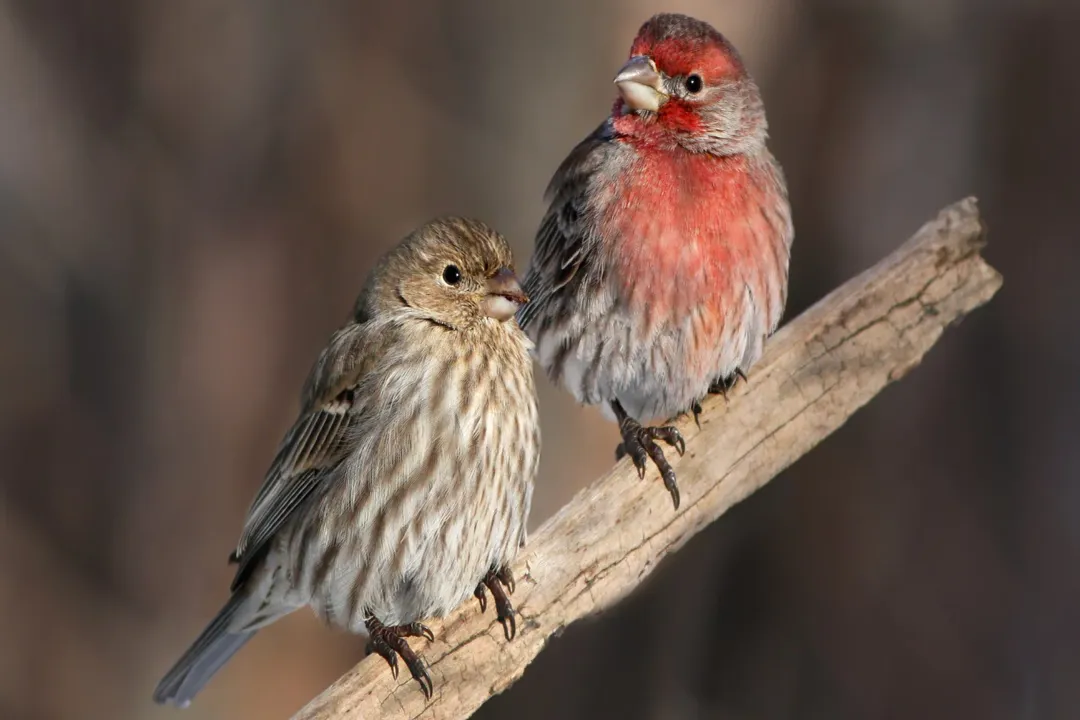
The presence of House Finches around our homes and gardens sparks considerable discussion among backyard observers, often leading to the question of whether they are truly beneficial visitors or slight nuisances. These small, active birds are incredibly common across much of North America, having expanded their range significantly since the mid-20th century. [2][4] Originally native to the American West, intentional releases near New York City allowed them to spread across the East, successfully colonizing the continent largely because they adapt so well to human-altered environments. [2]
# Appearance Basics
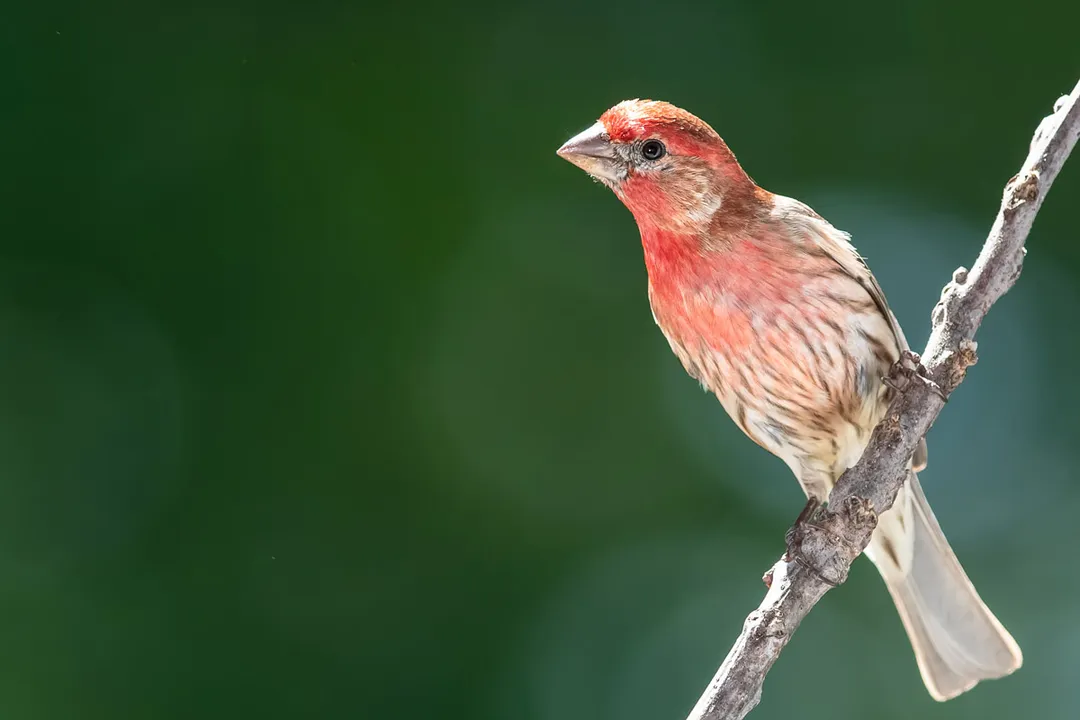
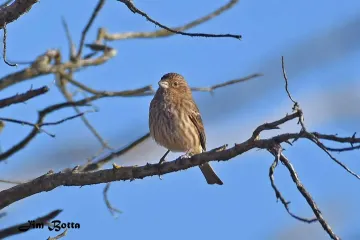
Visually distinguishing the male House Finch is usually straightforward. The male sports a rather rosy-red or sometimes orangey/yellowish wash across the crown, breast, and rump, which contrasts with its blurry brown streaks elsewhere. [4][6] It is interesting to note that the intensity and hue of this color are directly linked to the bird’s diet; the brighter the red, the more carotenoid-rich pigments the finch has managed to acquire from its food sources. [2] This physiological detail offers a subtle way to gauge local food quality. Females, in contrast, look plain, exhibiting only brown streaks and lacking the bright head markings, making them easily confused with sparrows if one isn't careful. [4]
# Vocalizations Note
Both sexes are quite chatty, though the male's song is more elaborate. It’s a long, rambling, cheerful warble, often delivered from a high perch. [6] Unlike some other common backyard birds, the House Finch’s song is frequently heard, even in the dead of winter, announcing their presence long before they might be spotted clearly at a feeder. [5]
# Backyard Niche
House Finches are highly social birds, often found in small flocks, especially outside the breeding season. [6] Their successful integration into suburban and urban settings means they often nest in places we might overlook or consider slightly inconvenient. [5] You might find their nests tucked into dense vines, on building ledges, in the cracks of exterior lights, or even in hanging planters—any sheltered crevice that offers some protection from the elements and predators. [4][5][9] They are relatively tolerant of human activity once established; pairs nesting on porches or near doorways may become accustomed to people moving in and out, provided they aren't repeatedly disturbed during the critical nesting phase. [7]
Their diet heavily favors seeds, making them frequent visitors to bird feeders offering sunflower seeds or Nyjer (thistle). [4][8] However, they are not exclusively seed-eaters. During the nesting season, adults feed their nestlings insects and other invertebrates, providing a natural, though minor, pest control service in the garden area. [4][9] If you observe a finch actively foraging on the ground beneath bushes or near flower beds, it is likely hunting for these smaller creatures rather than just dropped seeds.
# Coexistence Issues
While their presence is welcomed by many due to their bright males and cheerful songs, House Finches can sometimes be perceived negatively by dedicated bird enthusiasts. One common complaint revolves around their feeding habits. [1] They can be numerous and assertive at a single feeder, sometimes seeming to monopolize access, which can discourage smaller, more timid species like Pine Siskins or American Goldfinches. [1][10]
Their tendency to arrive in groups means they can quickly empty feeders, leading to frustration for those trying to cater to a wider variety of birds. [1] Furthermore, any bird that concentrates in large numbers near a feeding station can contribute to localized mess, dropping seed hulls and waste beneath the feeding area. [1] While House Finches are not typically cited as major disease vectors, any congregation of birds requires diligent management to prevent the spread of illness, particularly if feeder surfaces are not regularly cleaned. [9] The density of their population in some areas is a direct result of their success, but this success can sometimes feel overwhelming to a homeowner hoping for diversity rather than dominance by one species. [1]
# Attracting Value
For those who appreciate them, attracting House Finches is relatively simple because they are adaptable generalists. [8] They readily accept platform feeders or hopper feeders stocked with black oil sunflower seeds or safflower seeds. [8] Offering Nyjer seed is also effective, though perhaps more famously known for attracting goldfinches, finches utilize it as well. [8] Providing a reliable source of fresh, clean water, such as a bird bath, is as important as offering food. [8]
A practical consideration for maximizing the positive aspect of having them around—the insect control—is to ensure they don't only rely on feeder seeds during warmer months. While feeder seed is convenient, a healthy mix of native plants that support local insect populations ensures they continue their beneficial foraging habits in your yard, offering a more balanced ecological contribution than just seed consumption. [4] If you notice bright red males, you can generally assume the local seed offerings are rich in carotenoids, suggesting that if you switch to a less colorful seed blend for a while, you might notice a slight dulling in subsequent spring plumage, though this effect is usually temporary and dependent on immediate diet. [2]
# Managing Presence
Deciding if House Finches are "good" often comes down to management style. If your primary goal is to see as many different species as possible and you prefer a tidier feeding area, their gregarious nature might present a challenge. [1] To mitigate the mess beneath feeders, consider placing screens or catch trays underneath, which can collect dropped hulls and seeds, reducing ground clutter and the potential for mold or bacterial growth from decaying seed matter. [1] Regularly sweeping or vacuuming this collected debris prevents it from becoming a health hazard for the birds that feed on the ground. [9]
If you find them crowding one specific feeder, simply putting out more food in multiple locations can often solve the resource guarding issue. Providing several feeding stations spaced apart encourages the flocks to split up, lowering the competitive pressure at any single spot. [10] While some birders feel they compete too heavily with native western species, their expanded range means they are now a recognized, established part of the Eastern avifauna as well, meaning they are simply a fixture of the modern suburban environment. [2]
Ultimately, whether the House Finch is a welcome guest depends on the observer's tolerance for abundance and slight untidiness versus the charm of a familiar, brightly colored, and lively presence throughout the year. [4][6] They are undeniably successful survivors, and their familiarity makes them a reliable sign of avian life in our developed landscapes.
Related Questions
#Citations
Why do people hate house finches so much? : r/birdfeeding
10 Fun Facts about the House Finch
House finches living near people and homes
House Finch
Meet the House Finch: A Common Backyard Visitor
Fun Facts About House Finches
I was wondering if the house finches that started building a ...
Simple Tips For Attracting House Finches To Your Backyard
House Finches Identification | Pest ID
How do you deal with a pair of House Finchs?