What do boxfish eat?
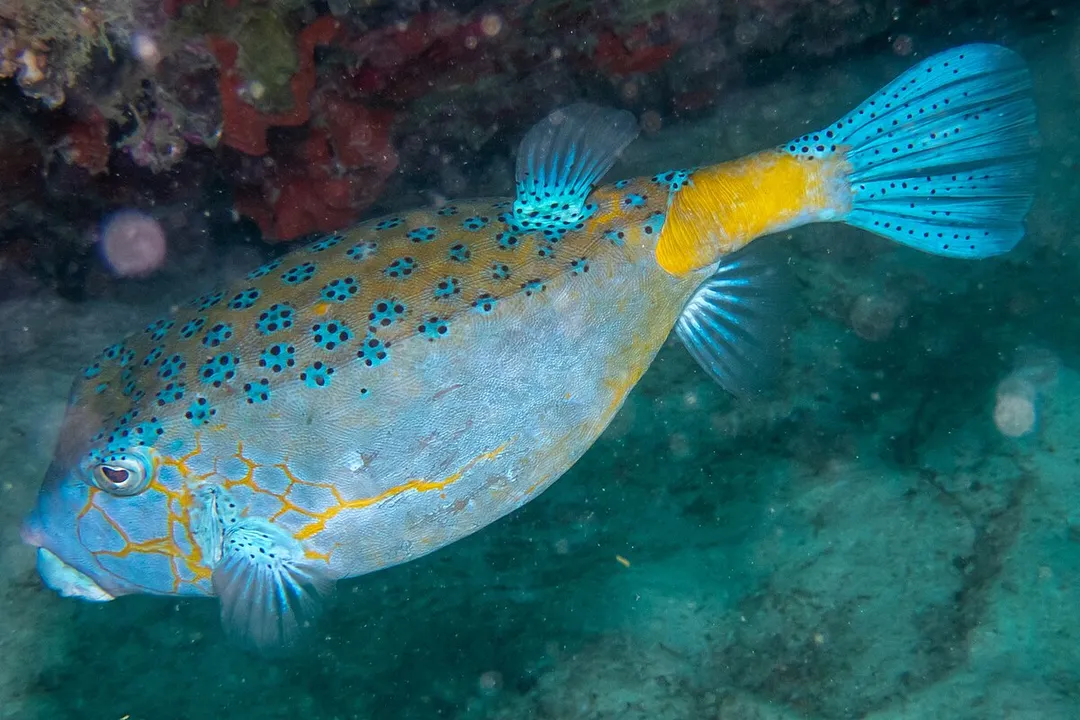
The cuboid fish known affectionately as the boxfish, or more formally belonging to the family Ostraciidae, presents a fascinating subject when one begins to examine its dining habits. While these slow-moving, armored characters are famous for their unique shape and, regrettably, their potent chemical defenses, their dietary requirements are key to understanding their presence, whether they are seen grazing coral reefs or hesitantly accepting food in an aquarium. As omnivores, their needs span across the ocean floor's offerings, blending animal matter and plant life.
# Wild Foraging Habits
In their natural, warm-water habitats across the Indo-Pacific and southeastern Atlantic Oceans—often associated with sheltered coastal and offshore coral reefs—boxfish exhibit a method of feeding perfectly suited to their slow, deliberate nature. They do not rely on speed to chase down prey; instead, they use a deliberate, close-to-the-substrate approach.
The core of the boxfish diet in the wild centers on benthic organisms and marine algae. They possess a small, tube-like mouth that is positioned low, frequently facing downwards, allowing them to graze effectively on algae growing on surfaces and pick off immobile or slow-moving, encrusting animals. This broad menu includes small crustaceans, various types of worms, molluscs, and even small fish. Furthermore, many boxfish species have evolved a specific technique to unearth hidden meals. They are known to gently squirt a jet of water into the sand or substrate, disturbing the sediment to expose any edible morsels sheltering beneath. This behavior highlights an ability to selectively target small, concealed invertebrates that might otherwise be inaccessible to more streamlined reef dwellers.
It is interesting to note the ecological niche this suggests. While many tropical reef fish are fast-moving hunters or grazers, the boxfish's reliance on armor over agility means its feeding style is built around careful exploration and excavation rather than rapid pursuit. This low-speed, high-detail foraging suits a fish whose entire body is essentially a rigid, bony cage.
# Aquarium Transition
Moving a boxfish from its complex natural environment to the controlled setting of an aquarium often introduces significant challenges, particularly concerning nutrition. Many species, especially juveniles, can be notoriously difficult to feed initially. The bright yellow juvenile Ostracion cubicum, for example, may flatly refuse standard medium-sized pellets offered by new owners.
For successful acclimatization, the focus must initially shift away from dry pellets to items that closely mimic their natural invertebrate diet, which is typically rich in animal protein. Enthusiasts often report success by initiating the feeding regimen with live brine shrimp or frozen mysis shrimp. This initial offering must entice the fish to eat, building confidence before any attempt is made to switch to less attractive, prepared options.
Once the boxfish has settled and is confidently accepting food, the diet should be broadened to include a variety of meaty, marine-sourced items. Recommended staples for an established captive include:
- Chopped squid
- Chopped clams
- Chopped mussels
These meaty, high-protein foods cater to their preference once they become accustomed to aquarium feeding. Furthermore, since they are omnivores, a good captive diet must also incorporate vegetable matter, often in the form of an herbivore preparation.
# Dietary Components and Structure
The classification of boxfish alongside puffers and porcupinefishes indicates a shared omnivorous tendency, often leaning toward meaty items like crabs, shrimps, worms, and algae. However, translating this generalized description into a practical diet requires attention to detail, especially regarding physical form and nutritional density.
The physical constraints of the boxfish—its rigid, boxy body and relatively weak fins—dictate a feeding behavior that is less agile in competition. This slow, methodical movement, relying on the careful rowing of tiny fins, means that when a variety of foods are offered simultaneously, faster-swimming tank mates will invariably consume floating items first. This puts the boxfish at a disadvantage, making it crucial to ensure the food offered sinks quickly so the boxfish has a fair chance at consumption. A failure to ensure sinking food can lead to the fish losing out on meals, which is especially problematic for smaller or juvenile specimens.
Because their natural diet consists of whole benthic invertebrates and sponges, a practical realization for keepers is that these animals require a nutritionally dense diet high in protein and calcium to maintain their health over the long term. Relying heavily on dry flakes or pellets alone may not provide the necessary building blocks found in freshly sourced, high-quality marine fare. Therefore, while they might eventually accept sinking pellets, the foundation of their captive diet should remain heavily reliant on meaty frozen or fresh options.
| Food Type | Wild Equivalent/Natural Role | Captive Application/Note |
|---|---|---|
| Marine Algae | Primary component of grazing diet | Use quality herbivore prep to satisfy this need. |
| Worms, Molluscs, Crustaceans | Primary benthic prey items | Best replicated with chopped clams, squid, or mysis shrimp (frozen or fresh). |
| Small Fish | Opportunistic prey | Generally avoided in home aquaria feeding protocols, but highlights the carnivorous aspect. |
| Sinking Prepared Food | N/A | Crucial to prevent air gulping, which causes buoyancy issues. |
# Feeding Care and Context
Successfully feeding a boxfish is inherently linked to managing the aquarium environment, due to their unique defensive chemistry. They use their bony plates as armor, but when stressed—perhaps by aggressive tank mates or rough handling—they release ostracitoxin as a toxic mucus. This substance can be lethal to other fish in a closed aquarium system because it spreads quickly, causing red blood cells to rupture.
This toxicity underscores why the feeding strategy must minimize stress. Overcrowding is a major stressor that can trigger this defense. If a boxfish becomes overly stressed while attempting to eat in a competitive environment, the resulting toxic release could tragically eliminate its tank mates, leaving the boxfish as the sole survivor in a poisoned tank. This defensive mechanism is a strong argument for providing a relatively calm environment where the boxfish can feed without constant threat or competition.
For aquarists keeping these specialized feeders, consistent observation during feeding time is non-negotiable. You must confirm that the boxfish is actually consuming the food, not just hovering near it while faster eaters dominate the sinking morsels. If a boxfish is noted to be a juvenile, understanding its small size—perhaps around 1.25 inches—is vital, as the smallest specimens are often the first to miss out on feeding opportunities in a bustling community tank. Providing sinking, high-quality, meaty or algae-based foods, offered frequently in small amounts, is the established path to keeping these charmingly blocky fish thriving.
Related Questions
#Citations
what to feed boxfish - Reef2Reef
Advanced Boxfish & Cowfish Care: Tank Setup, Food, Safety | Petco
Saltwater Aquarium Fish Species Profile: Boxfish - LiveAquaria
Puffers Boxfishes | Ocean Nutrition
Yellow boxfish - Wikipedia
Boxfish Fish Facts - Ostracion cubicus - A-Z Animals
Boxfishes (Ostraciidae) on Singapore shores
Boxfish: Little Fish, Big Toxins | Shit You Didn't Know About Biology