What are the personality issues with American Bulldogs?
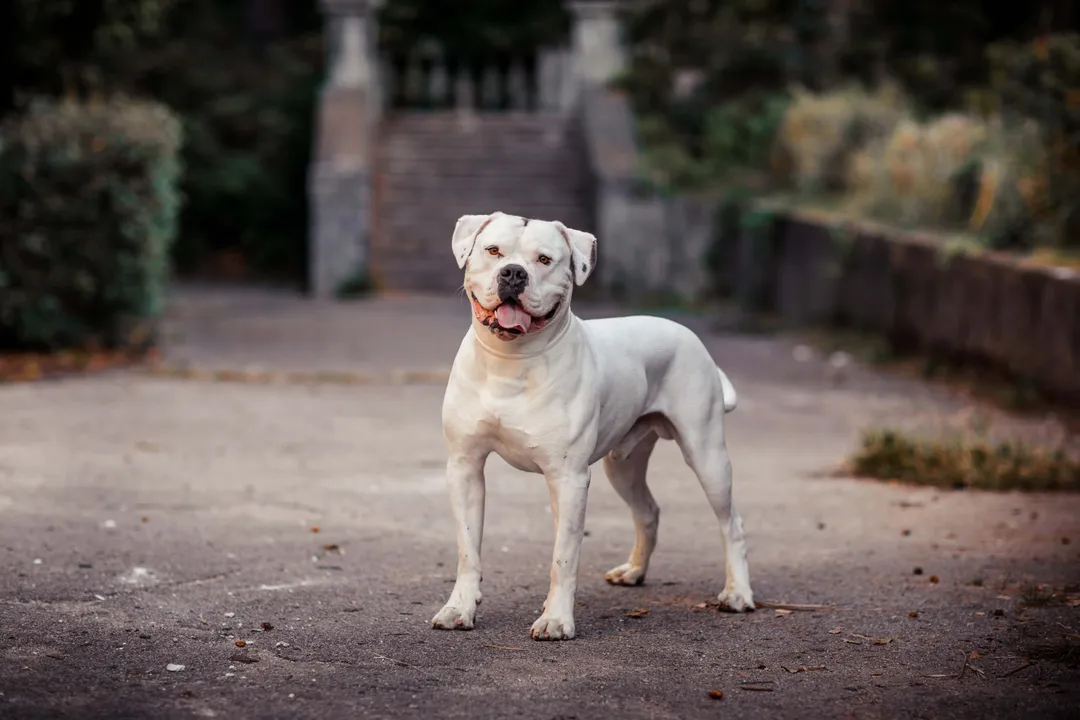
The American Bulldog is a dog built on history—a powerful working animal originally tasked with guarding farms and handling difficult livestock, like feral hogs. [3] This background imbues them with significant loyalty and affection for their core family unit, often making them loving companions known for goofy antics. [1][3][5] However, that deep devotion and working history give rise to distinct personality traits that can present real "issues" if an owner is unprepared for the commitment required. Understanding these potential challenges upfront is critical for ensuring a successful, harmonious life with this imposing breed. [3][5]
# Guarding Instincts

A primary personality consideration stems directly from their lineage as farm guardians: the American Bulldog tends to be reserved or cautious around strangers. [1][3][5] This wariness is rooted in their protective instinct, meaning they were historically bred to guard property and excel at protection work. While they are fiercely devoted bodyguards to their own people, this protective nature means they may show aggression toward unfamiliar individuals upon first meeting.
It is essential to compare their guarding style to other breeds. Some sources suggest that unlike breeds inherently bred for high alert or paranoia, the American Bulldog might not be overly suspicious or on edge constantly; they might sleep soundly and miss subtle cues, as hyper-alertness was not their defining work trait. Instead, their historical role was that of a subjugation specialist, designed to engage and neutralize a dangerous target like a bull or hog. When a perceived threat arises, they are quick to respond and engage, rather than always relying on barking or warning growls, which are often viewed as fear responses. This means that while they make excellent vigilant watchdogs, an owner must be prepared for a dog whose protective mechanism is built around physical confrontation if necessary, not just noise-making. [3][5]
A crucial step in managing this protective trait is early and extensive socialization. [3][5] One suggestion is to introduce the puppy to a large number of new people—perhaps aiming for a hundred different individuals over the first hundred days of ownership—to help mitigate shyness or fear-based aggression later on. It is noteworthy that properly managed socialization should temper their reaction to strangers without eliminating their natural, desirable protective inclination toward the family.
# Canine Relations
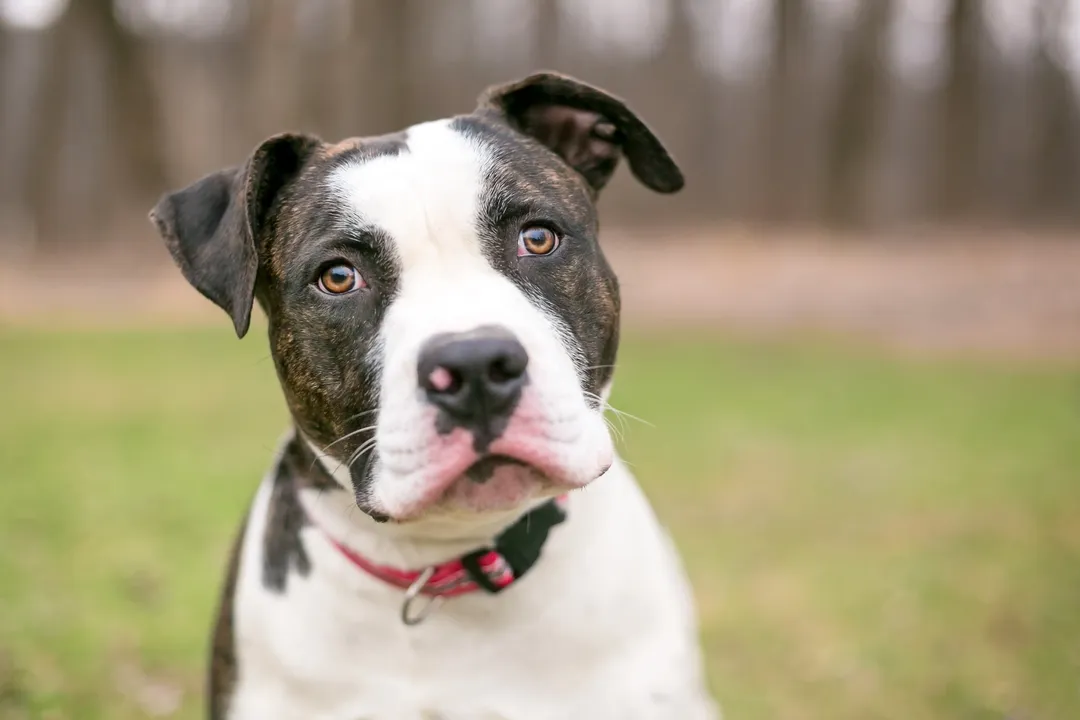
The same strong drives that make them protectors can complicate relationships with other dogs and animals. American Bulldogs often have strong drives and a dominant nature that frequently leads to aggression toward other dogs as they mature, sometimes resulting in fights, particularly between same-sex dogs. [5] While they can get along with other pets, this is highly conditional: it requires extensive socialization and training from a very young age. [3][5]
Their history as catch dogs for livestock means they retain a strong prey drive. [5] This mandates careful management around smaller pets, like cats, where owners might need to ensure the cat has safe, dog-free areas. Furthermore, their sheer strength means that even rough play with smaller dog breeds needs vigilant supervision, as they may not always gauge their own power accurately. [5] For a household considering introducing a second dog, careful planning and, potentially, choosing a dog of the opposite sex or ensuring the new addition is completely unbothered by other dogs is necessary, as some individuals may never tolerate sharing their space. [5]

# Willpower and Training
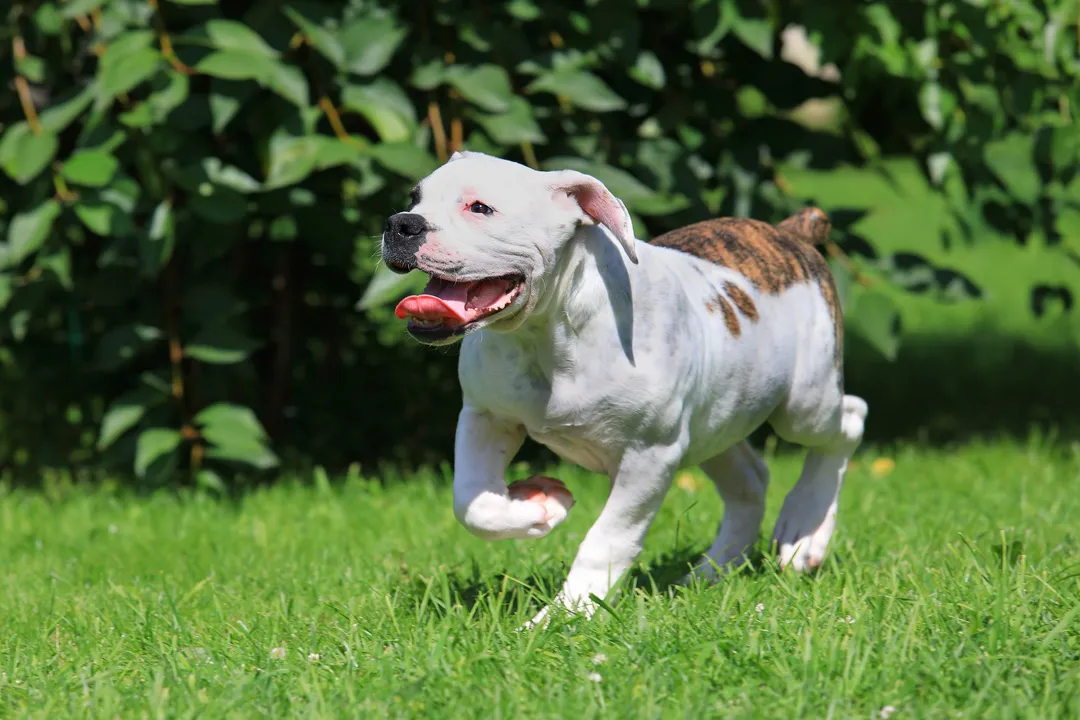
Perhaps the most commonly cited personality challenge revolves around their independent nature and high level of stubbornness. [3][5] The American Bulldog is described as strong-willed and, if given the chance, they will attempt to establish themselves as the "top dog". [3][5] This characteristic is not a flaw; it's a function of their history. Unlike breeds developed to work closely in partnership with a human (like herding dogs), early bulldogs were often expected to work alone against challenging livestock, leading them to develop a mindset of thinking for themselves.
This independence translates directly into training requirements. They are smart and eager to please when they are engaged, but they demand a confident, assertive, and experienced owner. [3][5] A handler who is "wishy-washy" or lacks discipline may find the dog attempting to rule the home. Because of their immense physical strength, if an owner cannot establish clear leadership, correcting unwanted behavior later becomes nearly impossible, as overpowering a determined, muscular dog is simply not an option.
This assertive nature manifests in amusing but potentially challenging ways for the inexperienced owner. They might whine or display clear annoyance until they get their way regarding walks or feeding times, or even physically place themselves between you and a distraction, like a television, to redirect your attention to play. To manage this, consistency is paramount; the entire household must use the same commands and boundaries from day one. [3][5] One effective method for establishing leadership involves making the dog wait for things they value, such as training sessions or mealtimes, thereby reinforcing the owner as the leader of the pack. [3][5]
# Energy and Containment
The American Bulldog is an athlete with high energy reserves that must be properly channeled. They need frequent exercise and constant stimulation—typically one to two hours daily for a healthy adult—which should include activities that build strength like tug-of-war, jogging, or hiking. [3][5] The potential issue arises when this need is unmet: the breed does not do well being left alone in a yard, as pent-up energy quickly results in a variety of behavior problems, including chewing and digging. [3]
If an American Bulldog is under-stimulated mentally and physically, they can become destructive troublemakers. [5] This high-energy requirement must be matched by the owner's lifestyle; they are generally ill-suited for low-energy homes or small apartments unless they receive substantial, dedicated outdoor time. [4][5] It's worth noting that while they need activity, owners should minimize high-impact activities like excessive jumping during the first year to eighteen months to protect developing joints, especially the hips.
Furthermore, their history as working farm dogs means they are not always keen on just relaxing. While they may enjoy a good nap, owners should actively encourage activity, as many are prone to obesity if allowed to overeat or lounge excessively. [1][5] A thoughtful owner can integrate this need for mental work by using puzzle toys or slow feeders during mealtimes, which provides a constructive outlet for their sharp minds. [4] Failing to provide these outlets is a direct route to frustration and subsequent undesirable behaviors at home. [5]

# Physicality and Vulnerability
While the focus here is personality, the physical structure of the American Bulldog heavily influences its behavioral presentation and owner suitability. Their powerful build translates to an impressive bite force, making bite inhibition training essential from puppyhood. [5] Even when playing gently, their size and strength mean they can accidentally cause injury to very young children or the elderly simply by bounding or leaning. [3][5] This is why they are often better suited for homes with older children who understand appropriate interaction boundaries. [1][3]
Another behavioral consideration tied to physical traits is their intolerance for heat. Due to their short muzzle, they struggle to release heat effectively through panting, making them prone to overheating. [5] A dog in distress from heat exhaustion is unpredictable and uncomfortable, making owner vigilance in warm weather a necessity for maintaining a stable temperament. [5]
Finally, owners should be aware that this breed can take a long time to fully mature mentally. Some reports suggest they may retain a pronounced puppy-like behavior until they reach four or five years of age, which requires sustained patience from the owner. When adopting, it is important to remember that a dog's past impacts its present behavior; while many dogs in rescue possess stable temperaments, some arrive due to pre-existing behavioral issues like aggression toward other dogs or chewing, which rescue organizations must manage carefully before placement.
To successfully integrate an American Bulldog into your life, you must commit to being a highly engaged, consistent leader who values structure as much as affection. They thrive when their powerful physical and mental needs are met, but they require an owner who respects their working heritage and possesses the experience to guide their formidable strength and willpower. [3][5]
Related Questions
#Citations
American Bulldog Dog Breed Health and Care - PetMD
American Bulldog - Dog Breed Information - American Kennel Club
American Bulldog Guide | Complete Breed & Care Information
American Bulldog Facts
American Bulldog: Breed & Health | MetLife Pet Insurance
What are some characteristics of American bulldogs? Are ... - Quora